This Romanian “Oracol” Journal Is More Than Nostalgia — It’s a Tiny Time Capsule With a Growing Price Tag
For impatient readers: yes, this is the kind of collectible that makes historians smile, nostalgia lovers melt, and smart buyers quietly reach for their wallets.
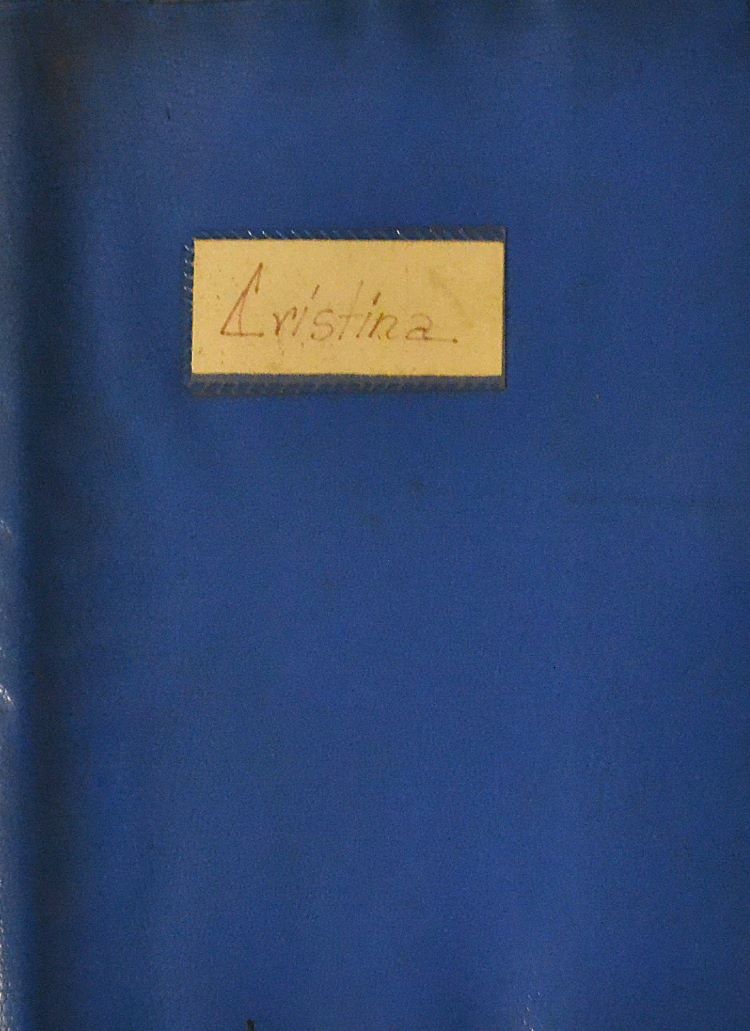
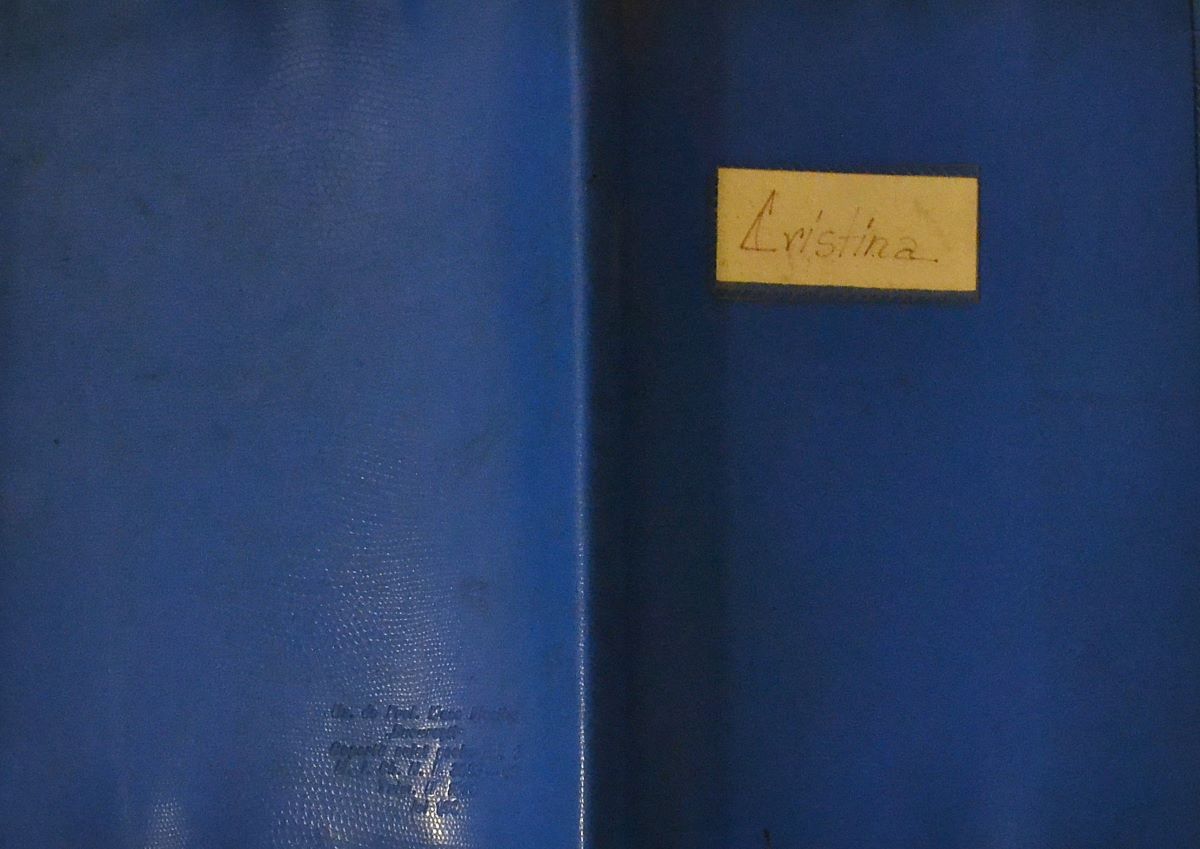
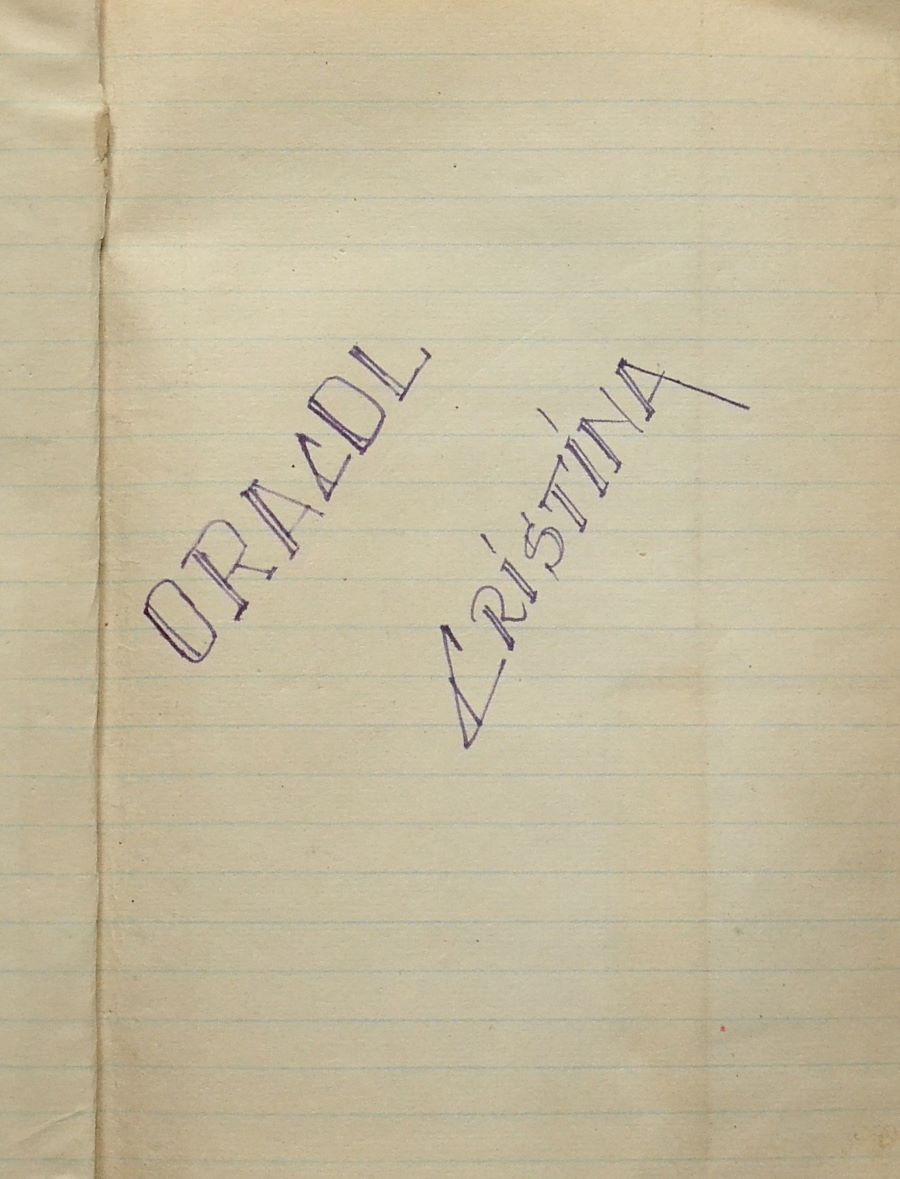
Suggested hero image: Blue cover with handwritten “Cristina” label. Caption: A modest cover, a very immodest amount of social history inside.
Quick Answer
This vintage Romanian oracol—a handwritten friendship journal filled between roughly 1971–1973—is rare because it is unique, complete, illustrated, and deeply personal. Unlike mass-produced books, an authentic oracol is a one-off manuscript artifact: no reprint, no second edition, no “new stock arriving Tuesday.”
Based on typical asking and sold-price patterns seen over the last 20 years on marketplaces such as eBay, AbeBooks, and Okazii.ro, comparable handwritten autograph/friendship albums and school-era memory books have generally risen 2x to 5x in nominal value, with the strongest premiums paid for:
- pre-1980 examples,
- rich handwritten content,
- drawings/autographs,
- good completeness,
- strong visual charm.
What Exactly Is an “Oracle”?
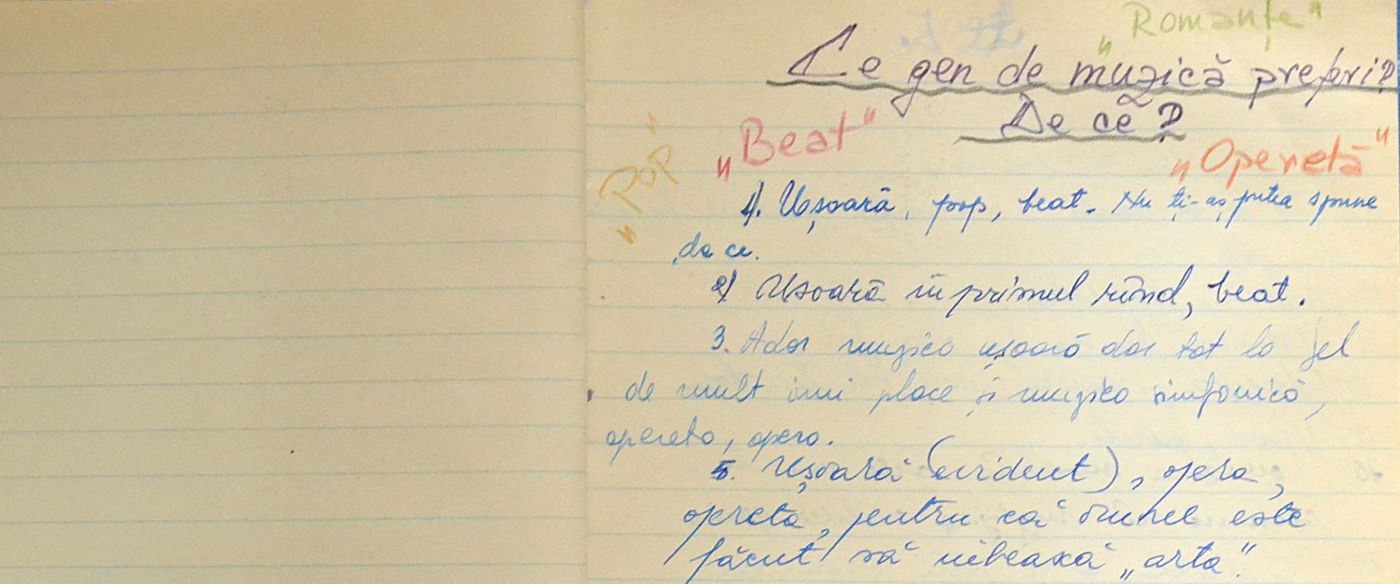
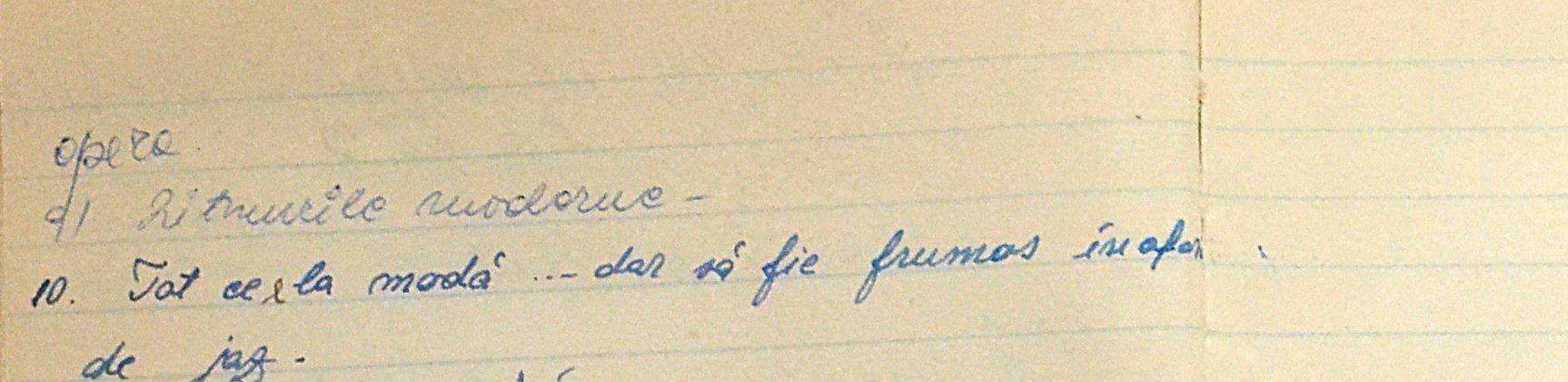
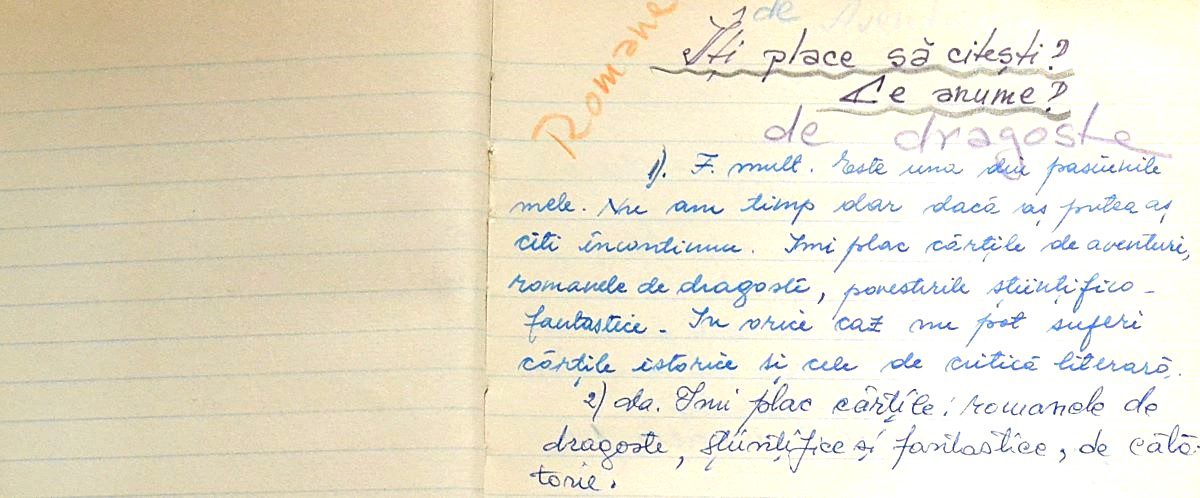
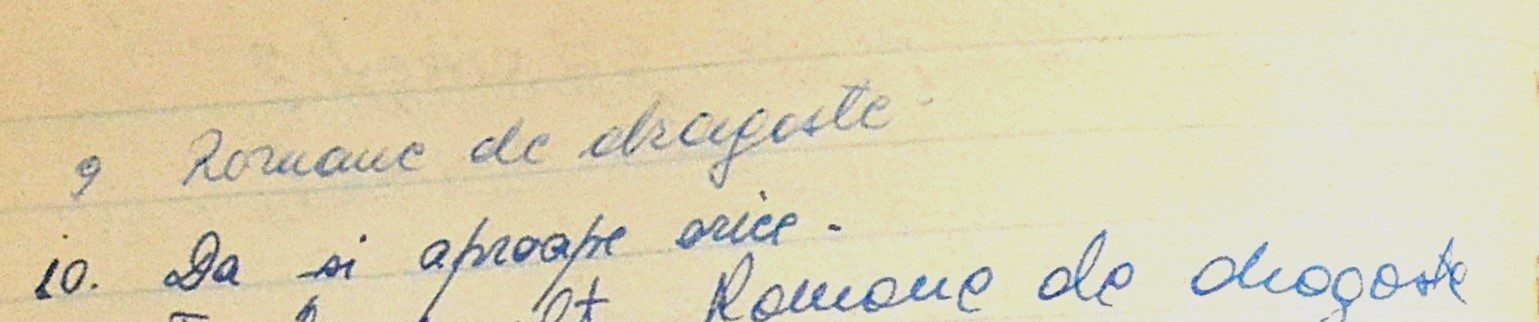
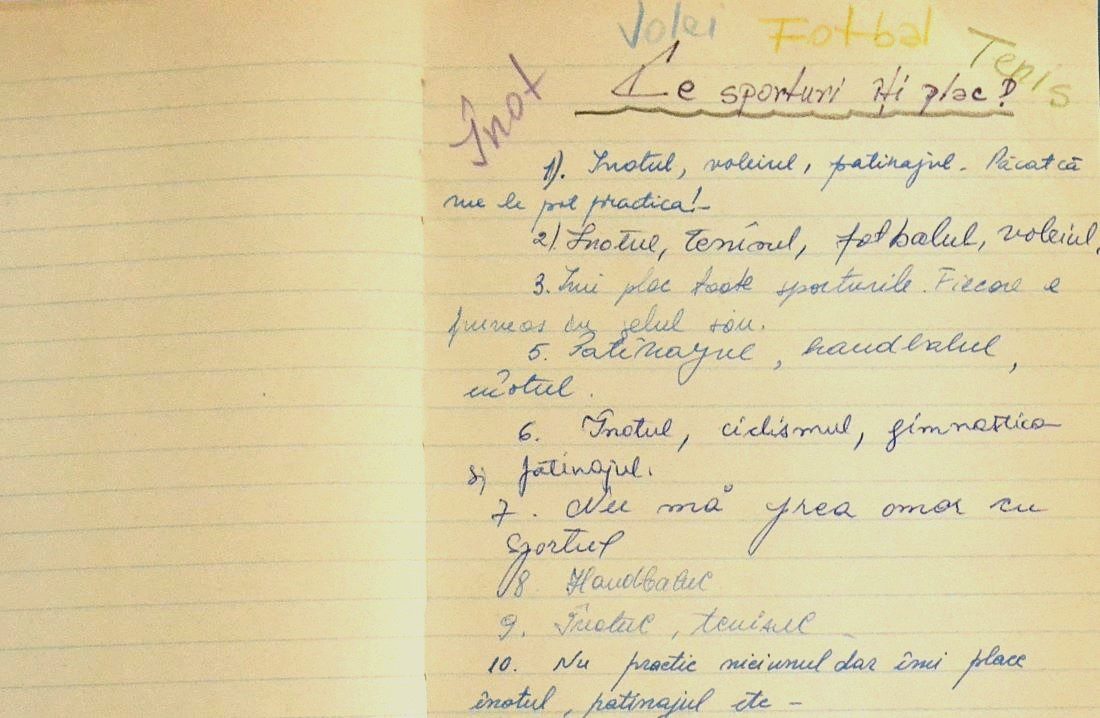
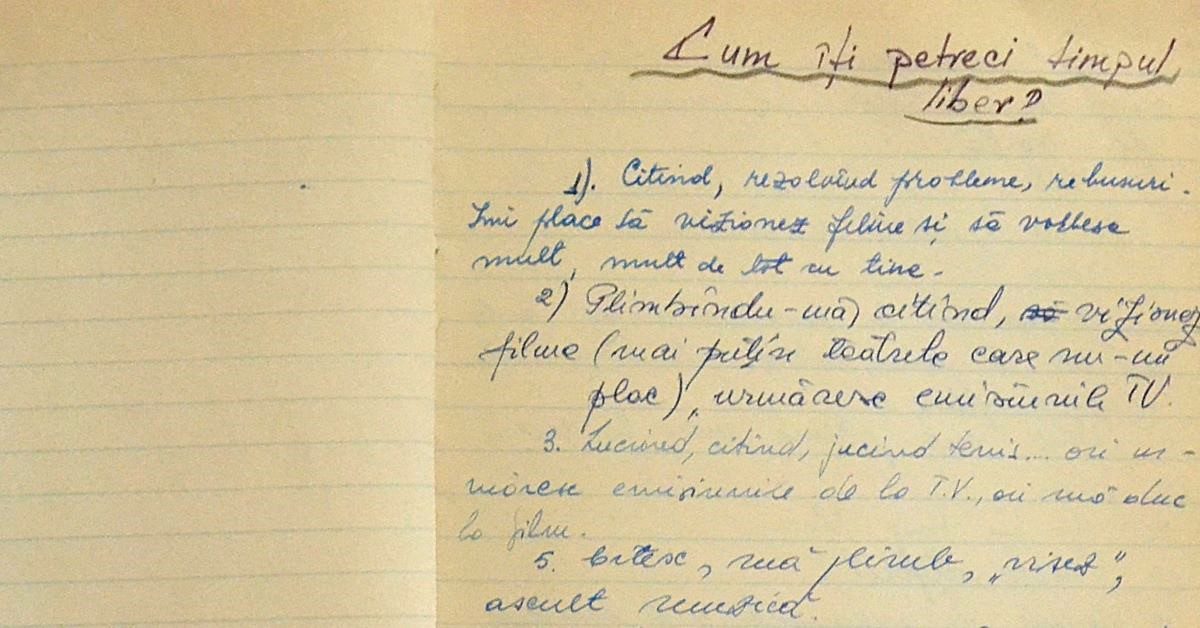
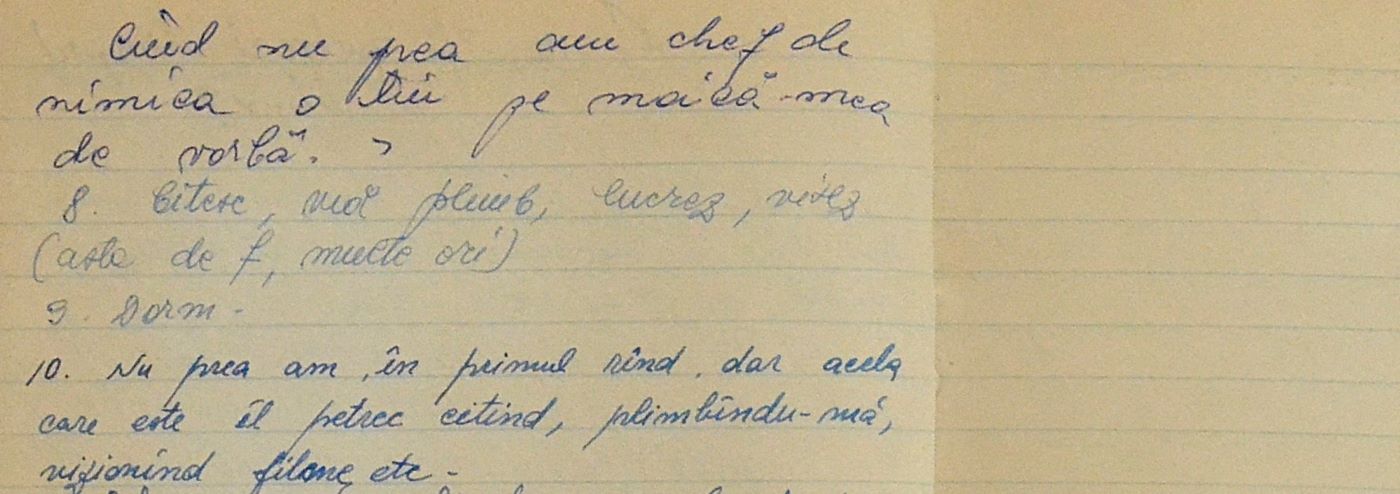
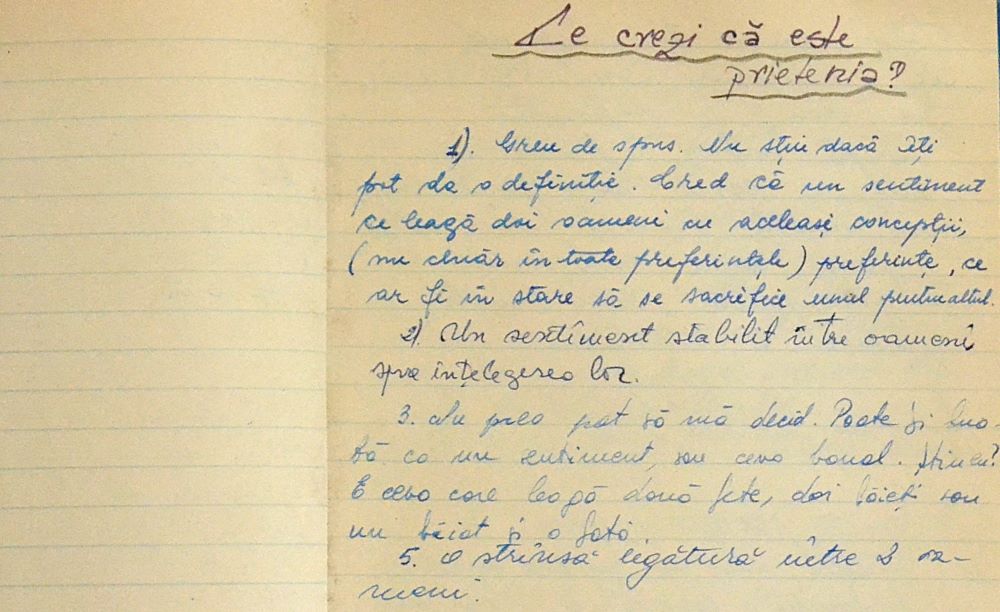
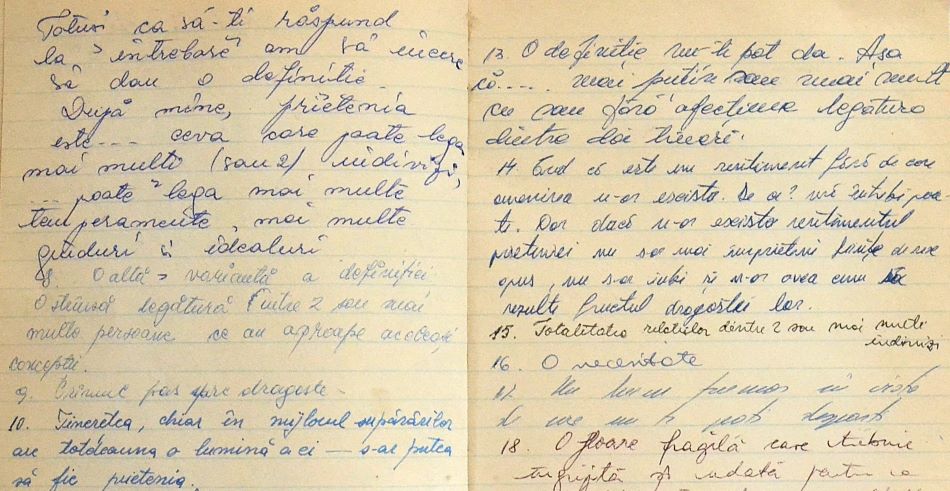
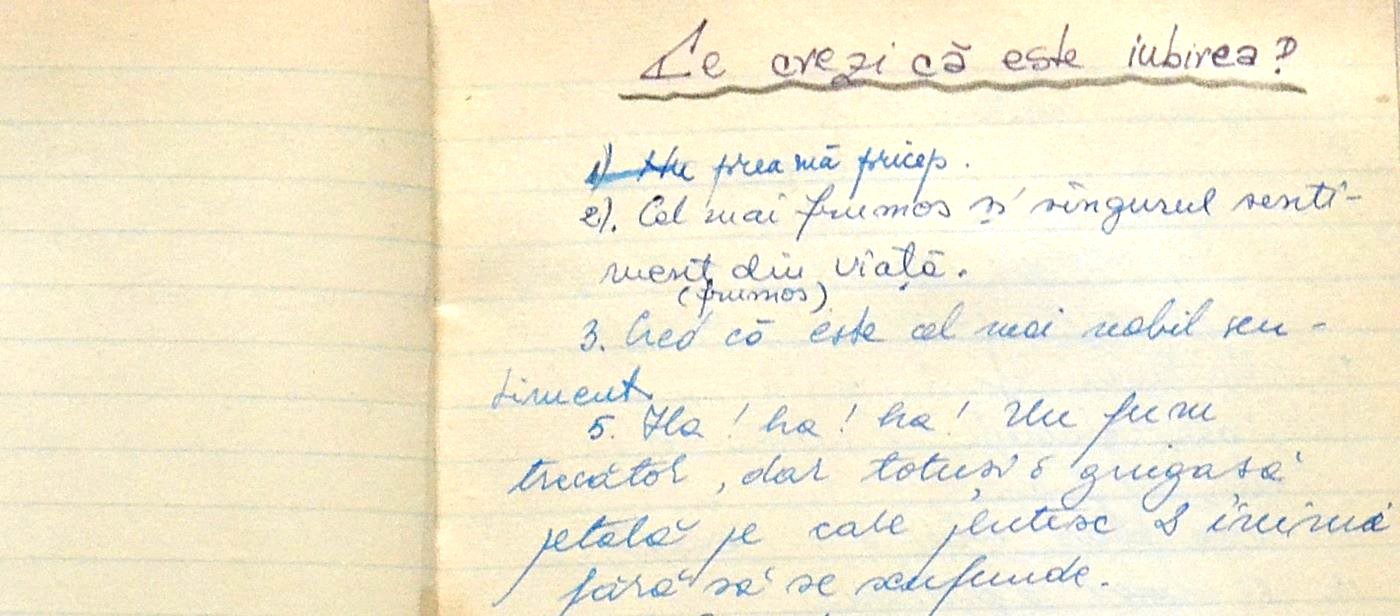
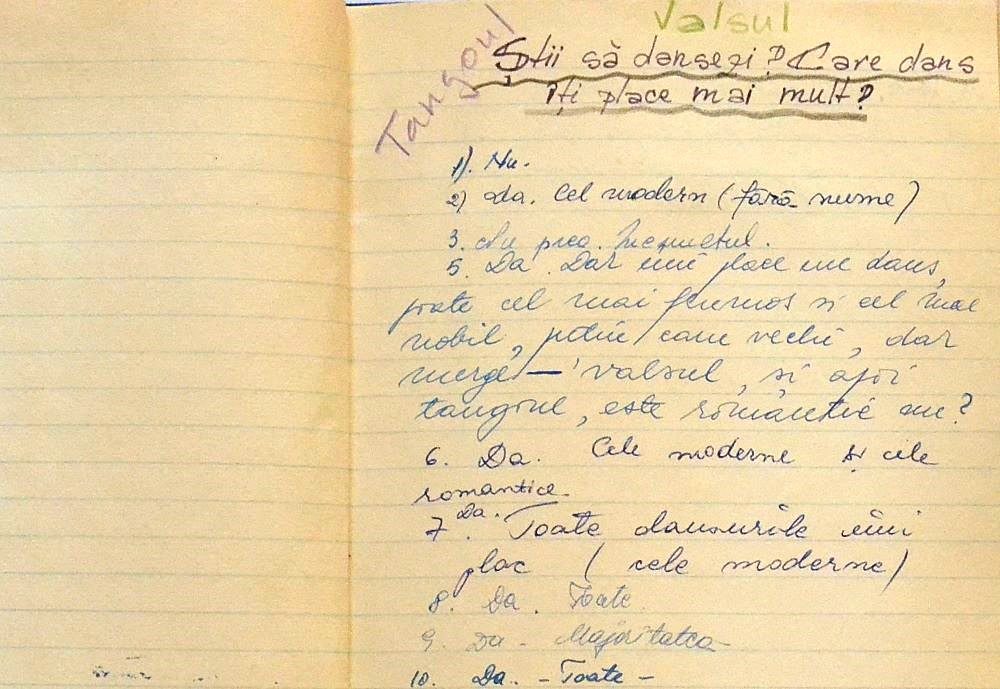
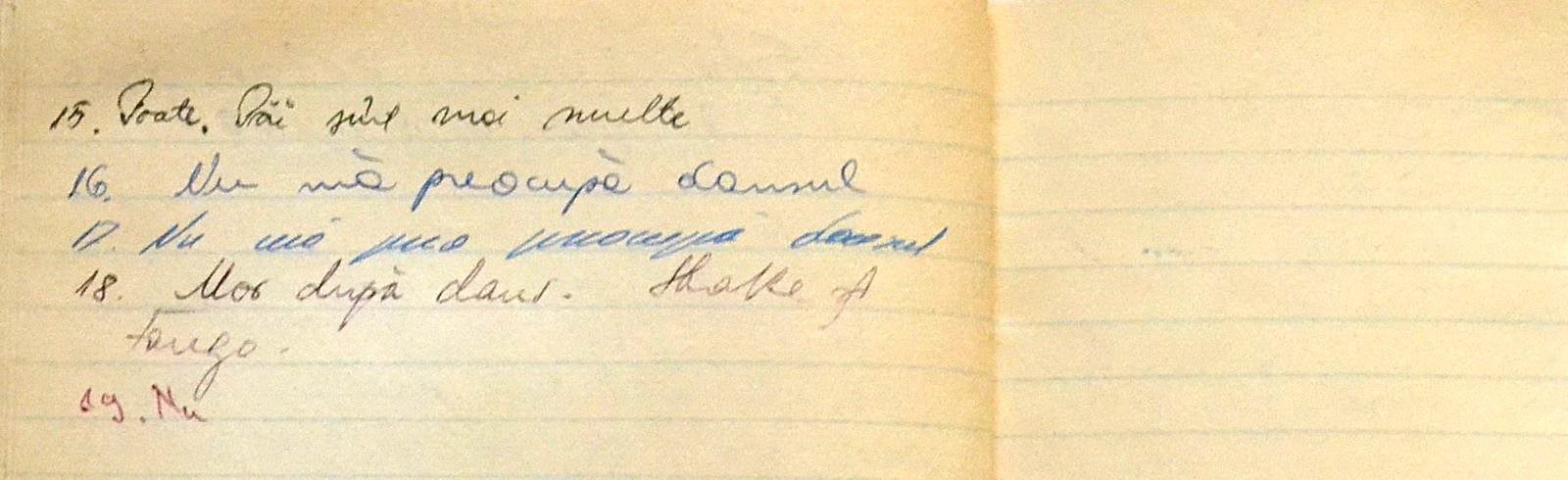
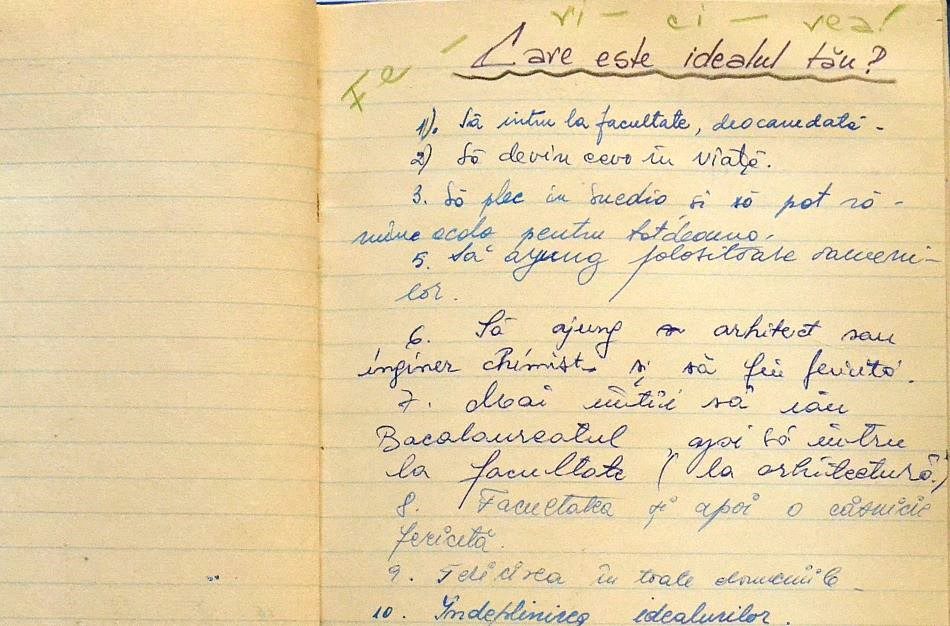
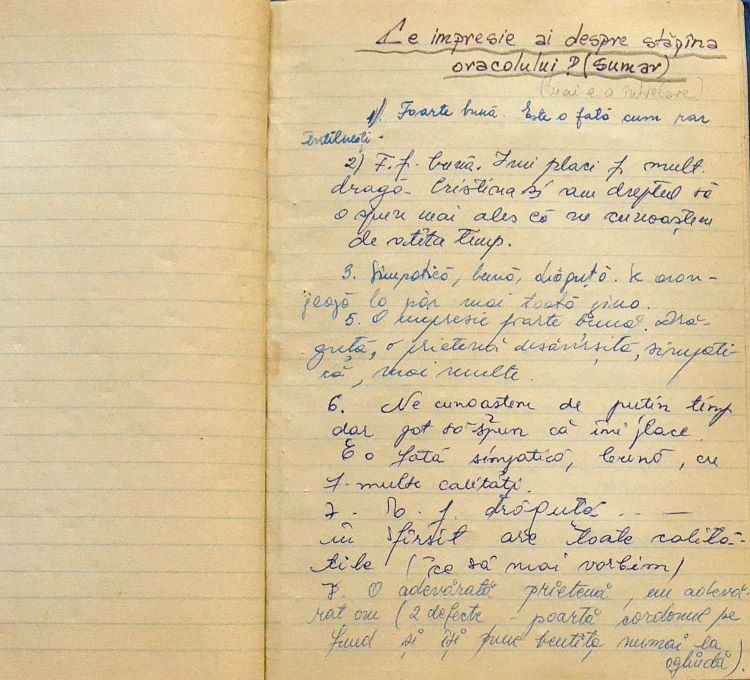
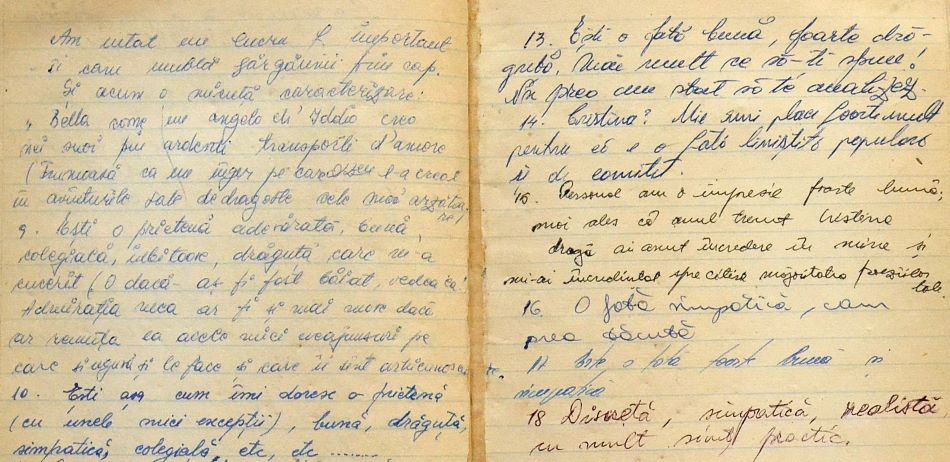
Before Instagram questionnaires, there was the oracol: a friendship album passed from classmate to classmate, each answering questions about love, friendship, books, music, ideals, and life. Think of it as social media, therapy, and teenage philosophy—but in ink, with better handwriting and fewer ads for protein powder.
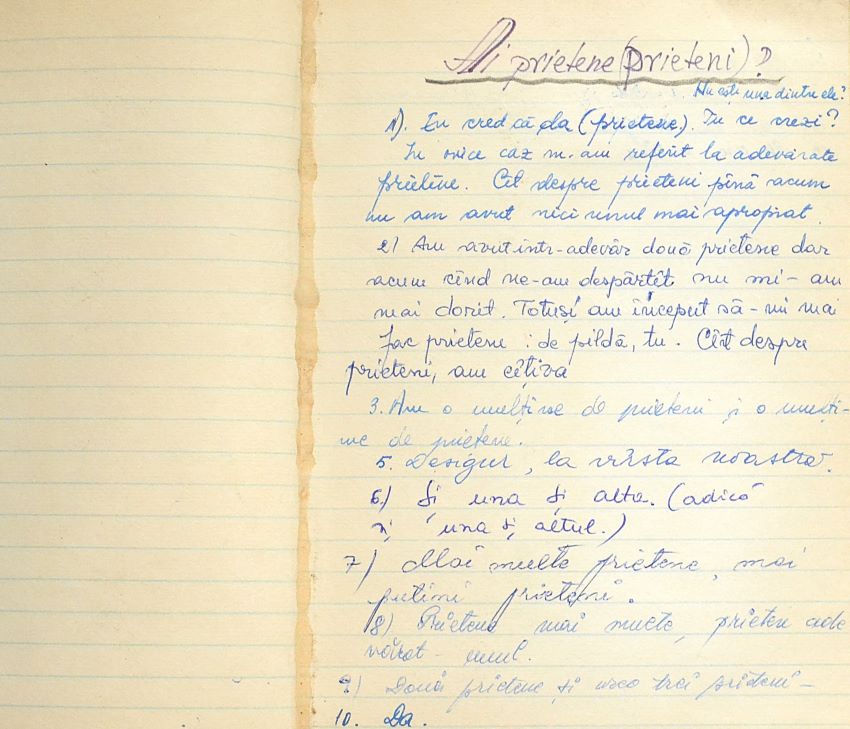
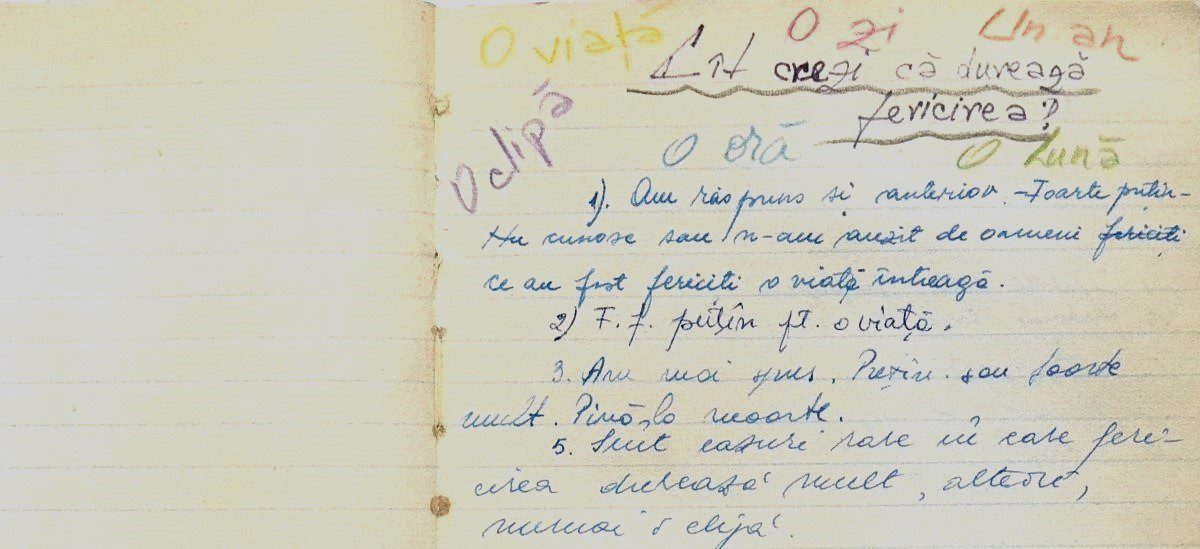
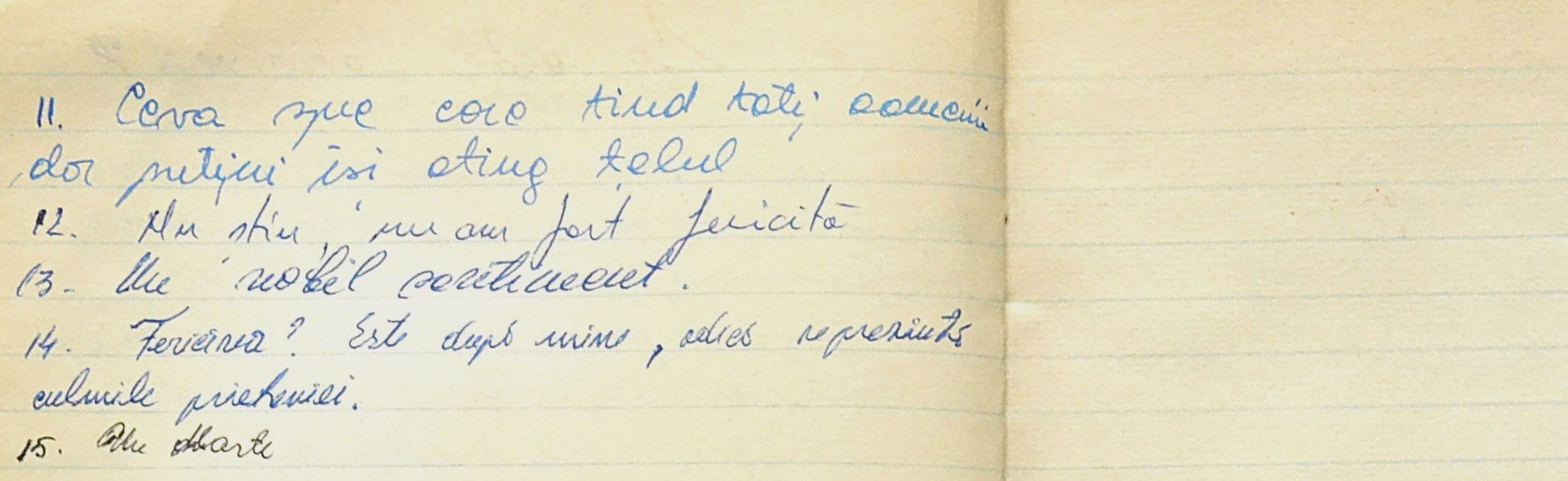
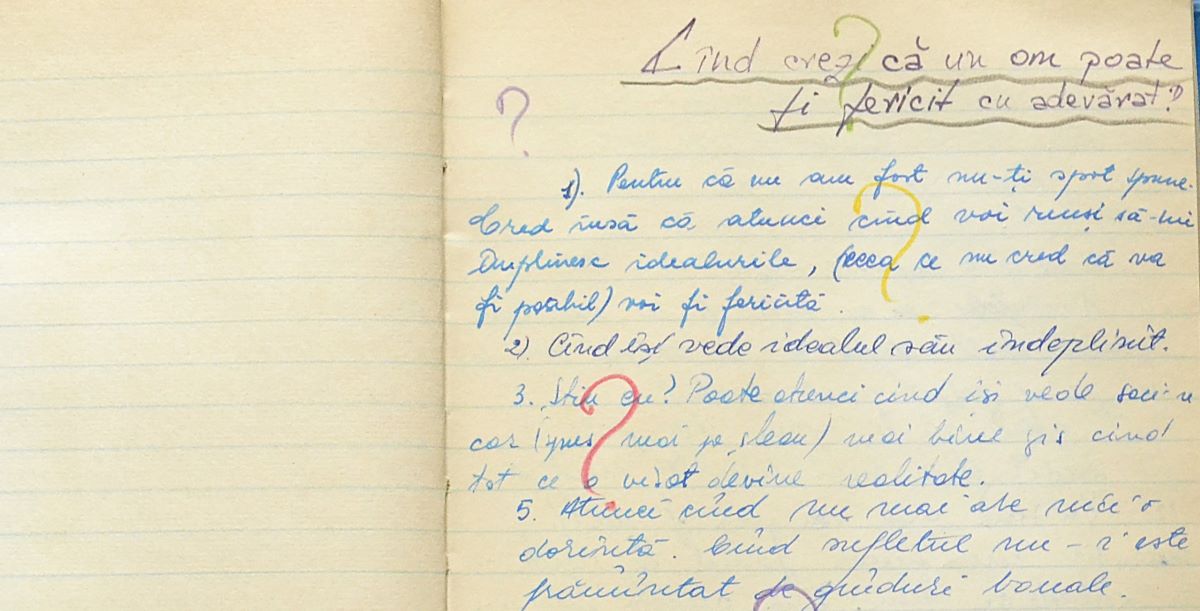
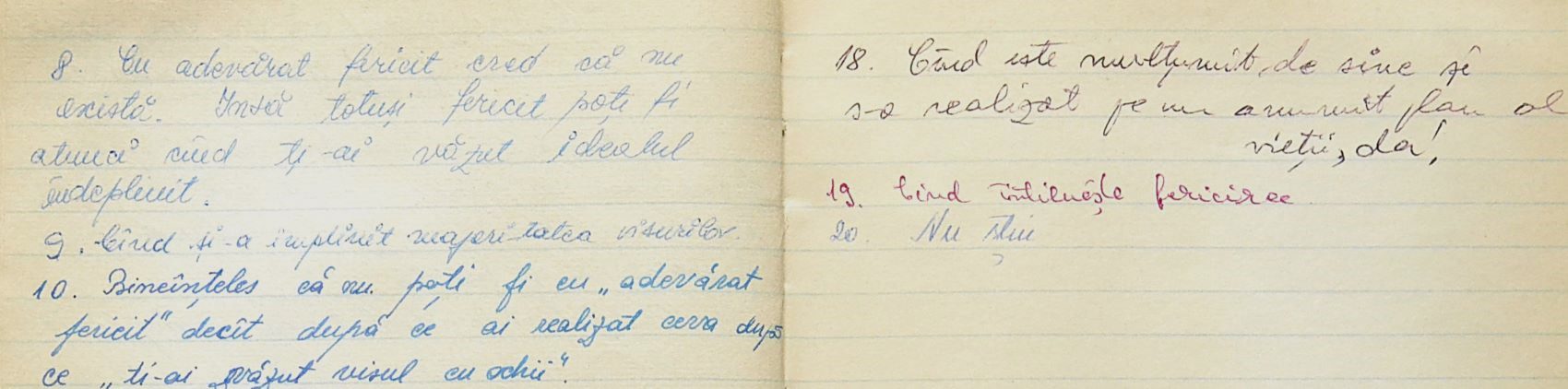
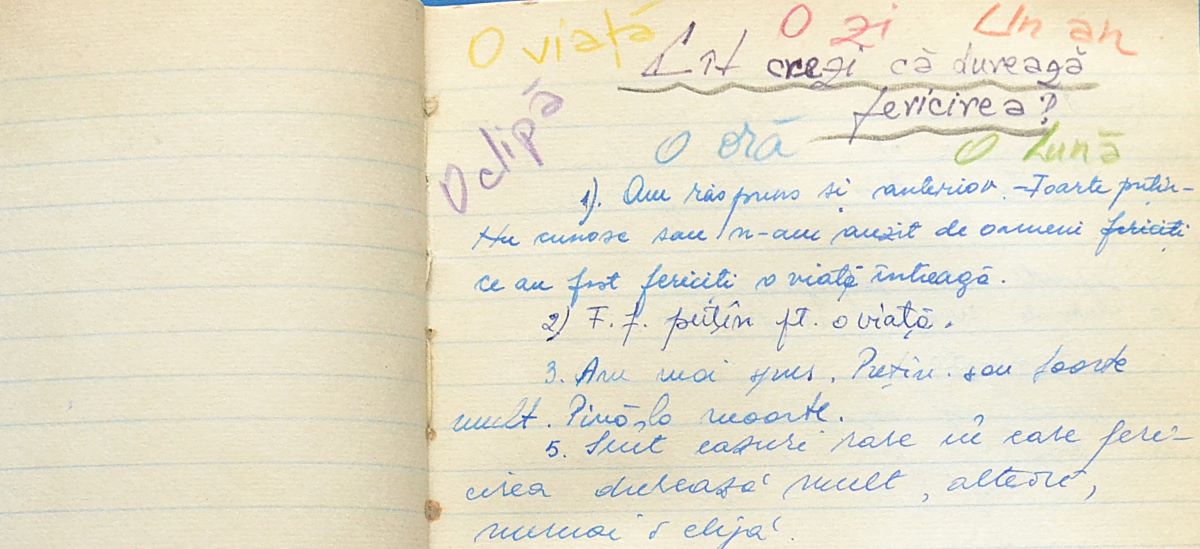
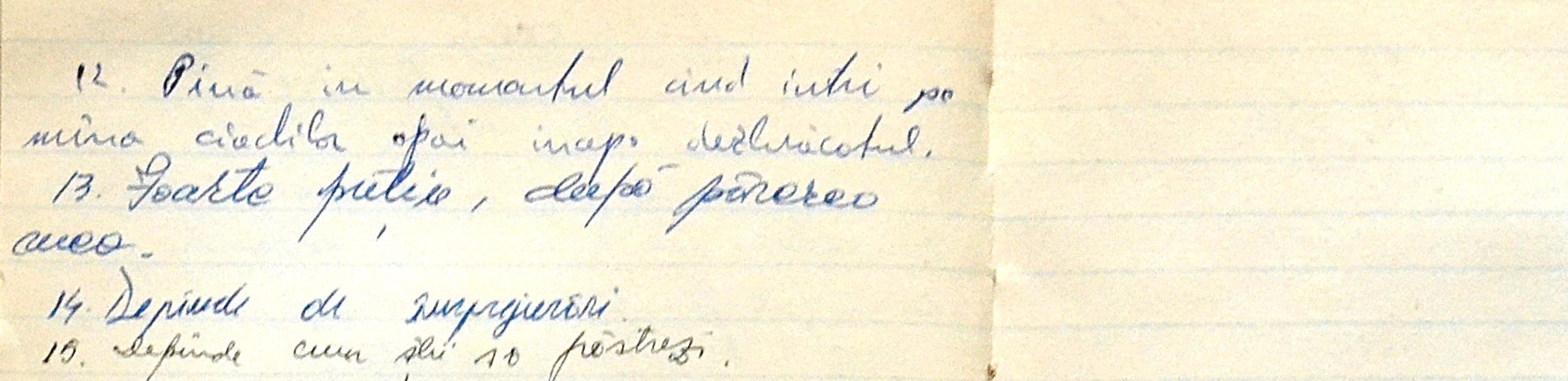
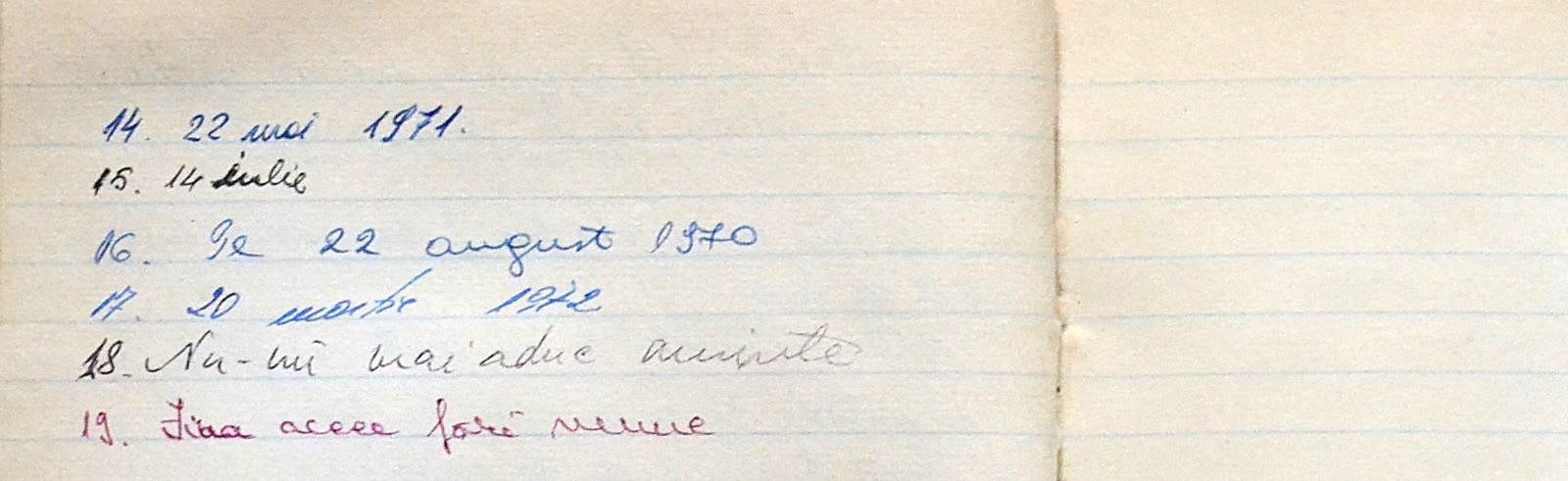
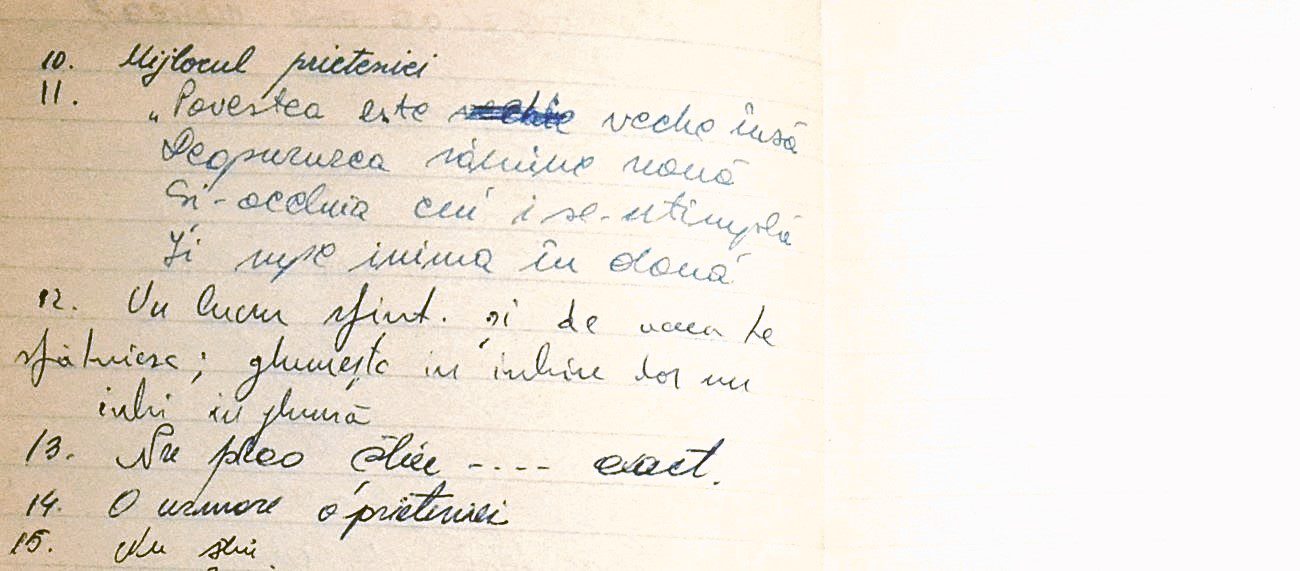
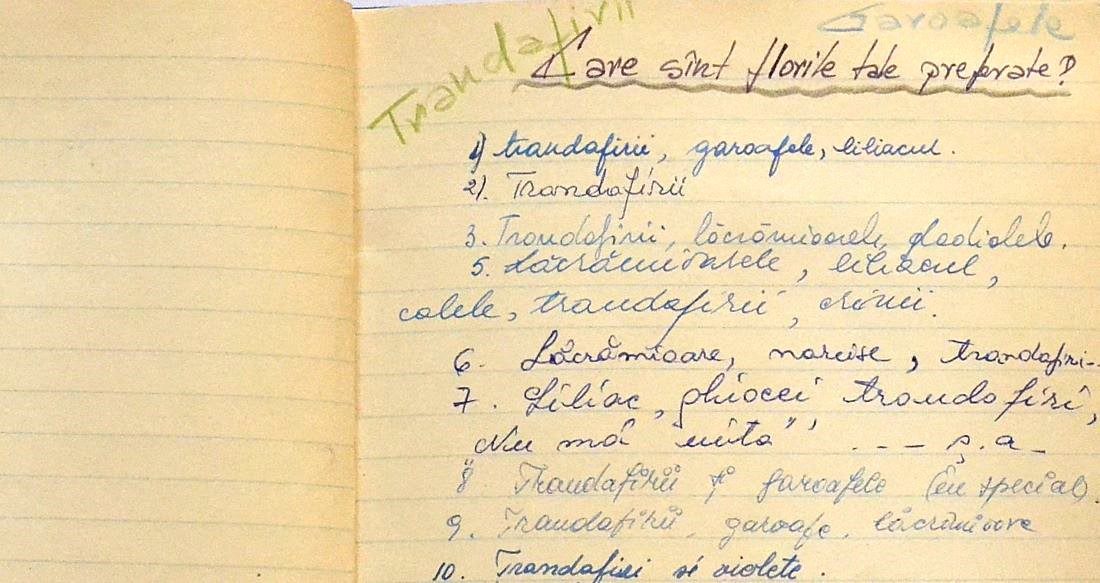
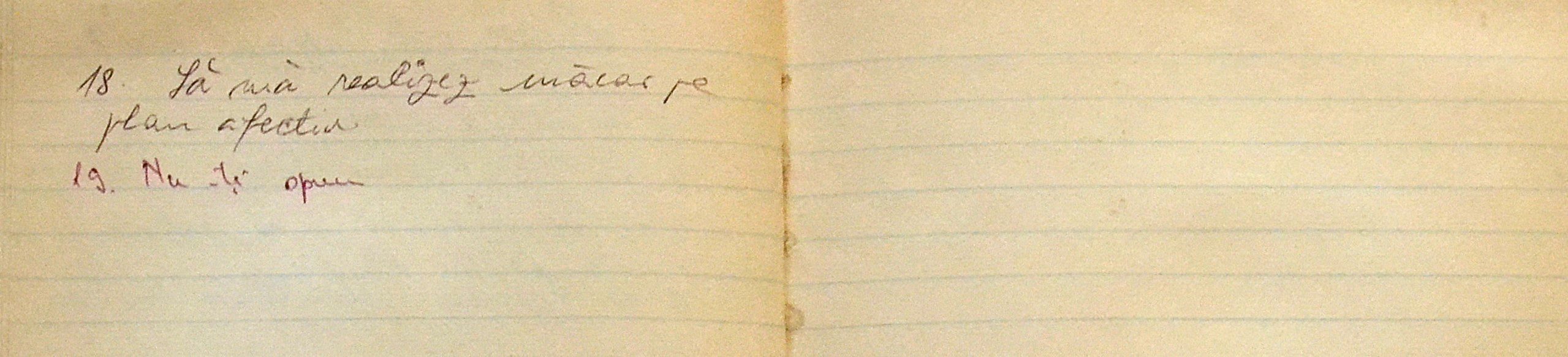
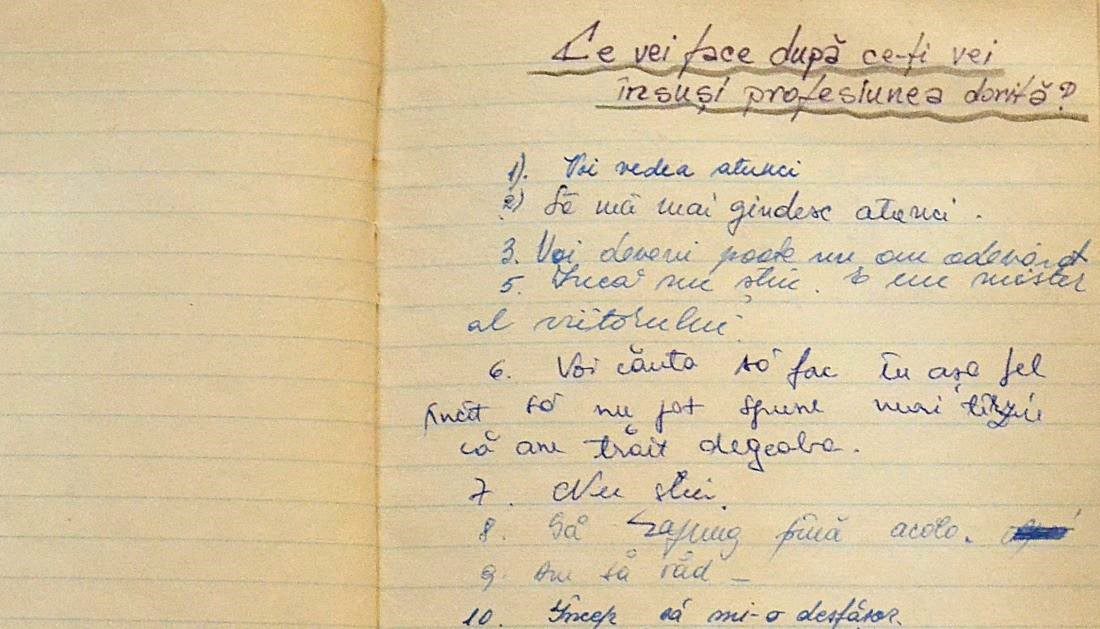
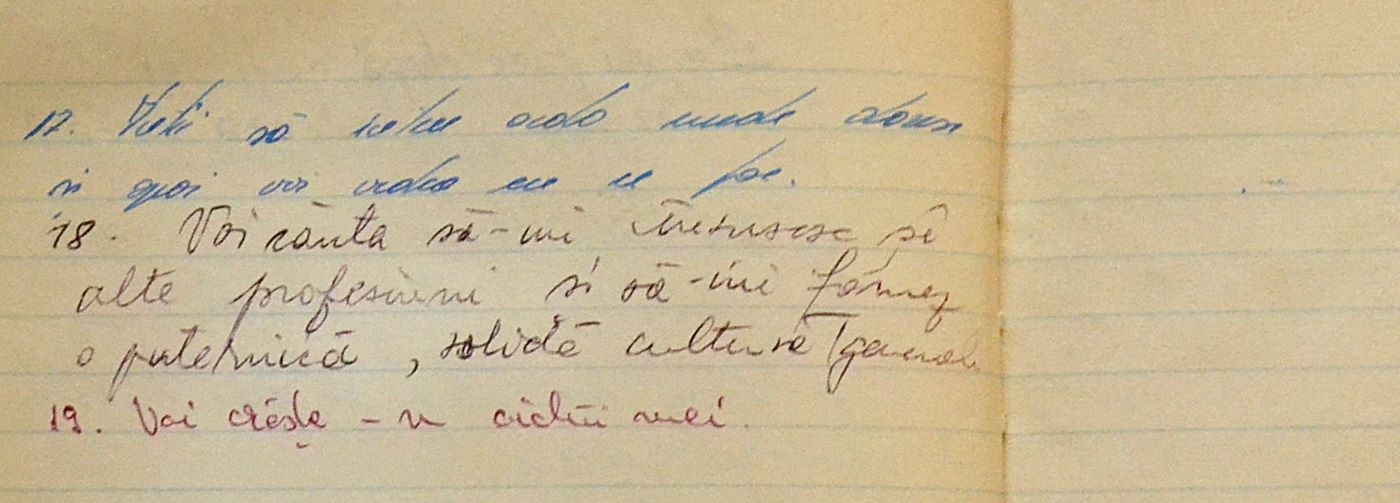
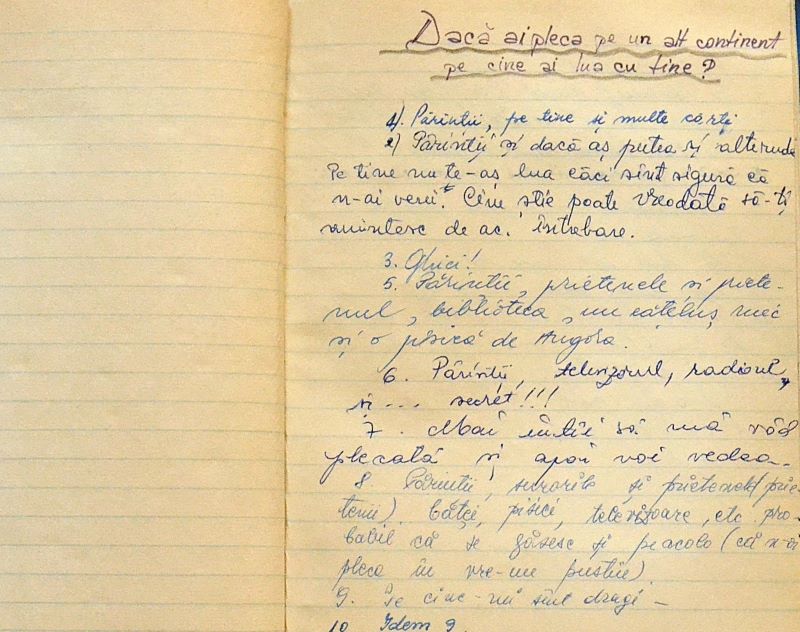
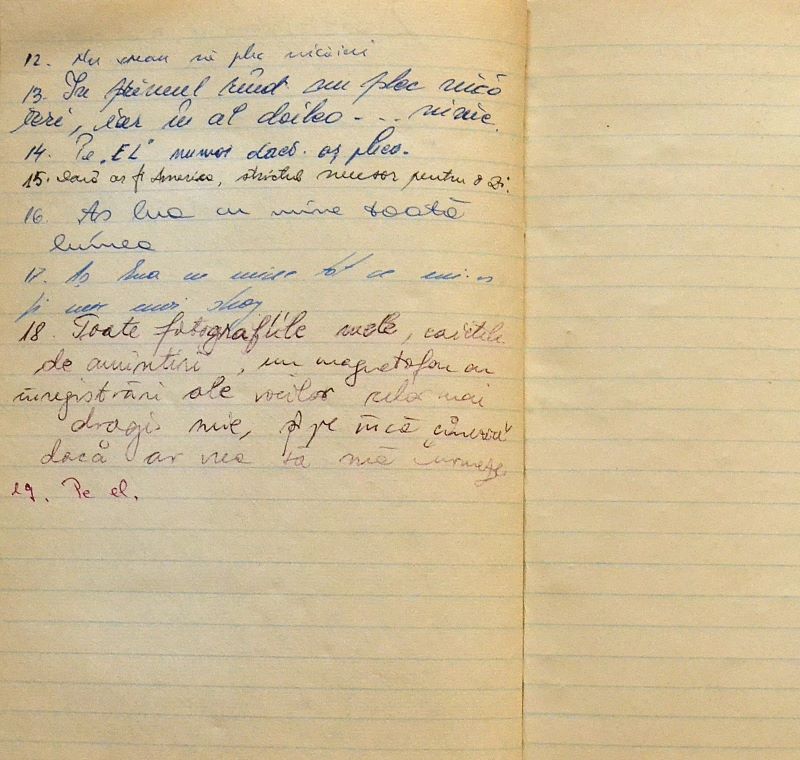
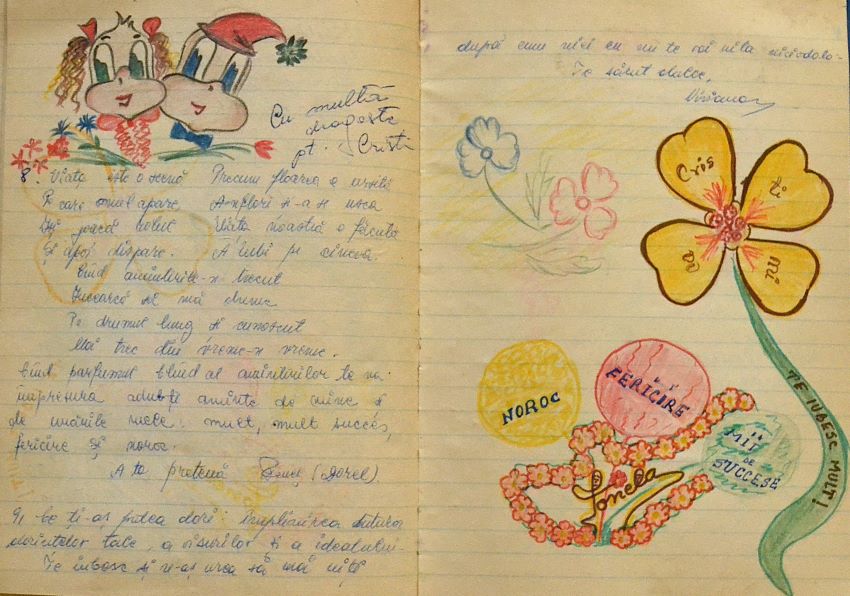
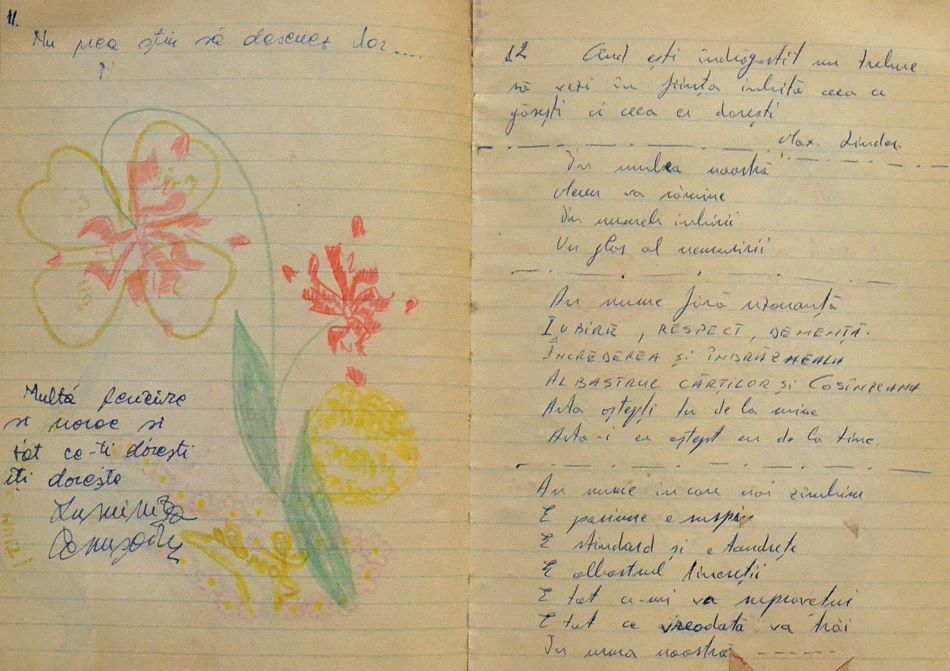
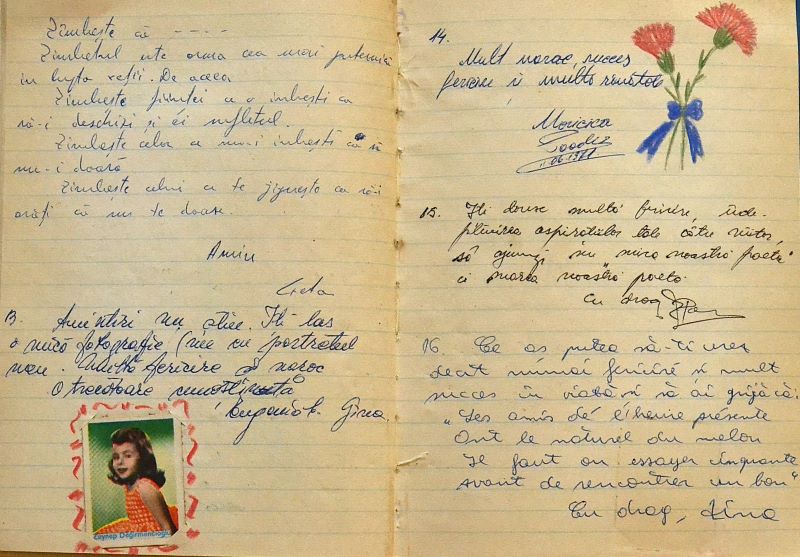
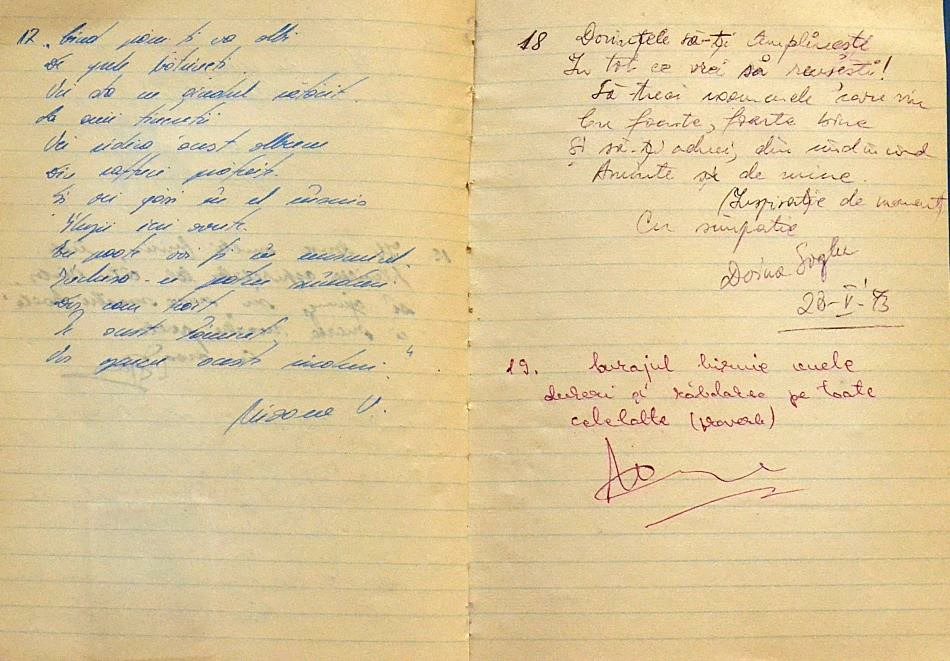
Romanian oracole became especially beloved in the communist decades, when private, handwritten culture had a special emotional weight. This example is a wonderful slice of that world: school-age voices, dated entries, favorite poets, music tastes, confessions, and beautifully naïve drawings.
Suggested gallery images:
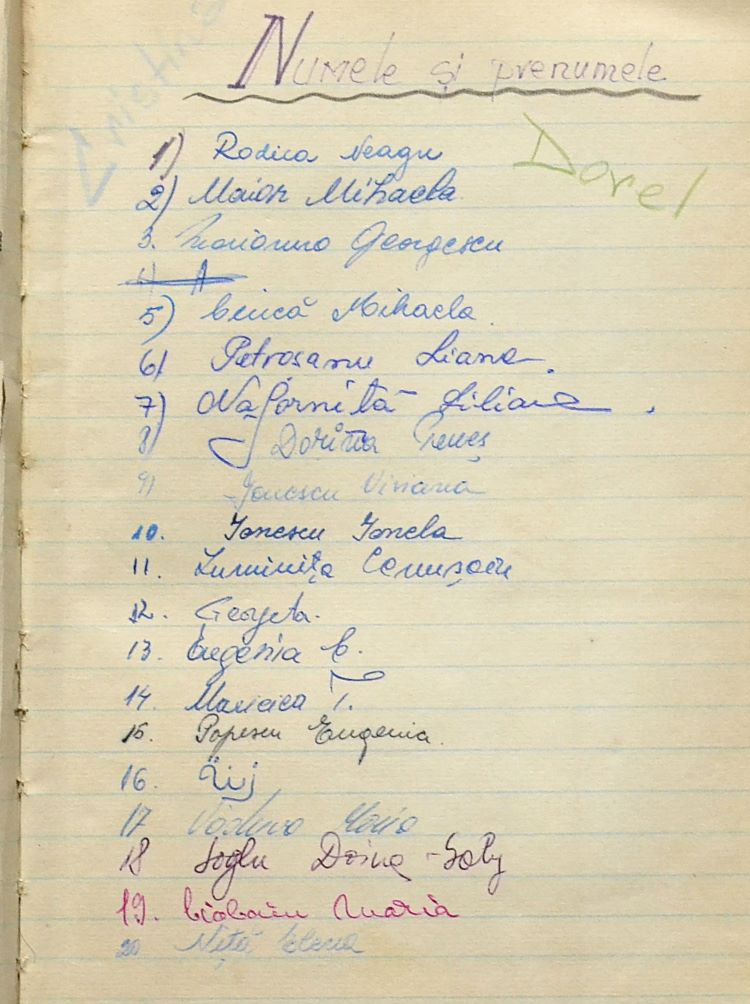
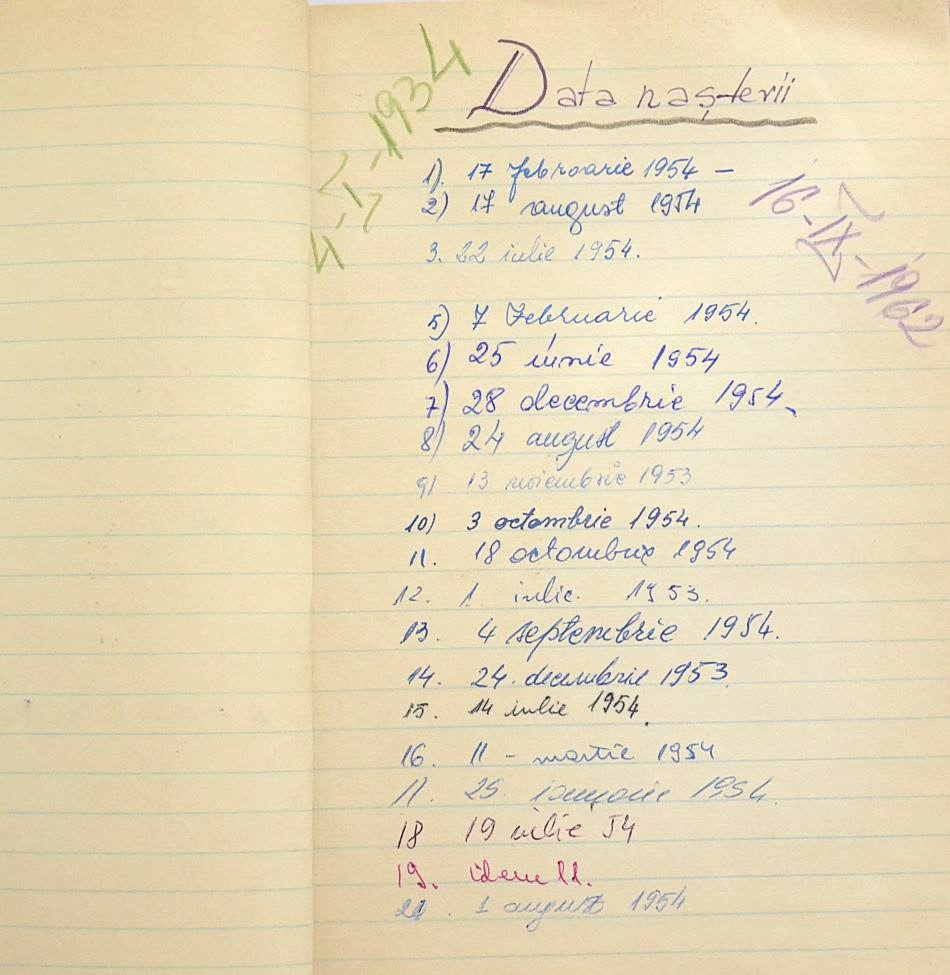
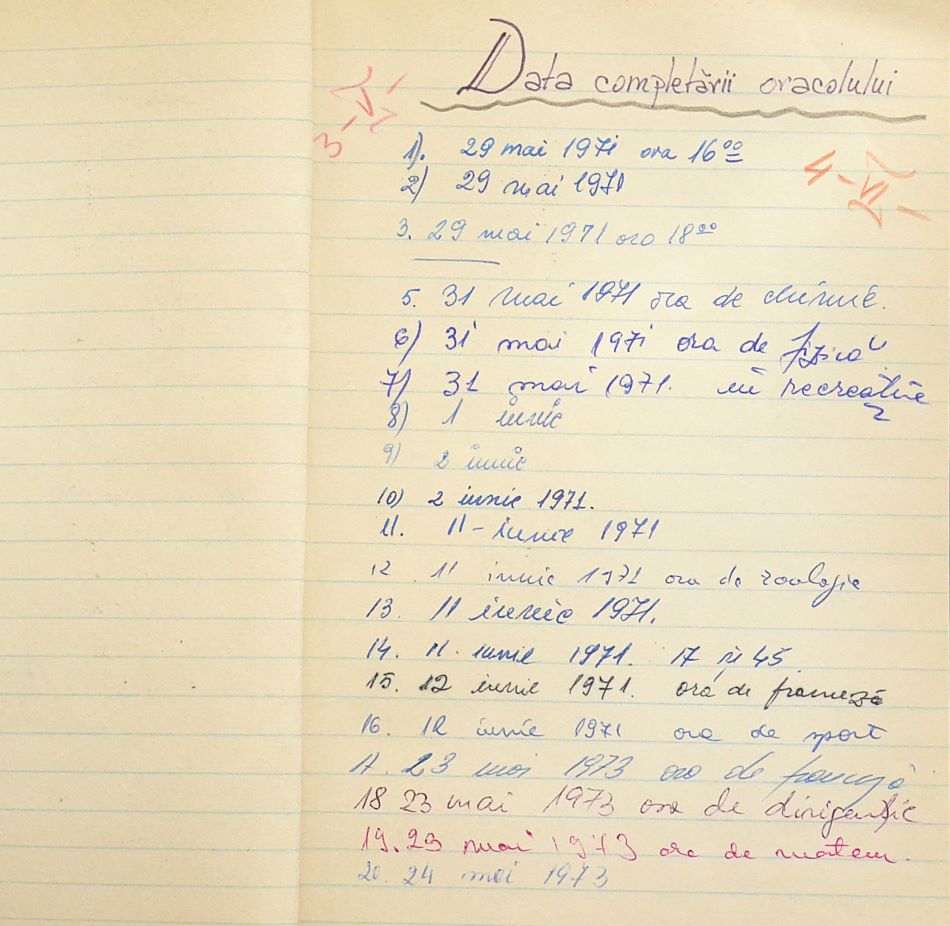
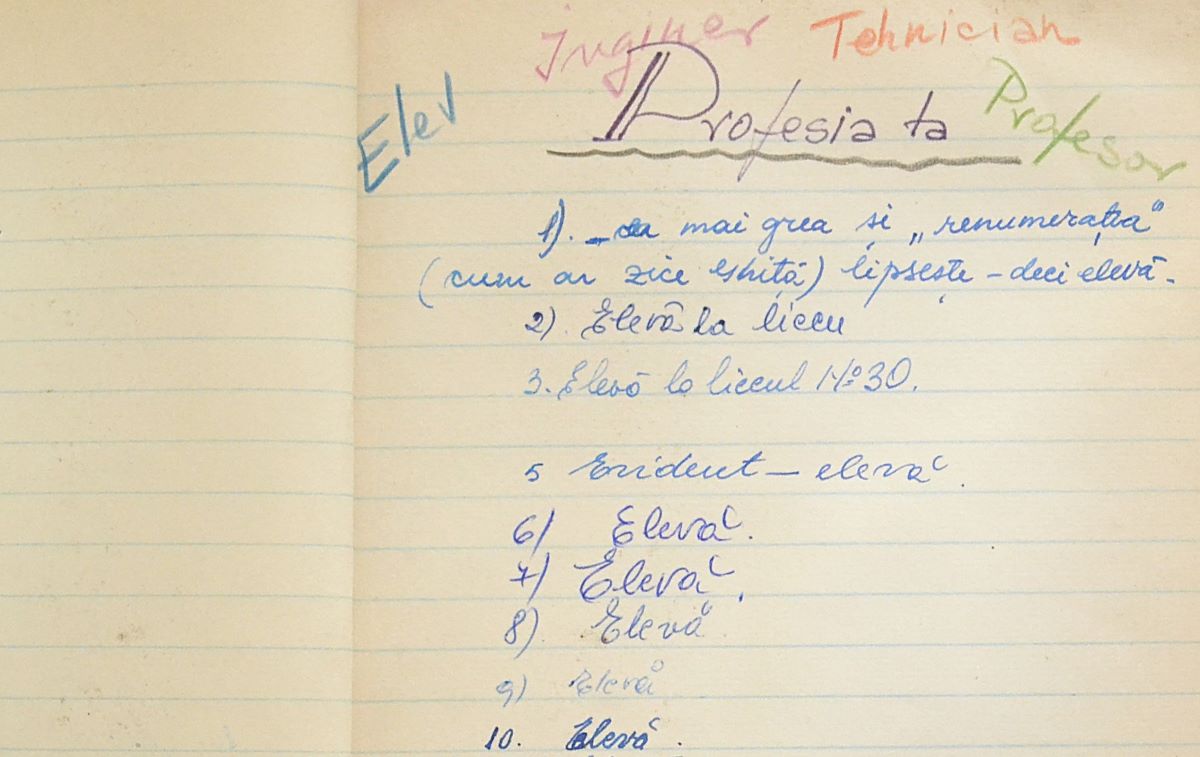
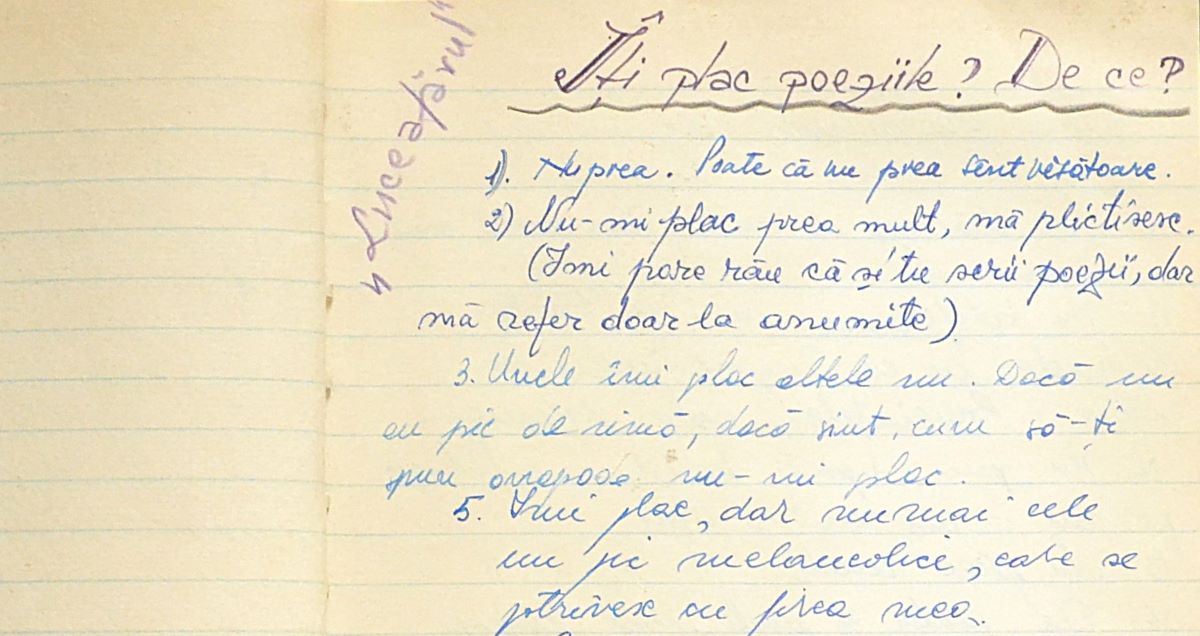
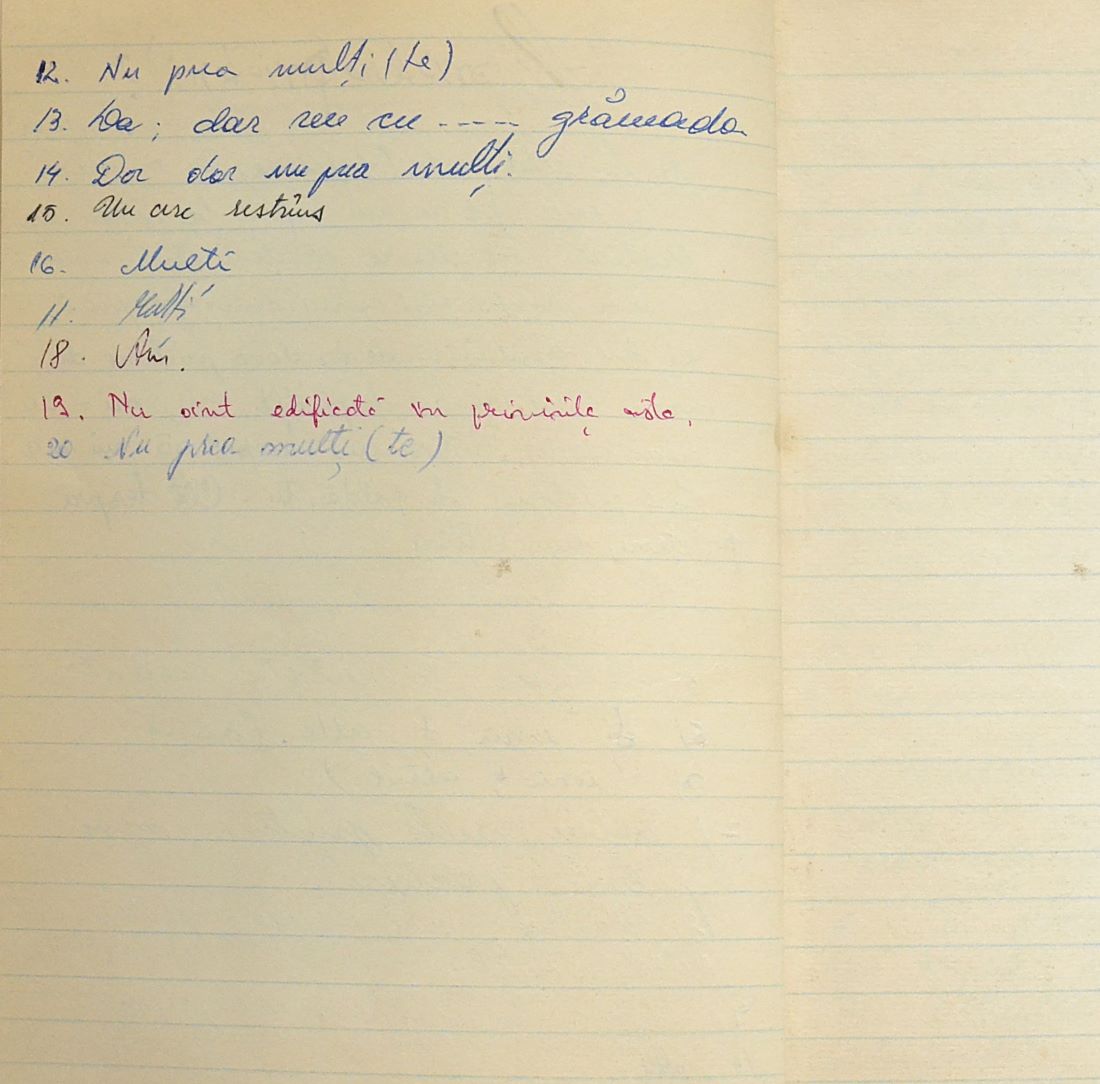
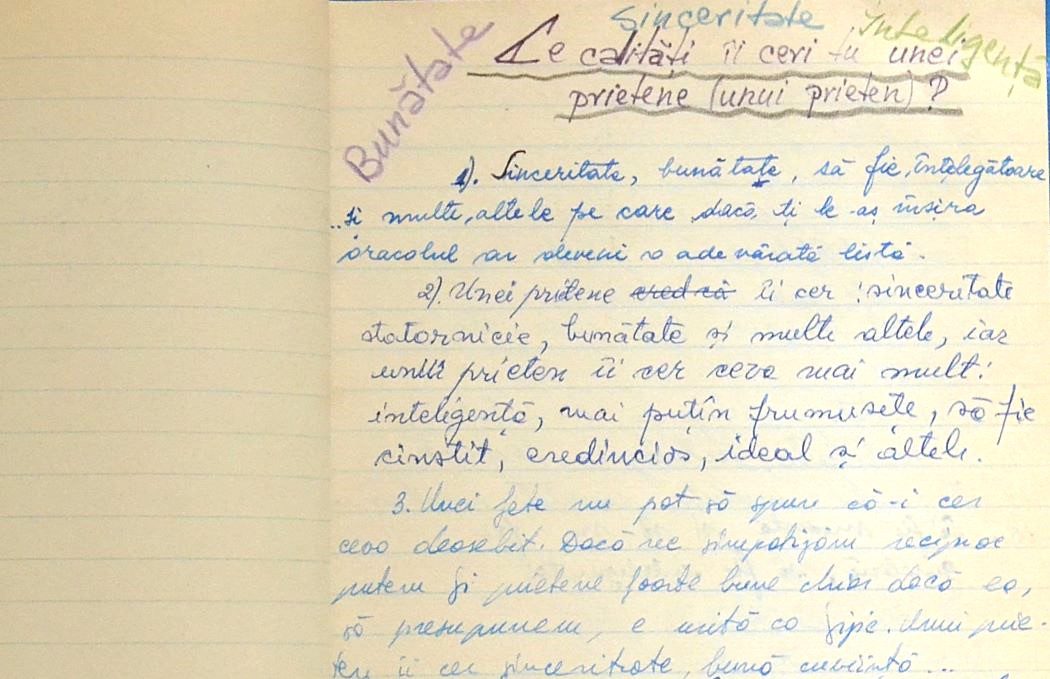
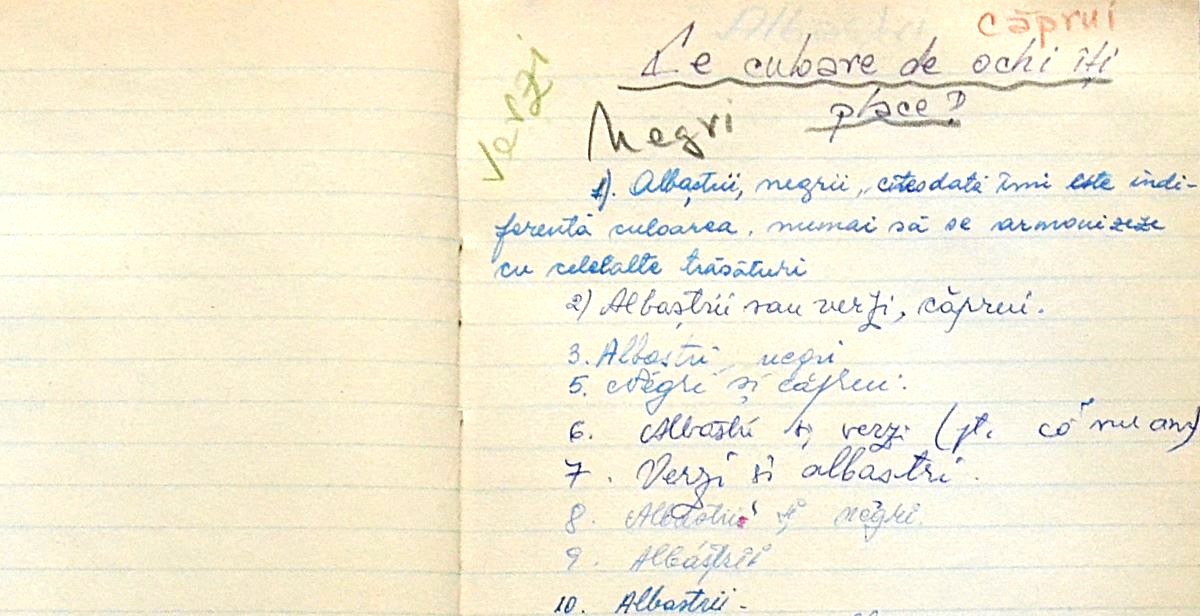
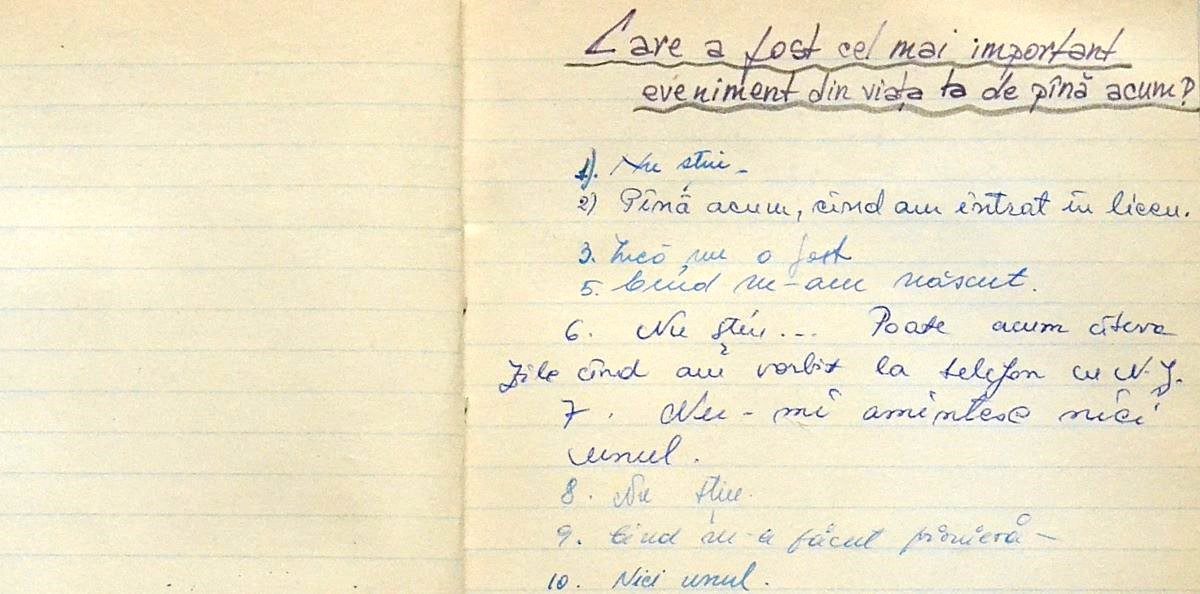
- Title page and early questionnaire pages.
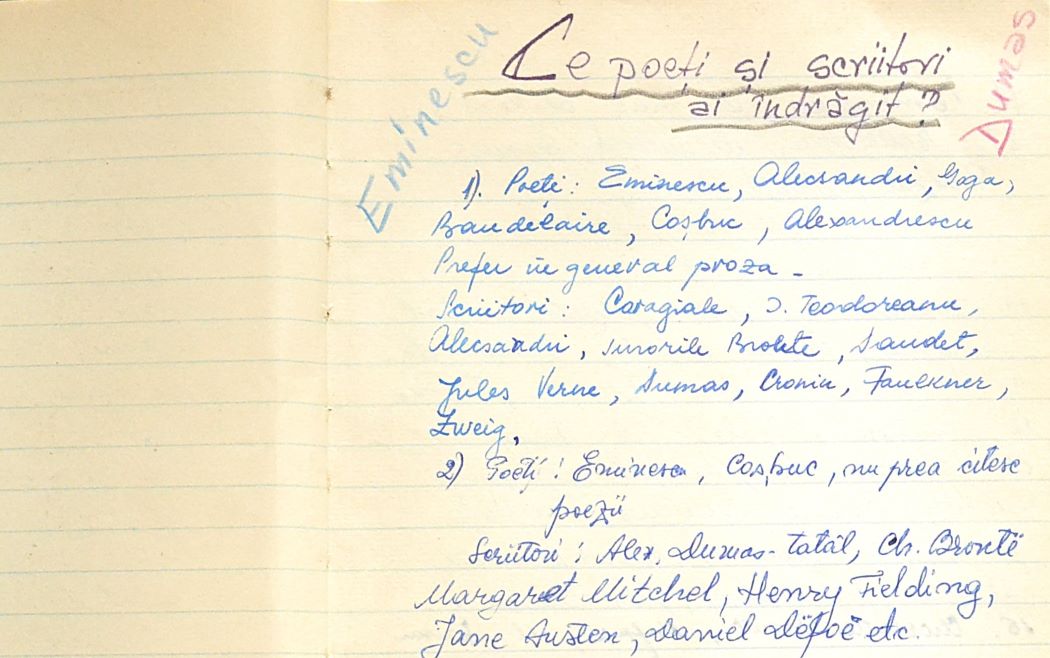
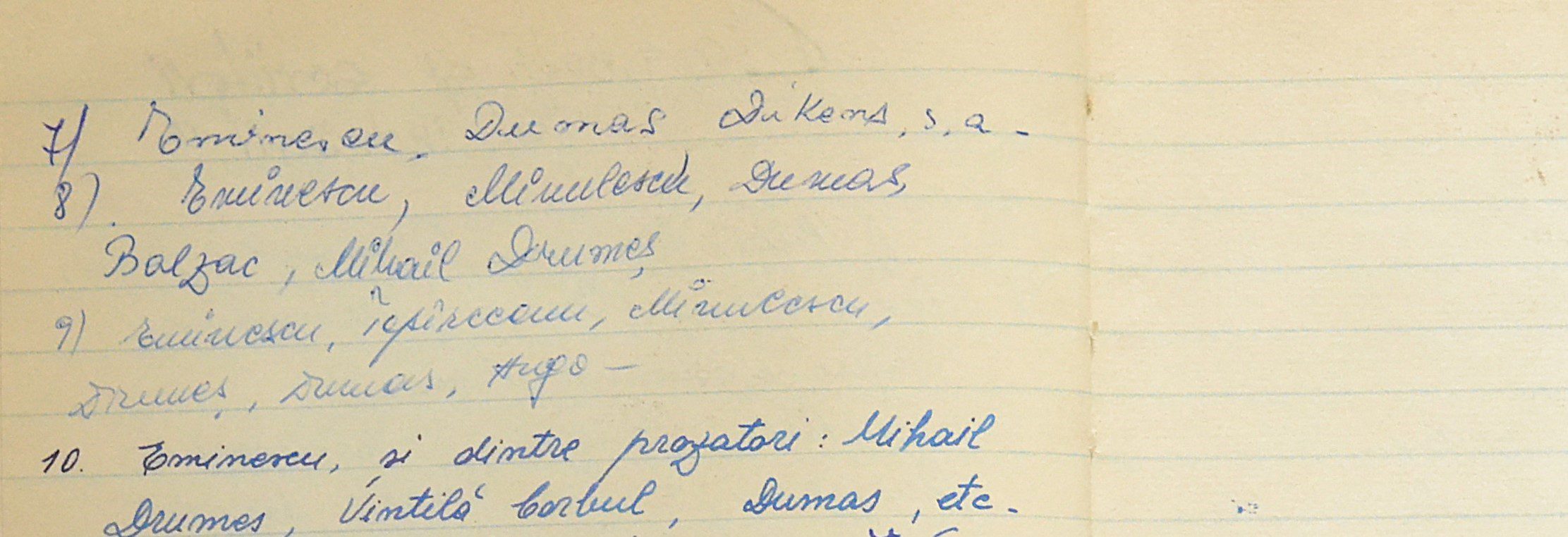
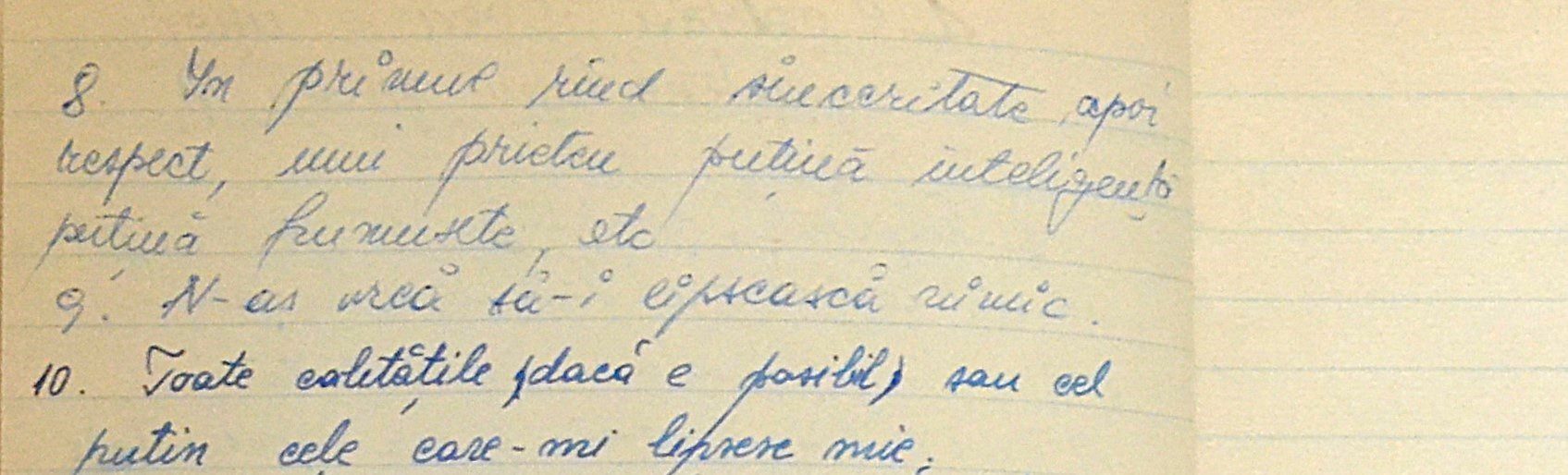
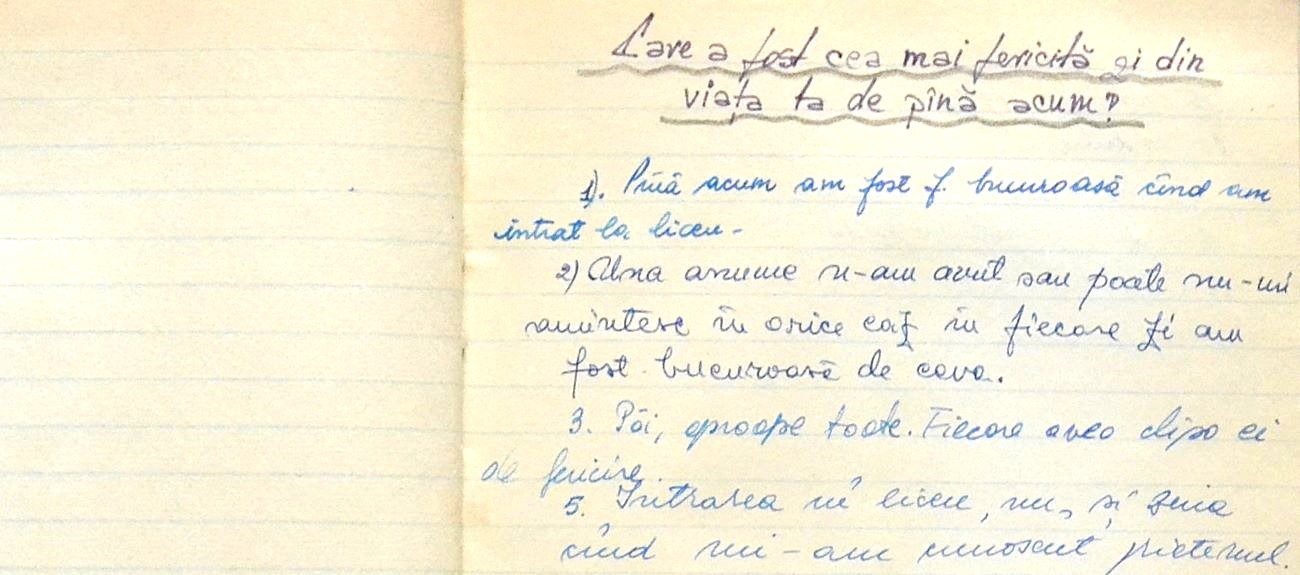
- Pages with favorite authors, music, friendship, and happiness.
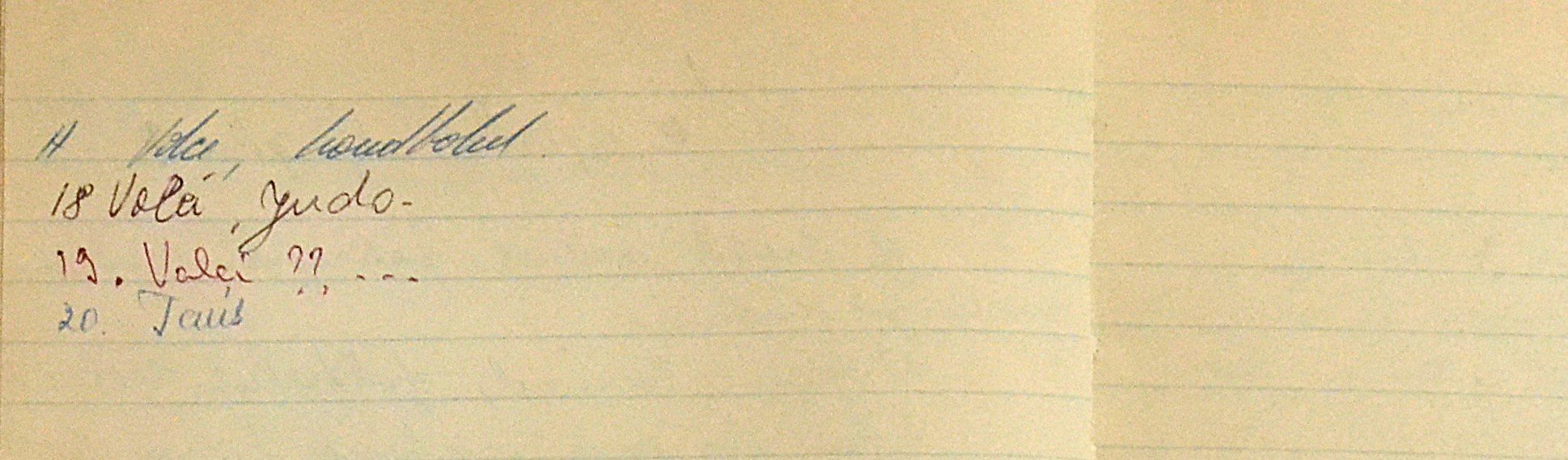
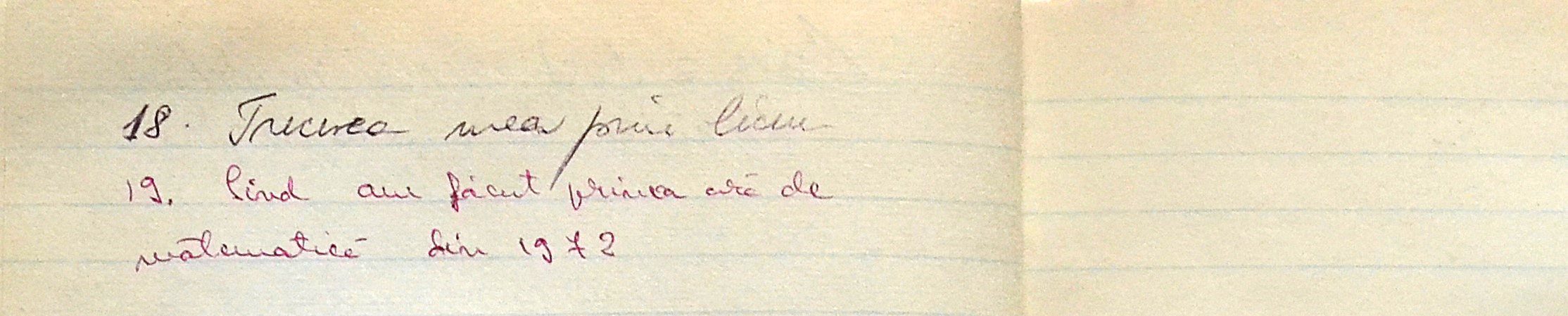
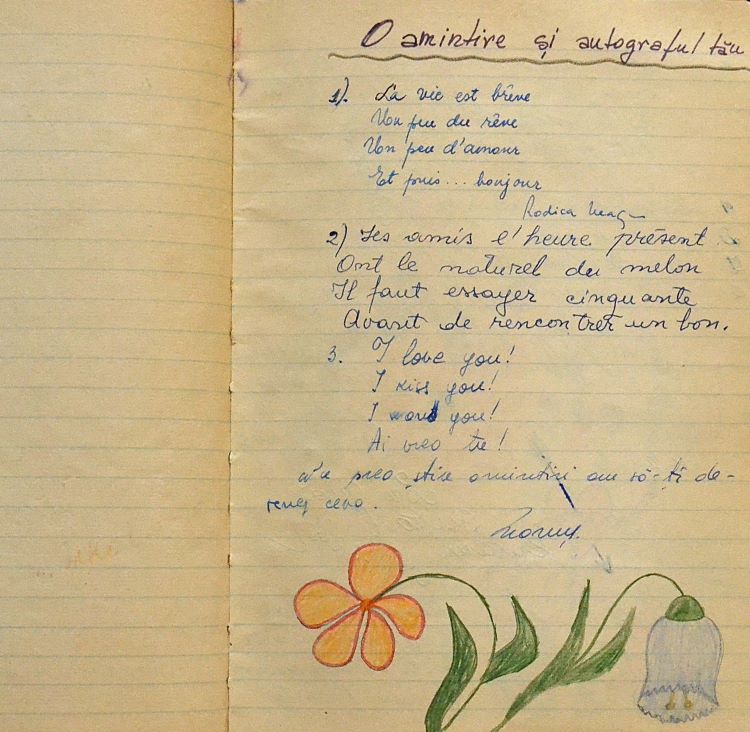
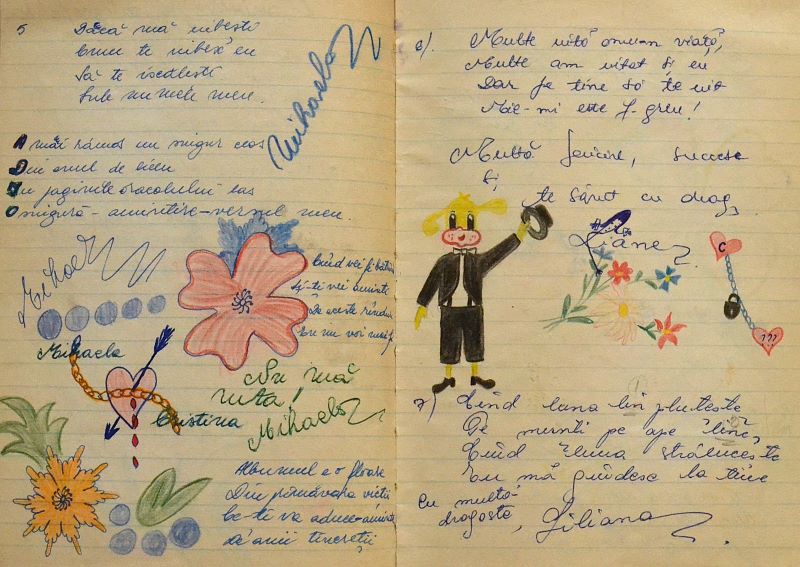
- Final autograph pages with drawings and floral decorations.
Caption: This is not just paper. It is a chorus of young voices from 1970s Romania.
Why This Example Is Rare
Here’s the important part: the market is not flooded with pieces like this. In fact, it’s the opposite.
This journal stands out because it has:
- Early 1970s dating — a strong period for collectors of Romanian social ephemera.
- Substantial handwritten content — many filled pages, not a half-empty notebook abandoned after page three.
- Illustrated autograph pages — always a value booster.
- Authentic period wear — enough to prove age, not enough to ruin appeal.
- A complete emotional arc — from formal questionnaire entries to warm farewell messages.
AbeBooks tends to reward manuscript and social-history material with higher asking prices when the content is dense and visually attractive. eBay often reflects broader collector demand and nostalgia-driven bidding. Okazii.ro shows local Romanian appetite, especially for school memorabilia and communist-era ephemera.
In short, this is not rare because it is old alone; it is rare because it is old, personal, intact, and impossible to duplicate.
Price Evolution in the Last 20 Years
Important note: the figures below are indicative market bands based on typical listing and sale patterns in comparable categories on eBay, AbeBooks, and Okazii.ro, not a formal index. Unique manuscripts vary widely.
| Period |
eBay |
AbeBooks |
Okazii.ro |
| 2004–2008 |
€15–40 |
€40–90 |
20–60 lei |
| 2009–2014 |
€25–70 |
€60–140 |
40–120 lei |
| 2015–2019 |
€45–120 |
€90–220 |
80–250 lei |
| 2020–2024 |
€80–180+ |
€120–300+ |
150–500 lei |
For a particularly complete, attractive, and illustrated Romanian oracle from the early 1970s, a realistic collector-facing valuation today can often sit above the generic category average.
Why prices went up
- Nostalgia became collectible.
- Ephemera is hotter than it used to be. Collectors increasingly want objects that show ordinary life, not just famous names.
- Romanian material remains scarce internationally.
- Handwritten, one-of-one items resist mass supply.
Translation: while ordinary old notebooks may remain cheap, good oracles have moved from “cute curiosity” to “serious collectible.”
Why This Journal Is Worth Investing In
Let’s talk money, since the market certainly does.
1. It’s a one-off asset
A printed book can appear again. This cannot. There is only one original.
2. It sits in multiple collectible niches
It appeals to buyers of:
- Romanian memorabilia,
- communist-era ephemera,
- autograph albums,
- manuscript material,
- women’s social history,
- school nostalgia,
- folk graphic charm.
That crossover demand matters for price.
3. It has visual selling power
Those handwritten pages and illustrated dedications are not just charming—they are commercially useful. Collectibles that photograph well tend to attract more attention and stronger prices.
4. It has storytelling value
Collectors do not only buy paper. They buy a story. And this journal tells a beautiful one: youth, friendship, aspiration, humor, innocence, and the little philosophical storms of adolescence.
5. Supply is tiny
Each year, more such pieces are lost, thrown away, damaged, or kept in family hands. Scarcity naturally supports value.
The Bottom Line
If you want a collectible that is emotionally rich, culturally meaningful, visually charming, and increasingly scarce, this Romanian oracol is a smart buy. It is not merely an old notebook. It is a handmade social archive from 1970s Romania—and the market has become noticeably more willing to pay for exactly that kind of authenticity.
Or, to put it less academically: it’s adorable, historically important, and getting more expensive. A very persuasive trio.






Reviews
There are no reviews yet.
Only logged in customers who have purchased this product may leave a review.