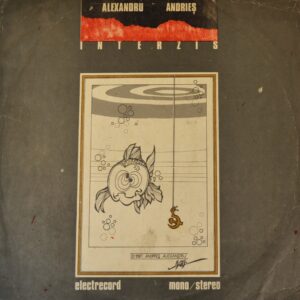
Alexandru Andries -Interziz (Forbidden, what A Beautiful City!)
Summary Introducing “Interzis”, the 1990 gem released under the catalog ELECTRECORD ST-EDE 03765. This vinyl record, a captivating
Free UK shipping on orders over £50, and free shipping to Europe/North America on orders over £100.
Only 1 left in stock
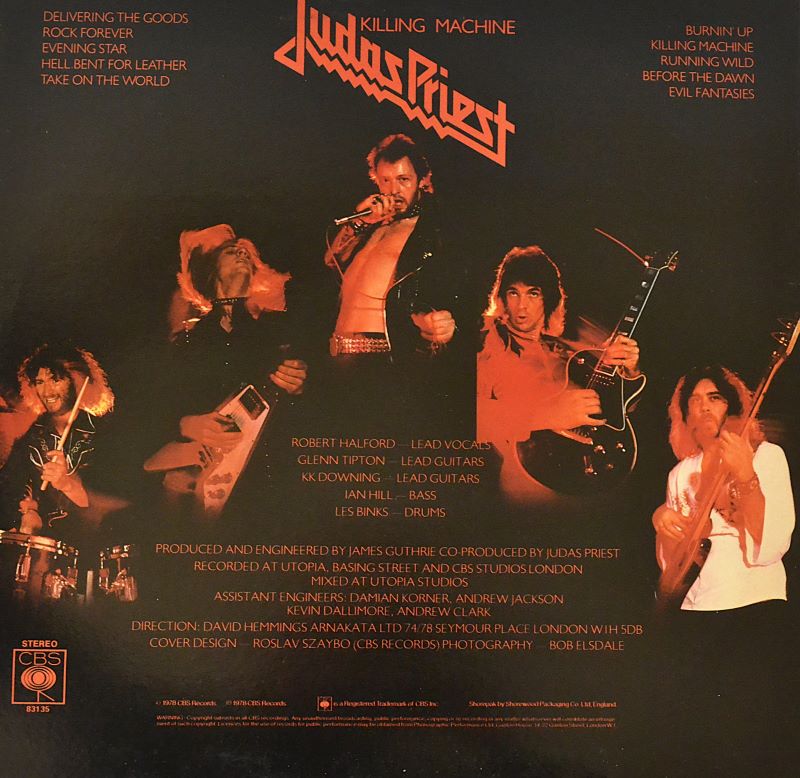
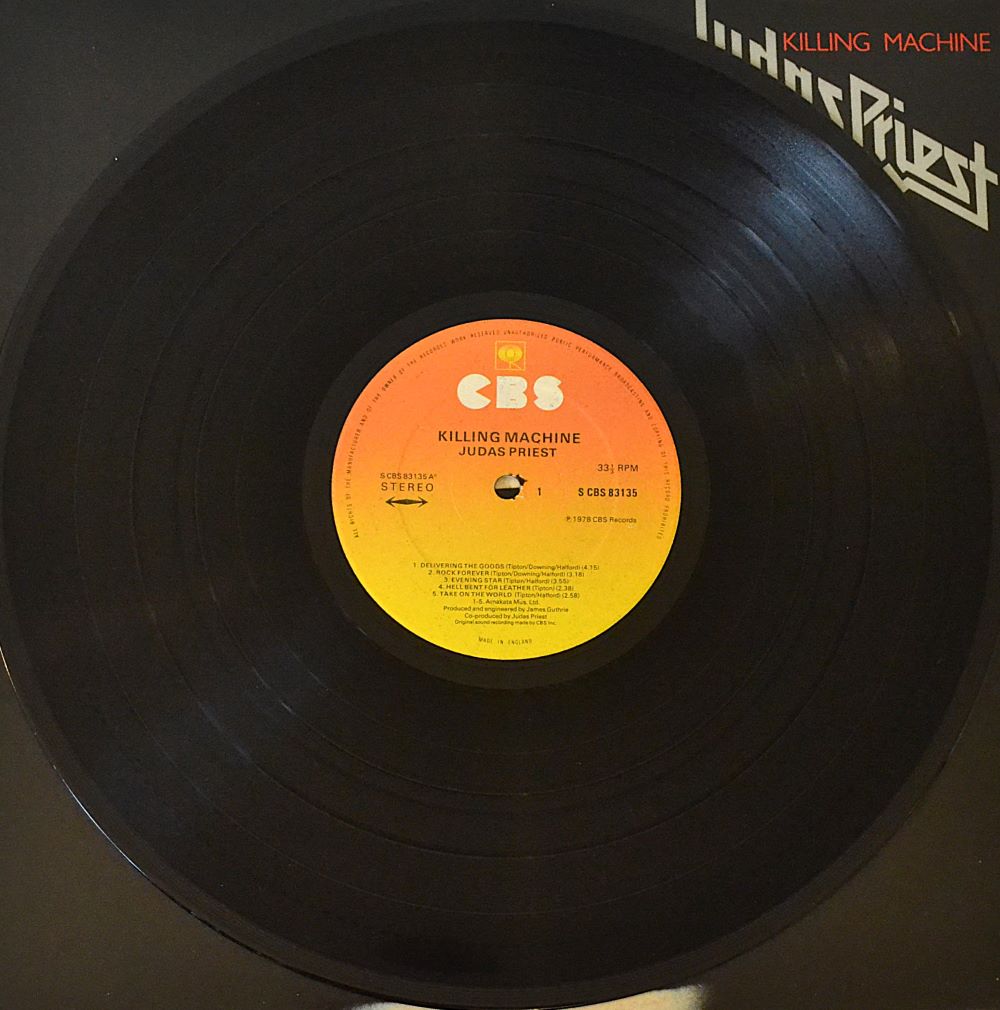
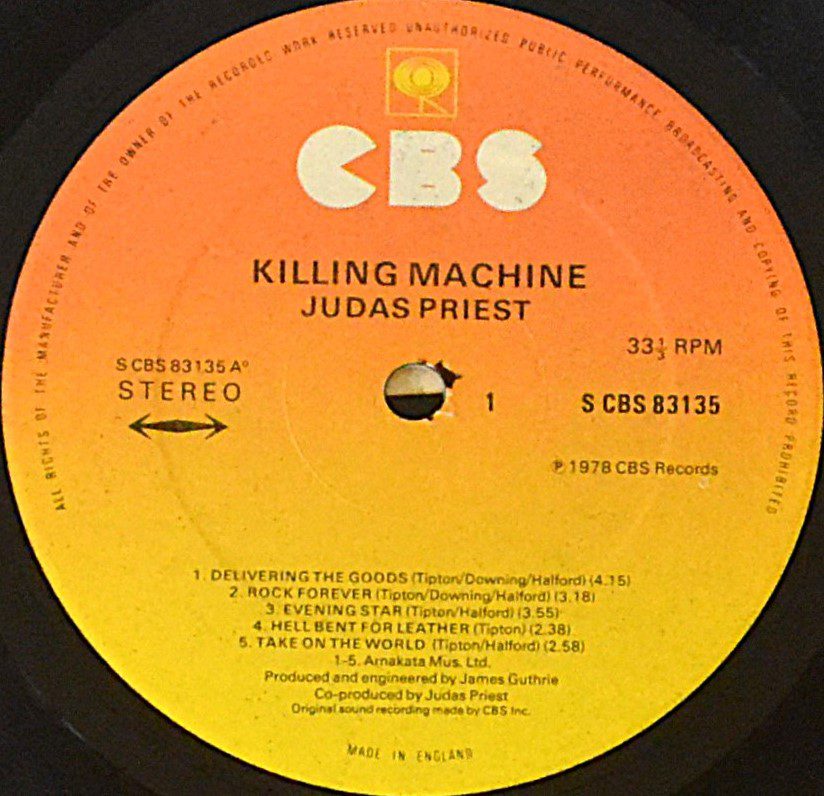
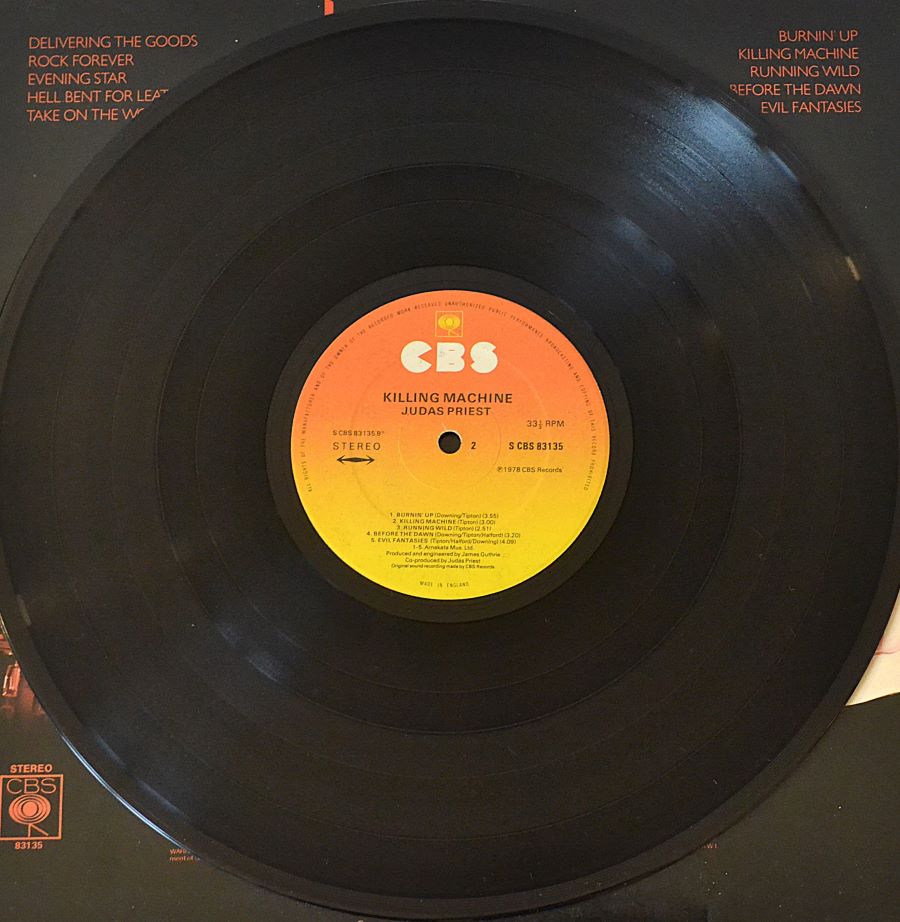
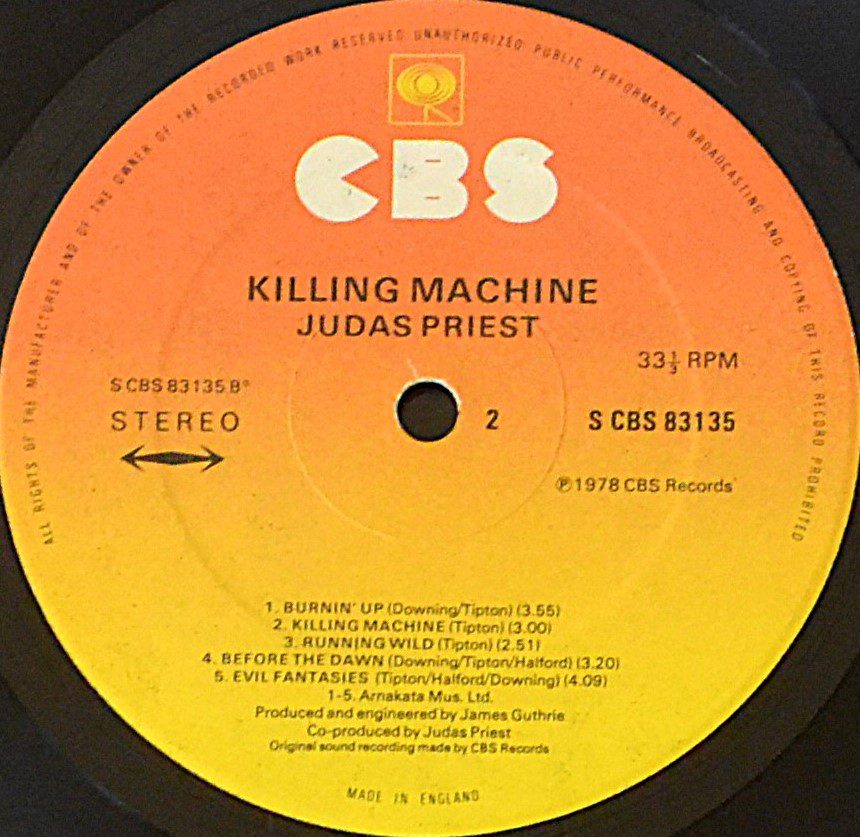
Blistering Judas Priest classic ‘Killing Machine’ on vinyl, a heavy metal essential. Phonographic copyright ℗ and © CBS Records; recorded at Utopia Studios, Basing Street and CBS Studios, London; mixed and mastered at Utopia; published by Arnakata Music Ltd.; printed by Shorewood Packaging Co. Ltd.
Summary
Killing Machine (CBS 83135) is Judas Priest at the exact moment they shift from cult heavy metal heroes to leather‑clad arena dominators. Released in 1978, this fifth studio album finds the band sharpening their sound into tight, hook‑driven, radio‑friendly metal without losing the bite that made them legends in the first place.
This particular pressing, catalog number CBS 83135, captures that late‑’70s sweet spot: fully analog, warm yet razor‑edged, with all the twin‑guitar glory and Rob Halford high notes you’d expect. If you like your metal catchy, polished, and just a bit dangerous, this is one of those records that practically sells you on the whole genre in a single spin.
About the Artist
By 1978, Judas Priest were not overnight sensations. They were battle‑hardened veterans.
Formed in Birmingham, England (the same industrial heartland that birthed Black Sabbath), Priest had already released four albums: Rocka Rolla, Sad Wings of Destiny, Sin After Sin, and Stained Class. Each one nudged heavy rock closer to what we now call heavy metal.
Key ingredients in the Priest formula by this era:
Rob Halford – operatic range, leather‑and‑studs icon, and the man who made screams into a lead instrument.
Glenn Tipton & K.K. Downing – a twin‑guitar team that turned harmony leads and precision riffs into a template future bands shamelessly copied.
Ian Hill & Les Binks – a tight, driving rhythm section that could be both swingy and machine‑like.
Leading up to Killing Machine, Priest had just released Stained Class earlier in the same year (1978). That album was darker, more complex, and a bit more prog‑tinged. It earned them underground respect, especially in the British and European metal scenes, and put them on the radar of mainstream rock press.
With Killing Machine, the band made a conscious pivot: shorter songs, bigger hooks, more swagger, and a very clear eye on arenas rather than just clubs. This is where the Judas Priest “brand,” you know—leather, bikes, spikes, and anthems—truly locks in.
About the Record
Style & Themes
Killing Machine is often tagged as heavy metal with strong hard rock and anthem rock tendencies. Think: the precision of metal, married to the sing‑along power of classic rock.
Recurring themes:
Rebellion and rock ’n’ roll bravado – “Delivering the Goods,” “Rock Forever,” “Running Wild”
Street‑level drama and romance – “Evening Star,” “Before the Dawn”
Leather, machines, and edge – “Hell Bent for Leather,” “Killing Machine”
Slightly kinky, shadowy fantasies – “Evil Fantasies” (presented with a knowingly camp grin)
Crucially, the songs are compact. Many clock in around three minutes. No long epics, no sprawling prog structures. It’s riff, hook, chorus, solo, done.
Place in Judas Priest’s Discography
Priest fans often see Killing Machine as the bridge between the earlier, experimental years and the blockbuster era of British Steel and Screaming for Vengeance.
How it differs from what came before:
More accessible than Stained Class: less gloom, more hooks.
Less proggy than Sad Wings of Destiny: stripped down and punchy.
More visual and iconic: the band’s leather‑and‑studs image becomes inseparable from the music.
In North America, the album was retitled Hell Bent for Leather, and the track listing was altered slightly, most notably with the inclusion of their cover of Fleetwood Mac’s “The Green Manalishi (With the Two Prong Crown).” The U.S. title change was partly due to label discomfort with the phrase “Killing Machine” in the wake of a school shooting—an odd little piece of music‑industry trivia that has since become part of the album’s lore.
Critical & Cultural Impact
While it wasn’t a chart‑dominating monster, Killing Machine did respectably and has aged extremely well. Over time, it’s been reevaluated by:
AllMusic and other critics as one of Priest’s most consistent late‑’70s efforts.
Metal writers and magazines as a key stepping stone toward ‘80s mainstream metal.
“Take on the World” even nibbled at the UK singles charts and was openly designed as Priest’s answer to Queen’s “We Will Rock You”—a stadium chant for metal fans.
Today, Killing Machine is often cited as one of those albums where metal stops experimenting with its identity and starts owning it.
About the Cover
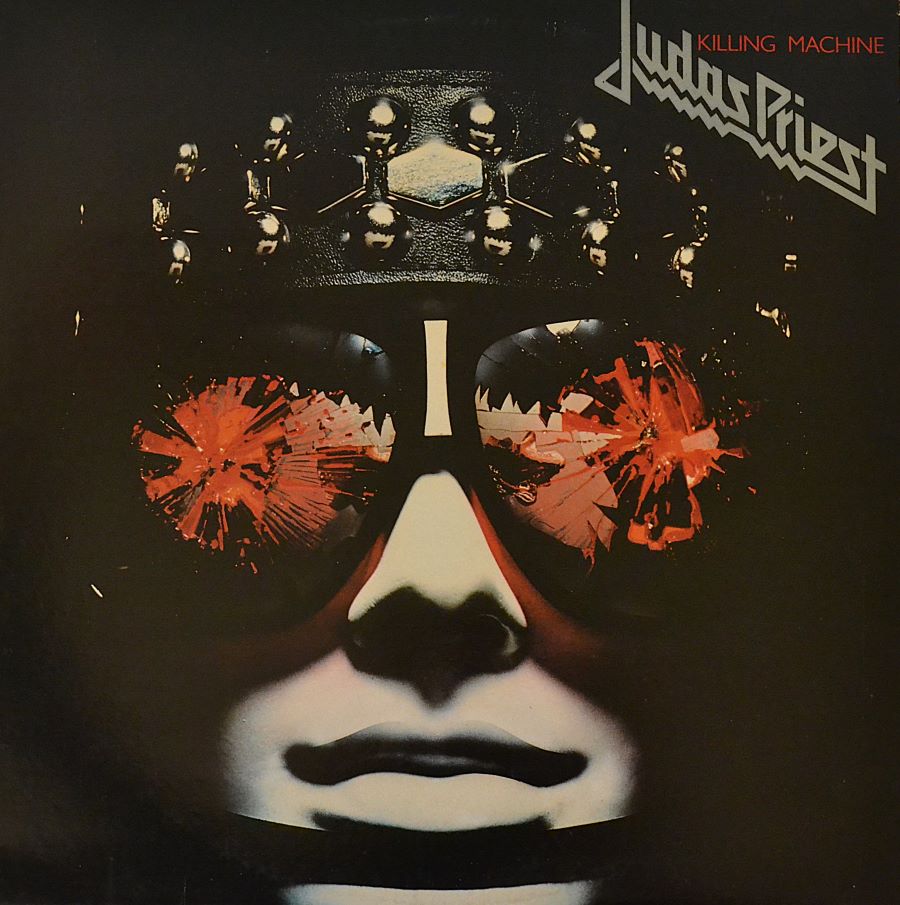
The cover art is iconic Priest minimalism: a stylized, chrome‑visored face in close‑up, eyes reflected in mirrored shards of razor‑sharp light. It’s futuristic, anonymous, and slightly threatening, in a cool, comic‑book way.
Key details:
Designed by Rosław Szaybo, the Polish artist responsible for several classic Judas Priest sleeves (including British Steel).
The mirrored visor echoes the band’s stage gear and biker aesthetic of the time—Halford would ride a Harley onto the stage in full leather and studs.
The limited color palette—mostly black, red, and metallic tones—sets the tone before the needle even drops: sleek, tough, and unapologetically metal.
For collectors, this late‑’70s CBS pressing has that lovely big, bold printing you just don’t get on CD booklets or thumbnails. The artwork feels more like a poster than a mere cover, and the catalog number CBS 83135 is your sign that you’re holding the classic European issue.
About the Lyrics & Music
Overall Sound
Sonically, Killing Machine is tight, dry, and punchy—exactly what you want from a late‑’70s analog metal record.
Produced by James Guthrie (yes, the same producer who would later work on Pink Floyd’s The Wall) together with the band, it balances clarity and heaviness:
Guitars are crisp but not thin.
Drums are upfront and lively, with plenty of room for Les Binks’ tasteful fills.
Halford’s vocals sit clearly in the mix, with those famous high notes cutting right through.
On vinyl, especially on an original CBS pressing, that twin‑guitar attack has real weight. This is a record that feels made for a proper hi‑fi, not earbuds.
Track Highlights & Themes
A few standouts to listen for:
“Delivering the Goods”
An opening statement of intent. Mid‑tempo, strutting riff, and lyrics about giving the audience exactly what they came for. Halford sounds like a ringmaster throwing open the tent flaps of a very loud circus.
“Rock Forever”
Classic Priest optimism. It’s basically a love letter to rock music itself, with a chorus that begs to be shouted in a bar after midnight.
“Evening Star”
Melodic and surprisingly sweet by Priest standards, with a big, shimmering chorus. It hints at the radio‑ready side the band would later perfect on British Steel.
“Hell Bent for Leather”
The mission statement. Fast, compact, and built around a galloping riff that practically screams “open highway.” The lyrics celebrate speed, freedom, and the leather‑clad outlaw persona that became Priest’s signature.
“Take on the World”
The sing‑along anthem, clearly designed for clapping, chanting crowds. If you listen closely, you can hear how intentionally it mirrors the stomp‑and‑chant structure of “We Will Rock You,” but with a steelier, more metallic edge.
“Killing Machine”
The title track leans into a darker, more menacing groove. It’s less about horror and more about cold, controlled power—very much in keeping with the metallic, cyborg‑like figure on the cover.
“Before the Dawn”
A ballad, but a very Priest kind of ballad: melancholic, atmospheric, and built around Halford’s emotional delivery rather than soft‑rock sap. Perfect late‑night side‑B mood shift.
“Evil Fantasies”
The closer is all lurid swagger, with a slower, slinkier riff and lyrics that flirt with taboo. It’s tongue‑in‑cheek more than terrifying, and a fun reminder that Priest always had a sense of theatre.
If your pressing includes “The Green Manalishi (With the Two Prong Crown)”, pay attention to how Priest transforms a Fleetwood Mac track into a brooding metal powerhouse. The chugging guitars and Halford’s haunted delivery make it feel like the song was secretly written for them all along.
Conclusion
Killing Machine is Judas Priest finding the perfect middle ground between underground metal credibility and mainstream rock muscle.
On this 1978 CBS 83135 vinyl pressing, you get:
A lean, hook‑packed set of songs with no filler.
Classic twin‑guitar tones that really shine on analog.
An iconic slice of late‑’70s metal history, just before the genre exploded in the ‘80s.
If you’re building a serious metal vinyl collection—or you just want one record that explains why Judas Priest are such a big deal—Killing Machine is a must‑own, spin‑often title.
Other Recommendations
If you enjoy Killing Machine, you’ll likely love:
More Judas Priest on Vinyl
Stained Class (1978) – Darker, more intricate, and a bit heavier. Great companion piece to hear where Killing Machine came from.
British Steel (1980) – The big one. “Breaking the Law,” “Living After Midnight,” and some of their most famous riffs.
Screaming for Vengeance (1982) – Arena‑metal perfection. “You’ve Got Another Thing Comin’” is essential.
Hell Bent for Leather (U.S. variant) – If you collect variants, the U.S. version of Killing Machine is fun to own alongside this CBS pressing.
Similar Artists & Albums
If this era and style hit the spot, try:
Iron Maiden – Killers or The Number of the Beast – Another British titan of melodic, twin‑guitar metal.
Saxon – Wheels of Steel – Gritty, anthemic NWOBHM with huge choruses.
Motörhead – Overkill or Bomber – Rougher, faster, but spiritually aligned in loud, leather‑clad intensity.
Accept – Restless and Wild – German metal with massive riffs and powerful hooks.
Scorpions – Lovedrive – Melodic hard rock/metal from the same era, with big choruses and slick production.
If your shelves (and your turntable) are ready, Killing Machine on CBS 83135 is one of those records that earns its space from the first riff of “Delivering the Goods” to the last note of side B.
Find related collectibles that complement your current collection. From pieces of the same era or by the same artist to similar themes or materials, these related products are sure to add value and interest to your collection. Discover new gems and expand your collection with our carefully curated selection.
Take your collecting passion to the next level by diving into the history and cultural significance of your favorite pieces. Our expertly curated articles provide in-depth information on rarity, value, and more. Discover hidden gems and gain a deeper appreciation for the collectibles you love with our latest articles.
Summary Introducing “Interzis”, the 1990 gem released under the catalog ELECTRECORD ST-EDE 03765. This vinyl record, a captivating
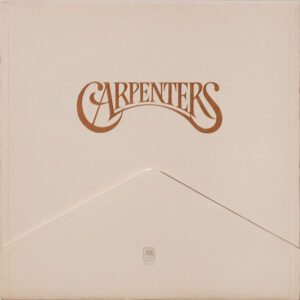
Carpenters Album Summary: In 1971, the world was introduced to the soft rock sound of the Carpenters with
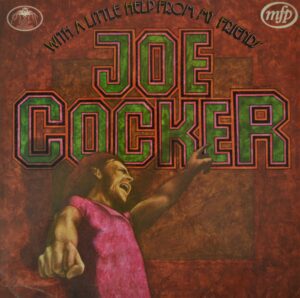
Summary: Released in 1969, “With A Little Help From My Friends” is the first studio album by English
Free shipping in the UK for orders over £50, and in Europe/North America for orders over £100.
At CelebrisClub, we believe that every collectible tells a story. That’s why we provide you with the most detailed and informative information on ultra-rare collectibles. From limited-edition releases to vintage finds, our expertly curated selection offers a wide range of collectibles for every collector. Expect high-quality images, in-depth articles, and a trustworthy and enjoyable shopping experience. Join us on a journey to discover the hidden gems of collecting and unlock the world of ultra-rare collectibles.
© 2023 CELEBRISCLUB – All rights reserved.
Reviews
There are no reviews yet.
Only logged in customers who have purchased this product may leave a review.