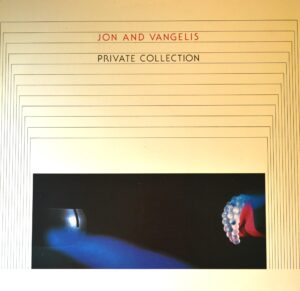
Jon and Vangelis – Private collection
Summary: Spinning the Musical Tales of Jon & Vangelis’ “Private Collection” Are you a fan of the visual
Free UK shipping on orders over £50, and free shipping to Europe/North America on orders over £100.
Only 1 left in stock
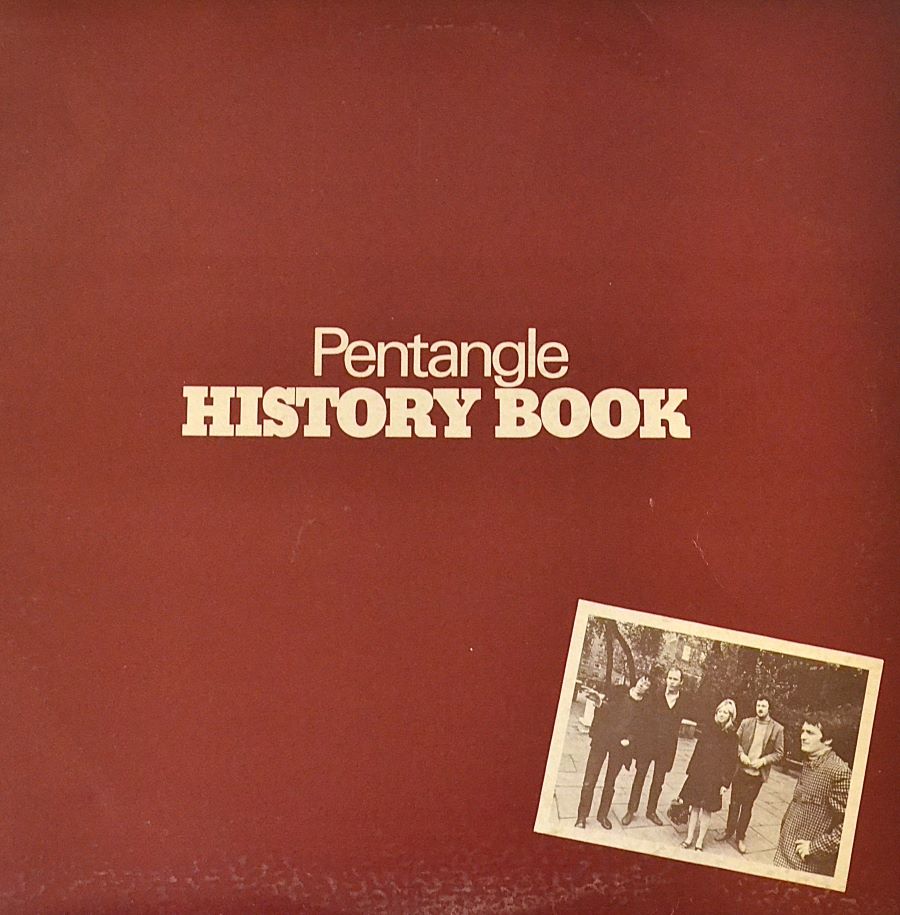
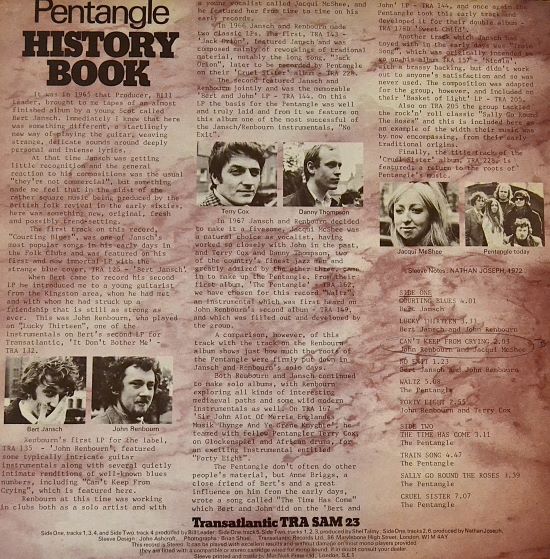
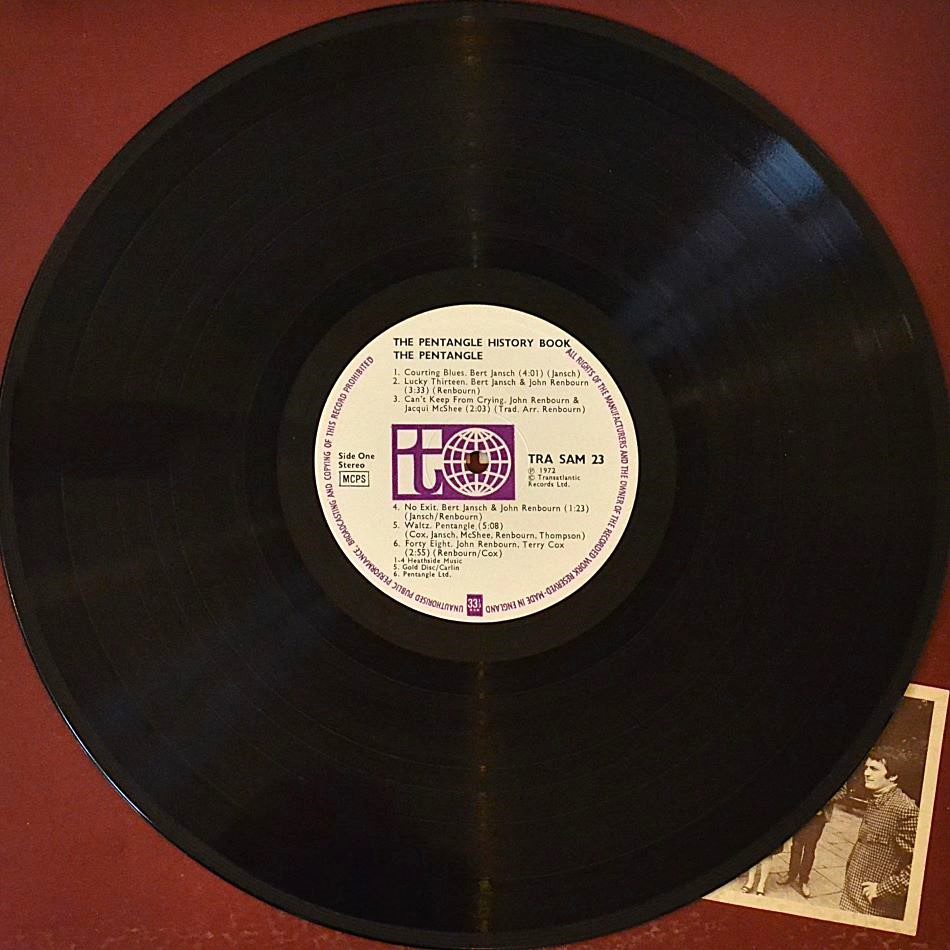
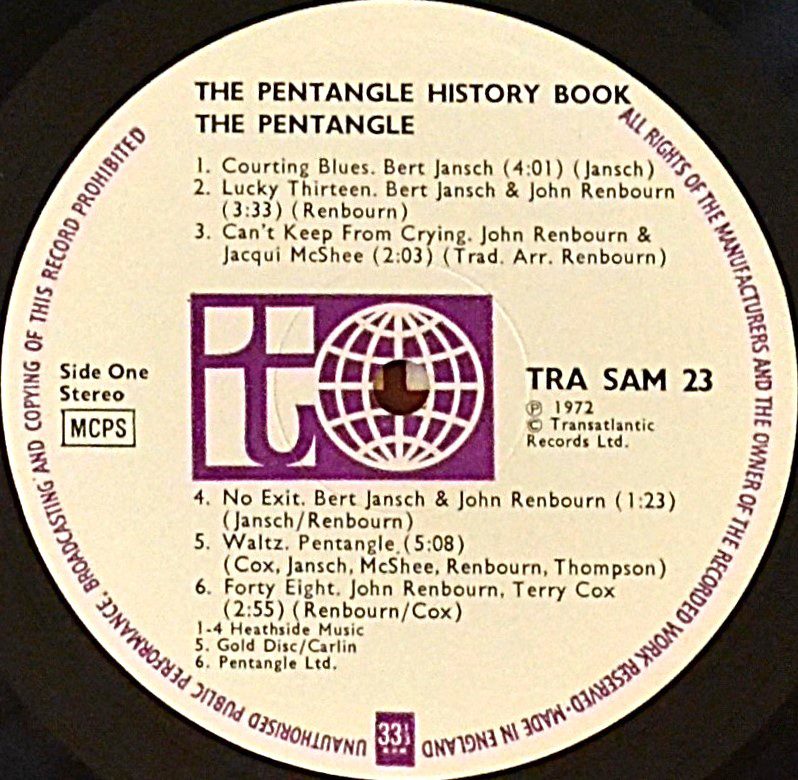
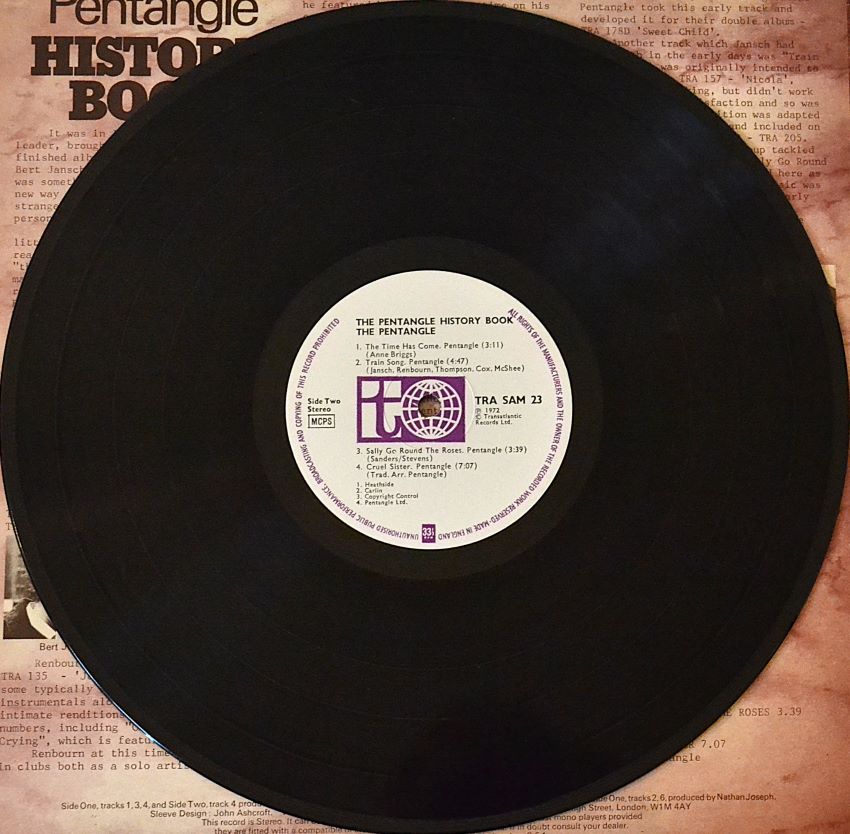
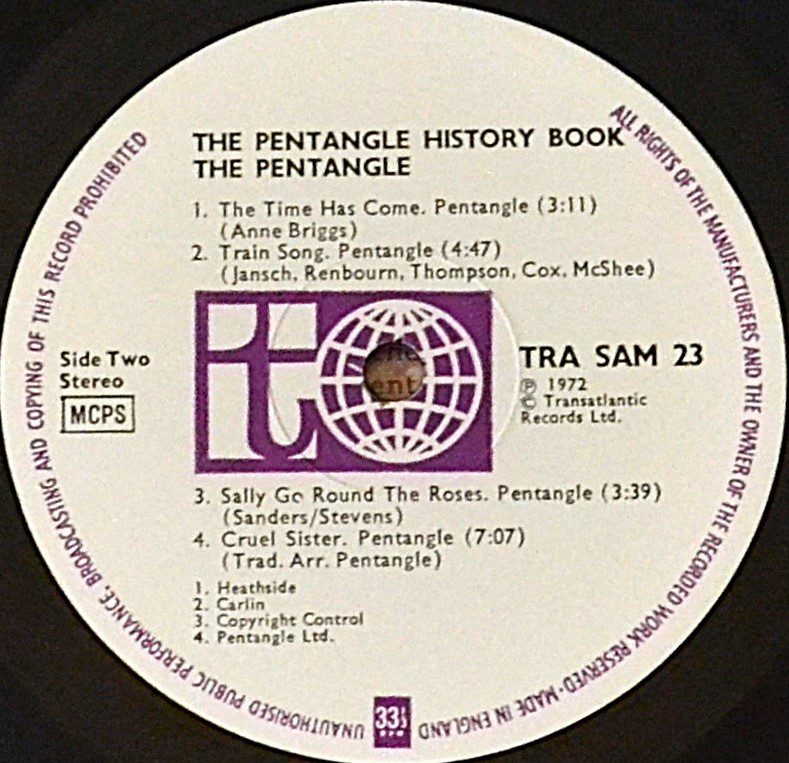
Vintage History Book vinyl from Transatlantic Records, a rich folk‑rock collection by Pentangle. ℗ Transatlantic Records Ltd., with songs published by Heathside Music, Gold Disc, Carlin, Pentangle Ltd., and Copyright Control, and expertly pressed by EMI Records and beautifully packaged by MacNeill Press Ltd. in England.
Summary
“History Book” (Transatlantic Records – TRASAM 23, 1972) is Pentangle in mixtape form: a curated slice of their late‑60s/early‑70s magic pressed into one very playable LP.
Rather than a brand‑new studio album, this record works as a time‑capsule compilation of the band’s Transatlantic years. You get a cross‑section of the group’s folk‑jazz alchemy: traditional ballads, bluesy detours, nimble acoustic guitar duets, supple double‑bass lines, and Jacqui McShee’s unmistakably clear voice floating over it all.
If you’re new to Pentangle, “History Book” is a brilliantly user‑friendly entry point. If you’re already a fan, it’s a compact, great‑sounding refresher course in why this band mattered so much in the first place.
About the Artist
Pentangle were one of the most quietly radical bands of the British folk boom.
Formed in London in 1967, they came out of the capital’s folk clubs and coffeehouses:
Bert Jansch – Scottish guitarist/singer, already a cult hero on the folk scene.
John Renbourn – English guitarist with a love of early music and blues.
Jacqui McShee – vocalist with a pure, bell‑like tone and jazz phrasing.
Danny Thompson – double‑bass powerhouse, rooted in jazz.
Terry Cox – drummer/percussionist, just as comfortable with brushes as with complex time signatures.
Instead of choosing sides between folk and jazz, they ignored the border altogether.
Pentangle pulled from:
Traditional British and Irish ballads.
American blues and spirituals.
Jazz harmony and improvisation.
Renaissance and Baroque music.
A touch of psychedelic 60s experimentation.
By the time “History Book” appeared in 1972, they had already released a run of influential albums on Transatlantic:
The Pentangle (1968).
Sweet Child (1968, part studio, part live).
Basket of Light (1969) – their most commercially successful.
Cruel Sister (1970) – darker, more traditional.
Reflection (1971) – looser, more jam‑oriented.
They’d also scored a minor hit and serious exposure when “Light Flight” was used as the theme for the BBC TV series Take Three Girls, pushing their intricate acoustic sound into mainstream living rooms.
“History Book” lands just as that first classic era is starting to wind down, making the title feel almost prophetic.
About the Record
Think of “History Book” as Pentangle’s own short course in “What We’ve Been Up To Since 1968.”
Instead of telling one new story, the album gathers key moments from their Transatlantic years and stitches them into a loose narrative:
The folk roots: reworkings of traditional ballads where murder, ghosts, betrayal, and doomed love sit under deceptively gentle arrangements.
The jazz edge: extended instrumental passages, unusual time signatures, and improvisational interplay.
The songwriting side: original material that feels as old as the hills yet very much of its time.
Where the core studio albums (Basket of Light, Cruel Sister, etc.) each had a distinct mood, “History Book” is more like a highlights reel:
It shows off their range rather than a single concept.
It moves from intimate balladry to almost trance‑like rhythmic pieces.
It underlines just how consistent the band were across several albums.
For collectors, it’s also a neat artefact of the early‑70s compilation culture. Labels like Transatlantic loved assembling mid‑price samplers to introduce people to their catalogues. TRASAM 23 is very much in that spirit: thoughtfully picked, affordable at the time, and now a satisfying, self‑contained listen.
In a way, “History Book” functions as an unofficial “best of the Transatlantic years”, even if the exact track listing can vary by territory or pressing. It’s less for completists chasing rare outtakes, and more for listeners who want Pentangle’s essence without jumping straight into multiple LPs.
About the Cover
The title “History Book” does a lot of the heavy lifting: it signals that you’re not getting a single new chapter, but a flipped‑through volume of past highlights.
While specific artwork details can vary between editions, Pentangle’s Transatlantic sleeves from this era tend to share some traits:
A warm, organic look – earthy colours, soft photography, or illustration rather than stark modernism.
A sense of craft and tradition, mirroring their acoustic instrumentation and folk roots.
Simple, readable typography that feels closer to a well‑thumbed book than a flashy rock poster.
That aesthetic really suits this record. “History Book” isn’t trying to dazzle you with a radical visual concept; instead, the design signals “archival, curated, trustworthy” – like pulling an old volume off a shelf and discovering the good parts have already been underlined for you.
If you’re crate‑digging, that combination of the Transatlantic logo, the TRASAM catalogue prefix, and the quietly confident design is a strong hint you’ve found a serious folk record that’s meant to be played, not just collected.
About the Lyrics & Music
Pentangle’s magic lives in the tension between ancient stories and modern musical thinking. “History Book” pulls together songs that showcase both.
Because track listings can vary between pressings, think of the following as a guide to the kind of material you’ll typically encounter on this compilation, rather than a strict inventory.
Traditional ballads, re‑wired.
Many of Pentangle’s most celebrated pieces are traditional songs re‑imagined:
Haunting narratives – Murder ballads, ghost visitations, unfaithful lovers, and moral tales drawn from centuries‑old folklore.
New harmonic colours – Instead of three‑chord strumming, Jansch and Renbourn use unusual tunings, jazzy chord voicings, and counter‑melodies.
Jacqui McShee’s delivery – Clear, almost unaffected, but incredibly precise. She rarely oversells the drama, which makes the darker lyrics even more chilling.
On “History Book,” when you hit one of those long, story‑driven tracks, listen for how the band lets the narrative breathe: minimal percussion, space around the vocal, and subtle embellishments that creep in verse by verse.
Jazz‑folk hybrids
Pentangle were pioneers of the folk‑jazz crossover, and this compilation doesn’t shy away from the more adventurous side:
Odd time signatures – Pieces that shift between 5/8, 7/8, or other non‑standard meters, but still feel strangely natural.
Group improvisation – Instead of guitar solos in a rock sense, you get interlocking lines: double bass, two guitars, and light percussion all in quiet conversation.
Rhythmic “trance” sections – Repeating vamps that build slowly, more like modal jazz than a traditional folk stomp.
This is where Danny Thompson and Terry Cox really shine. The rhythm section never overpowers the acoustic delicacy, but they give the music a floating, almost weightless swing that separates Pentangle from most of their folk peers.
Blues and contemporary songwriting
Alongside the traditional material, “History Book” typically includes examples of:
Blues‑inflected songs – Pentangle’s take on the blues is both respectful and slightly off‑kilter: minor‑key twists, fingerpicked intricacy, and a more British emotional coolness instead of raw Americana grit.
Original compositions – Songs that sound like they might be traditional until you realise the band wrote them. Lyrically, they often deal with:
Love and distance.
Inner struggle and reflection.
A sense of timeless melancholy that fits perfectly between folk ballads and spirituals.
Across it all, expect:
Acoustic guitars front and centre, often in stereo, with elaborate interplay.
Rich, woody double‑bass, captured beautifully on analogue tape, adding both warmth and rhythmic backbone.
Subtle percussion and occasional hand drums, used sparingly but with intent.
From a listening perspective, “History Book” plays like a carefully sequenced live set: narrative songs, then a more groove‑based piece, then something intimate and minimalist. There’s a satisfying rise and fall in intensity that makes spinning the whole side in one go almost irresistible.
Conclusion
“History Book” is Pentangle distilled: not every experiment or deep cut, but a smartly chosen run of tracks that explain why this band still matters.
For:
New listeners, it’s an ideal first Pentangle record. You get their folk roots, their jazz chops, and their compositional strength in one place.
Collectors, a clean original TRASAM 23 pressing is a lovely thing to own: early‑70s UK vinyl, all‑analogue sound, and a snapshot of Transatlantic’s curation at the time.
Casual spinners, it’s one of those albums you can drop the needle on with a coffee, a book, or a late‑night drink and just let the room change around you.
If your shelves are light on British folk‑jazz – or you just want a single LP that captures the feeling of that world – “History Book” earns its title. It really does play like a short, beautifully told history of Pentangle’s golden years.
Other Recommendations
If “History Book” hooks you, here’s where to go next.
More Pentangle
Basket of Light (1969)
Their most famous studio album includes their TV‑famous material and some of their most approachable tunes. Essential.
Sweet Child (1968)
A generous 2‑LP set, half studio and half live. The live material, in particular, shows how fearless they were on stage.
Cruel Sister (1970)
Darker and more trad‑focused, with long narrative ballads and fewer “pop” moments. If you love the storytelling side of “History Book,” this is your next stop.
Reflection (1971)
Looser, sometimes bluesier, with a slightly more jammy feel. Great for listeners drawn to the improvisational edge.
Solo offshoots
Bert Jansch – Jack Orion (1966)
Deep, brooding, and hugely influential in its own right. A masterclass in solo guitar‑and‑voice storytelling.
John Renbourn – Sir John Alot of Merrie Englandes Musyk Thyng & ye Grene Knyghte (1968)
As playful as the title suggests, it blends early music, folk, and inventive guitar work.
Jacqui McShee’s Pentangle (later line‑ups)
If you want to hear how she carried the band’s spirit forward in later decades, these releases provide a nice parallel thread.
Kindred spirits
If it’s the era and atmosphere you’re chasing, file these next to “History Book”:
Fairport Convention – Liege & Lief (1969)
The landmark British electric folk album, more rock‑leaning but spiritually aligned.
Steeleye Span – Below the Salt (1972)
Traditional ballads with electric arrangements and strong vocal harmonies.
Nick Drake – Bryter Layter (1971)
Not jazz‑folk in the same sense, but the same intimate, acoustic, very British mood. Perfect late‑night companion listening.
The Incredible String Band – The Hangman’s Beautiful Daughter (1968)
More psychedelic and eccentric, but similarly adventurous in blending folk with other forms.
Pair “History Book” with any of the above, and you’ll have a small but potent shelf of records that defined the more imaginative side of the folk revival – a little history section of your own, spinning at 33⅓.
Find related collectibles that complement your current collection. From pieces of the same era or by the same artist to similar themes or materials, these related products are sure to add value and interest to your collection. Discover new gems and expand your collection with our carefully curated selection.
Take your collecting passion to the next level by diving into the history and cultural significance of your favorite pieces. Our expertly curated articles provide in-depth information on rarity, value, and more. Discover hidden gems and gain a deeper appreciation for the collectibles you love with our latest articles.
Summary: Spinning the Musical Tales of Jon & Vangelis’ “Private Collection” Are you a fan of the visual
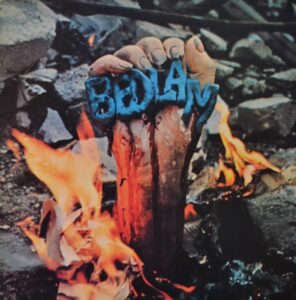
Summary Let’s take a spin back to a time when rock music was as unalloyed as the sensation
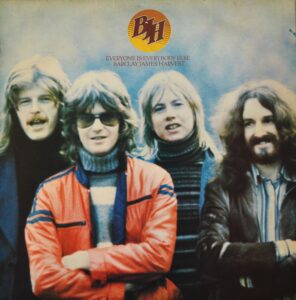
Summary Step back in time and feel the groove with Barclay James Harvest’s stellar 1974 release, “Everyone Is
Free shipping in the UK for orders over £50, and in Europe/North America for orders over £100.
At CelebrisClub, we believe that every collectible tells a story. That’s why we provide you with the most detailed and informative information on ultra-rare collectibles. From limited-edition releases to vintage finds, our expertly curated selection offers a wide range of collectibles for every collector. Expect high-quality images, in-depth articles, and a trustworthy and enjoyable shopping experience. Join us on a journey to discover the hidden gems of collecting and unlock the world of ultra-rare collectibles.
© 2023 CELEBRISCLUB – All rights reserved.
Reviews
There are no reviews yet.
Only logged in customers who have purchased this product may leave a review.