Summary
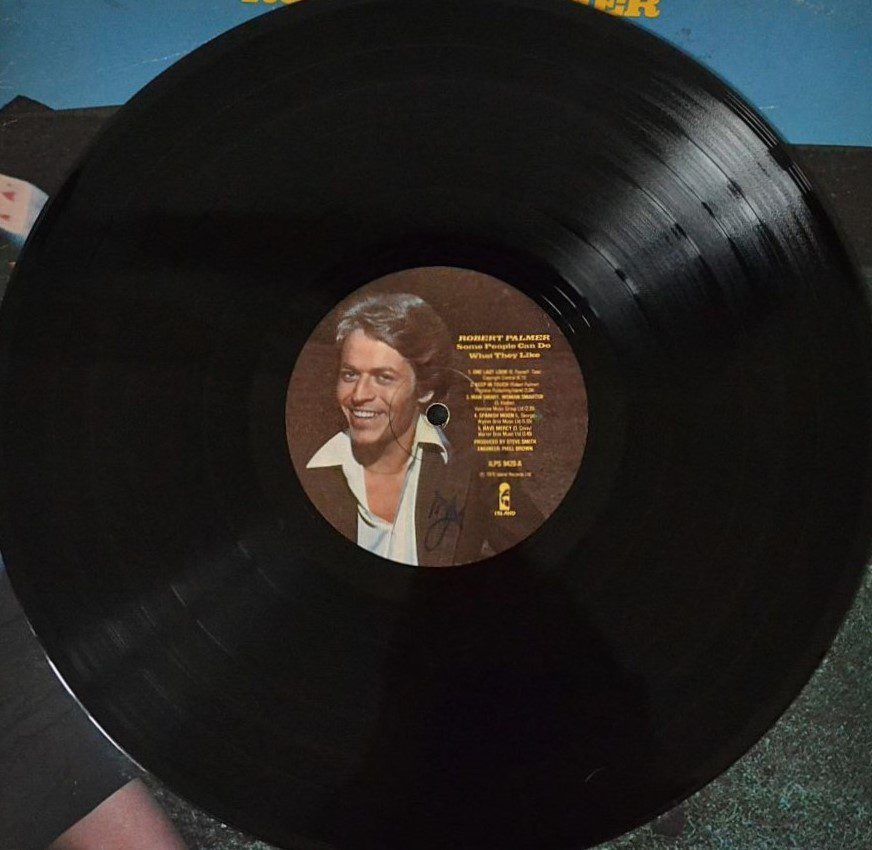
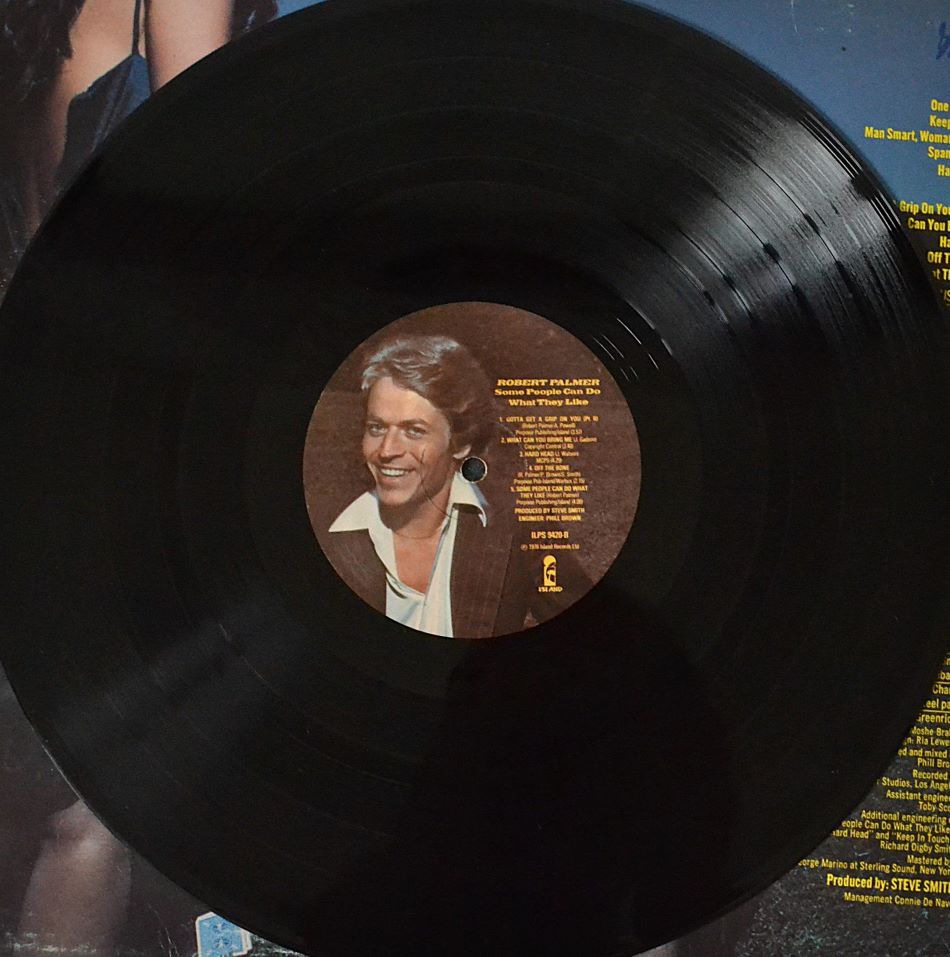
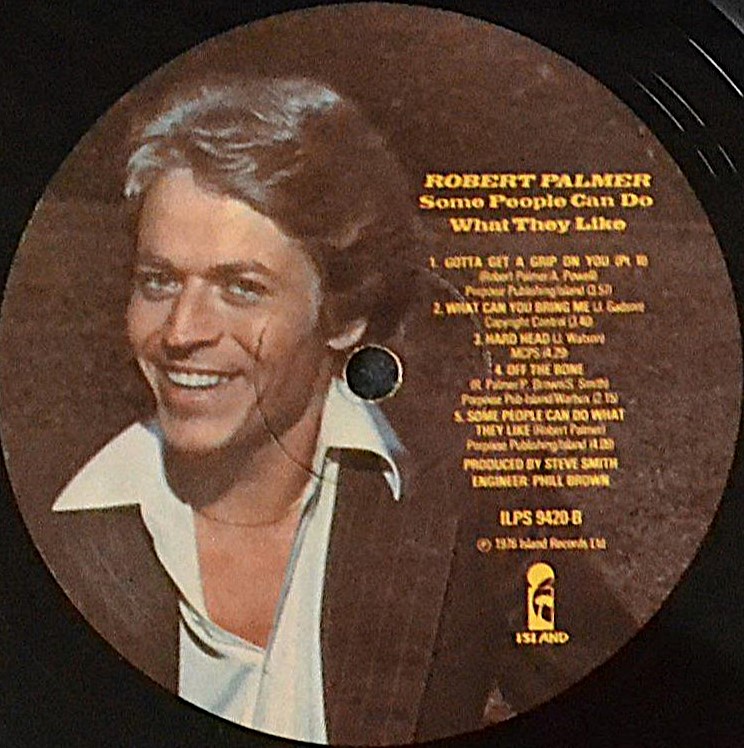
“Some People Can Do What They Like” is Robert Palmer’s third solo album, released in 1976 on Island Records (catalog no. ILPS 9420).
It’s the sweet spot between his New Orleans–soaked debut “Sneakin’ Sally Through the Alley” and the slick MTV icon he’d later become with “Addicted to Love.” Here you get a playful cocktail of blue‑eyed soul, funk, rock, and Caribbean flavors, all delivered with Palmer’s trademark cool and a surprising sense of humor.
For vinyl lovers, this is a record that feels like a well‑stocked bar: deep cuts, smart covers, sharp arrangements, and a warm, very ’70s analog sound that just works on wax.
About the Artist
Before “Some People Can Do What They Like,” Robert Palmer was already quietly becoming a cult favorite.
Born in Yorkshire and raised partly in Malta, Palmer soaked up American R&B from Forces Radio as a kid, then cut his teeth in UK bands like Vinegar Joe. Those years taught him two things: how to belt like a soul singer, and how to look impossibly stylish while doing it.
His first two solo albums on Island — “Sneakin’ Sally Through the Alley” (1974) and “Pressure Drop” (1975) — were steeped in American funk and New Orleans grooves, with players from Little Feat and The Meters in the studio band. Critics loved the feel, even if the charts were a little shy.
By 1976, Palmer had become a specialist in tasteful eclecticism. “Some People Can Do What They Like” is him doubling down on that idea: a singer not chasing hits, but building a world where soul, funk, rock, and island rhythms can hang out in the same smoking jacket.
About the Record
At its core, “Some People Can Do What They Like” is a genre blender. It leans heavily into:
Blue‑eyed soul – silky vocals, horn stabs, and grooves that would fit in a late‑night club set.
Funk and R&B – tight rhythm sections, syncopated guitars, and basslines that are almost cheeky.
Caribbean / island touches – most obviously in “Man Smart, Woman Smarter,” but also in the laid‑back rhythmic feel across the album.
Where the debut was swampy and loose, and “Pressure Drop” was slightly more rootsy and reggae‑touched, “Some People Can Do What They Like” is more polished and playful. The arrangements are sharper, the humor is more up‑front, and Palmer sounds increasingly confident as a bandleader, not just a guest among star session players.
Collectors and writers at places like Record Collector and The Vinyl Factory often point to this album as the completion of Palmer’s first “trilogy” — the final chapter in his 70s funk‑soul period before he moved into new wave and hard rock gloss. It didn’t set the charts on fire, but it cemented his reputation among musicians and serious record nerds as someone with impeccable taste.
About the Cover
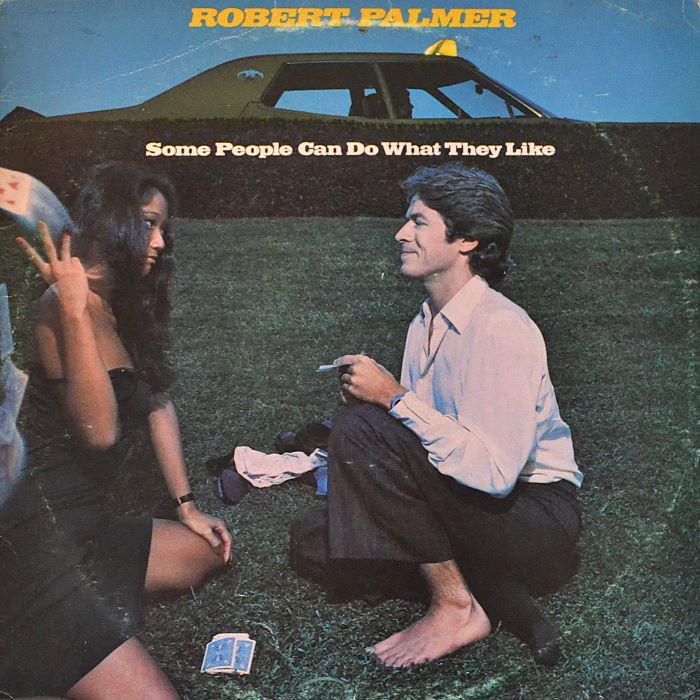
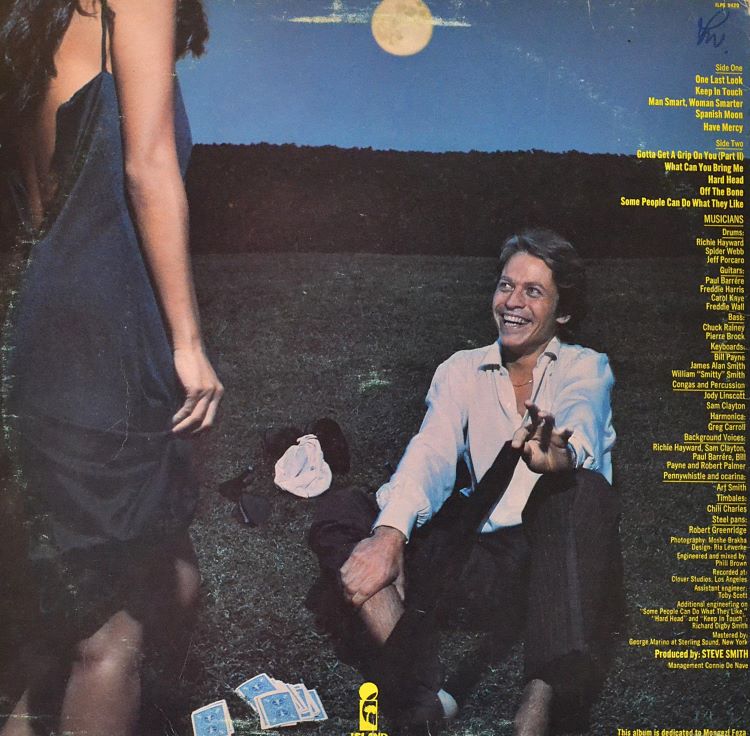
The cover of “Some People Can Do What They Like” is pure 1970s Robert Palmer: smooth, a little mischievous, and not quite as serious as it first appears.
Typically, you’ll see Palmer posed in a domestic yet slightly chaotic scene — the title suggesting freedom, indulgence, and a wink at adult hedonism. It looks casual, but it’s carefully styled: tailored clothing, composed colors, and a layout that leans into Island Records’ chic, almost boutique aesthetic of the era.
For a record store, this cover does exactly what you want on the wall: it telegraphs that the music inside is sophisticated but fun. It hints that this isn’t a grim, heavy rock record; it’s something you put on while the cocktails are flowing and the living room is full.
On original UK Island copies, the design work and printing have that classic mid‑70s Island feel — unfussy fonts, warm photography, and a sense of “grown‑up cool” that mirrors the music.
About the Lyrics & Music
Musically, “Some People Can Do What They Like” is built around groove and attitude. Lyrically, it walks a neat line between romance, wry observation, and sly humor. A few key tracks:
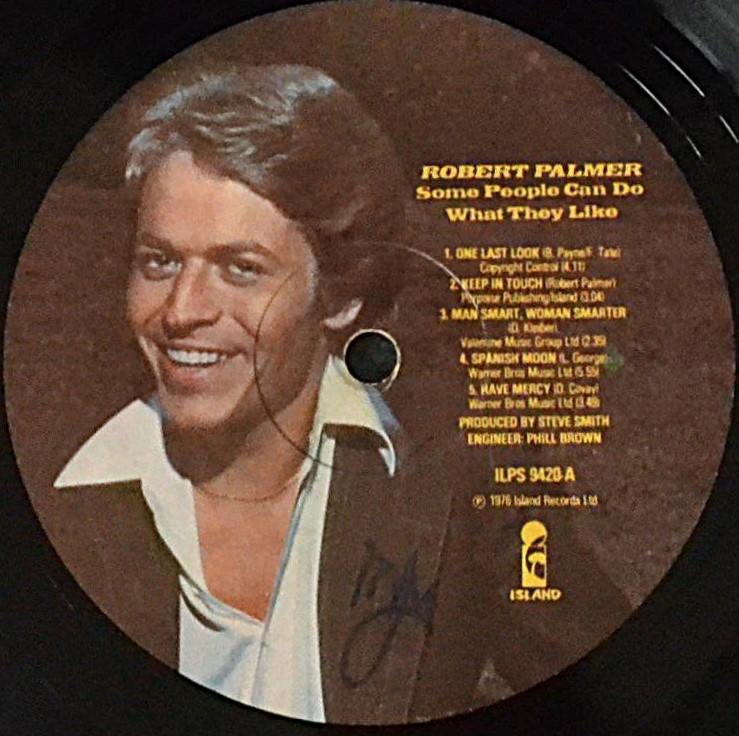
“One Last Look”
A classy opener. Mid‑tempo, soulful, and quietly dramatic. Palmer sings about that final, lingering moment in a relationship, but there’s restraint instead of melodrama. The band keeps it tight, with just enough space for his vocal phrasing to shine.
“Keep in Touch”
Here, the funk starts to bite. Snappy drums, rhythmic guitar, and a vocal that hovers between pleading and playful. The theme is straight out of soul tradition — phone calls, distance, connection — but Palmer’s delivery makes it feel urbane rather than desperate.
“Man Smart, Woman Smarter”
A standout and a fan favorite. This is Palmer covering the old Caribbean calypso standard, later popularized by Harry Belafonte. The track is light on its feet, full of bounce and charm, and Palmer leans into the gender‑battle humor of the lyrics.
For crate diggers, it’s a perfect example of his talent for re‑contextualising older songs: he doesn’t parody it, he inhabits it, sliding it neatly into his funky, cosmopolitan world.
“Spanish Moon”
Another highlight, originally written by Lowell George of Little Feat. Palmer takes this seedy, nocturnal groove and smooths it just enough without losing its edge. The bassline is hypnotic, the horns deliciously ominous. It’s a great example of his early career skill: taking songs from his musician heroes and making them feel like his own, thanks to immaculate phrasing and arrangement choices.
“Gotta Get a Grip on You (Part II)”
Here, the rhythm section really flexes. Funky, insistent, and a little anxious, the song taps into themes of self‑control and temptation. The “Part II” tag hints at Palmer’s habit of revisiting and reshaping ideas across albums — a subtle nod for loyal listeners.
Title Track: “Some People Can Do What They Like”
The closing (or near‑closing) statement is as much philosophy as song. Palmer sings about people who seem to glide through life untouched by consequences. It’s not bitter, though; there’s a shrugging, almost amused tone. Musically, it’s easy‑going but tight, with the band locked into a polished groove.
Across the album, the through‑lines are:
Desire and restraint – Palmer often sounds like a man negotiating temptation with style.
Humor and observation – especially in the covers, there’s a wink behind the lyrics.
Groove above all – even the ballads move. Nothing here plods.
For vinyl enthusiasts, this record is also a nice demo disc: warm bass, detailed midrange, and arrangements that reward good speakers or headphones. Many collectors on Discogs and in communities like The Vinyl Lounge praise early Island pressings for their dynamic, uncompressed feel.
Conclusion
“Some People Can Do What They Like” is Robert Palmer just before fame really found him — sophisticated, adventurous, and clearly having fun.
It might not be his most famous record, but it’s one of his most listenable front‑to‑back: a classy blend of soul, funk, and island flavors, with clever covers and no filler. For any vinyl collection that leans 70s, groovy, and slightly off the beaten path, it’s a very smart pick.
Other Recommendations
If you spin and enjoy this one, line these up next:
Robert Palmer – “Sneakin’ Sally Through the Alley” (1974)
Rawer, swampier, with heavy New Orleans funk. Essential companion to “Some People Can Do What They Like.”
Robert Palmer – “Pressure Drop” (1975)
Bridges the debut and this album, with reggae and rock influences. Great for tracing his evolution.
Robert Palmer – “Double Fun” (1978)
A step closer to the sleek pop he’d become known for, but still rooted in groove and soul.
Little Feat – “Feats Don’t Fail Me Now” (1974)
If you love the feel of “Spanish Moon,” this is mandatory listening.
Boz Scaggs – “Silk Degrees” (1976)
Another masterclass in polished, soulful 70s crossover with immaculate session playing.
File “Some People Can Do What They Like” under: records that make your living room feel like a very good party, even when you’re the only one home.
Summary
“Some People Can Do What They Like” is Robert Palmer’s third solo album, released in 1976 on Island Records (catalog no. ILPS 9420).
It’s the sweet spot between his New Orleans–soaked debut “Sneakin’ Sally Through the Alley” and the slick MTV icon he’d later become with “Addicted to Love.” Here you get a playful cocktail of blue‑eyed soul, funk, rock, and Caribbean flavors, all delivered with Palmer’s trademark cool and a surprising sense of humor.
For vinyl lovers, this is a record that feels like a well‑stocked bar: deep cuts, smart covers, sharp arrangements, and a warm, very ’70s analog sound that just works on wax.
About the Artist
Before “Some People Can Do What They Like,” Robert Palmer was already quietly becoming a cult favorite.
Born in Yorkshire and raised partly in Malta, Palmer soaked up American R&B from forces radio as a kid, then cut his teeth in UK bands like Vinegar Joe. Those years taught him two things: how to belt like a soul singer, and how to look impossibly stylish while doing it.
His first two solo albums on Island — “Sneakin’ Sally Through the Alley” (1974) and “Pressure Drop” (1975) — were steeped in American funk and New Orleans grooves, with players from Little Feat and The Meters in the studio band. Critics loved the feel, even if the charts were a little shy.
By 1976, Palmer had become a specialist in tasteful eclecticism. “Some People Can Do What They Like” is him doubling down on that idea: a singer not chasing hits, but building a world where soul, funk, rock, and island rhythms can hang out in the same smoking jacket.
About the Record
At its core, “Some People Can Do What They Like” is a genre blender. It leans heavily into:
Blue‑eyed soul – silky vocals, horn stabs, and grooves that would fit in a late‑night club set.
Funk and R&B – tight rhythm sections, syncopated guitars, and basslines that are almost cheeky.
Caribbean / island touches – most obviously in “Man Smart, Woman Smarter,” but also in the laid‑back rhythmic feel across the album.
Where the debut was swampy and loose, and “Pressure Drop” was slightly more rootsy and reggae‑touched, “Some People Can Do What They Like” is more polished and playful. The arrangements are sharper, the humor is more up‑front, and Palmer sounds increasingly confident as a bandleader, not just a guest among star session players.
Collectors and writers at places like Record Collector and The Vinyl Factory often point to this album as the completion of Palmer’s first “trilogy” — the final chapter in his 70s funk‑soul period before he moved into new wave and hard rock gloss. It didn’t set the charts on fire, but it cemented his reputation among musicians and serious record nerds as someone with impeccable taste.
About the Cover
The cover of “Some People Can Do What They Like” is pure 1970s Robert Palmer: smooth, a little mischievous, and not quite as serious as it first appears.
Typically, you’ll see Palmer posed in a domestic yet slightly chaotic scene — the title suggesting freedom, indulgence, and a wink at adult hedonism. It looks casual, but it’s carefully styled: tailored clothing, composed colors, and a layout that leans into Island Records’ chic, almost boutique aesthetic of the era.
For a record store, this cover does exactly what you want on the wall: it telegraphs that the music inside is sophisticated but fun. It hints that this isn’t a grim, heavy rock record; it’s something you put on while the cocktails are flowing and the living room is full.
On original UK Island copies, the design work and printing have that classic mid‑70s Island feel — unfussy fonts, warm photography, and a sense of “grown‑up cool” that mirrors the music.
About the Lyrics & Music
Musically, “Some People Can Do What They Like” is built around groove and attitude. Lyrically, it walks a neat line between romance, wry observation, and sly humor. A few key tracks:
“One Last Look”
A classy opener. Mid‑tempo, soulful, and quietly dramatic. Palmer sings about that final, lingering moment in a relationship, but there’s restraint instead of melodrama. The band keeps it tight, with just enough space for his vocal phrasing to shine.
“Keep in Touch”
Here the funk starts to bite. Snappy drums, rhythmic guitar, and a vocal that hovers between pleading and playful. The theme is straight out of soul tradition — phone calls, distance, connection — but Palmer’s delivery makes it feel urbane rather than desperate.
“Man Smart, Woman Smarter”
A standout and a fan favorite. This is Palmer covering the old Caribbean calypso standard, later popularized by Harry Belafonte. The track is light on its feet, full of bounce and charm, and Palmer leans into the gender‑battle humor of the lyrics.
For crate diggers, it’s a perfect example of his talent for re‑contextualising older songs: he doesn’t parody it, he inhabits it, sliding it neatly into his funky, cosmopolitan world.
“Spanish Moon”
Another highlight, originally written by Lowell George of Little Feat. Palmer takes this seedy, nocturnal groove and smooths it just enough without losing its edge. The bassline is hypnotic, the horns deliciously ominous.
It’s a great example of his early career skill: taking songs from his musician heroes and making them feel like his own, thanks to immaculate phrasing and arrangement choices.
“Gotta Get a Grip on You (Part II)”
Here, the rhythm section really flexes. Funky, insistent, and a little anxious, the song taps into themes of self‑control and temptation. The “Part II” tag hints at Palmer’s habit of revisiting and reshaping ideas across albums — a subtle nod for loyal listeners.
Title Track: “Some People Can Do What They Like”
The closing (or near‑closing) statement is as much philosophy as song. Palmer sings about people who seem to glide through life untouched by consequences. It’s not bitter, though; there’s a shrugging, almost amused tone. Musically, it’s easy‑going but tight, with the band locked into a polished groove.
Across the album, the through‑lines are:
Desire and restraint – Palmer often sounds like a man negotiating temptation with style. Humor and observation – especially in the covers, there’s a wink behind the lyrics. Groove above all – even the ballads move. Nothing here plods. For vinyl enthusiasts, this record is also a nice demo disc: warm bass, detailed midrange, and arrangements that reward good speakers or headphones. Many collectors on Discogs and in communities like The Vinyl Lounge praise early Island pressings for their dynamic, uncompressed feel.
Conclusion
“Some People Can Do What They Like” is Robert Palmer just before fame really found him — sophisticated, adventurous, and clearly having fun.
It might not be his most famous record, but it’s one of his most listenable front‑to‑back: a classy blend of soul, funk, and island flavors, with clever covers and no filler. For any vinyl collection that leans 70s, groovy, and slightly off the beaten path, it’s a very smart pick.
Other Recommendations
If you spin and enjoy this one, line these up next:
Robert Palmer – “Sneakin’ Sally Through the Alley” (1974)
Rawer, swampier, with heavy New Orleans funk. Essential companion to “Some People Can Do What They Like.”
Robert Palmer – “Pressure Drop” (1975)
Bridges the debut and this album, with reggae and rock influences. Great for tracing his evolution.
Robert Palmer – “Double Fun” (1978)
A step closer to the sleek pop he’d become known for, but still rooted in groove and soul.
Little Feat – “Feats Don’t Fail Me Now” (1974)
If you love the feel of “Spanish Moon,” this is mandatory listening.
Boz Scaggs – “Silk Degrees” (1976)
Another masterclass in polished, soulful 70s crossover with immaculate session playing.
File “Some People Can Do What They Like” under: records that make your living room feel like a very good party, even when you’re the only one home.