
Discovering “Some Girls” by The Rolling Stones: An Iconic 1978 Vinyl Record
Summary
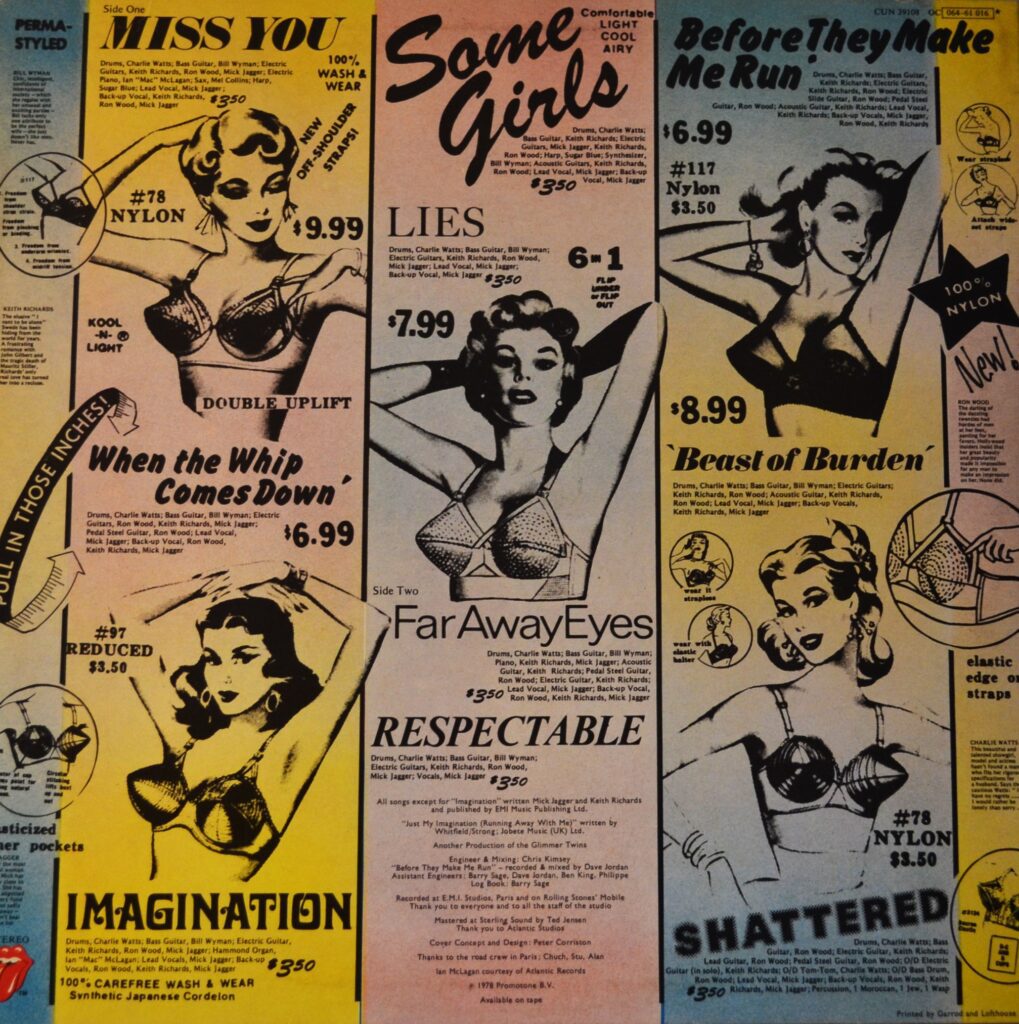
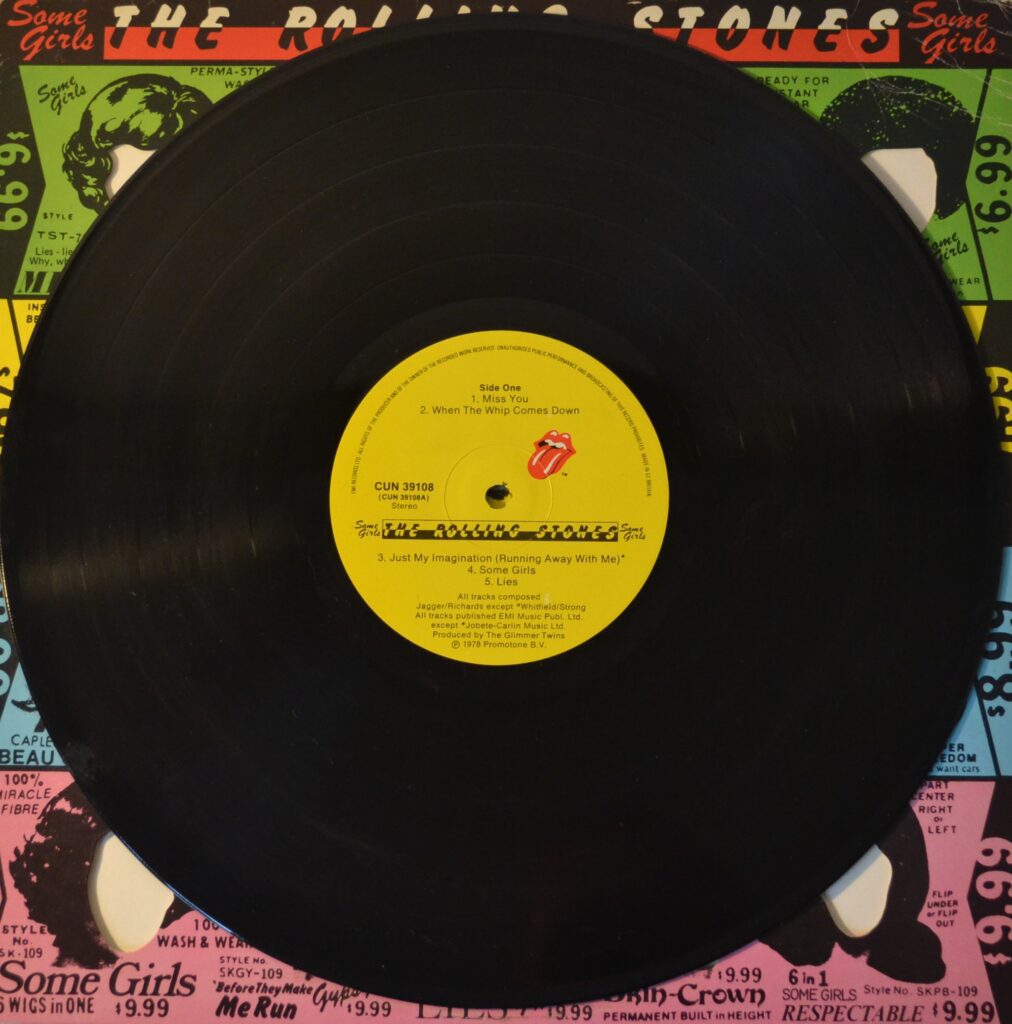
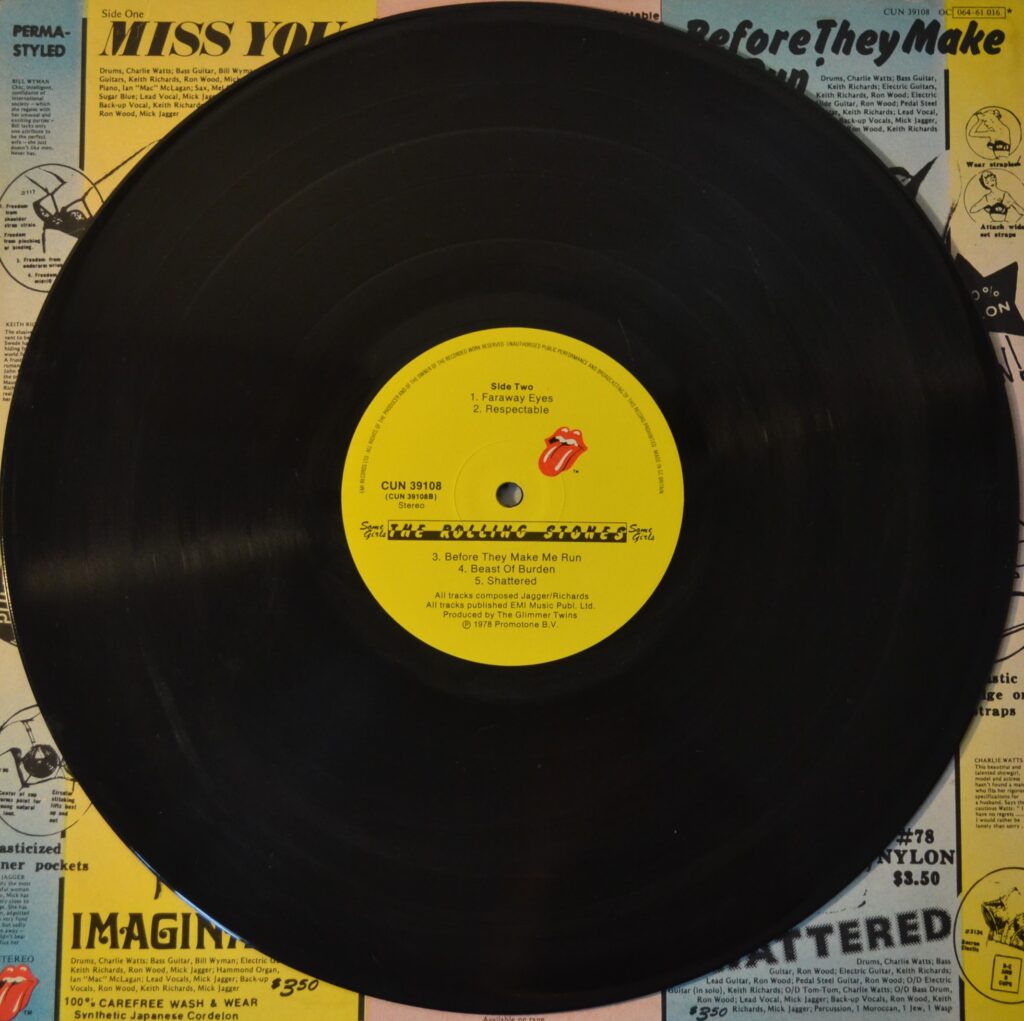
“Some Girls” by The Rolling Stones, released in 1978, encapsulates the rebellious spirit of the late ’70s. The record cataloged as ROLLING STONES RECORDS CUN 39108, OC 064 61016, showcases the band’s ability to evolve and capture the zeitgeist while staying true to their rock and roll roots.
About the Artist
The Rolling Stones, formed in 1962, are a pillar of rock music. Known for their electrifying performances and ground-breaking records, they have influenced countless artists. By 1978, the band had already solidified their place in rock history with hits like “Satisfaction” and “Paint It Black.” “Some Girls” marked their return to raw, vibrant rock, touching on disco and punk influences that permeated the era.
About the Record
“Some Girls” is a thrilling blend of rock, punk, and disco, reflecting the diverse musical landscape of the late ’70s. The album is seen as a rejuvenation for the band, following the tumultuous reception of “Black and Blue” (1976). Tracks like “Miss You” and “Beast of Burden” quickly became fan favorites, showcasing the Stones’ knack for captivating melodies and sharp lyrical wit. The album’s themes cover a range of emotions and situations, from the playful and flirtatious to the edgy and introspective, cementing “Some Girls” as a standout project in their extensive catalog.
About the Cover
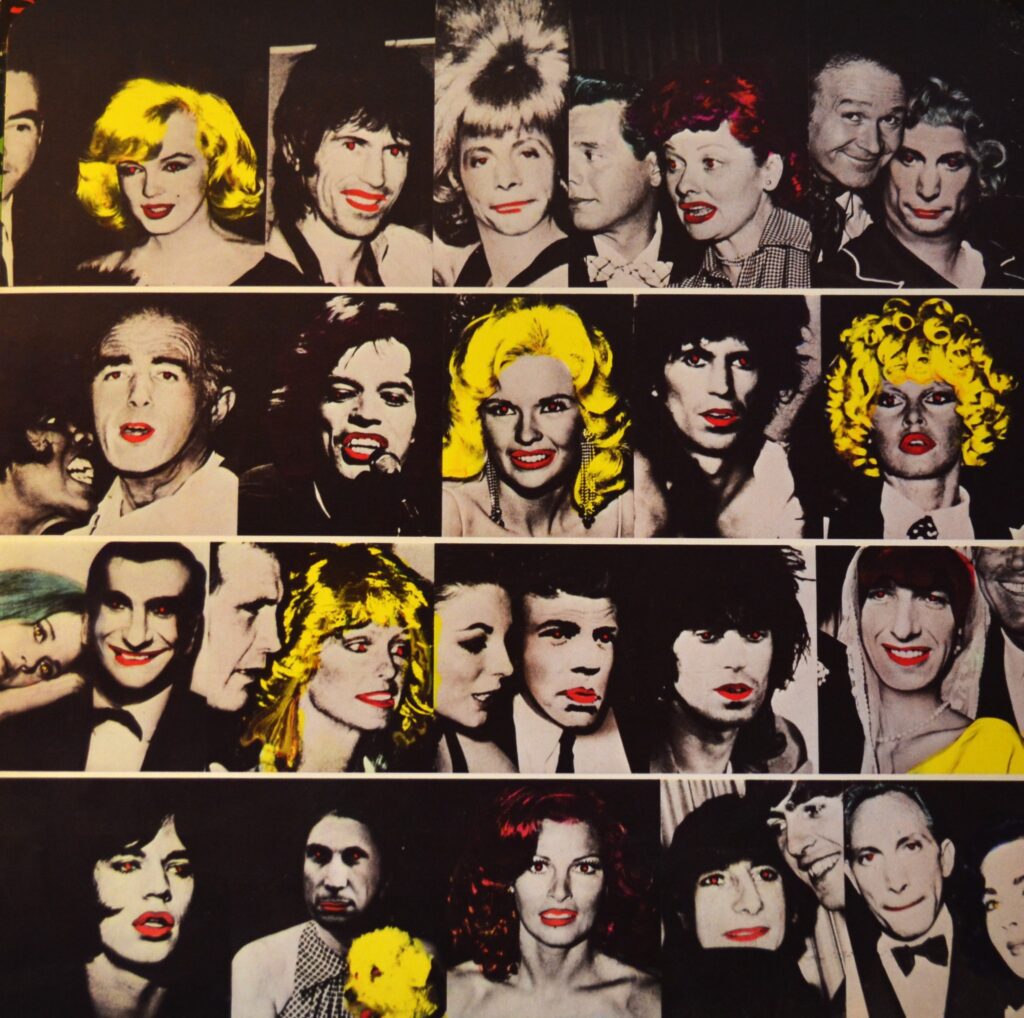
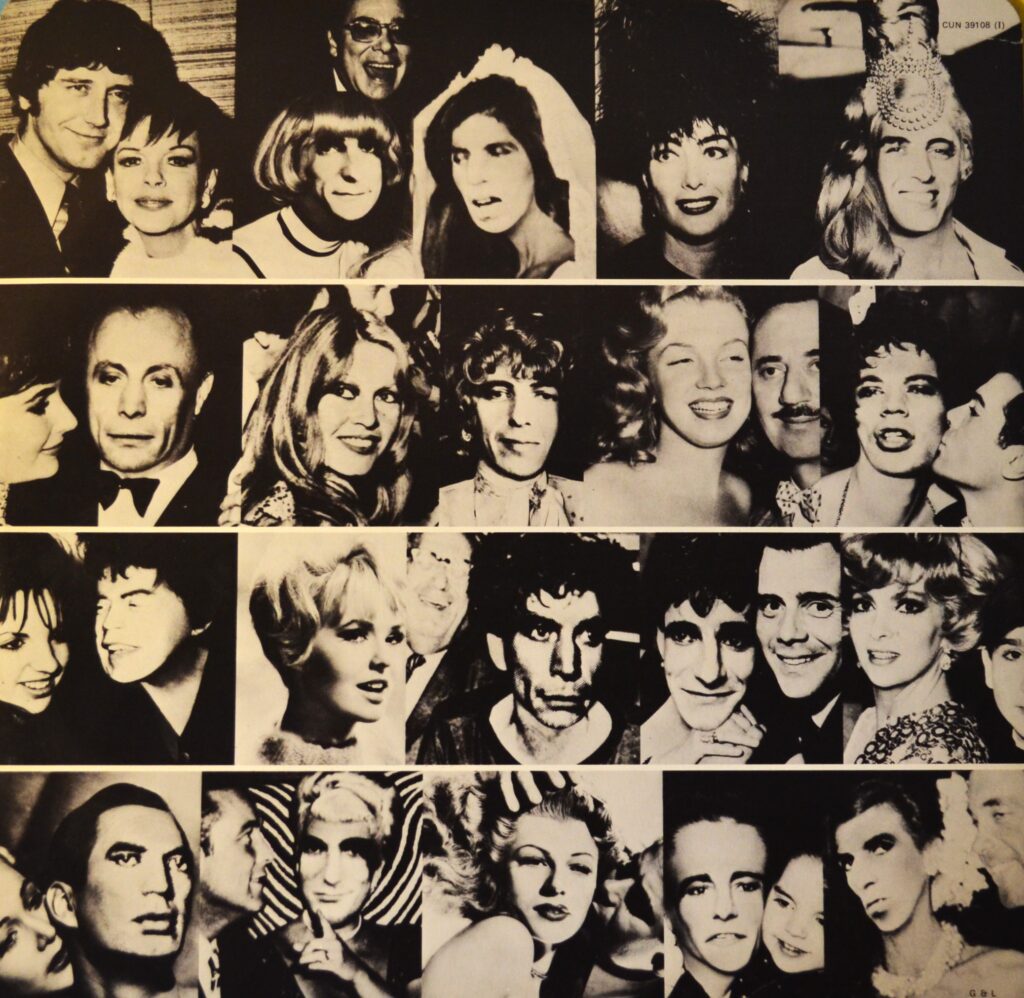
The “Some Girls” album cover is an iconic visual piece. Designed by Peter Corriston and illustrations by Hubert Kretzschmar it features a die-cut design allowing images of the band and various female faces to show through. Originally, the cover included images of famous actresses and women, which led to legal issues prompting an alteration. The vibrant and cheeky design perfectly matched the album’s bold and eclectic spirit, making it a collector’s favorite.
About the Lyrics & Music
Lyrically, “Some Girls” dives into themes of love, longing, and the complexities of relationships with a tongue-in-cheek charm. Tracks like “Miss You” reflect the disco influence, driven by a contagious bassline, while “Beast of Burden” highlights the group’s ability to craft tender, resonant ballads. The controversial title track, “Some Girls,” stands out for its raw and provocative lyrics that sparked public debates and even backlash for candid commentary on women and contemporary society. Despite the controversy, the song’s catchy riff and Jagger’s charismatic delivery earned it a place as a rock staple.
“Shattered,” another standout track, captures the essence of New York City’s grit and glamour with its punk-inspired sound and frantic, poetic lyrics. Meanwhile, the soulful “Just My Imagination (Running Away with Me),” a cover of the Temptations classic, showcases the Stones’ versatility and ability to inject new life into familiar tunes.
Conclusion
“Some Girls” is a testament to The Rolling Stones‘ adaptability and enduring appeal. It’s an album that captures the spirit of its time—imbued with a mixture of rock, disco, and punk—yet remains timeless in its appeal. For fans old and new, this record offers a fascinating glimpse into the late ’70s rock scene and the innovative prowess of one of rock’s most legendary bands.
Other Recommendations
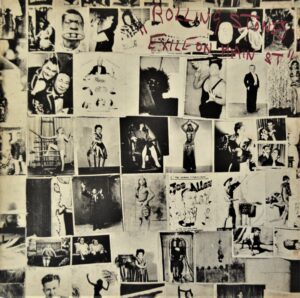
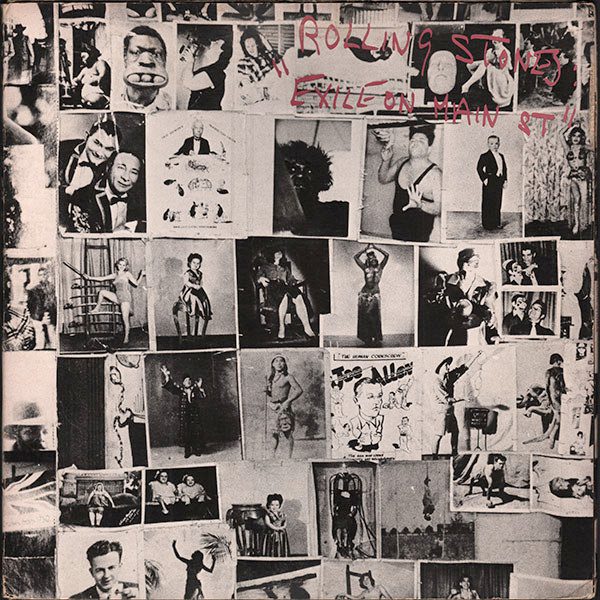
If you enjoyed “Some Girls,” you might also enjoy other Rolling Stones classics like “Exile on Main St.” (1972) for its raw and eclectic sound, and “Sticky Fingers” (1971) for its blend of rock and blues with iconic tracks like “Brown Sugar” and “Wild Horses.” Additionally, consider exploring “Tattoo You” (1981), which contains the perennial favorite “Start Me Up.”
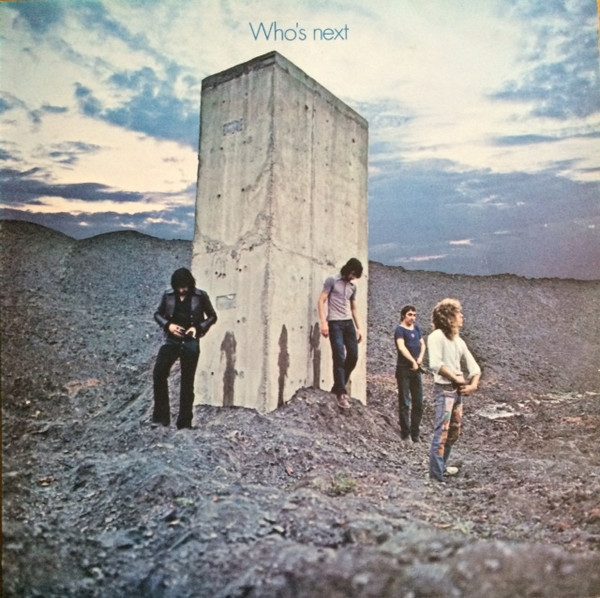
For those interested in music from similar artists, albums like The Who’s “Who’s Next” (1971) and The Clash’s “London Calling” (1979) offer complementary experiences with their powerful rock anthems and experimental styles. You might also enjoy David Bowie‘s “Young Americans” (1975), which showcases his foray into soul and funk, reflecting some of the same genre-bending tendencies found in “Some Girls.”
Hello Timeless Sound
“Some Girls” by The Rolling Stones is more than just a record – it’s a cultural artifact from an era of musical experimentation and social change.