
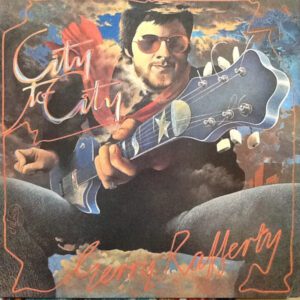
Gerry Rafferty – Baker Street Right Down the Line
City to city Summary: Gerry Rafferty’s “City to City” is a timeless vinyl record that was released in
Free UK shipping on orders over £50, and free shipping to Europe/North America on orders over £100.








Only 1 left in stock
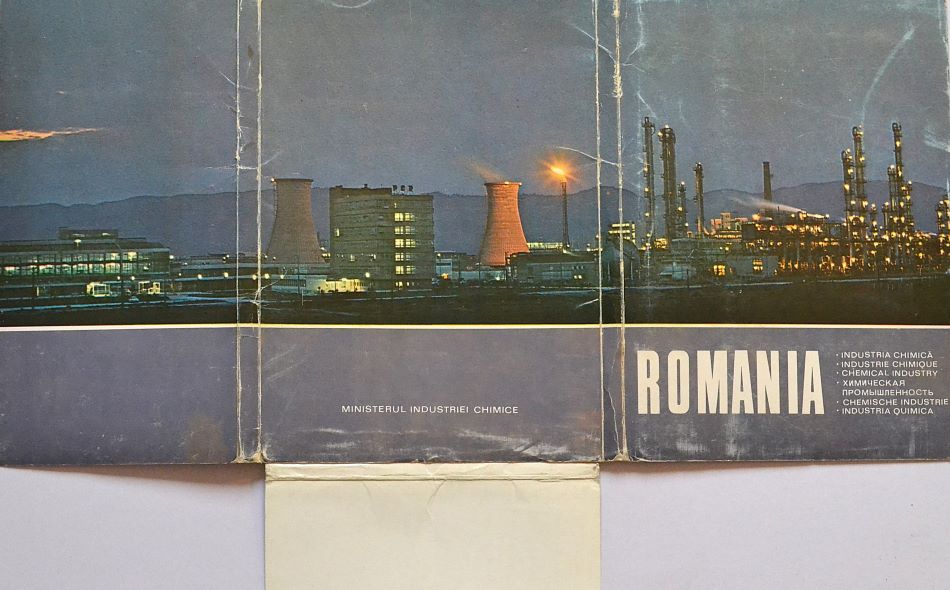
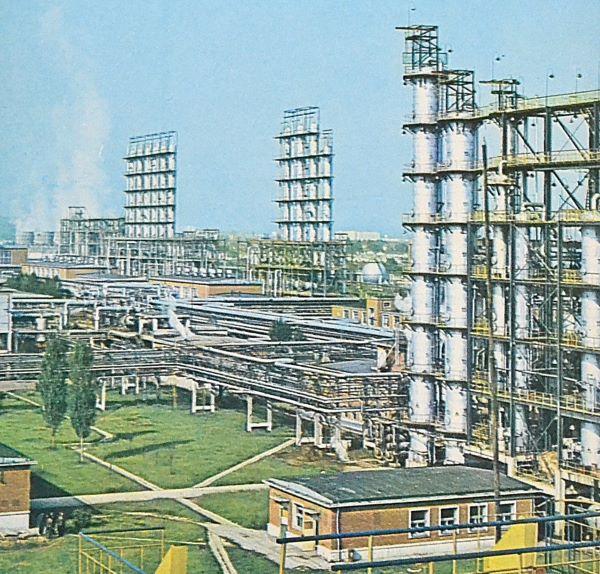
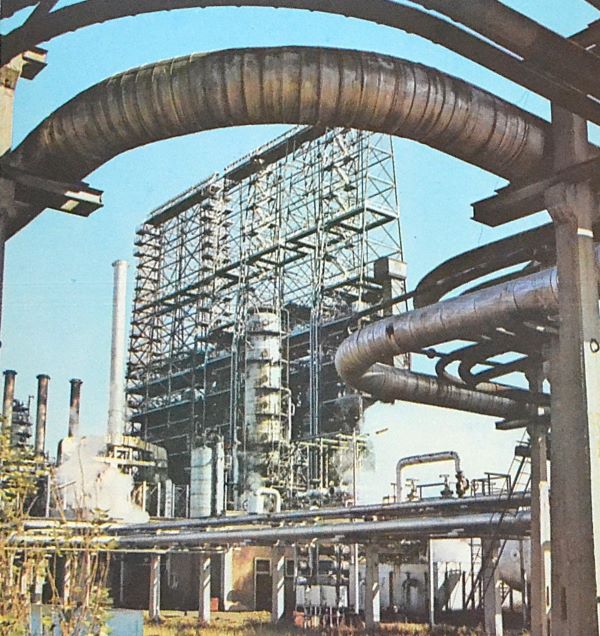
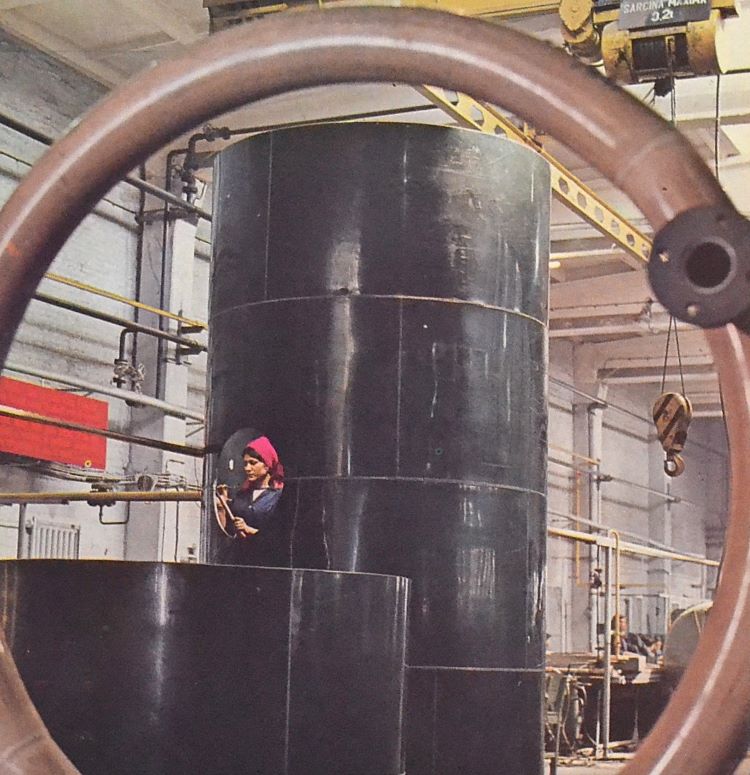
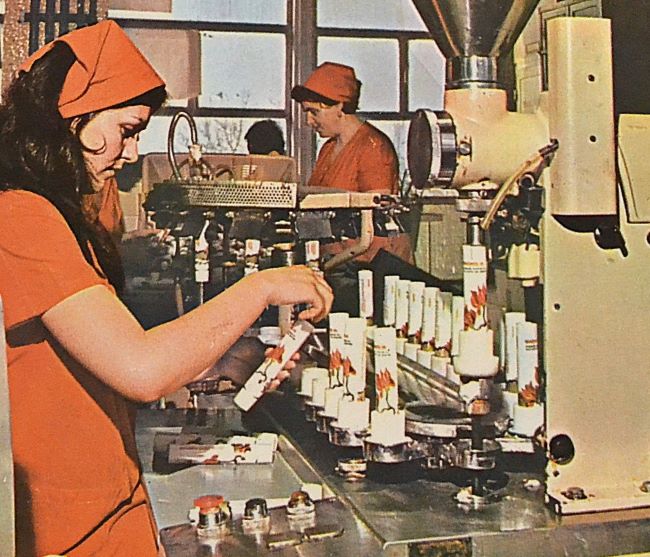
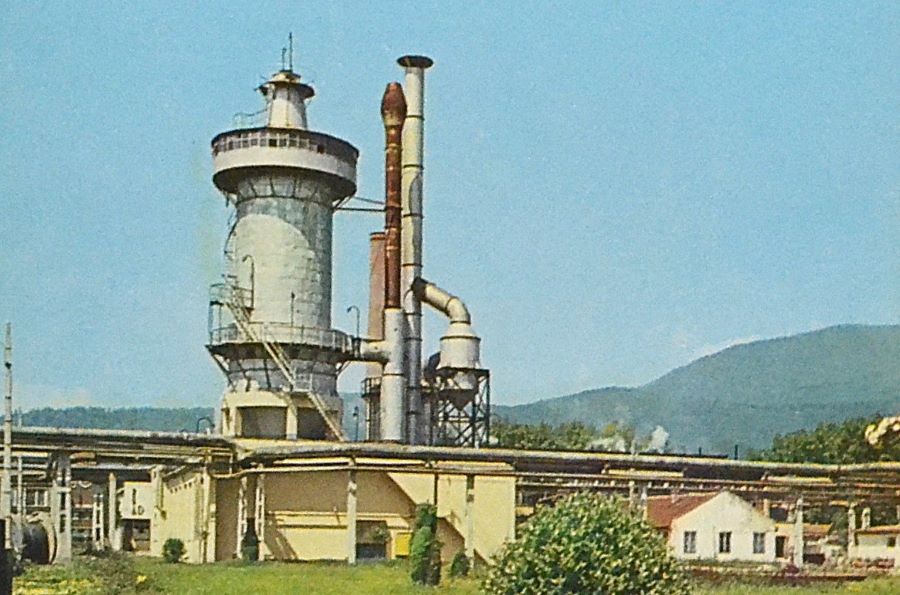
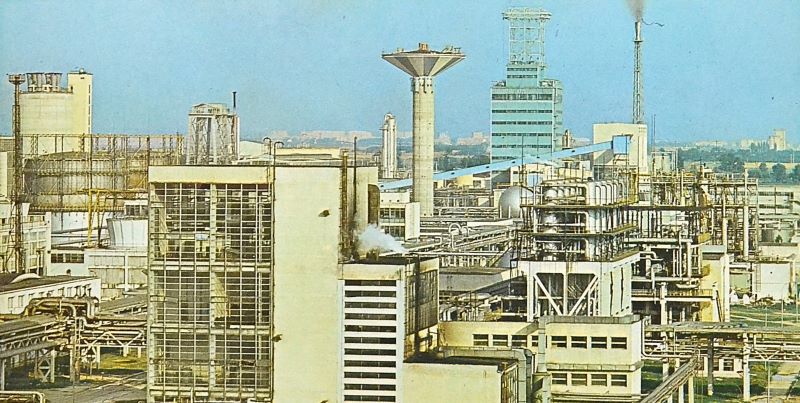
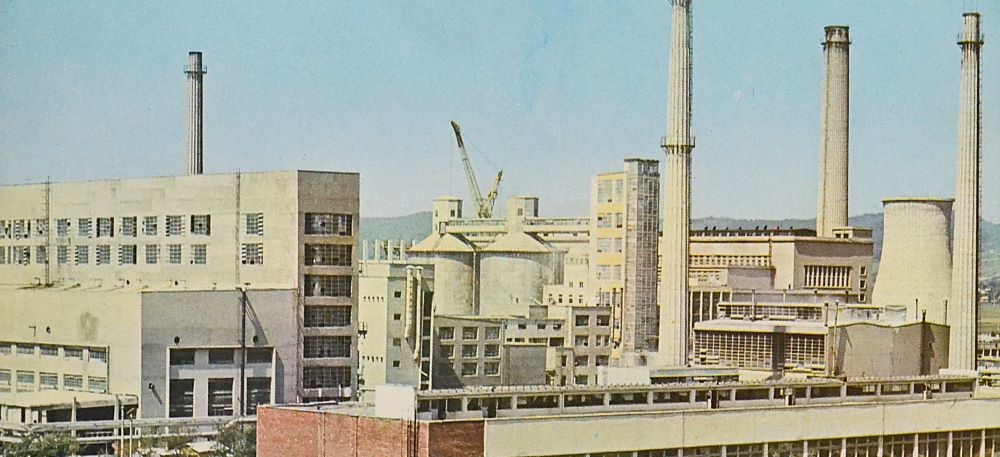
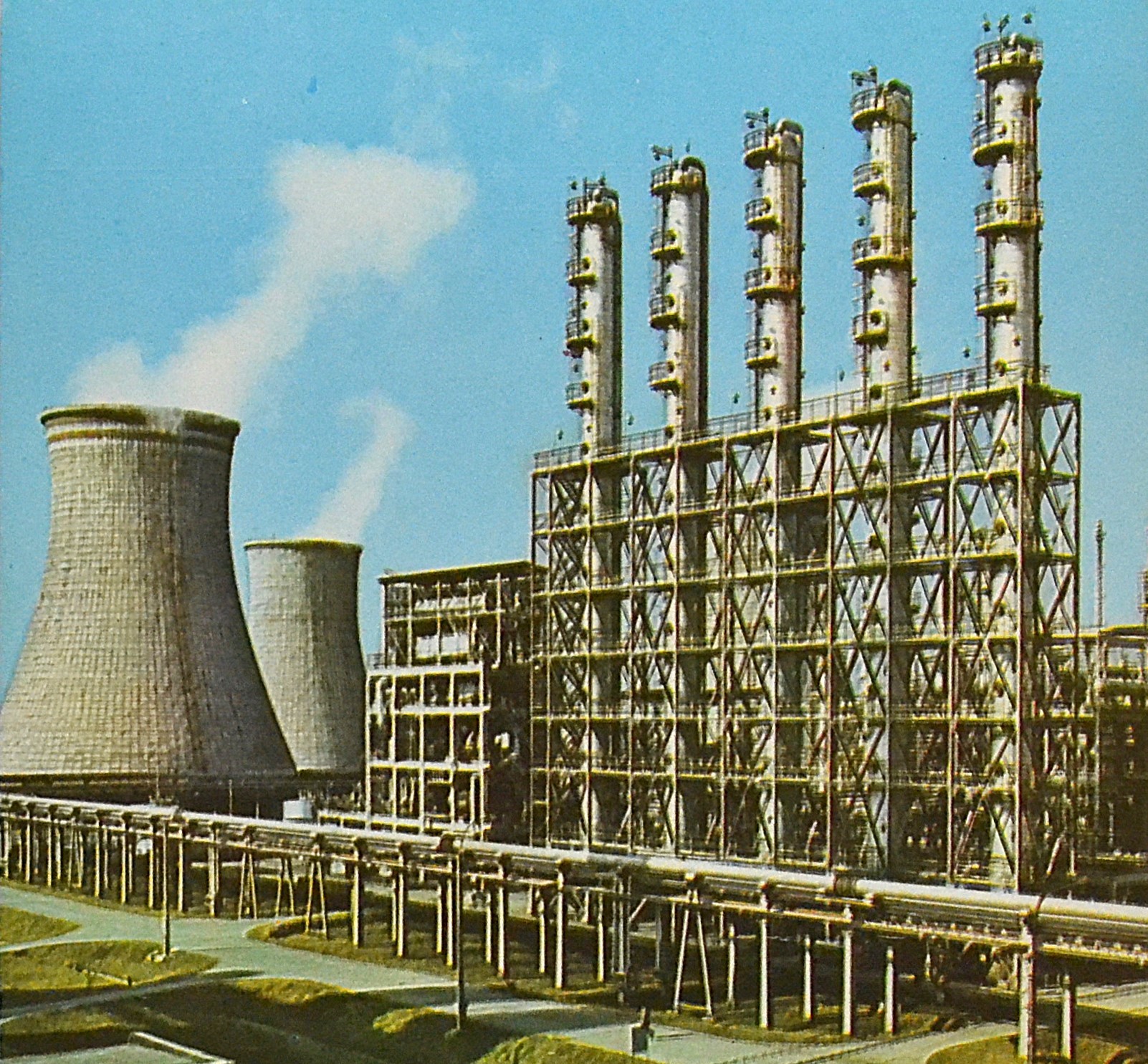
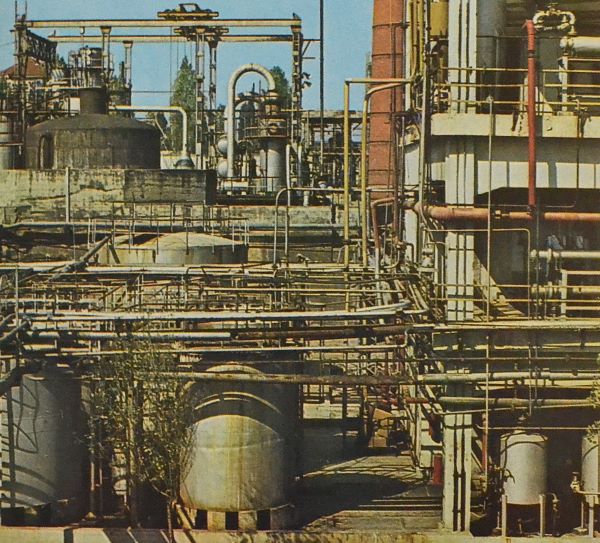
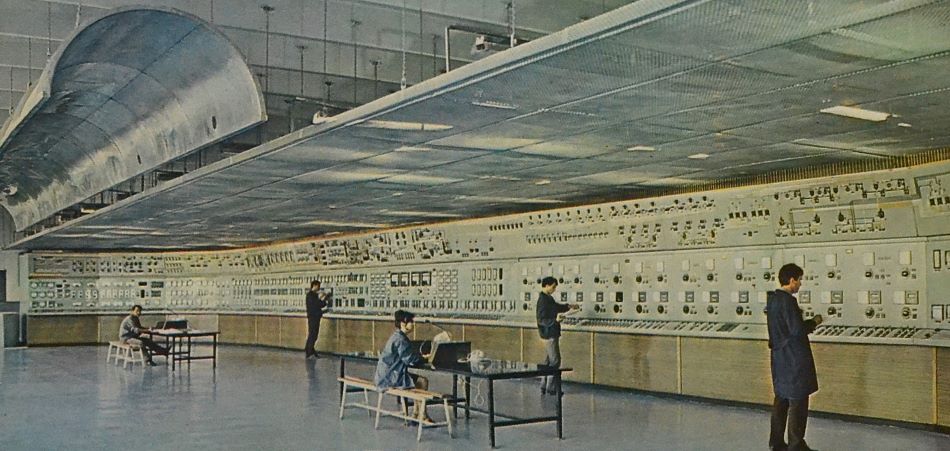
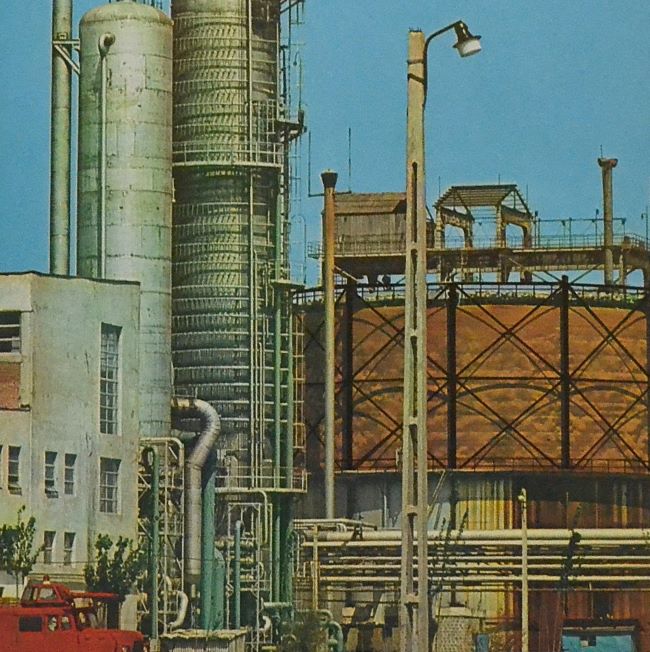
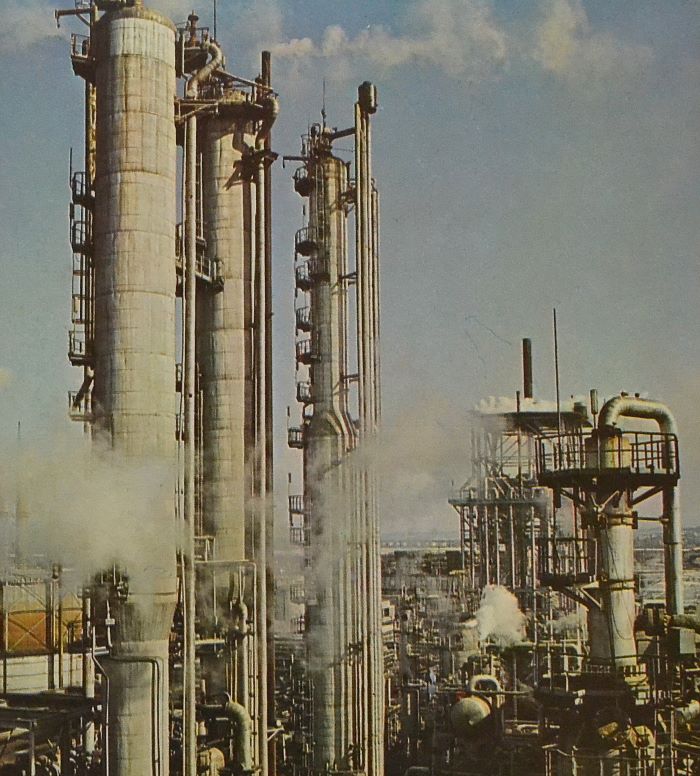
Postcards capture places in multiple frames, like this vintage Romanian scene of an illuminated industrial complex at dusk. Printed images travel farther than we do, carrying atmosphere, history, and design. A few lines on the back turn a picture into a personal souvenir shared across distances for years afterward.
Tuesday 10 February 2026
Disclaimer: These postcards are part of Romanian history and are not for propaganda purposes.
20 Postcards.
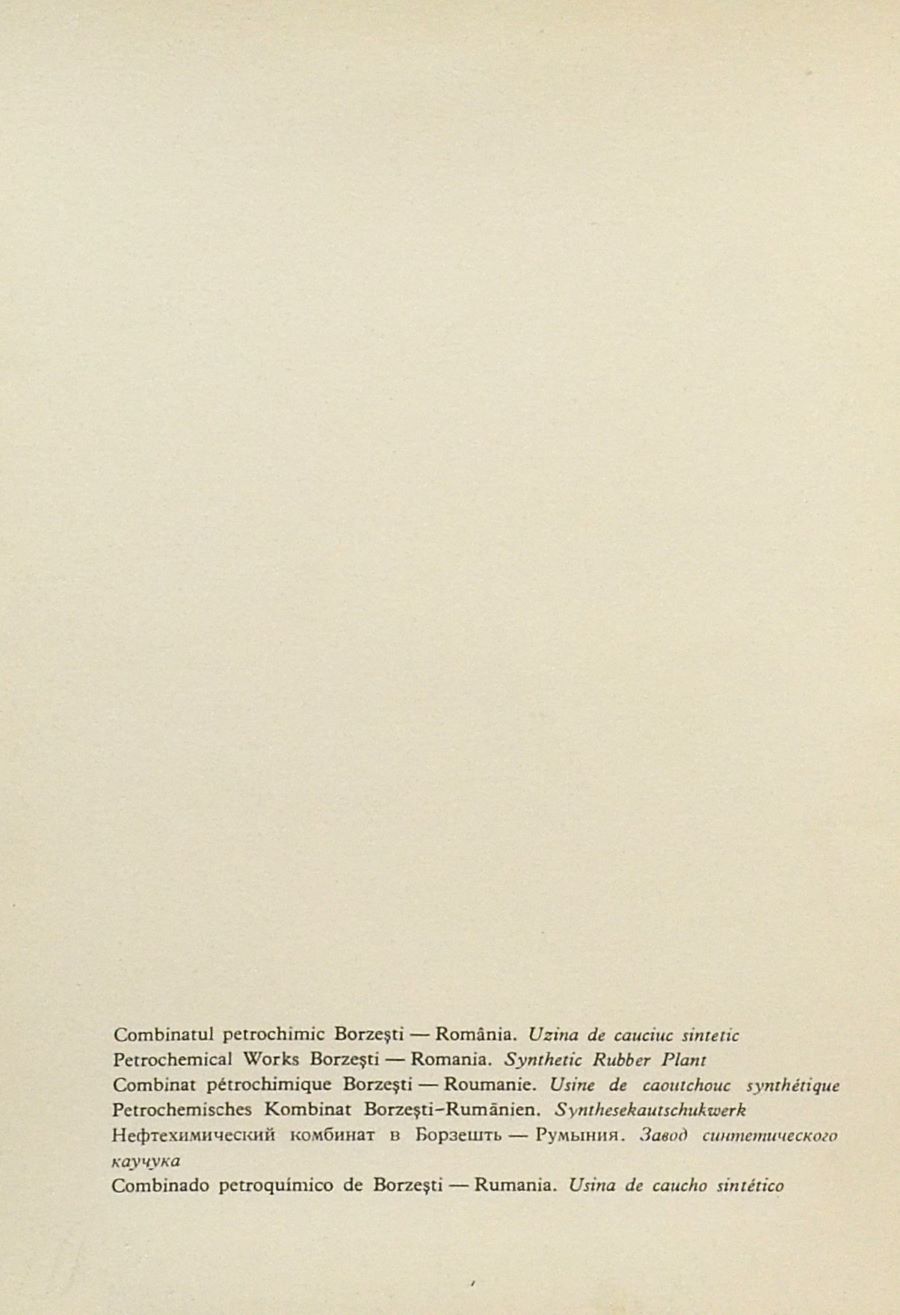
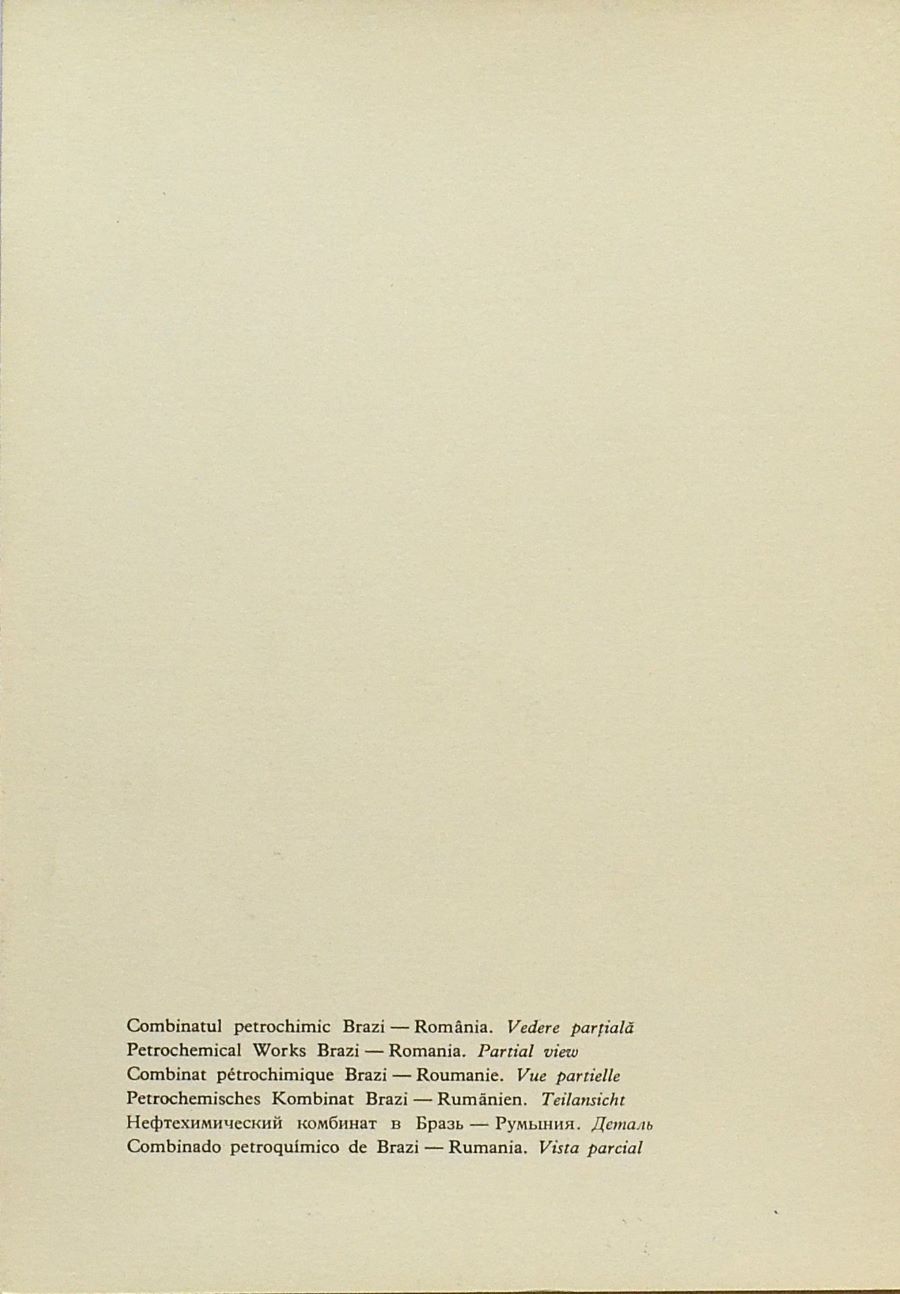
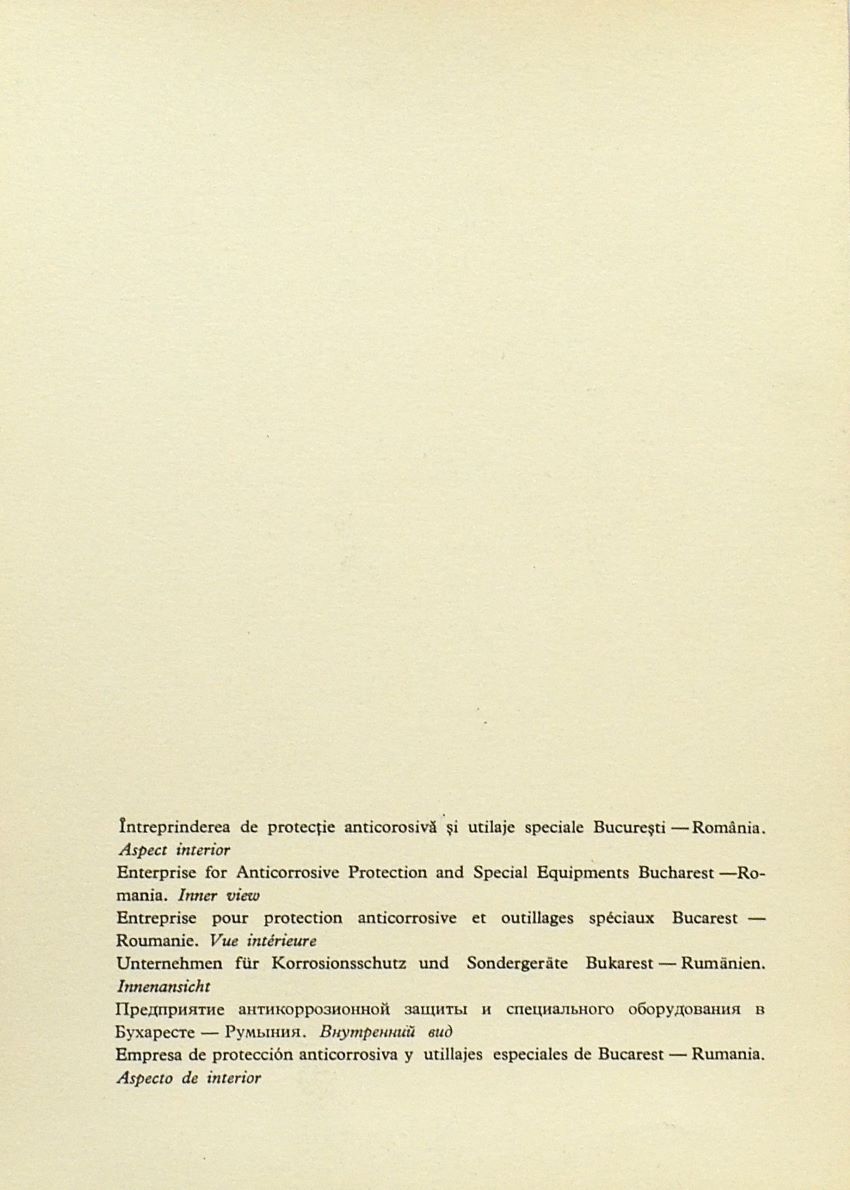
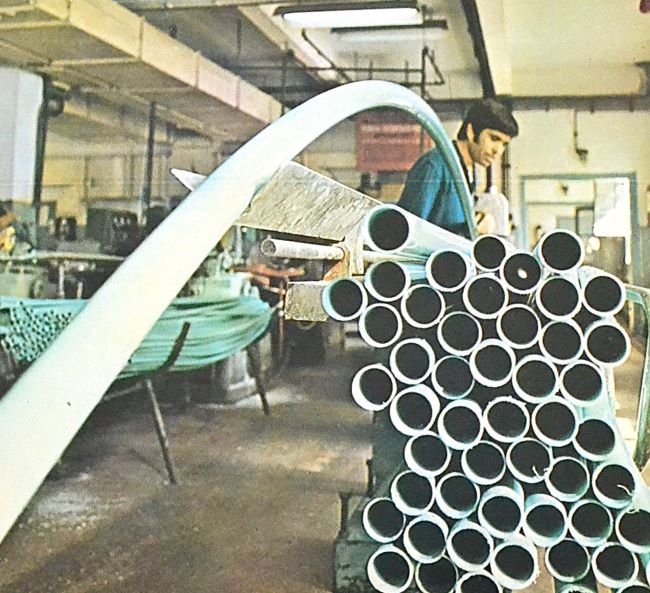
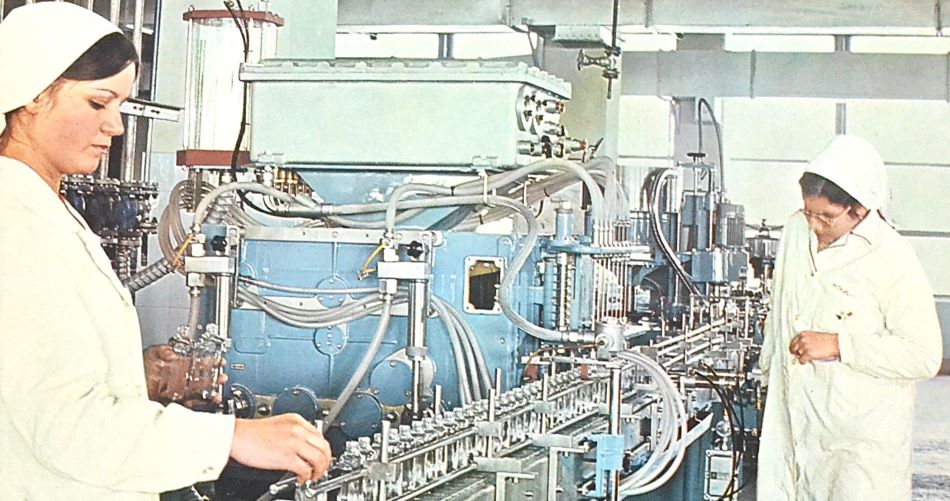
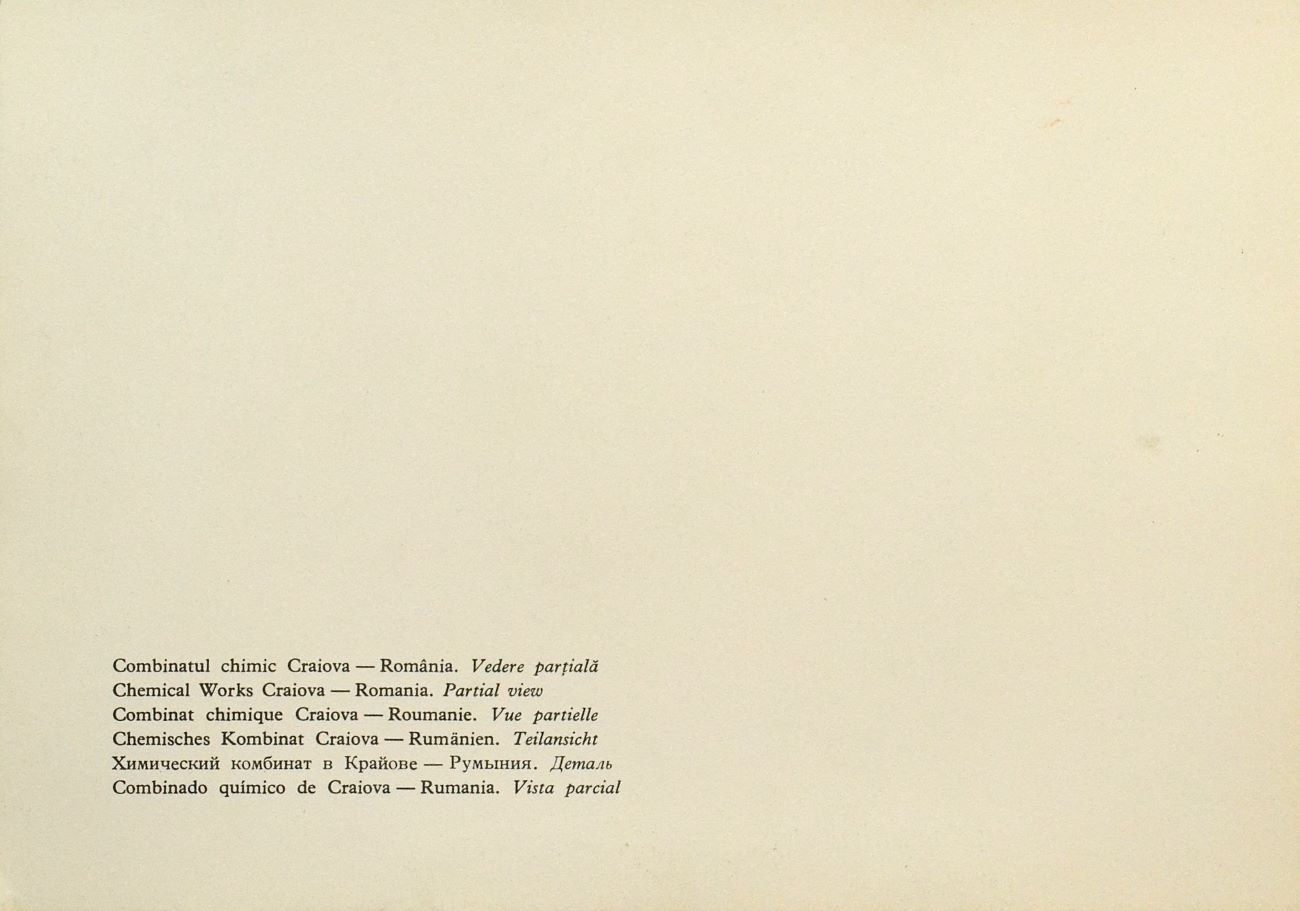
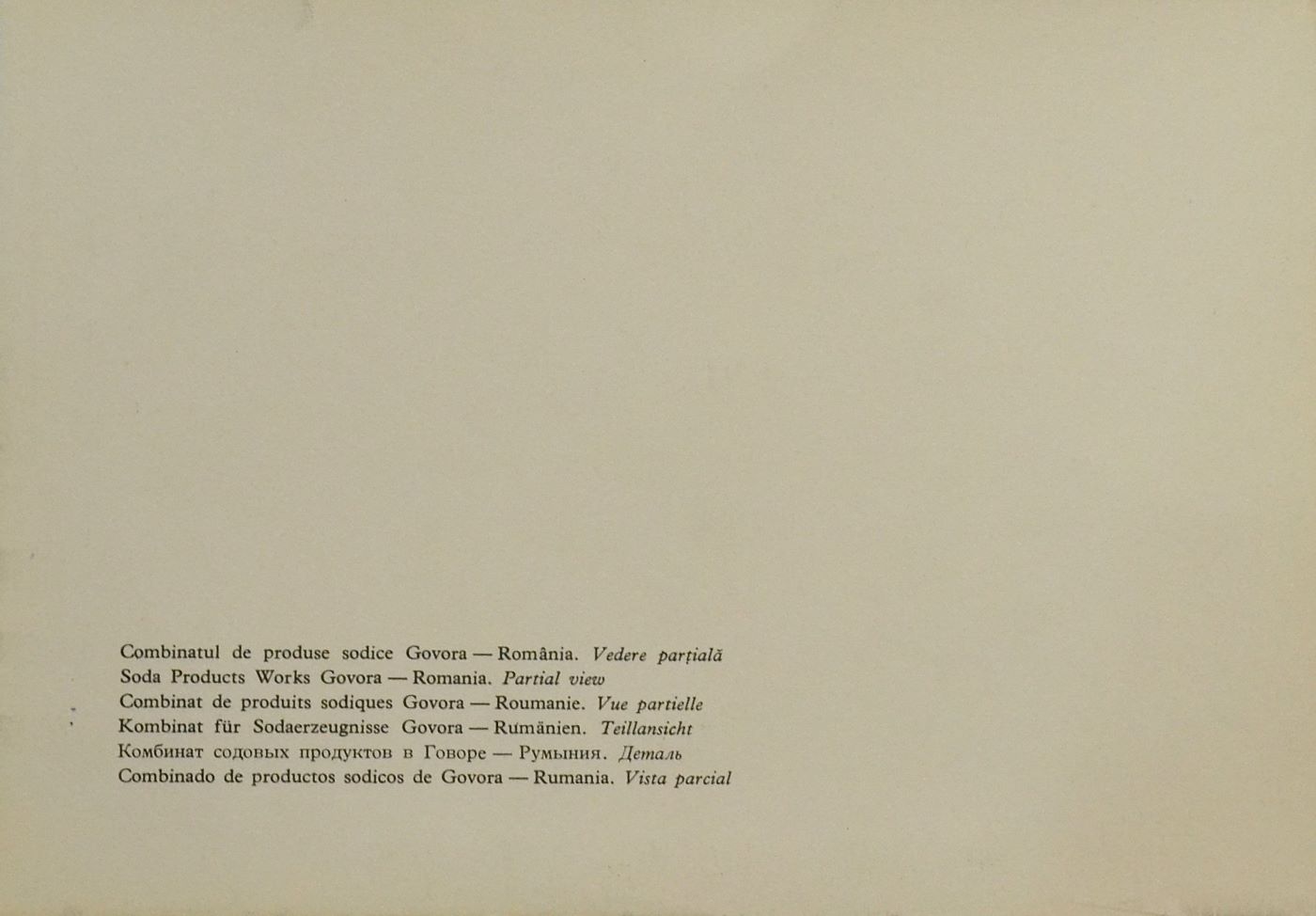
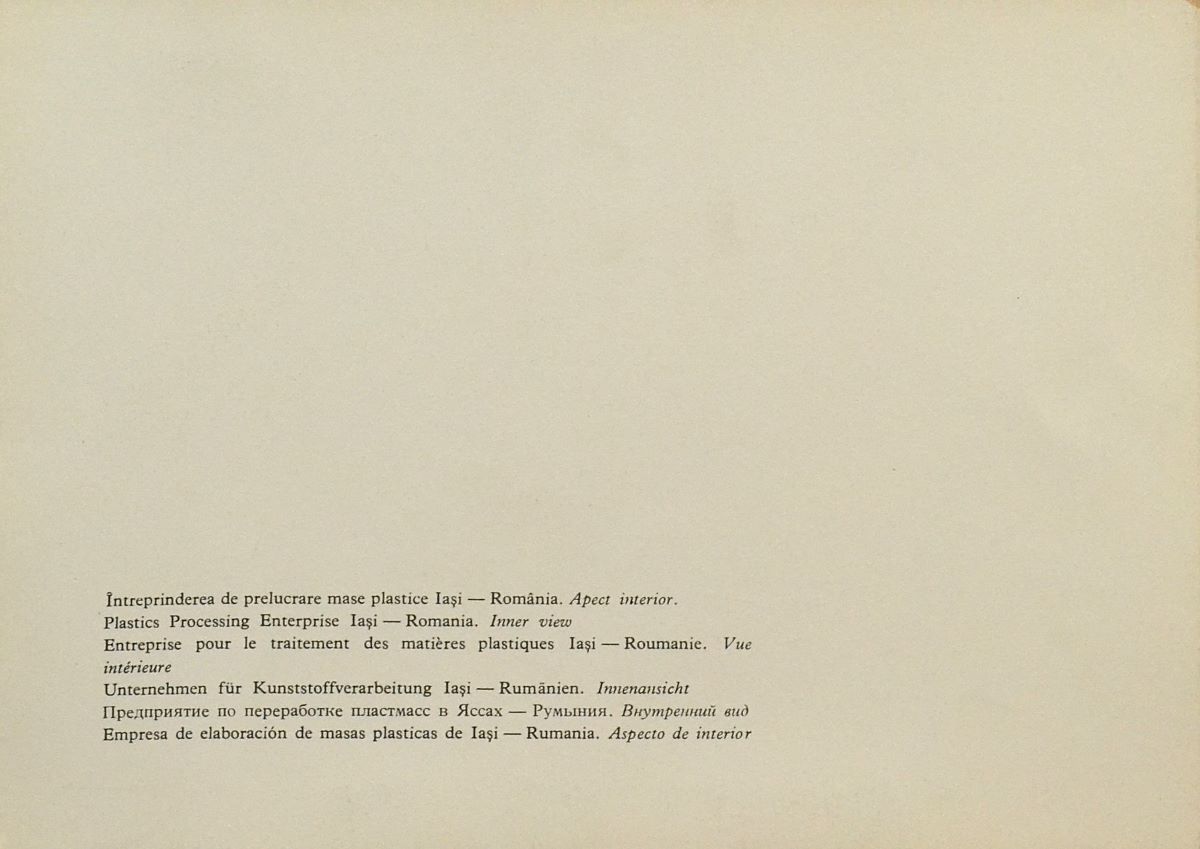
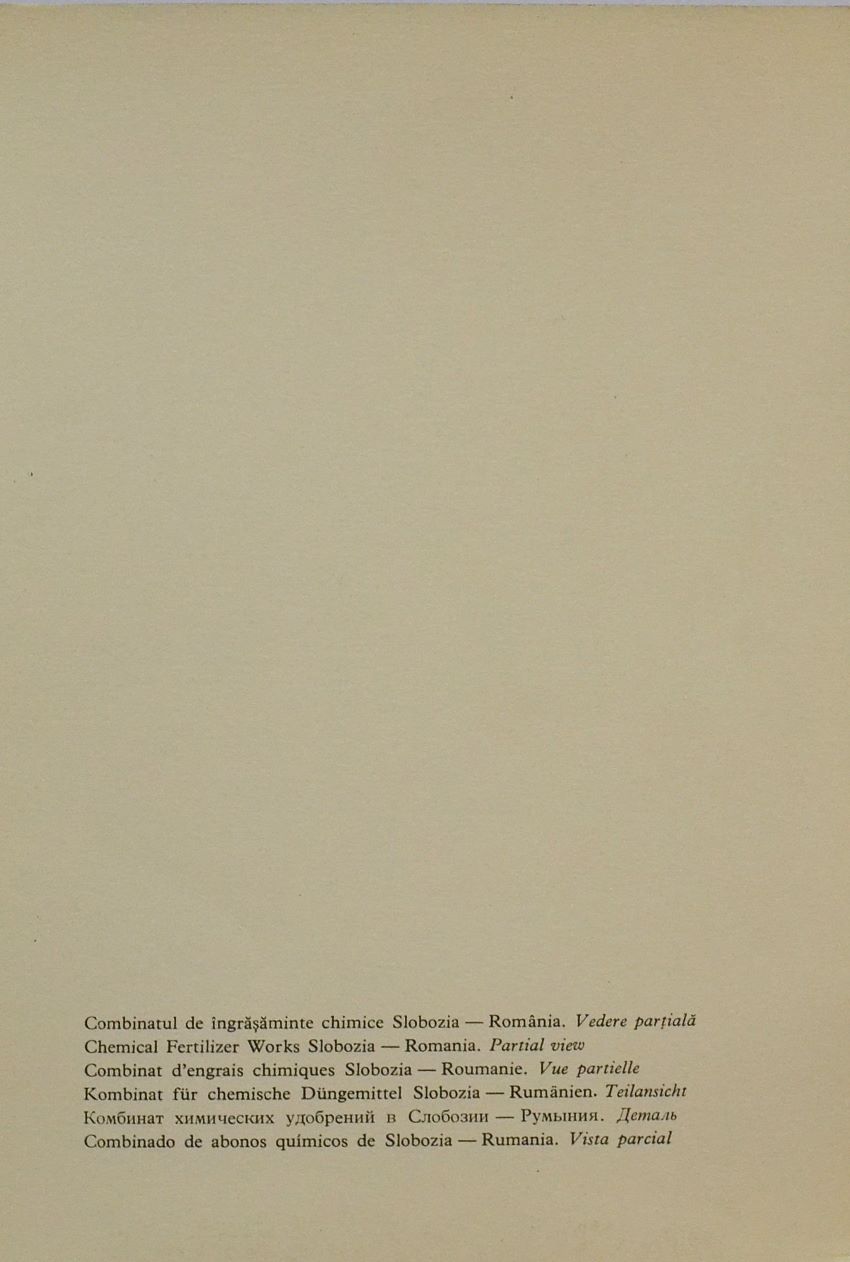
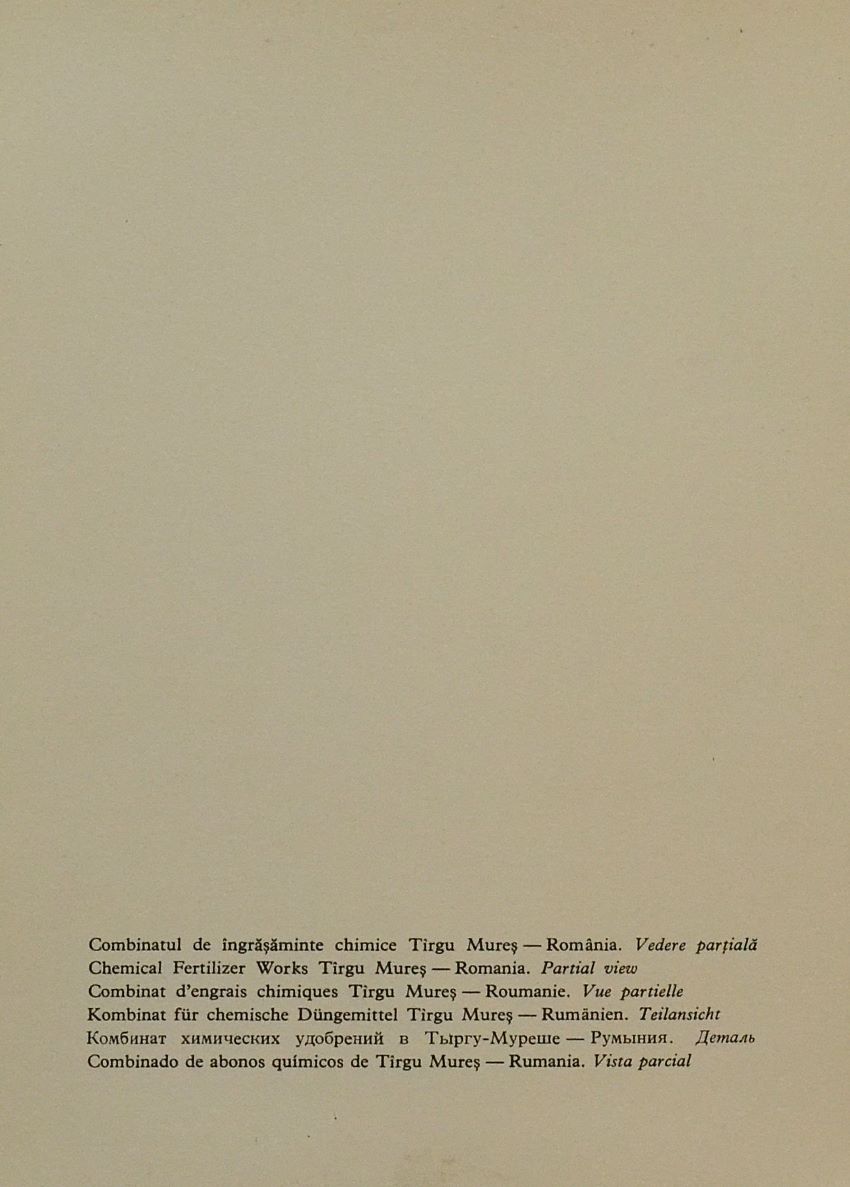
Combinatul Petrochimic Borzesti (Uzina de cauciuc sintetic), Combinatul Petrochimic Brazi, Intreprinderea De Protectie Anticoroziva Si Utilaje Speciale Bucuresti, Intreprinderea De Anvelope “Danubiana” Bucuresti, Institutul de Cercetari Chimice ICECHIM Bucuresti, Intreprinderea De Prelucrare Mase Plastice Bucuresti, Intreprinderea De Produse Cosmetice “Miraj” Bucuresti, Intreprinderea De Produse Cosmetice “Farmec” Cluj-Napoca, Intreprinderea De Coloranti “Colorom” Codlea, Portul Constanta (Incarcarea Produselor Chimice), Combinatul Chimic Craiova, Combinatul De Produse Sodice Govora, Intreprinderea De Prelucrare Mase Plastiec Iasi, Intreprinderea De Fibre Sintetice Iasi, Intreprinderea De Antibiotice Iasi, Combinatul Petrochimic Pitesti, Intreprinderea De Detergenti Ploiesti, Combinatul De Fibre Sintetice Savinesti, Combinatul De Ingrasaminte Chimice Slobozia si Combinatul De Ingrasaminte Chimice Targu Mures.
If you’ve ever held a postcard and felt a strange mix of curiosity and nostalgia, you already understand the magic: a postcard is both an image and a message, both art and evidence. It’s a portable witness to a city’s skyline, to fashion, to propaganda, to tourism, to how a country wanted to be seen… and sometimes to what later disappeared.
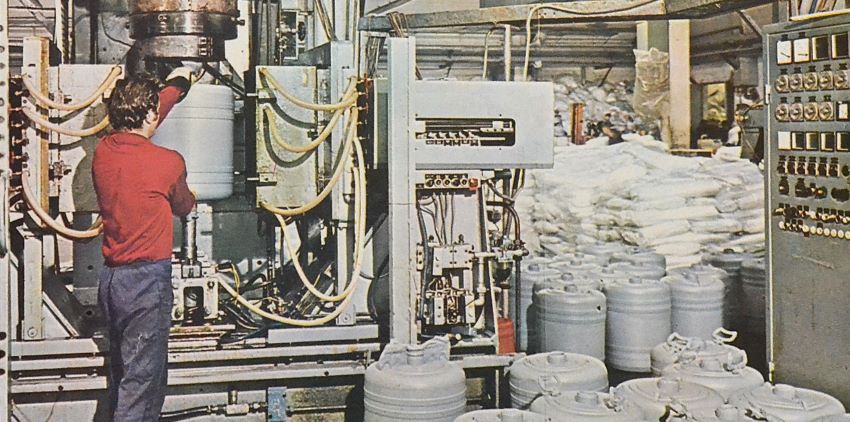
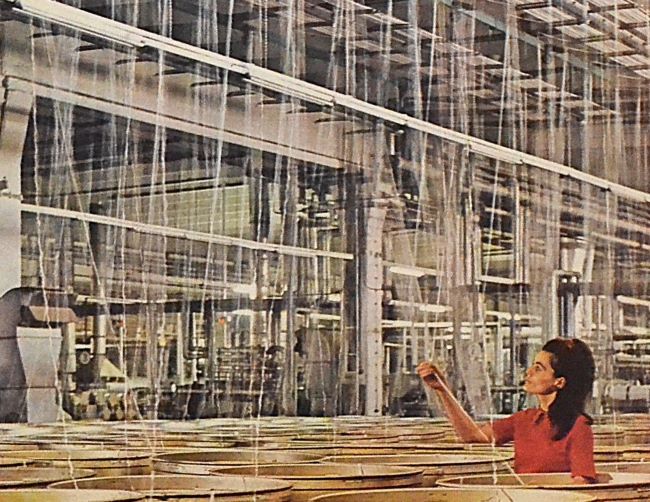
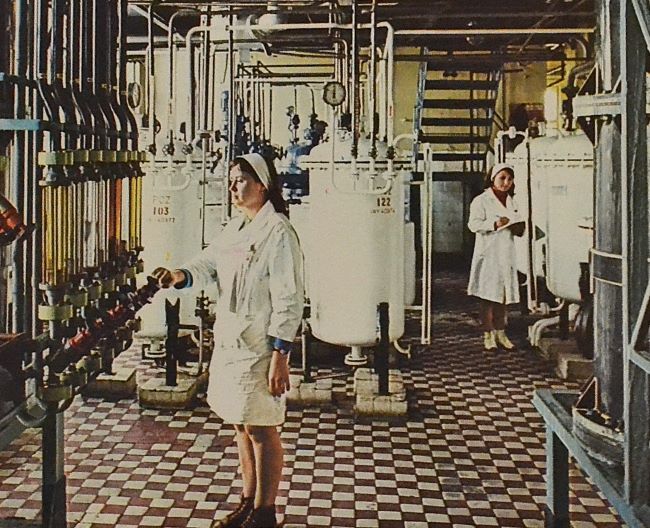
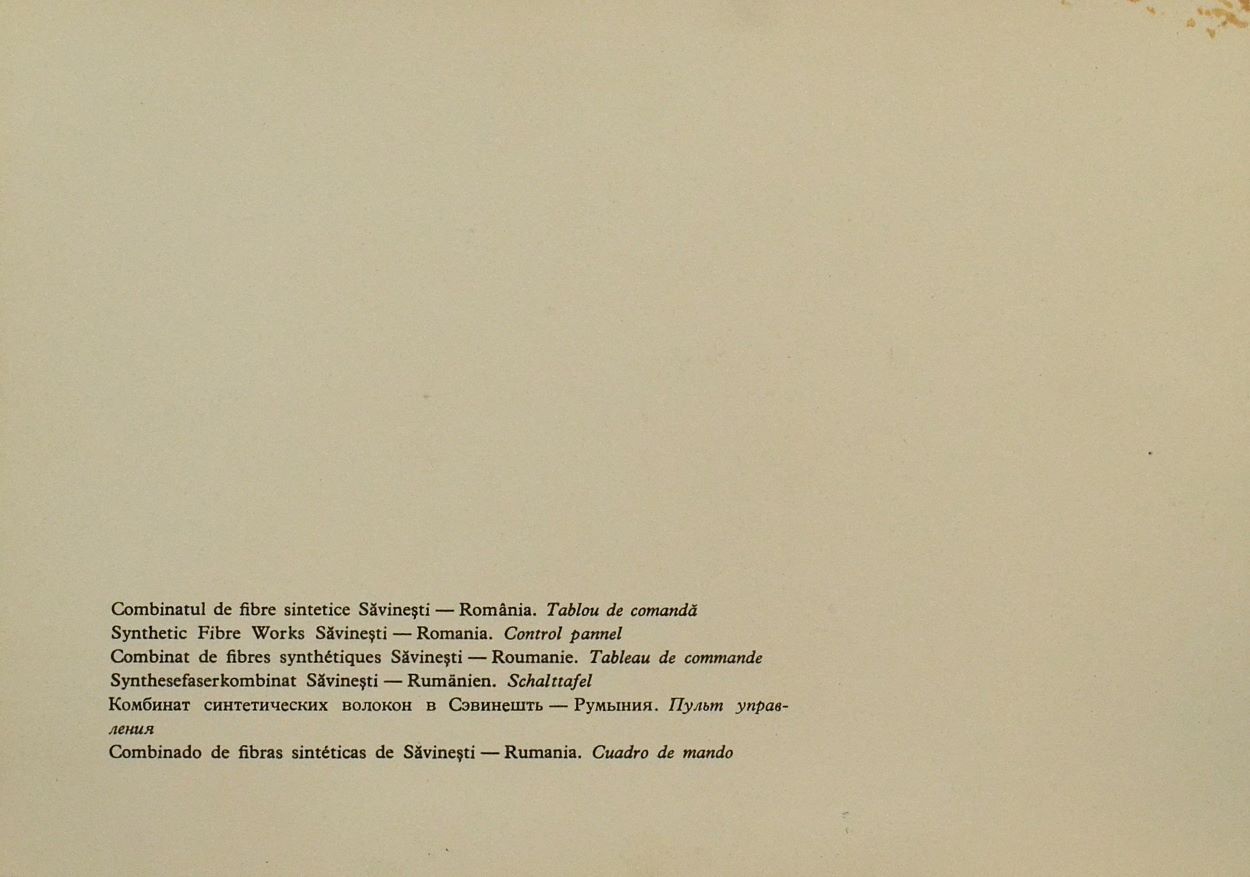
This article is about postcards in general—but with a special focus on a fascinating niche: Romanian industrial and chemical-industry postcards like the ones in your images (Borzești, Brazi, Pitești, Craiova, Govora, Slobozia, Târgu Mureș, Săvinești, Iași, Codlea, Bucharest enterprises, Port of Constanța). These aren’t the “cute souvenir” kind. They’re historical documents in full color.
A postcard is a mass-produced, mailable image designed to travel cheaply and quickly. But for collectors, it’s more than that:
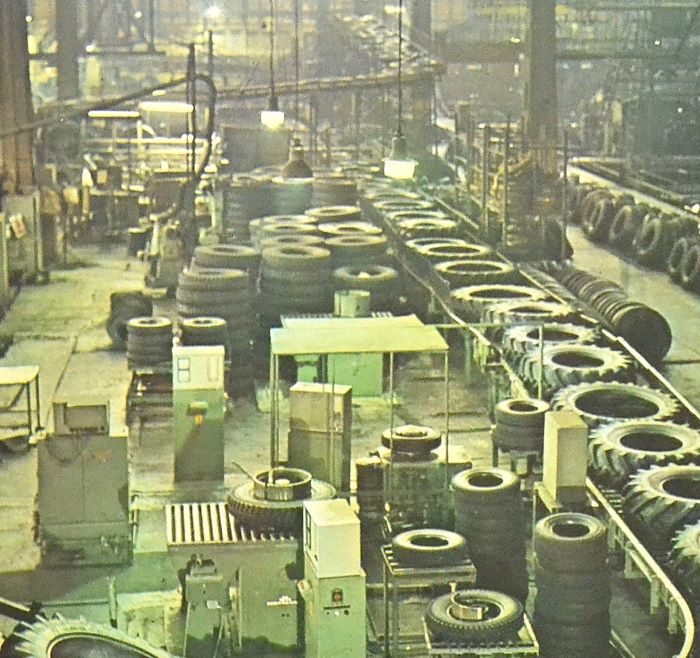
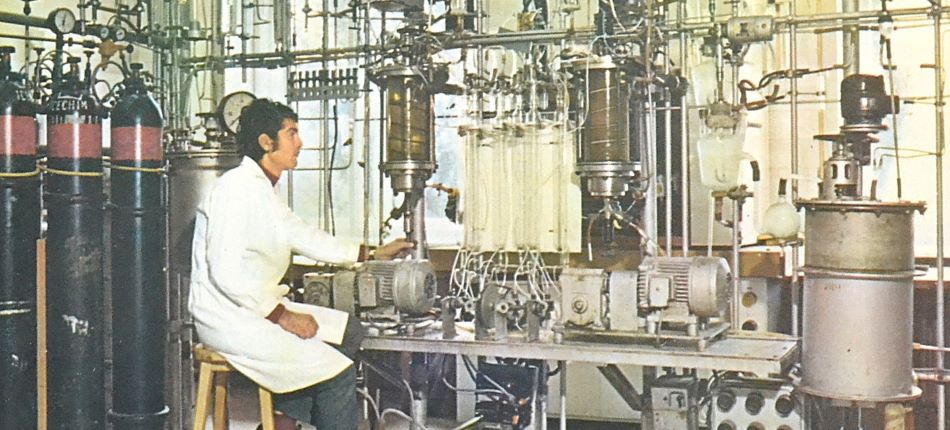
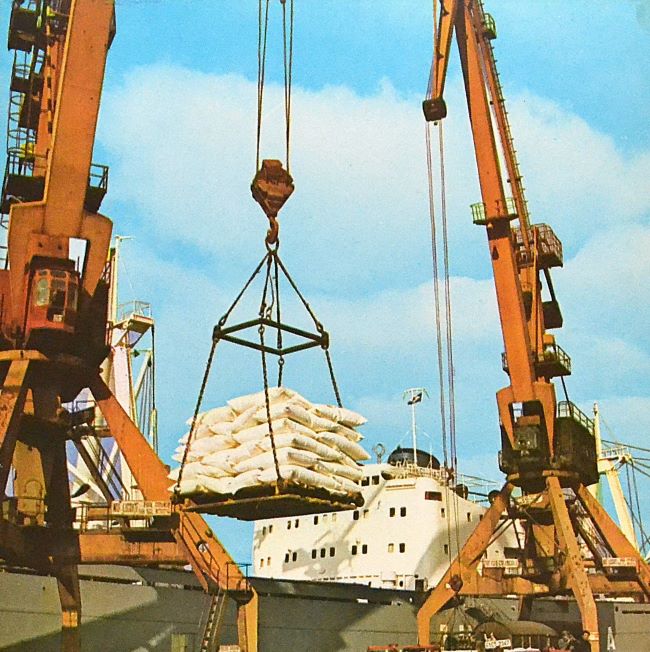
A postcard often preserves details that museums never archived: a factory gate sign, a pipeline network, a control room layout, a lab bench arrangement, the look of a port loading system.
Digital photos are infinite—and that’s exactly why they feel disposable. Postcards survive because they are finite.
A postcard has:
Industrial postcards are especially strong here: they were often printed as institutional PR, meaning they were curated, deliberate, and sometimes surprisingly expensive for their time.
Most people collect:
Industrial postcards are different. They show:
And that’s exactly why they stand out.
Industrial postcards were often:
When factories closed, entire visual archives were discarded, and postcards became accidental survivors.
Your set reads like a visual atlas of Romanian industrial ambition:
These are not just postcards. They are industrial portraits.
A few quick facts that make postcard collecting instantly richer:
Industrial Romanian postcards belong strongly to that last category: progress on paper.
The market direction over the last 20 years is clear and observable if you track listings, sold items, and collector groups.
Collector effect: early adopters could build serious collections cheaply.
Collector effect: the market widened, but competition grew; good items got picked faster.
Collector effect: the best Romanian industrial cards increasingly behave like international niche collectibles, not local flea-market leftovers.
Across these platforms, industrial postcards moved from “nobody’s priority” to “niche premium.” As the physical industry disappeared or transformed, the images gained emotional and documentary value.
Between the 1970s and late 1980s, Romania pursued large-scale industrialization, and the chemical sector became a strategic pillar because it fed everything:
This is the world your postcards capture: a network, not isolated factories.
In the images:
It took massive effort to build: heavy equipment, specialized engineers, long commissioning cycles, and entire towns shaped by plant schedules and rail spurs.
After 1990, Romanian heavy industry—including chemical production—was hit by multiple shocks:
It’s common in post-socialist economies to see downsizing + closures + asset stripping in certain sectors. In Romania, many former industrial platforms were:
Întreprinderea de mase plastice București → Prodplast → relocation / Promateris, and the sense that the original industrial identity was wiped out.
That pattern is real across many places: even when a successor company survives, the site and public memory often don’t. Postcards become proof that “this existed,” showing interiors, machines, and workflows that never made it into mainstream history.
By 2026, Romania still have chemical and adjacent production capacity (including pharma and consumer chemical products), but the sector is more fragmented, with fewer gigantic integrated platforms, and stronger dependence on:
Some brands/enterprises survived by adapting; others became case studies in deindustrialization. Public debate often points to policy failures, neglect, and allegations of corruption, but the full story is usually a mix of economics, governance, technology gaps, and global market timing.
And this is where postcards become emotionally powerful: They don’t argue. They show.
If you want a collection with depth (not just quantity), do this:
Examples:
Are written postcards worth more than blank ones? Sometimes yes—especially if the postmark date, stamp, or message adds context. For industrial cards, written examples can anchor time and place.
What’s the most underrated niche in Romania? Industrial, research, and “everyday production” cards (detergents, plastics, control rooms). They’re historically rich and still relatively under-collected compared to castles and old town squares.
Okazii vs. OLX vs. eBay—where should I buy?
Postcards are not small. They’re compressed history.
Romanian industrial postcards are uniquely collectible because they capture a world that, in many places, has been physically dismantled or repurposed. When factories become scrap and platforms become malls, the postcard becomes something unexpectedly important: a remaining public image of what once powered cities, careers, and national plans.
If you collect them, you’re not just collecting paper. You’re building an archive that the future won’t be able to reconstruct.
Find related collectibles that complement your current collection. From pieces of the same era or by the same artist to similar themes or materials, these related products are sure to add value and interest to your collection. Discover new gems and expand your collection with our carefully curated selection.
Take your collecting passion to the next level by diving into the history and cultural significance of your favorite pieces. Our expertly curated articles provide in-depth information on rarity, value, and more. Discover hidden gems and gain a deeper appreciation for the collectibles you love with our latest articles.
City to city Summary: Gerry Rafferty’s “City to City” is a timeless vinyl record that was released in
Summary: If you’re a fan of classic rock, then you’ve probably heard of Uriah Heep. This British band
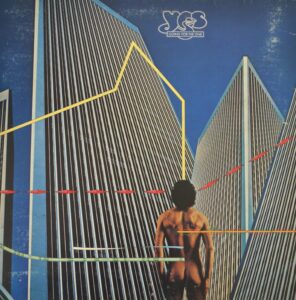
Exploring the Vinyl Magic: “Going for the One” SummaryWe’re winding back the music clock to 1977 when progressive
Free shipping in the UK for orders over £50, and in Europe/North America for orders over £100.
At CelebrisClub, we believe that every collectible tells a story. That’s why we provide you with the most detailed and informative information on ultra-rare collectibles. From limited-edition releases to vintage finds, our expertly curated selection offers a wide range of collectibles for every collector. Expect high-quality images, in-depth articles, and a trustworthy and enjoyable shopping experience. Join us on a journey to discover the hidden gems of collecting and unlock the world of ultra-rare collectibles.
© 2023 CELEBRISCLUB – All rights reserved.
Reviews
There are no reviews yet.
Only logged in customers who have purchased this product may leave a review.