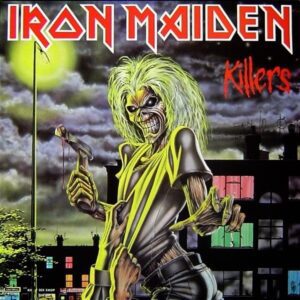
Iron Maiden – Killers – Original UK Press
Summary Iron Maiden’s Killers is a classic heavy metal album that was released in 1981. It was the
Free UK shipping on orders over £50, and free shipping to Europe/North America on orders over £100.
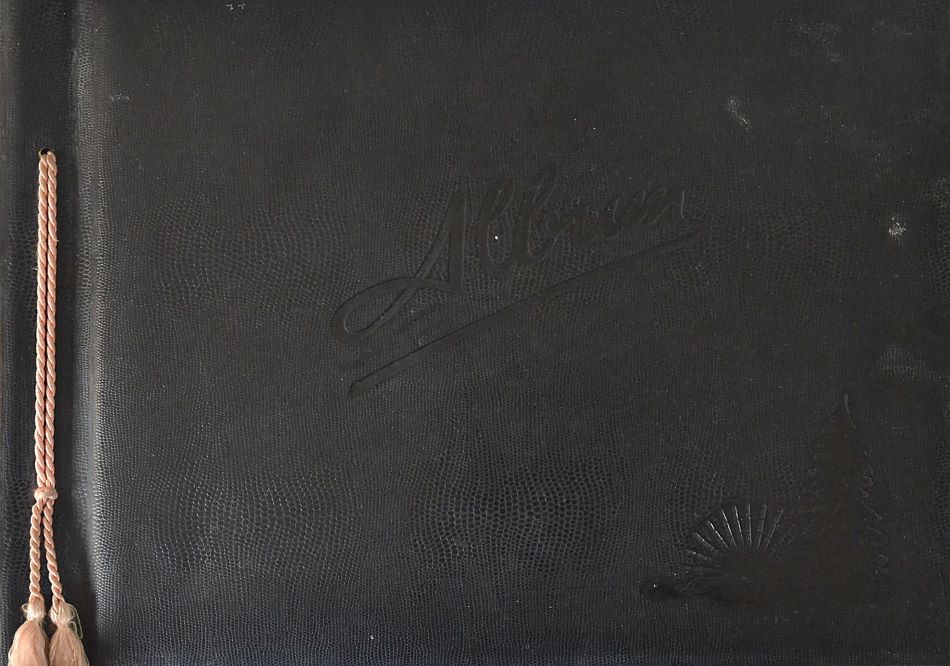
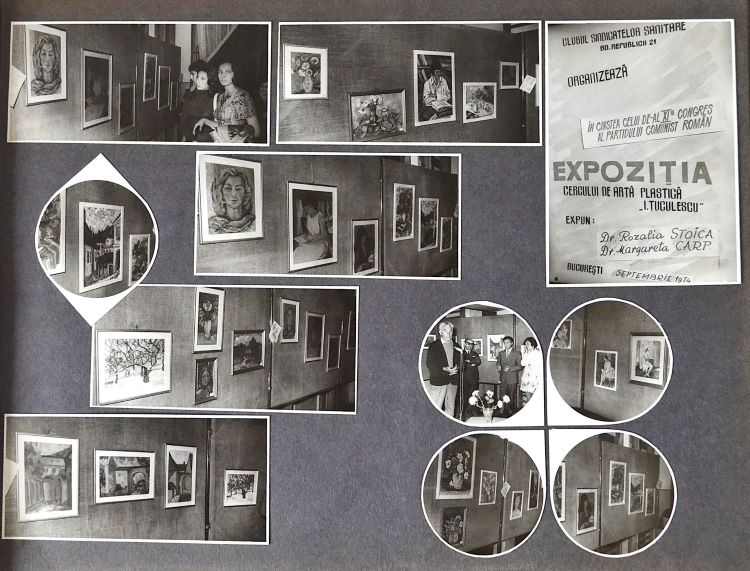
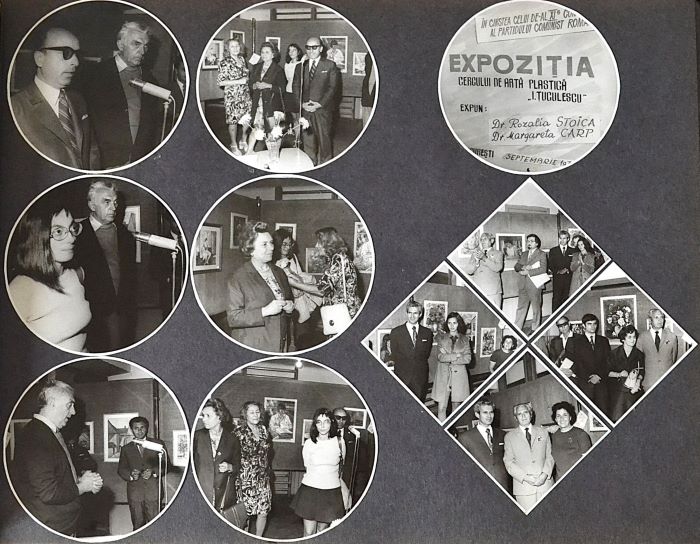
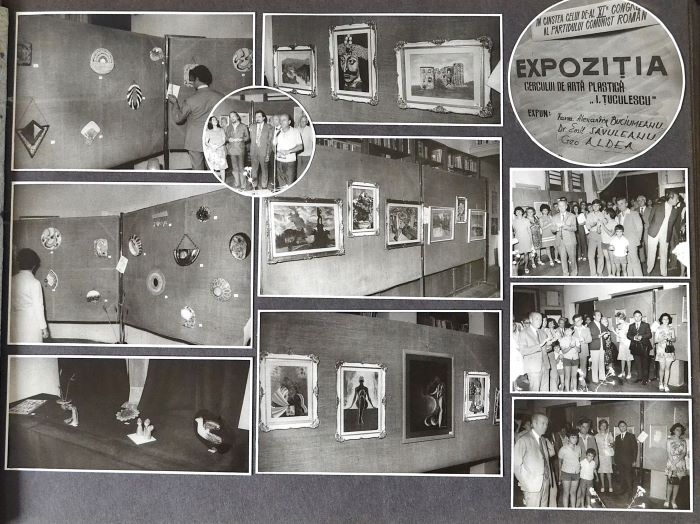
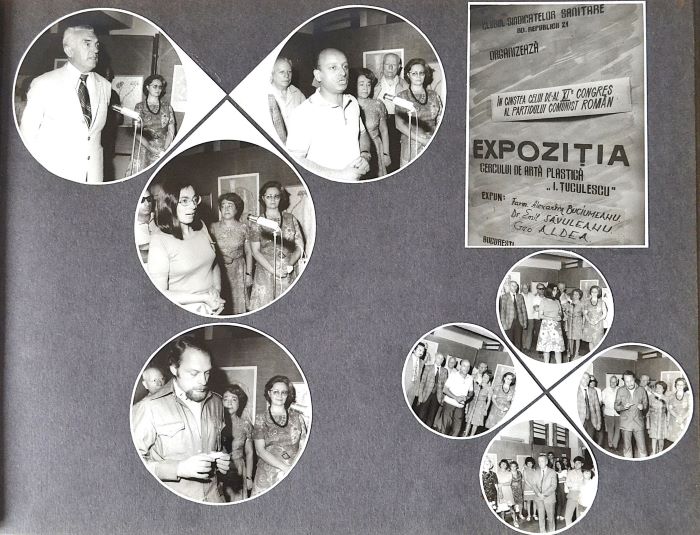
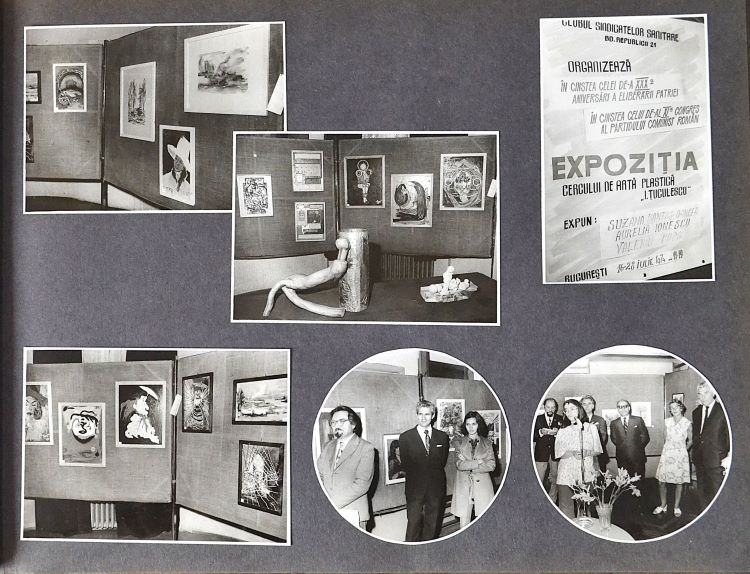
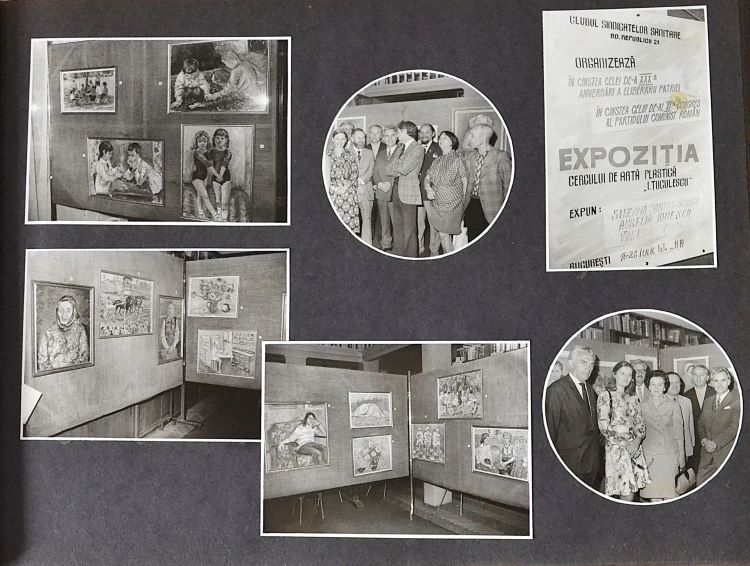
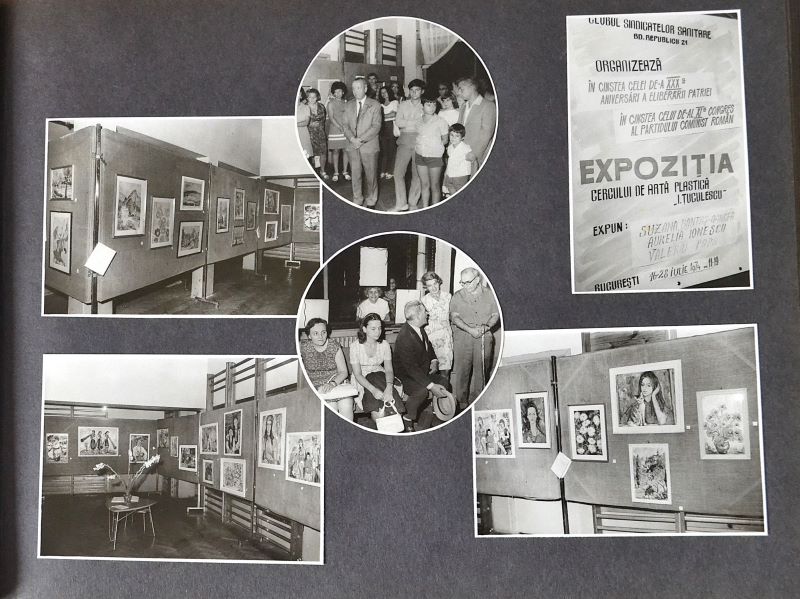
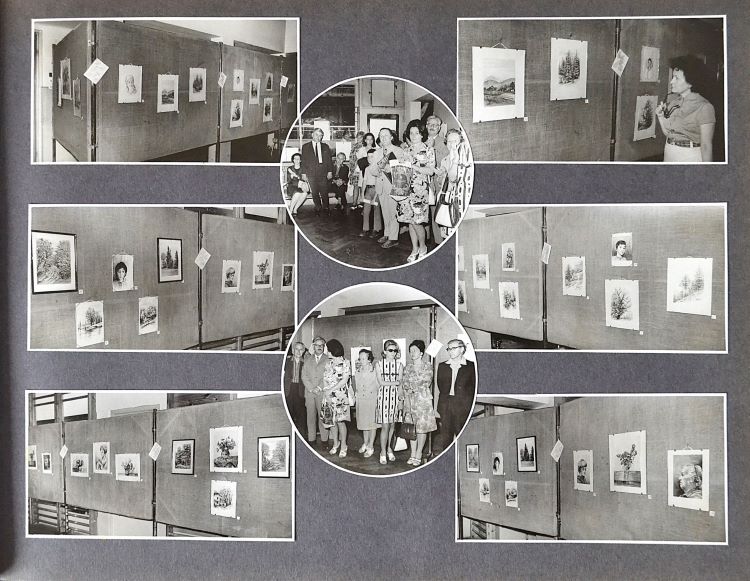
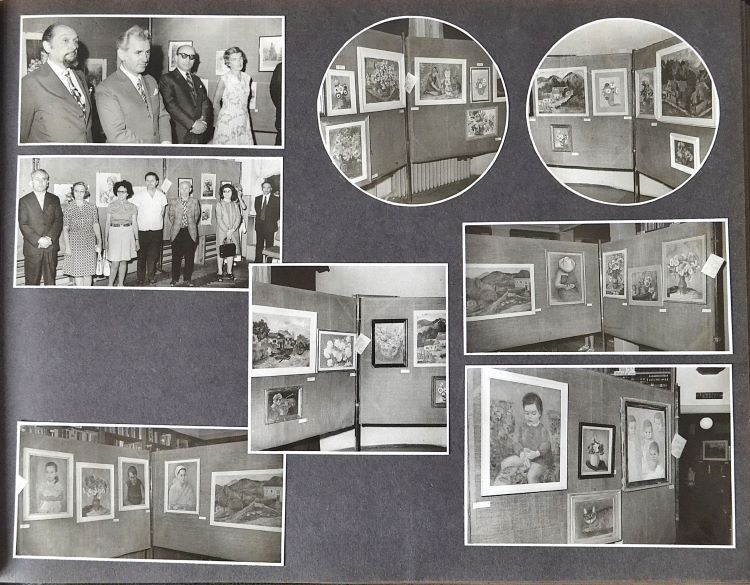
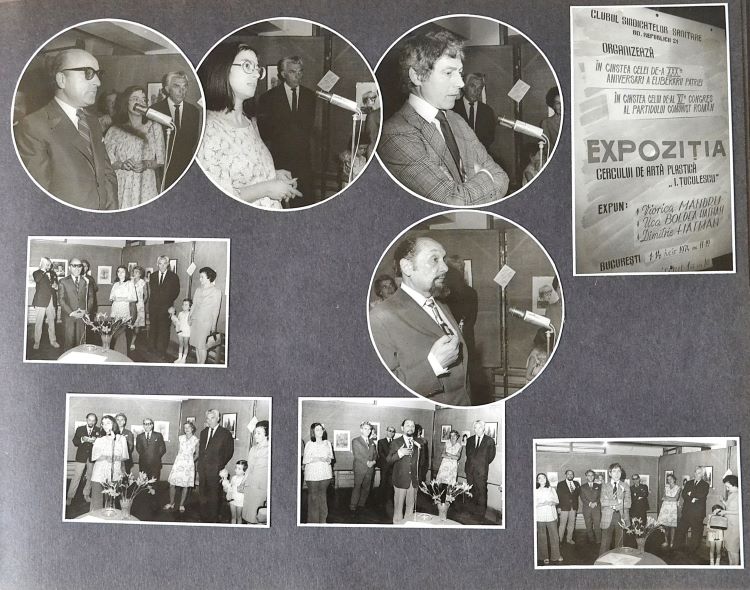
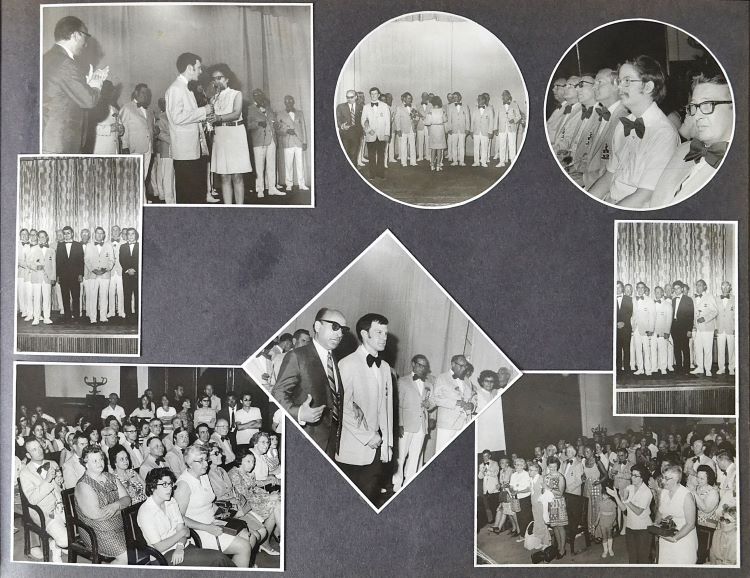
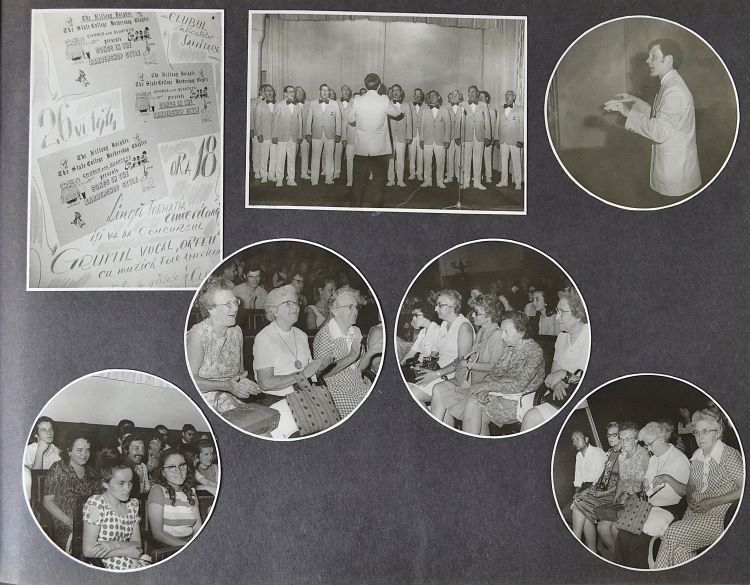

This photo album documents the 1974 Bucharest exhibition of the I. Tuculescu Plastic Arts Circle, capturing candid moments, artworks, and visitors. Each image preserves the atmosphere of Romania’s cultural life, showcasing creative exploration, camaraderie, and the period’s distinctive aesthetic in a timeless visual chronicle.
Expozitia Cenaclului de Arta PLastica “I. Tuculescu”, Bucuresti – Septembrie 1974, Bucuresti 16-28 Iulie 1974, Bucuresti 1-14 Iulie 1974.
Clubul Sindicatelor Sanitare 26 Aprlie 1974. “Curierul Special” piesa intr-un act 9 Mai 1974.
The Photo Album That Turned a Union Club into a Small World
You’re looking at more than a stack of old black‑and‑white photos.
This album – built from pages like the ones below – quietly records a whole universe of exhibitions, concerts, children’s shows and lectures that filled a Romanian union club in the 1970s.
Keep scrolling, and you’ll see how a “simple” album becomes: a time machine into everyday life under socialism, a crash course in 20th‑century amateur art and culture and a surprisingly modern lesson in storytelling with images.
Let’s open it.
What You’re Actually Looking At
Across these pages, we see the Clubul Sindicatelor Sanitare (the Health Workers’ Union Club) in Bucharest.
The posters in the photos date the events to the early–mid 1970s. Most pages document: art exhibitions of the “I. Țuculescu” visual arts circle, choir concerts in crisp uniforms, theatre performances and poetry evenings, children’s dance and song shows, talks and conferences for union members.
In other words, it’s a cultural centre for workers, captured across several years.
In most capitalist cities, these activities would be scattered: a municipal gallery here, a community theatre there, maybe a music school. In the 1970s, Eastern Europe, much of this happened in “houses of culture” and union clubs, institutions designed to bring art to workers and, of course, to carry the ideologies of the day.
This album is one such house of culture, pressed flat on paper.
Why a Photo Album Matters More Than a History Book
We tend to think “history” means wars, leaders and big political dates. But historians today increasingly study micro‑history: very small, very local stories that reveal how people actually lived.
A photo album like this is perfect for that, because it captures: Spaces – the same hall reused as a gallery, theatre and lecture room, Faces – ordinary health workers, their families, their children on stage, Rituals – opening speeches, ribbon‑cutting moments, group photos.
French historian Pierre Nora called such objects lieux de mémoire – places of memory. They’re physical anchors for things we’d otherwise forget.
And unlike official propaganda photos, albums assembled for internal use tend to be messier and more honest: not every child is smiling, not every painting is hung straight, not every chair is filled. That’s what makes them precious.
Inside the Album: A Quick Tour
1. Painting Walls into Windows: The “I. Țuculescu” Art Circle
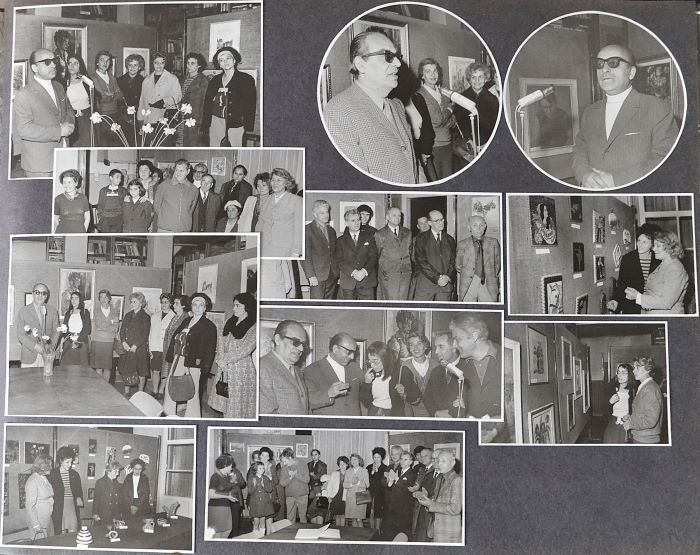
The album spread with paintings hanging on folding panels and a poster announcing “Expoziția Cercului de Artă Plastică I. Țuculescu”.
Several spreads are devoted to art shows held by the “I. Țuculescu” visual arts circle – named after the Romanian painter Ion Țuculescu (1910–1962).
Țuculescu was a fascinating figure: a biologist and lawyer by training, largely ignored by the official art world during his life, then celebrated posthumously for his vibrant, often abstract paintings. Naming a workers’ art circle after him hints at a quiet desire for experimentation, not just safe realism.
On these pages, you can spot: portraits, cityscapes and still lifes, both oil paintings and watercolours, improvised display panels, hinged and moved around the hall, small groups of visitors listening to an opening speech.
In the 1970s, amateur art circles were widespread in Eastern Europe. Factory workers, nurses or clerks would gather after work, guided by a more experienced artist. The goal was part education, part recreation, and part social cohesion.
From a visual‑culture point of view, the layout of these pages is striking: The album spread with circular photo cut‑outs of visitors at an art exhibition.
Instead of simple rectangles, the archivist cuts circles, diamonds and clover‑shaped clusters. It’s a handmade graphic design, somewhere between Bauhaus playfulness and 1970s magazine spreads.
It tells us something else, too:
This album wasn’t just documentation – it was meant to be beautiful in itself.
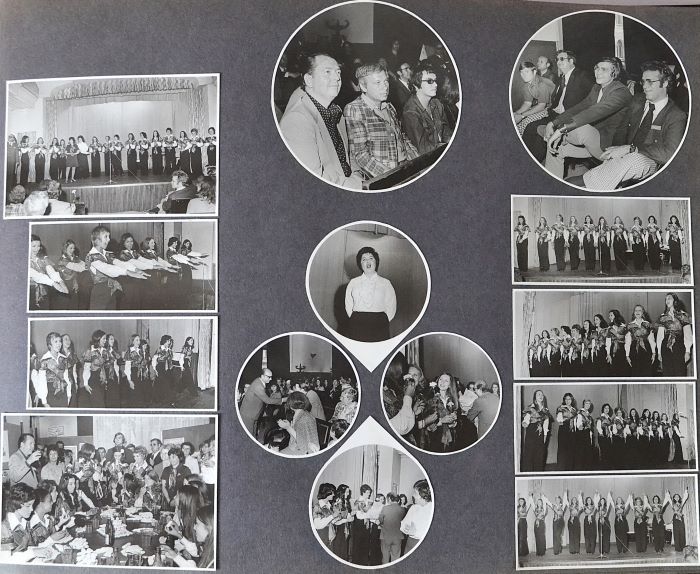
2. Choirs in White Jackets and Long Dresses
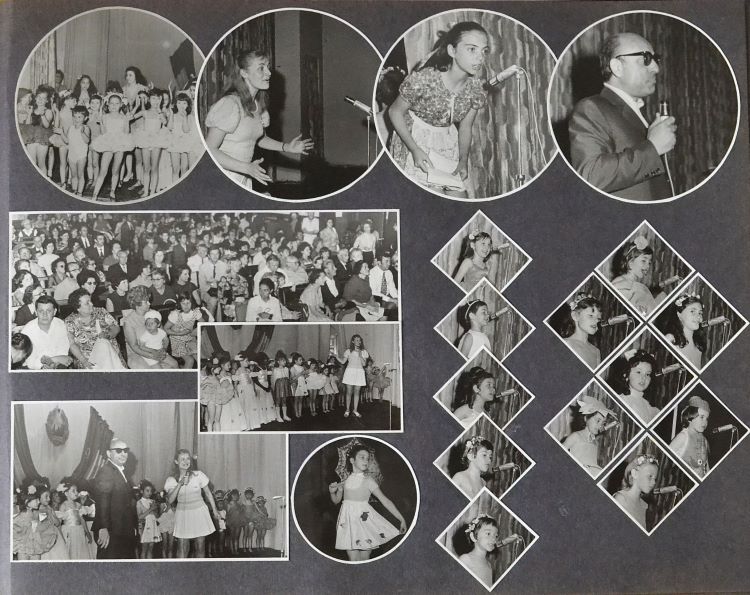
Album spread showing a choir in white jackets performing on stage, with multiple circular close‑ups and photos of the audience.
A few pages later, the paintings are gone. A curtain fills the background, and a line of singers in matching outfits faces the audience.
Choirs are one of the most durable forms of collective art. From ancient Greek tragedies to church choirs and revolutionary songs, they’ve accompanied both sacred and political rituals.
Here, the choir likely belongs to the same union or another workers’ cultural group. Look closely, and you notice: the conductor in a contrasting dark suit, hands raised, the formal bow ties and carefully arranged rows, a mixed audience: young people and retirees, women in patterned dresses, men in short‑sleeve shirts.
In many countries under state socialism, choirs were encouraged because they ticked all the boxes: collective, not individualistic, relatively inexpensive (no elaborate sets or instruments), deeply rooted in folk and religious traditions, which could be selectively reinterpreted.
Yet beyond the ideology, the faces here show something universal: people enjoying the simple, ancient pleasure of singing together.
3. Children Take the Stage
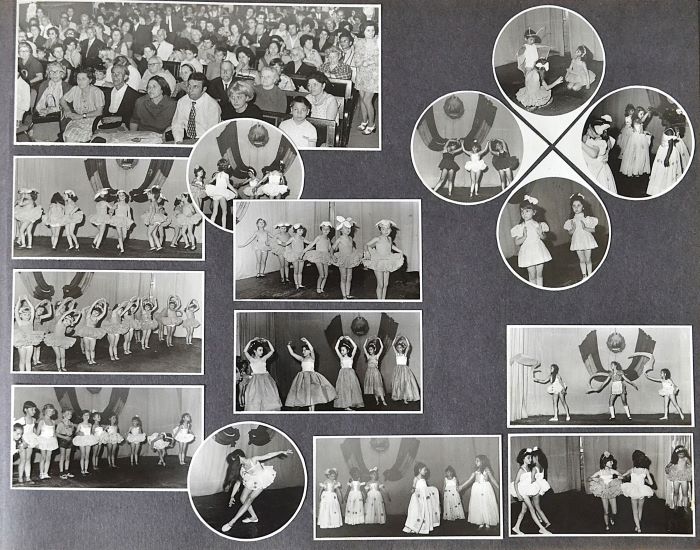
An album spread with rows of little girls in dresses performing simple choreographies on stage, and a full audience watching.
Few parts of the album feel as alive as the spreads devoted to children’s performances.
Tiny dancers, often girls in light dresses and ribbons, line up across the stage. Their movements are simple – raised arms, circle dances, little jumps – but the pride is huge: parents leaning forward in their seats, teachers hovering near the wings, a whole hall transformed into a school celebration.
This echoes a broader 20th‑century phenomenon: the rise of mass youth choreography. From Scandinavian gymnastics displays to Eastern European “pioneer” parades, children’s bodies were arranged into patterns meant to symbolise harmony, energy, and the “future nation”.
Seen decades later, the politics recede, and what remains is touching: children discovering what it means to be watched, to rehearse, to do something difficult together.
4. Theatre on a Small Stage
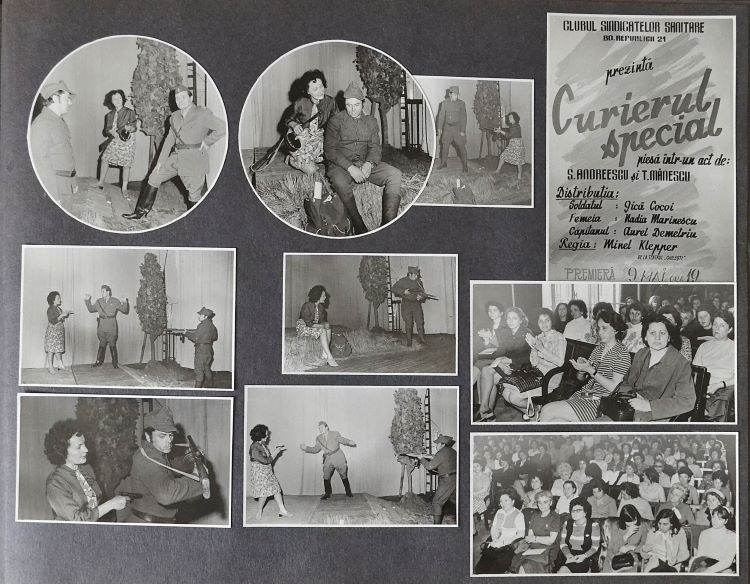
The album spread with scenes from a one‑act play titled “Curierul special”, performed on a modest stage, plus audience shots.
Another set of pages is dedicated to a one‑act play called “Curierul special” (The Special Courier). The poster lists a cast, a director and the date of the premiere.
The photos show: actors in simple costumes portraying soldiers and villagers.
Minimal props: a bench, a fake tree, a field made from carpet, the same hall as before, now a theatre.
Amateur theatre has a long history. In 19th‑century Europe, many towns had “dilettante” troupes that staged comedies or historical dramas. In the 20th century, political movements quickly realised the power of drama to shape opinion – but communities also used it to discuss everyday problems, to laugh at themselves, to experiment with roles.
If you’ve ever been in a school play, you know the feeling the photos convey: fear before going on, adrenaline during, and the dizzy relief of the applause.
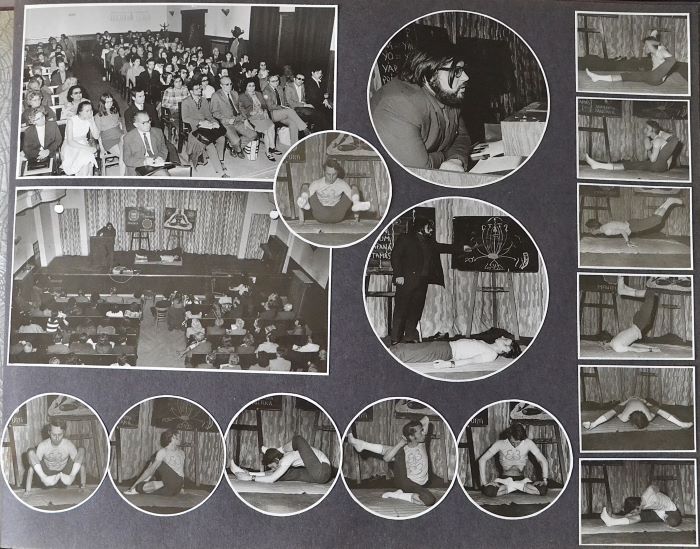
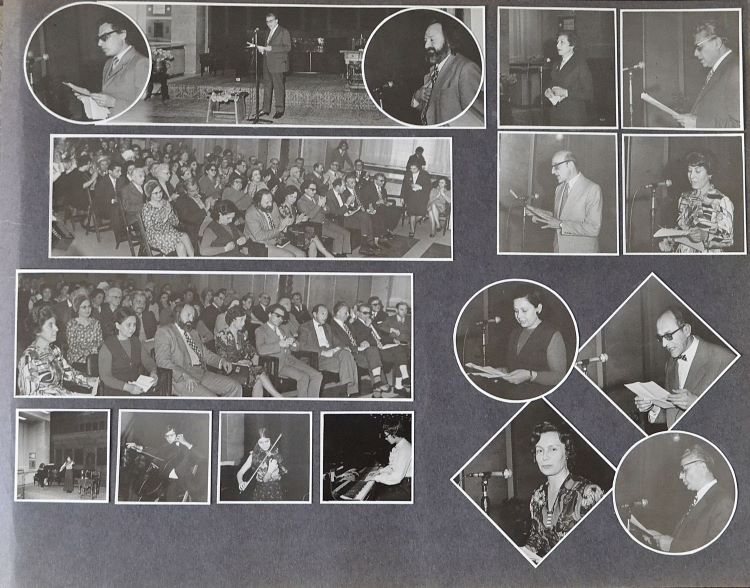
5. Lectures, Readings and the Spoken Word
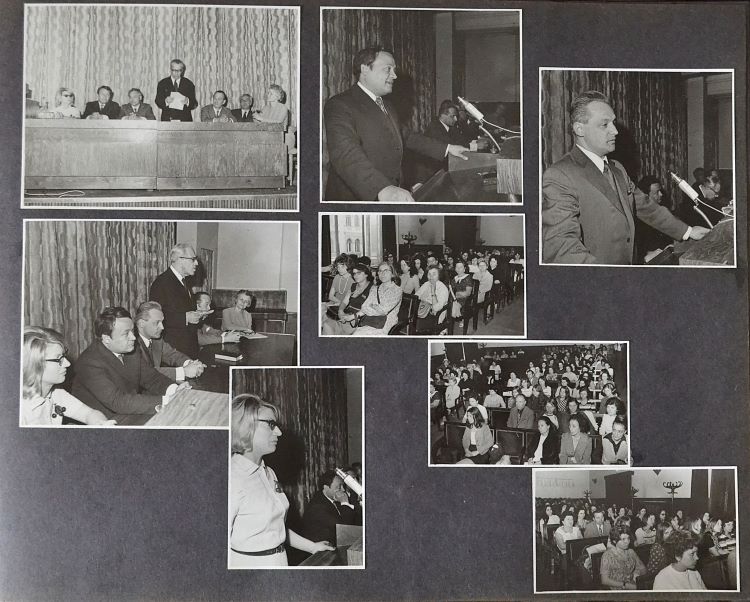
Album spread showing speakers at a lectern, audience seated in rows, and smaller images of musicians and readers at a microphone.
Not all culture here is visual or musical. Several spreads are devoted to: conferences and talks, with speakers at a long table, poetry readings at a microphone, chamber music: a violinist, a pianist, a cellist on a small stage.
You can almost reconstruct the program: Introduction by a union official, Main lecture – perhaps on medicine, politics or literature, Artistic “moment”: a poem, a song, a short recital; Closing remarks, maybe coffee in the adjoining room.
This blend of information + art is part of a long European tradition. In 18th‑ and 19th‑century cities, bourgeois salons and workers’ clubs also combined lectures with concerts, readings with debates. The goal: self‑improvement and sociability in one package.
The album’s compiler seems to consider these intellectual evenings just as important as the brighter spectacles of paintings and dances. They get full pages, careful layouts, and close‑ups of attentive faces.
Design Lessons Hidden in the Pages
Even if you’re mostly interested in photography or design, this album is worth studying.
Look at how each spread is constructed: Repetition with variation. Circular portraits echo across pages like visual punctuation marks. Rectangular photos anchor the composition.
Rhythm and direction
Audience shots always face toward photos of the stage, guiding your eye from spectators to performers.
Context through posters
Almost every activity is grounded by a photo of the poster or program – our key to names, dates and titles. It’s a quiet masterclass in how to document an event: always photograph the poster.
Before software like InDesign or Canva existed, this was done with scissors, glue and a very steady hand. It’s essentially analogue UX design: making sure someone who flips through the album 50 years later intuitively understands what happened.
How to “Read” – and Even Recreate – an Album Like This
If you have old family or institutional albums at home, you can approach them the same way. Here’s a simple method.
1. Start with the Posters and Texts
In this album, the posters (“Expoziția Cercului de Artă Plastică I. Țuculescu…”, ticket stubs dated 26.VI.1974, etc.) are anchors.
Photograph or scan them first. Note dates, places, recurring names. They form your timeline.
2. Group Pages by Activity
Just as this album clusters: art exhibitions, choir concerts, children’s shows, theatre, and lectures… try grouping your own photos by type of event, not just by date. It reveals patterns: who always organised things, who always sat in the front row, and which space was most used.
3. Pay Attention to the Background
The same hall reappears here, transformed again and again. Notice: curtains, wall textures, doors, chairs and how they’re rearranged, small technological changes (microphones, speakers, lighting).
In your own albums, backgrounds often show what changed faster than faces do: furniture, fashions, devices.
4. Listen for the Emotions
Even in formal, posed pictures, you can usually sense: pride (the art openings, the group shots after performances), nervous concentration (a soloist at the mic, a child mid‑dance), fatigue or boredom (audiences late in the evening).
This isn’t just sentimentality. Emotions are part of historical evidence: they tell us how much these events mattered to their participants.
5. Make Your Own Hybrid Album
Inspired by this 1970s model, you could: print a selection of digital photos from a recurring community activity (a local choir, a book club, a makerspace),
include posters, programs, ticket stubs or email printouts, play with shapes and layouts – circles, diagonals, clusters; leave space to add written memories later.
You’d be creating tomorrow’s “micro‑history” today.
Frequently Asked Questions
Isn’t this just propaganda?
Partially, yes. Posters mention congresses of the Romanian Communist Party and anniversaries of the “liberation of the fatherland”. Cultural events were often scheduled around such dates.
But if you look closely, the album also shows: genuine enjoyment and pride, artistic experiments that don’t fit strict ideological lines, friendships and informal groups forming around shared interests.
In short, these photos both serve propaganda and exceed it. That tension is exactly what makes them historically interesting.
Why are all the photos black and white?
In the 1970s, colour photography in Eastern Europe was still relatively expensive, less stable (early colour prints faded quickly), harder to print in newsletters or newspapers.
Black‑and‑white film was cheap, reliable and easy to develop in small darkrooms – perfect for institutional albums. Ironically, that limitation now gives the images a timeless, coherent look.
Who made this album?
The photos suggest an internal photographer or small photo team, maybe a club employee or an enthusiastic member. Someone with access to all events, basic photographic training and a real sense of layout and composition.
We don’t know their name from the pages alone, but their eye is present on every spread.
Why This Album Is Worth Your Time
By now you’ve seen: how a modest union club could host a whole ecosystem of culture, how careful layout turns scattered events into a coherent story, how a physical album can survive decades and still speak clearly.
In a world where most of our photos vanish into phone storage or social media feeds, this 1970s object feels almost radical. It insists that ordinary people’s cultural life deserves to be recorded, curated and revisited.
If you close this article and do one thing, let it be this:
Take out an old album from your family, your school, or your workplace.
Look at it not just for nostalgia, but as a serious document of a small world – one that only those pages can now fully reveal.
That’s exactly what this Romanian photo album does. And that’s why, decades later, it still rewards every minute you spend turning its pages.
Find related collectibles that complement your current collection. From pieces of the same era or by the same artist to similar themes or materials, these related products are sure to add value and interest to your collection. Discover new gems and expand your collection with our carefully curated selection.
Take your collecting passion to the next level by diving into the history and cultural significance of your favorite pieces. Our expertly curated articles provide in-depth information on rarity, value, and more. Discover hidden gems and gain a deeper appreciation for the collectibles you love with our latest articles.
Summary Iron Maiden’s Killers is a classic heavy metal album that was released in 1981. It was the
Summary Step back into the exhilarating world of 1979 and rediscover “Reggatta de Blanc” by The Police. Released
Summary: From the years when vinyl was the king of media, we bring you “Ooh La La” —
Free shipping in the UK for orders over £50, and in Europe/North America for orders over £100.
At CelebrisClub, we believe that every collectible tells a story. That’s why we provide you with the most detailed and informative information on ultra-rare collectibles. From limited-edition releases to vintage finds, our expertly curated selection offers a wide range of collectibles for every collector. Expect high-quality images, in-depth articles, and a trustworthy and enjoyable shopping experience. Join us on a journey to discover the hidden gems of collecting and unlock the world of ultra-rare collectibles.
© 2023 CELEBRISCLUB – All rights reserved.
Reviews
There are no reviews yet.
Only logged in customers who have purchased this product may leave a review.