The Ship Nomenclator That Feels More Like a Lost Port Than a Book
Quick answer: This is not just a ship nomenclator. It is a rare handwritten maritime ledger—part register, part cargo archive, part economic time capsule. And that matters, because most surviving “ship lists” are printed references. A manuscript volume like this, filled with vessel names, cargo notes, ports, weights, dates, captains, and freight calculations, is far scarcer and far more human.
What exactly is a ship nomenclator?
In plain English, a ship nomenclator is a structured register of vessels. Depending on the period, it may record ship names, tonnage, routes, captains, ownership, cargo, loading dates, and port activity.
But this example goes further.
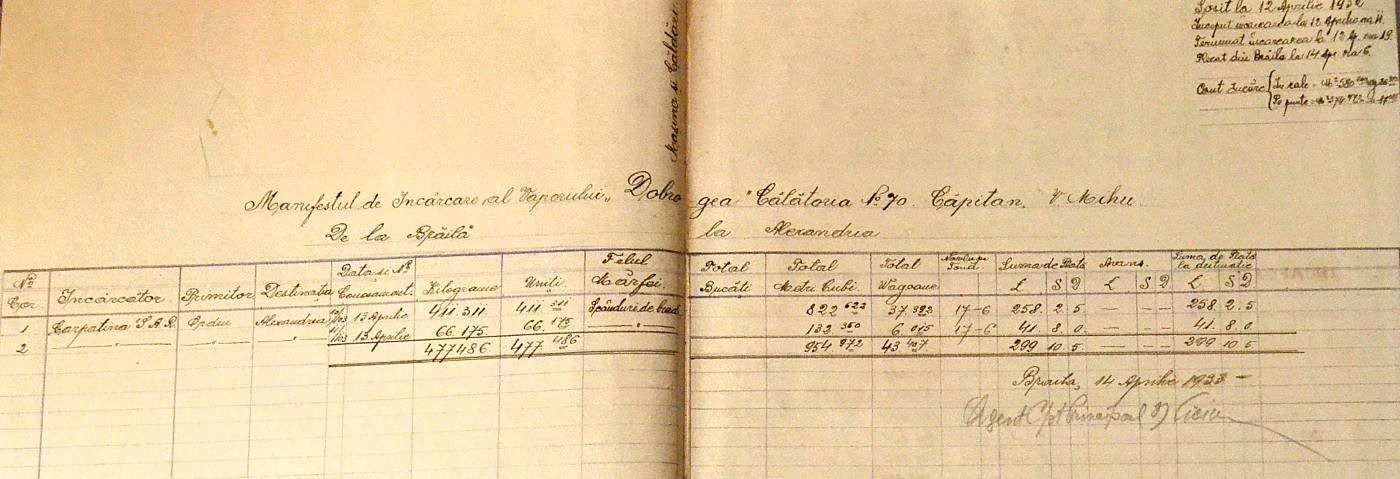
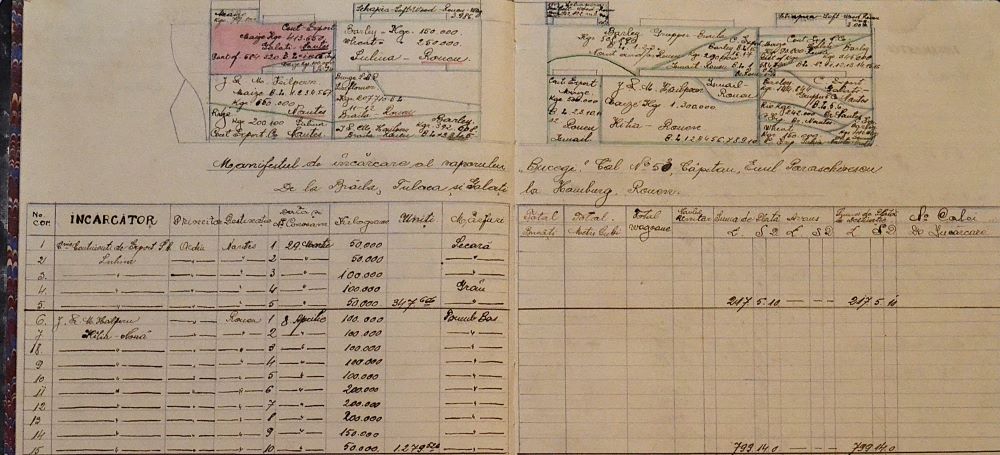
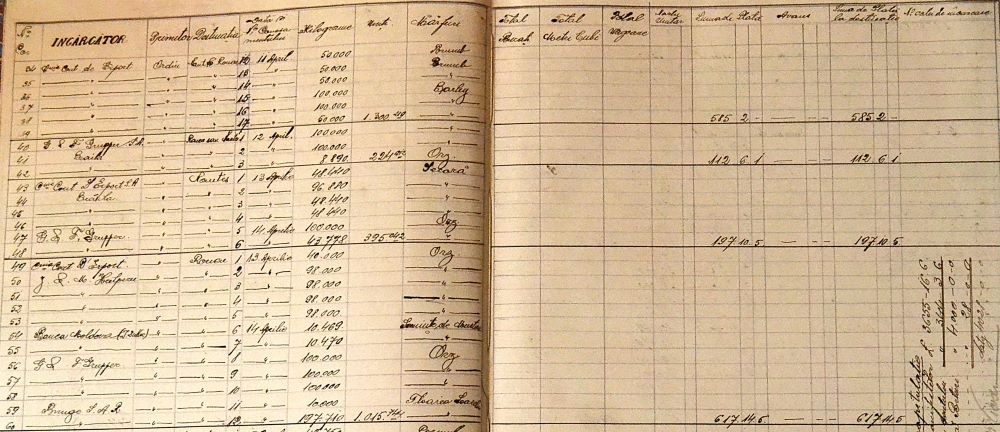
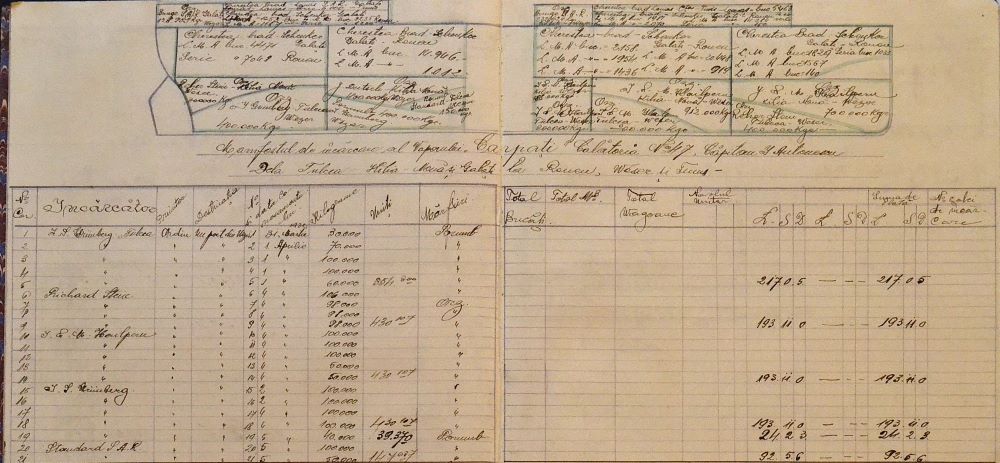
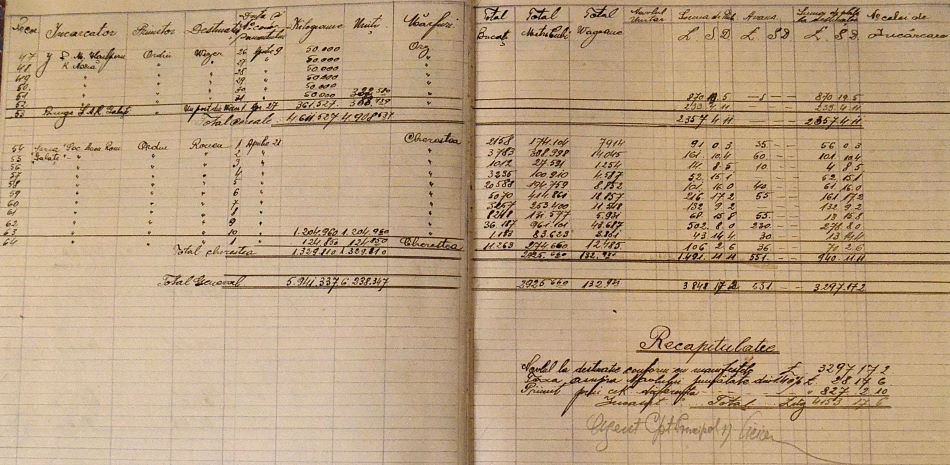
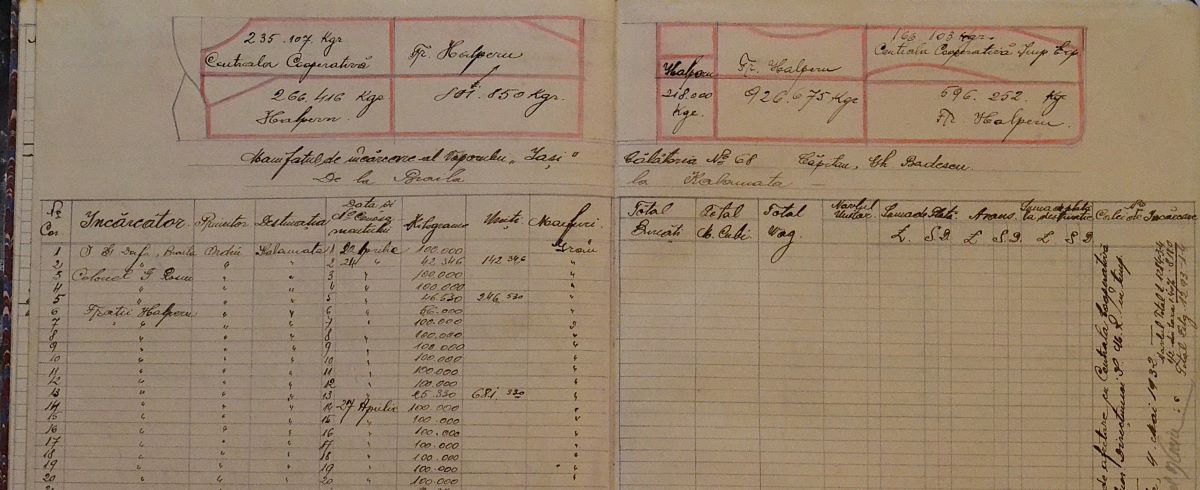
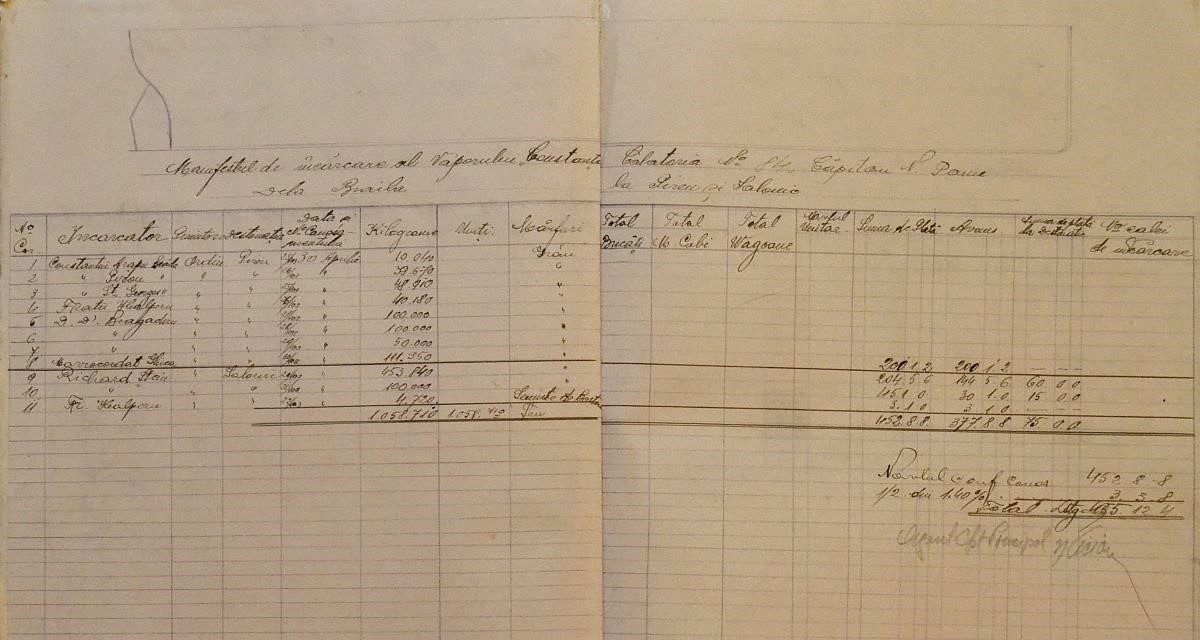
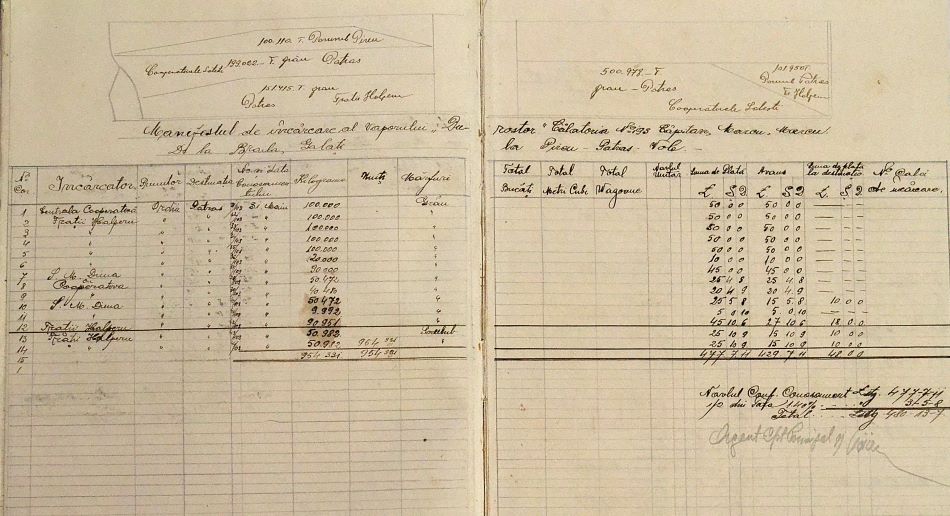
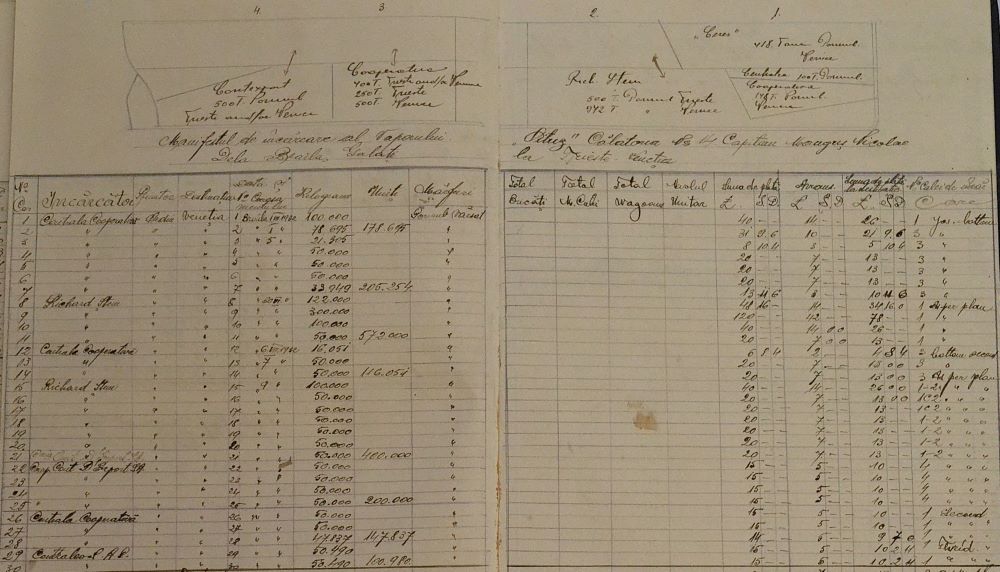
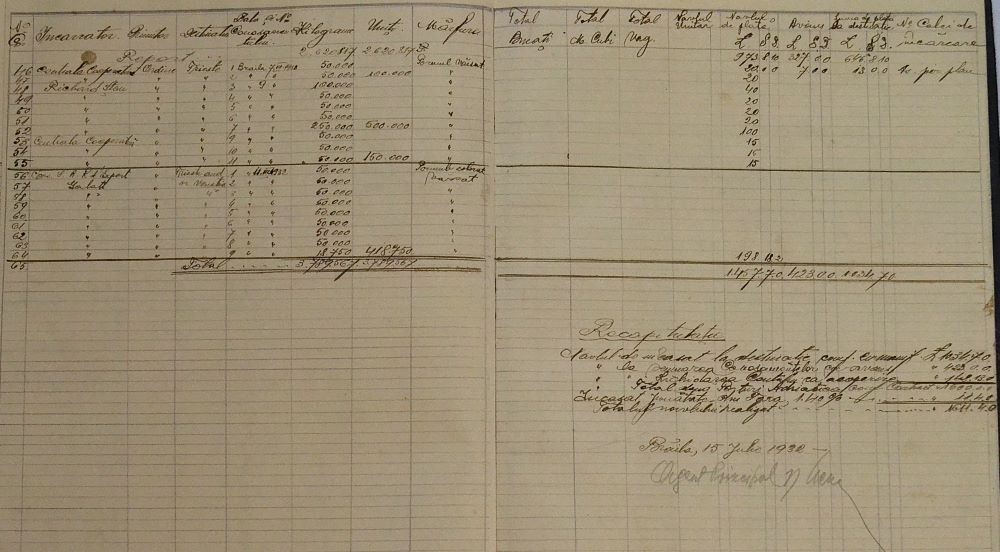
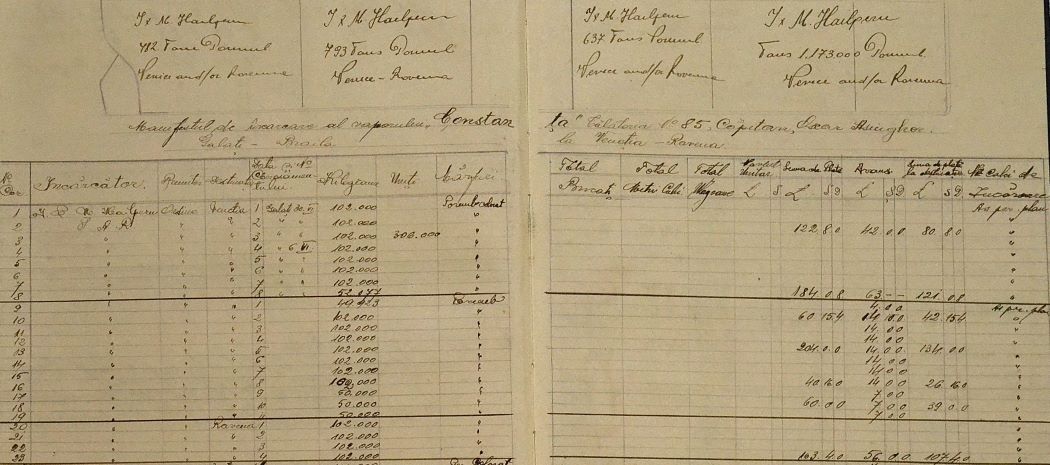
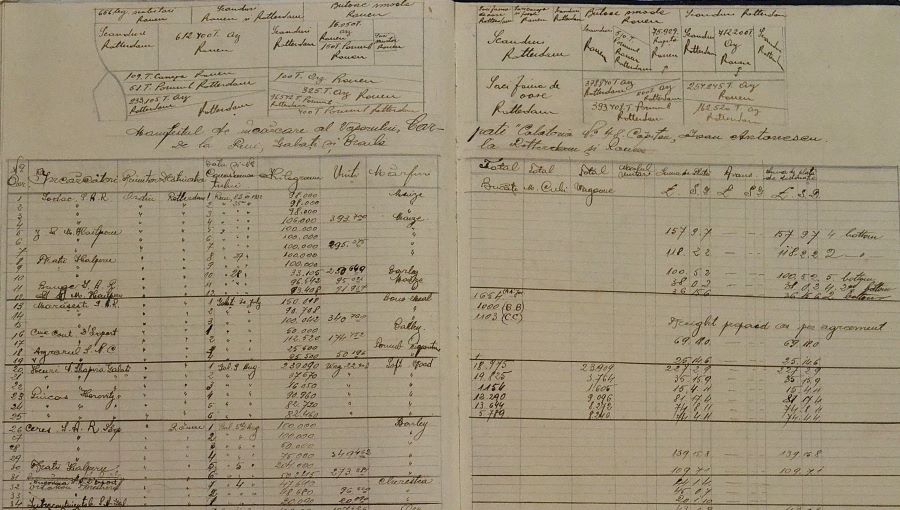
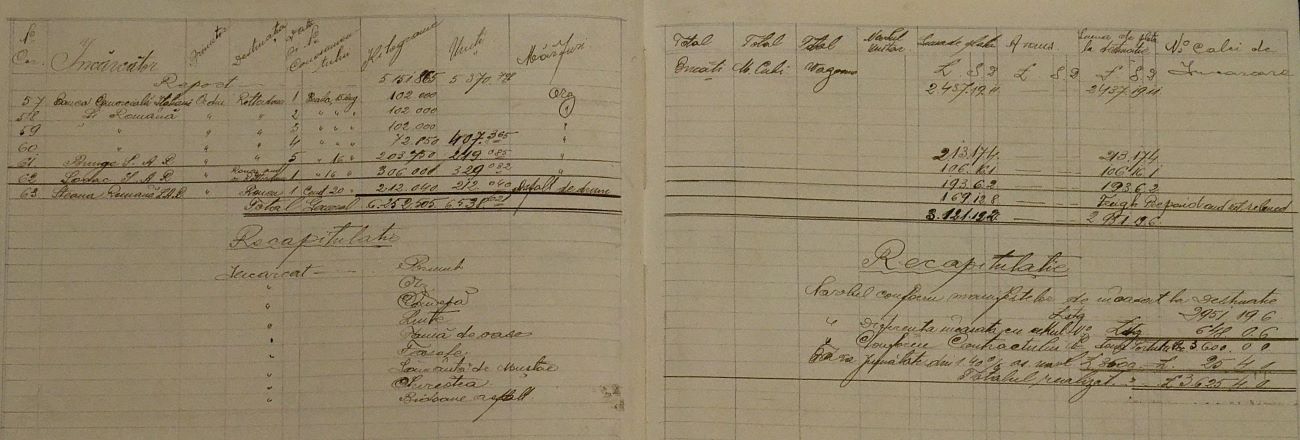
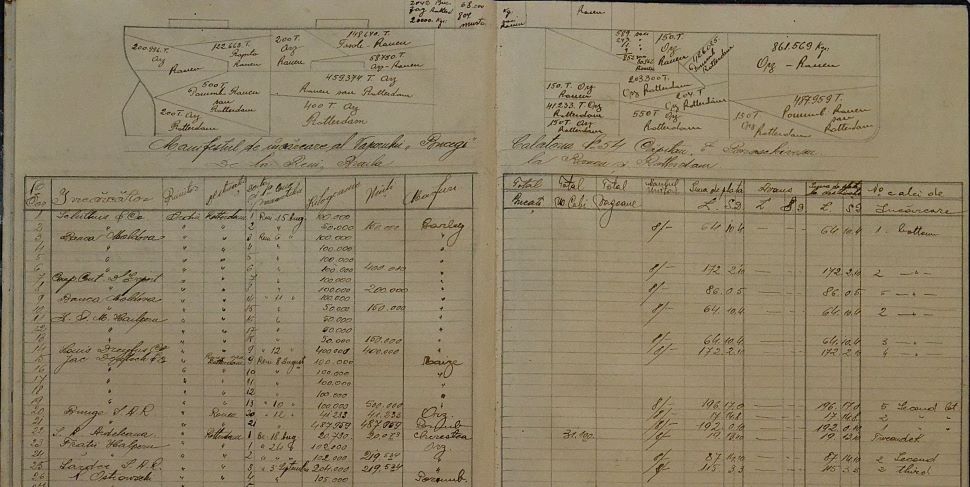
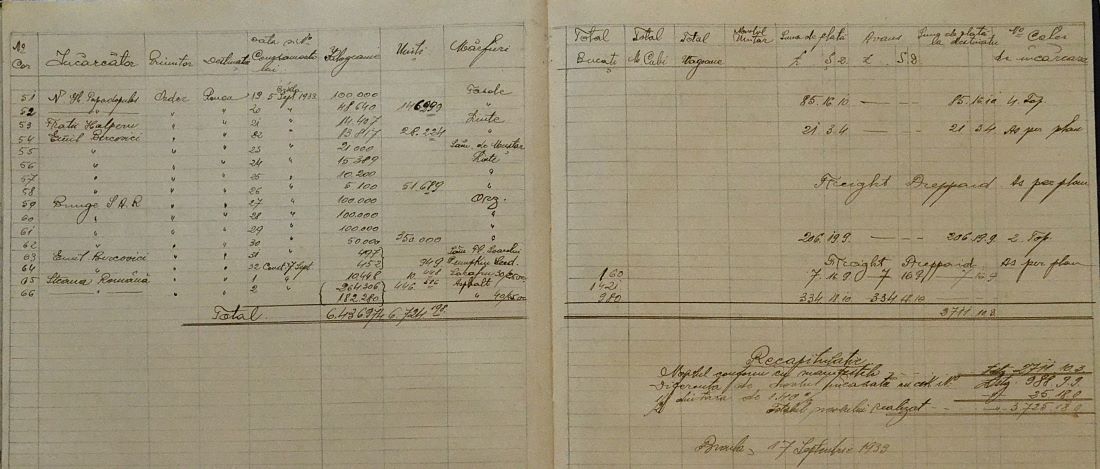
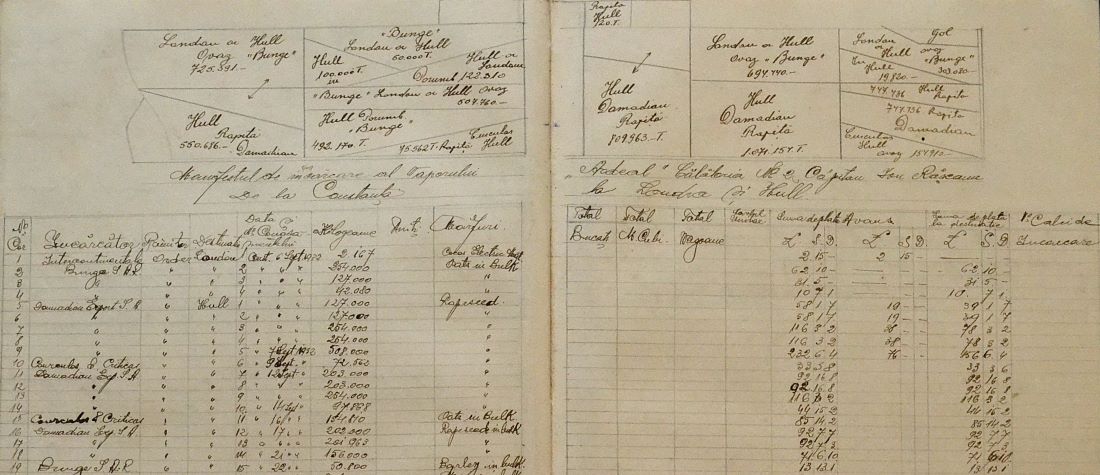
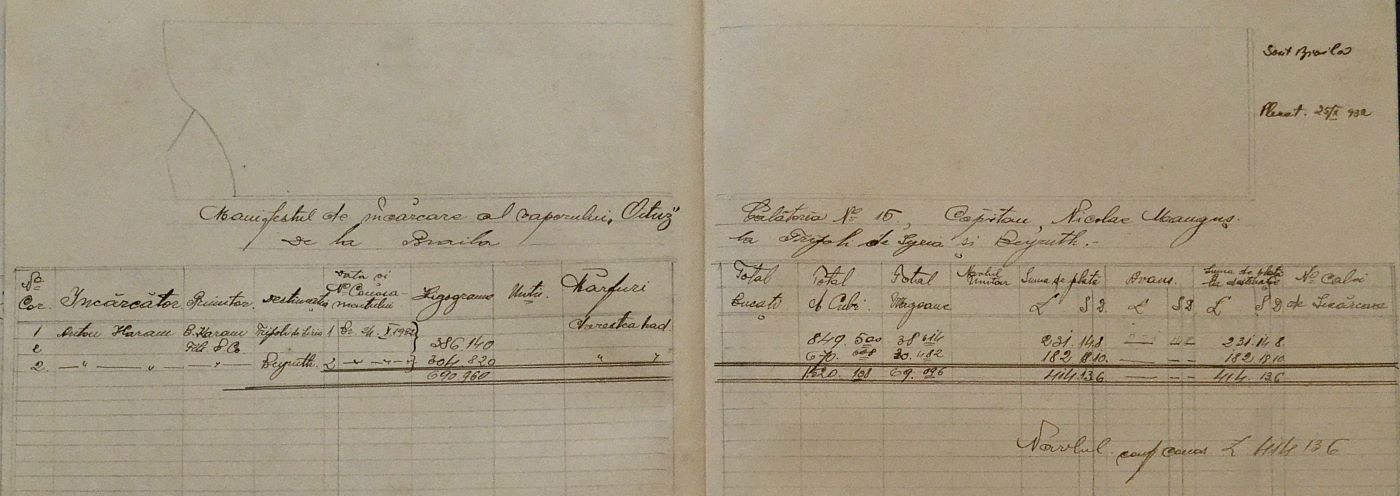
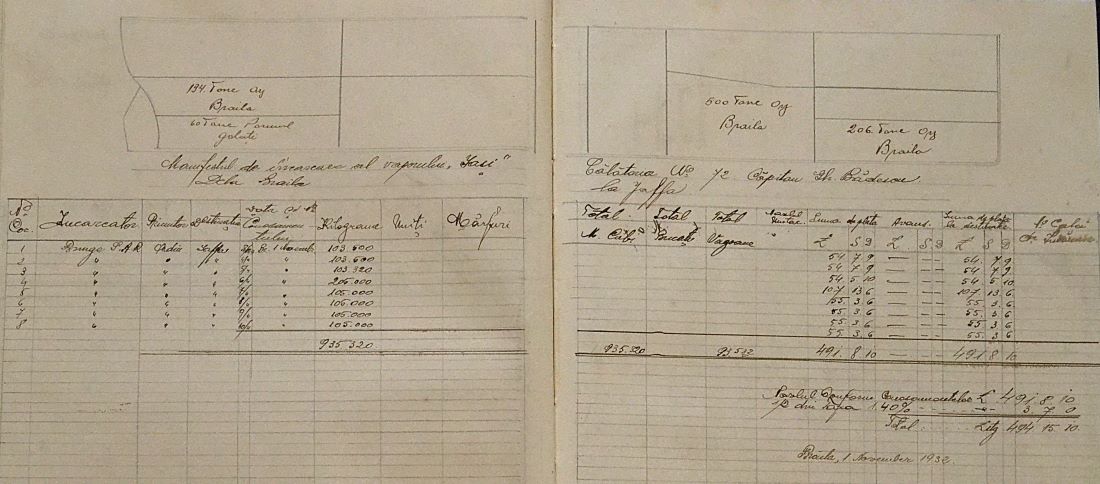
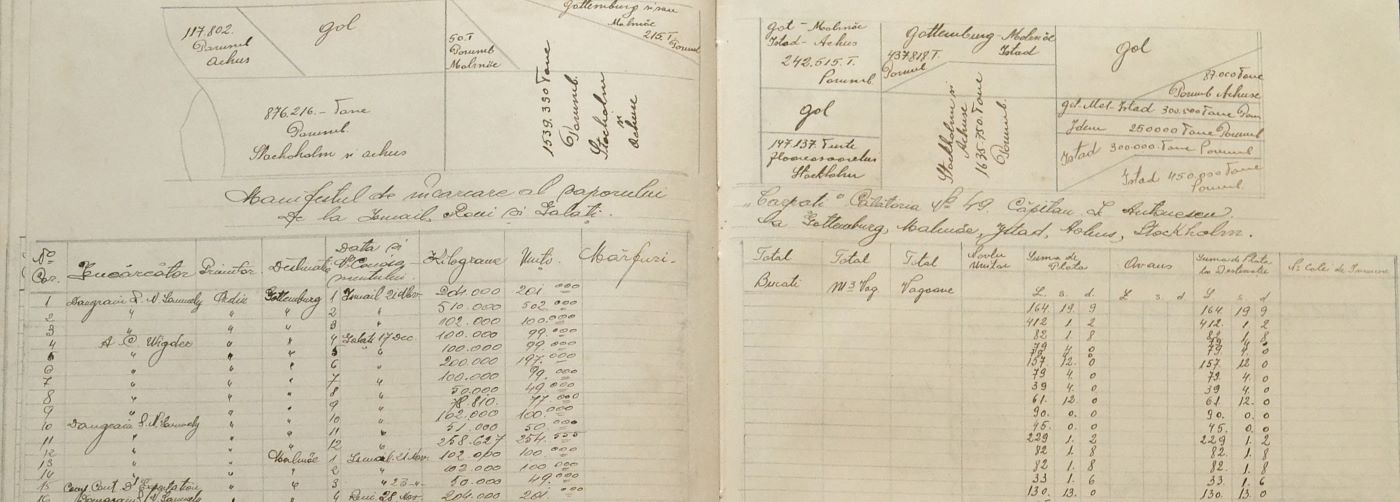
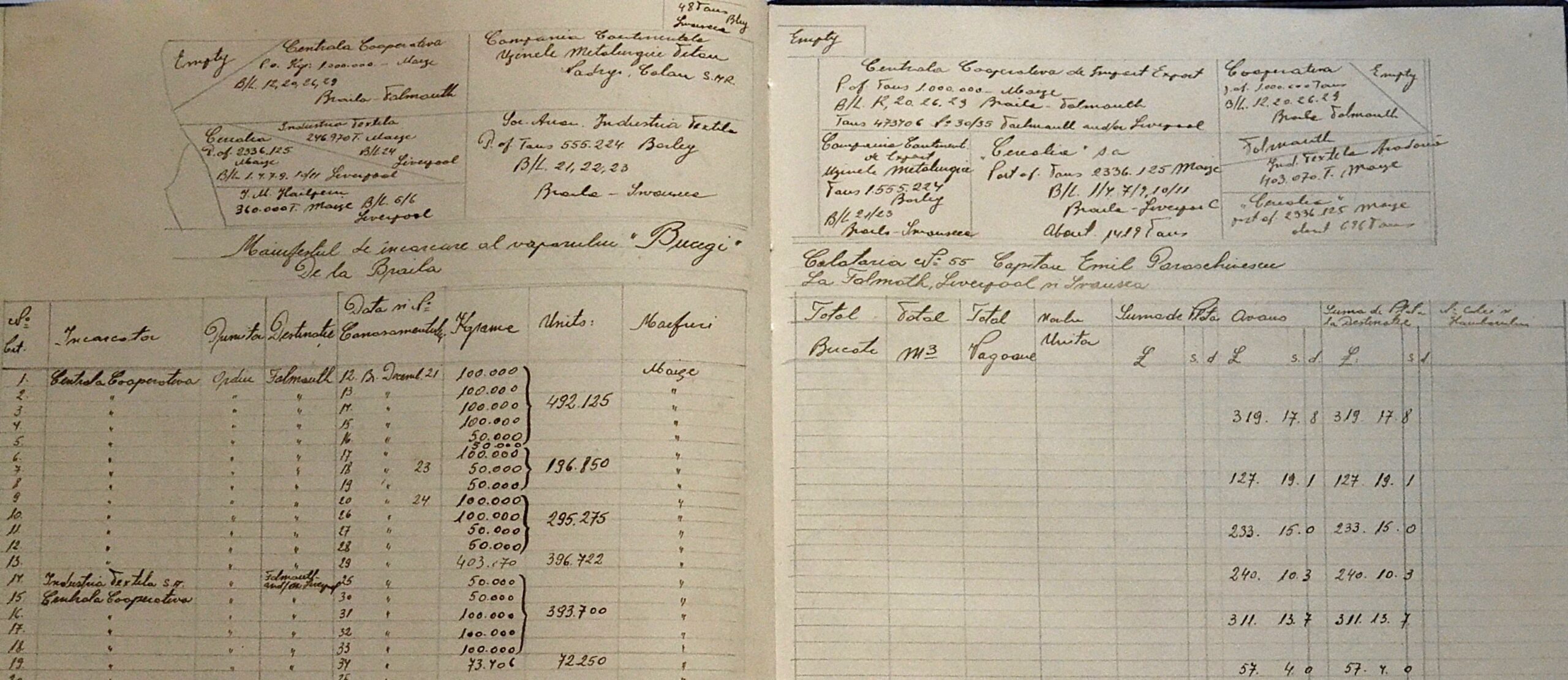
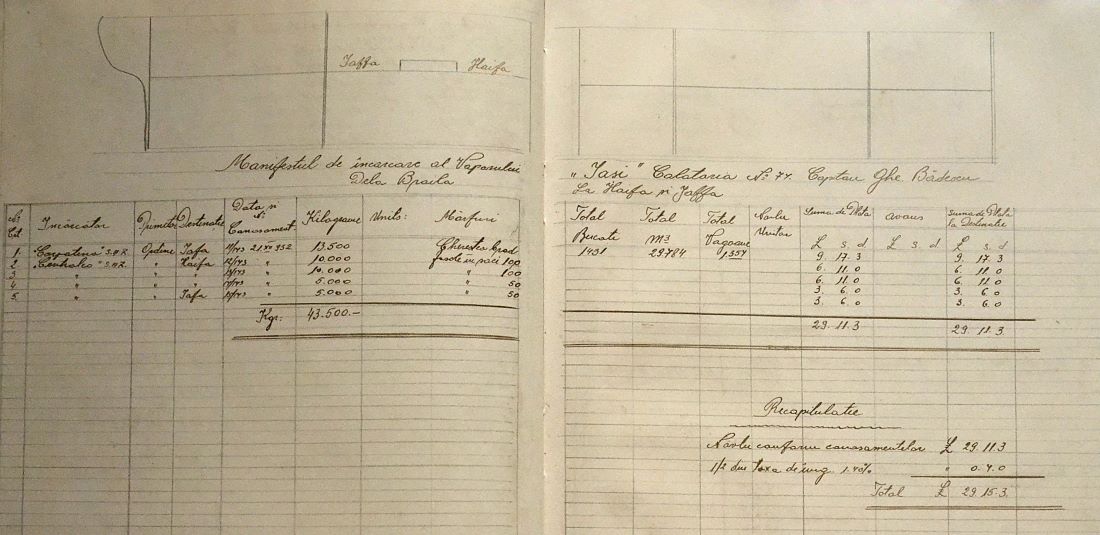
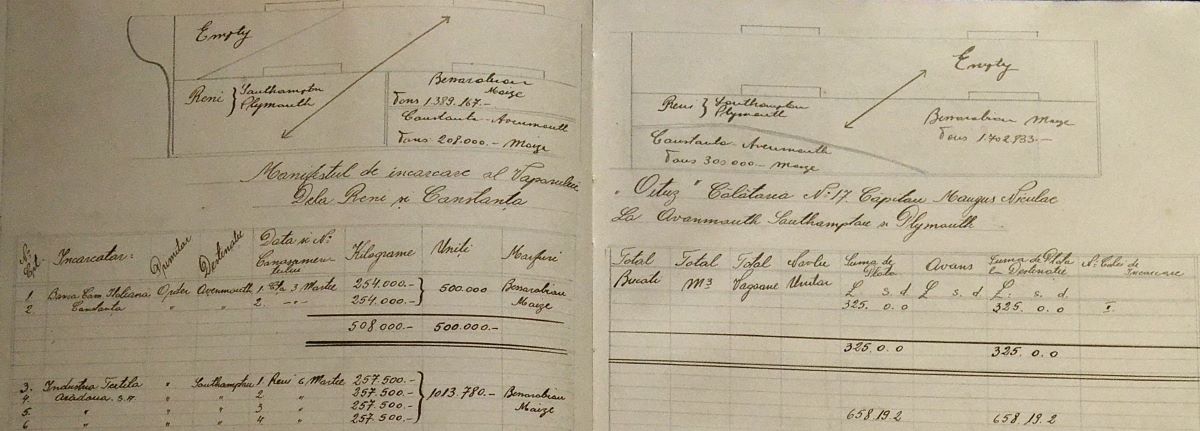
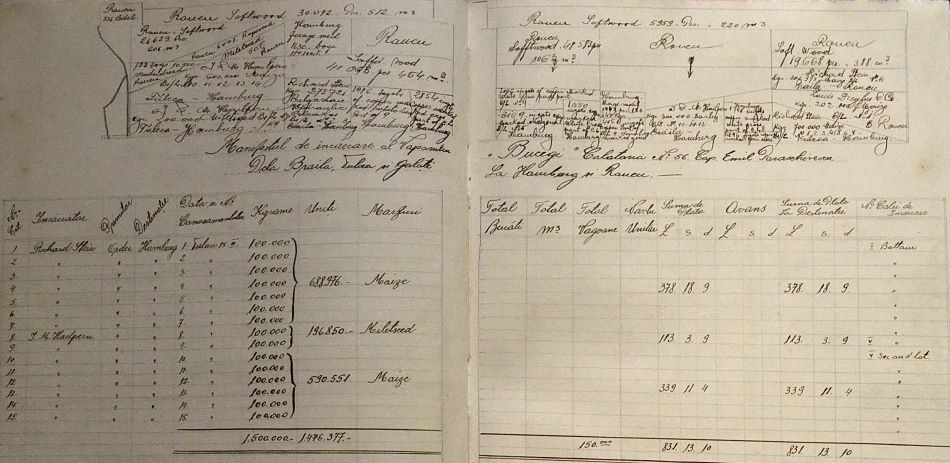
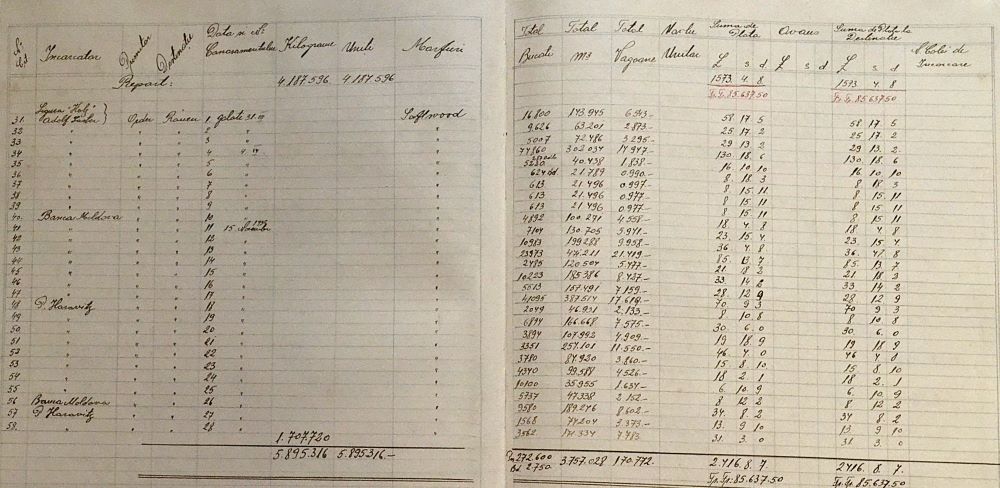
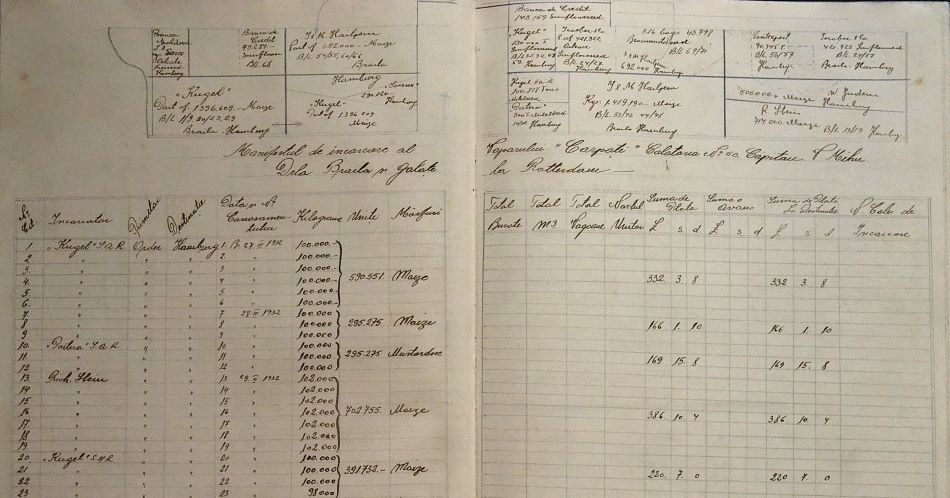
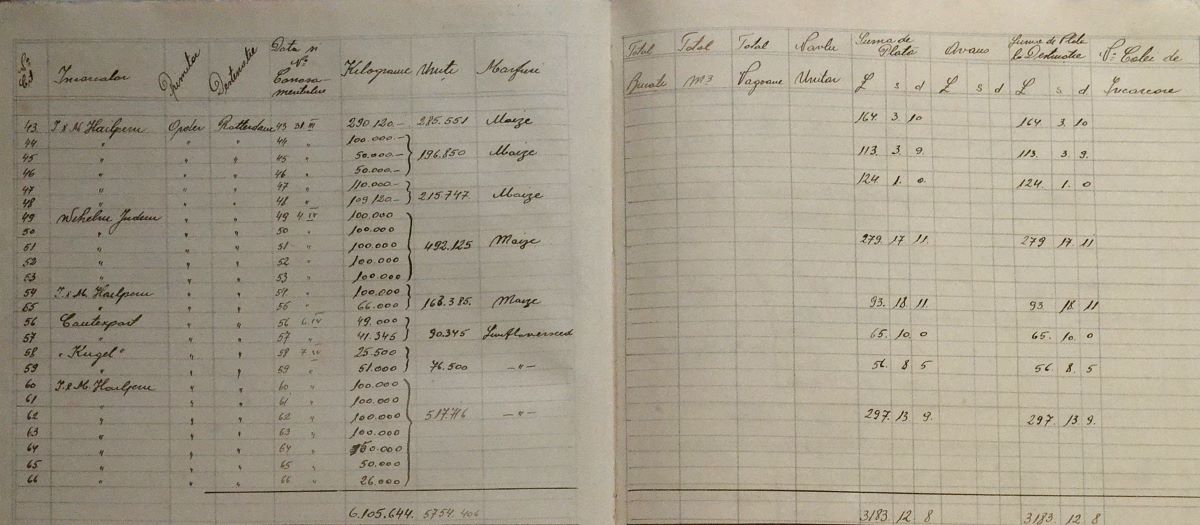
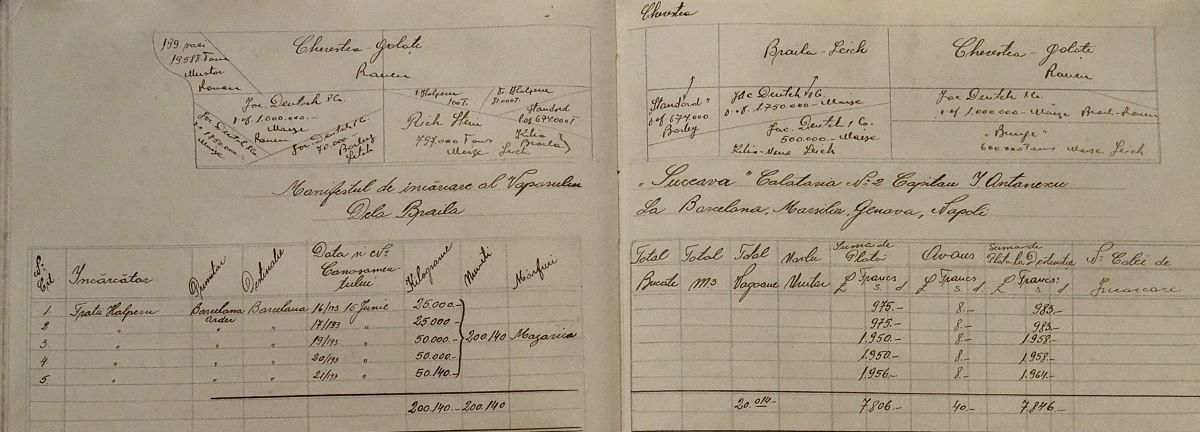
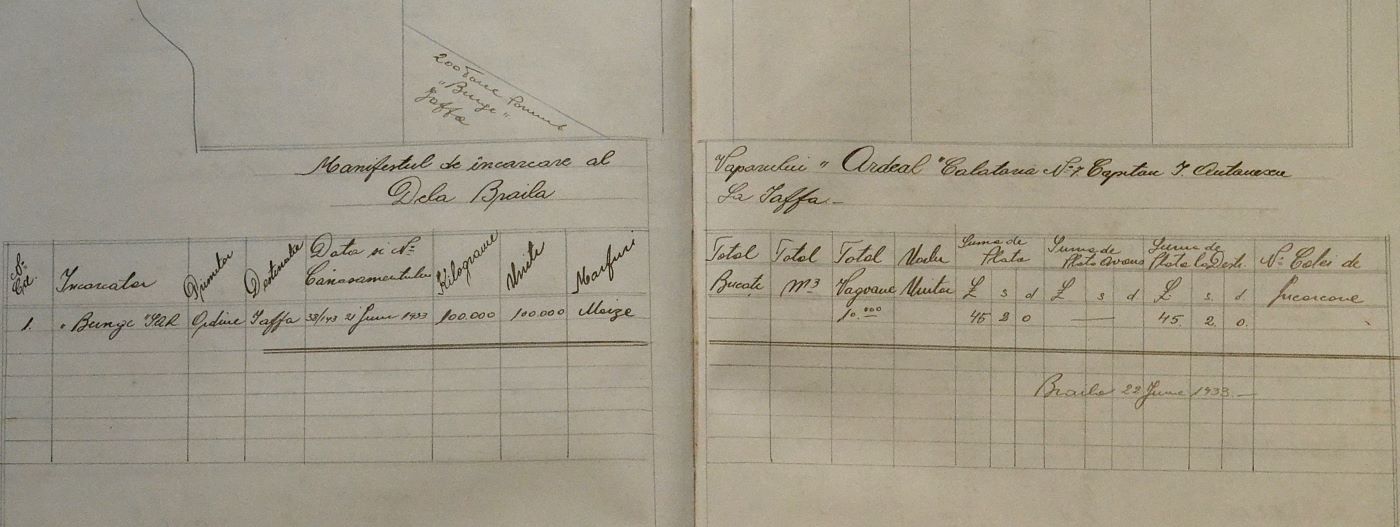
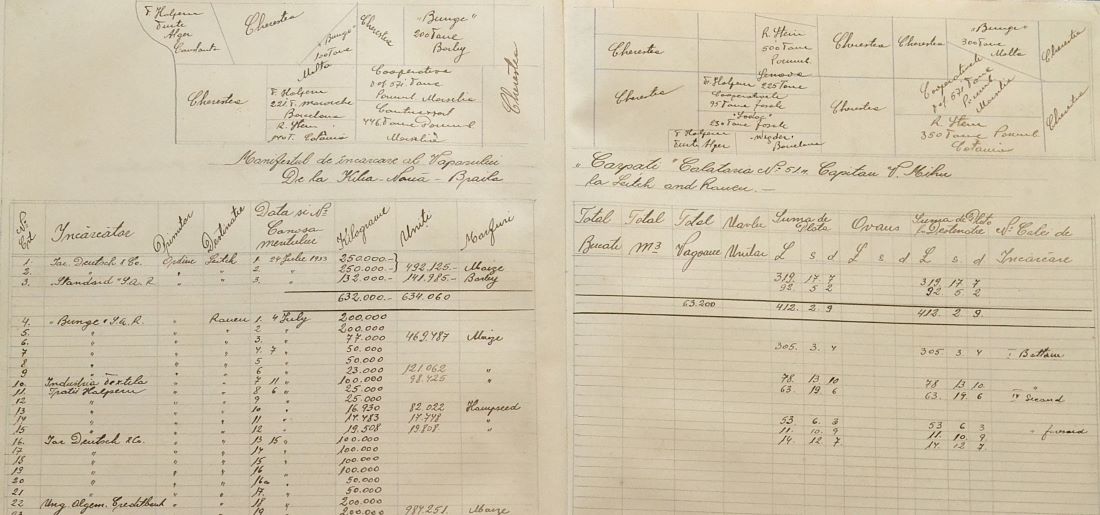
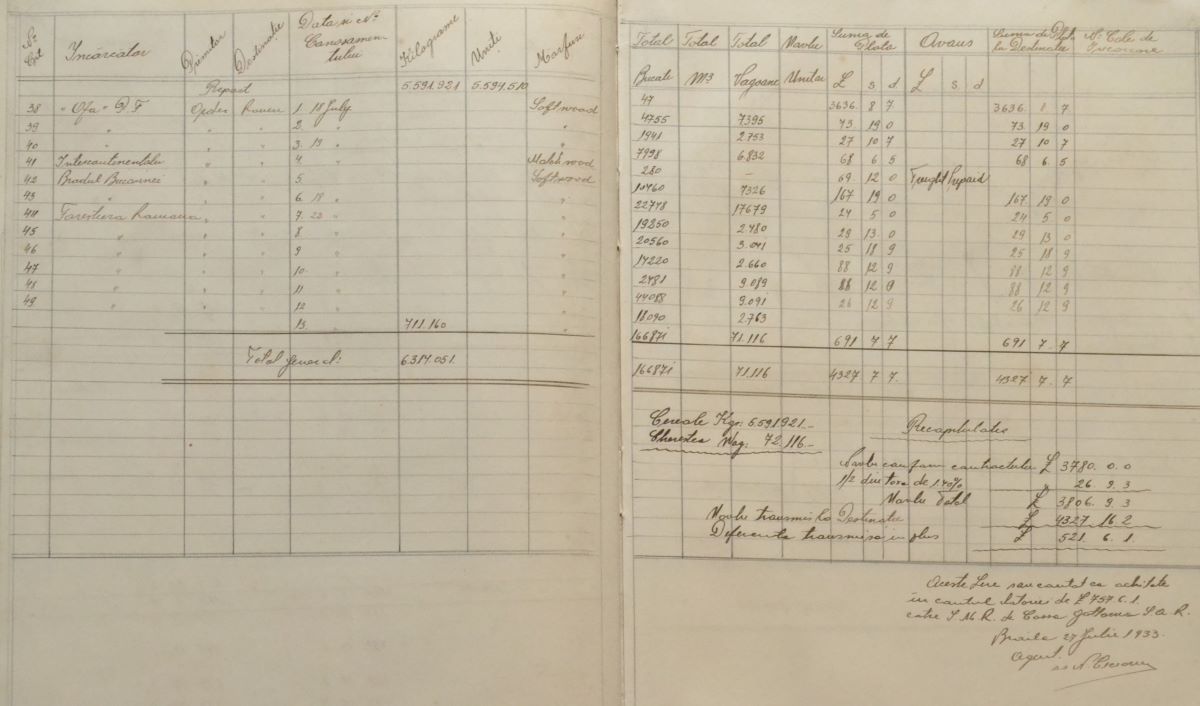
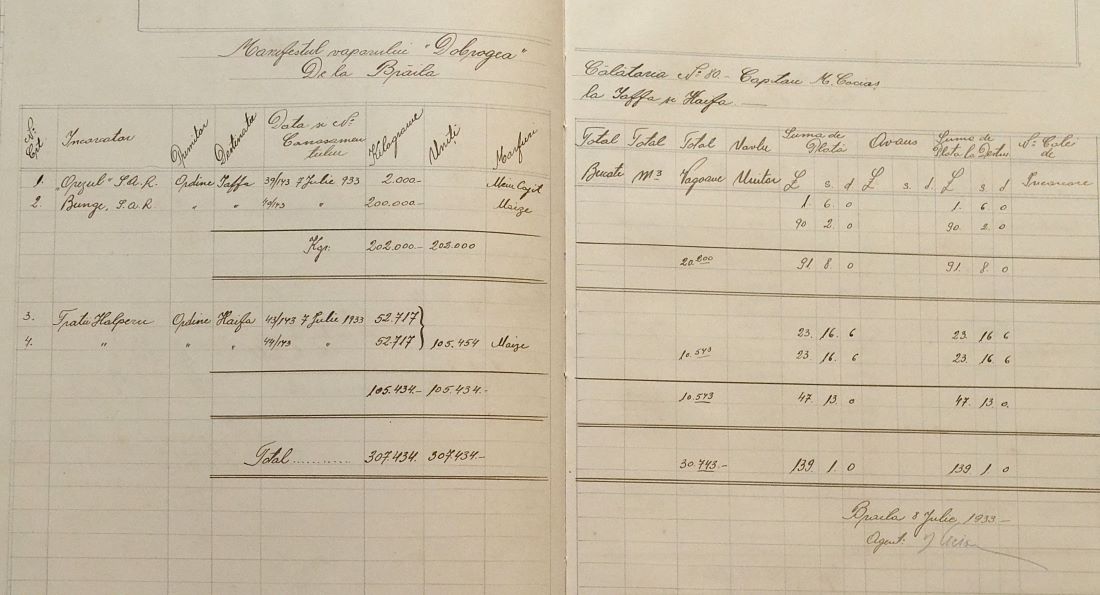
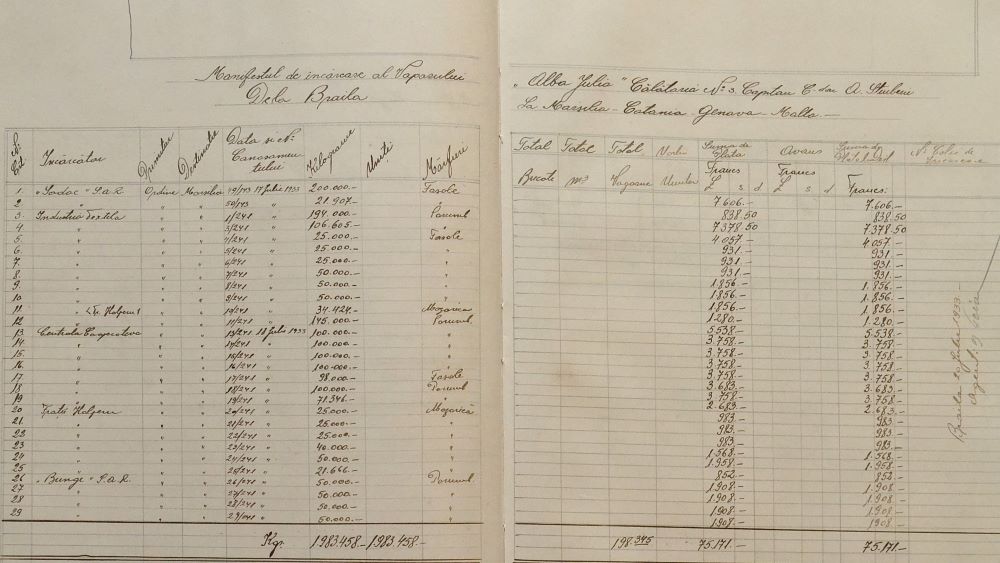
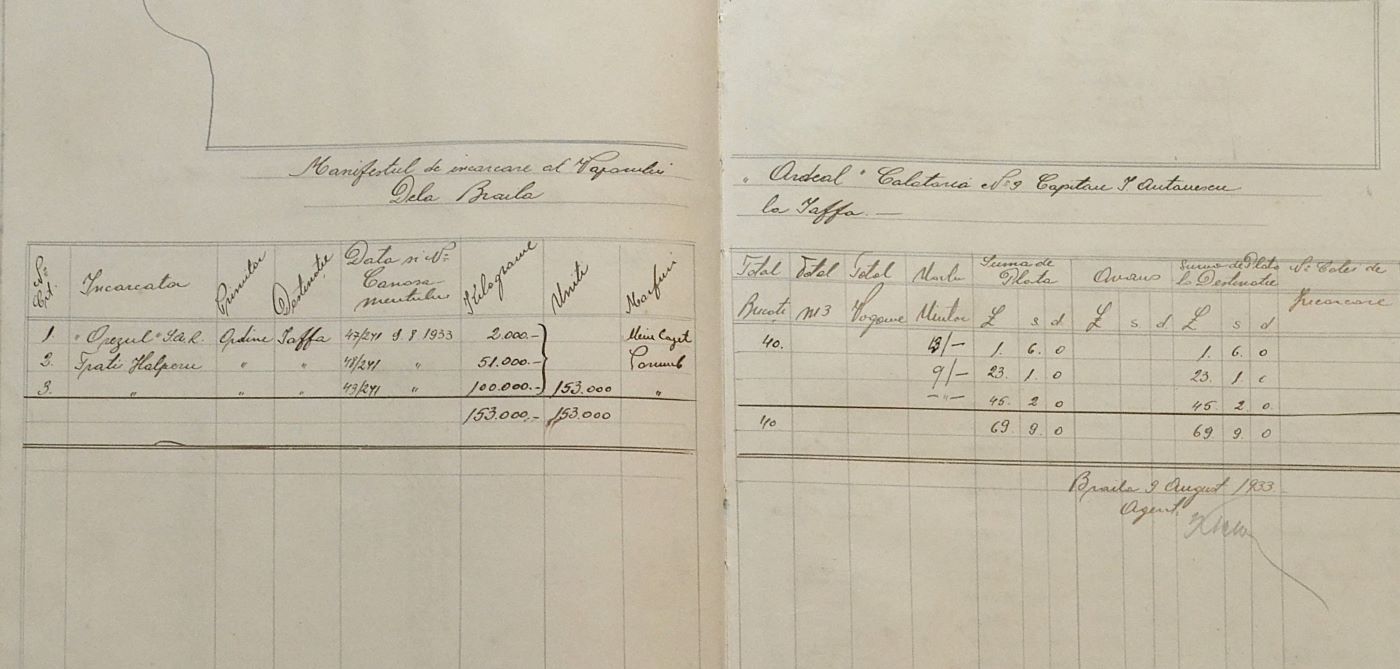
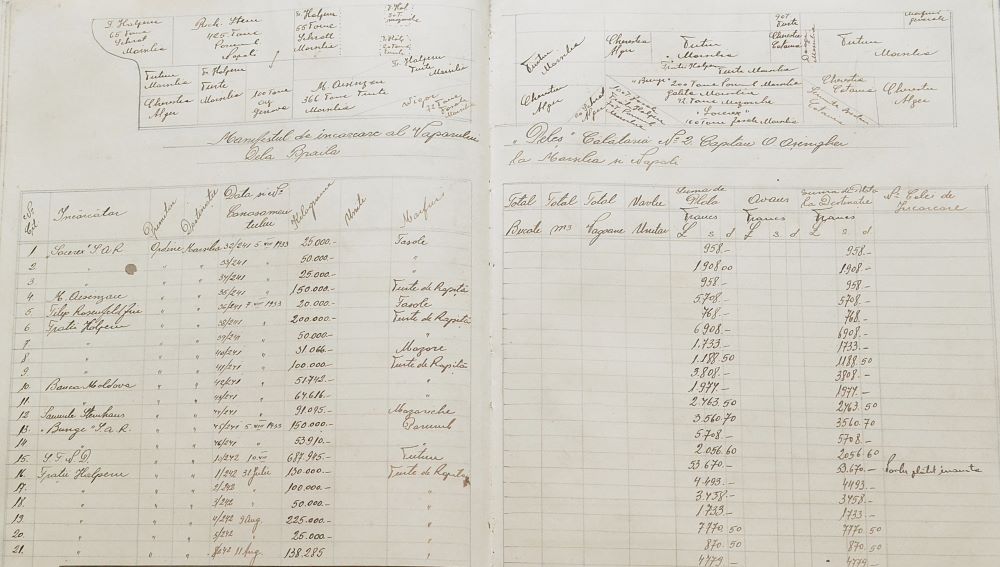
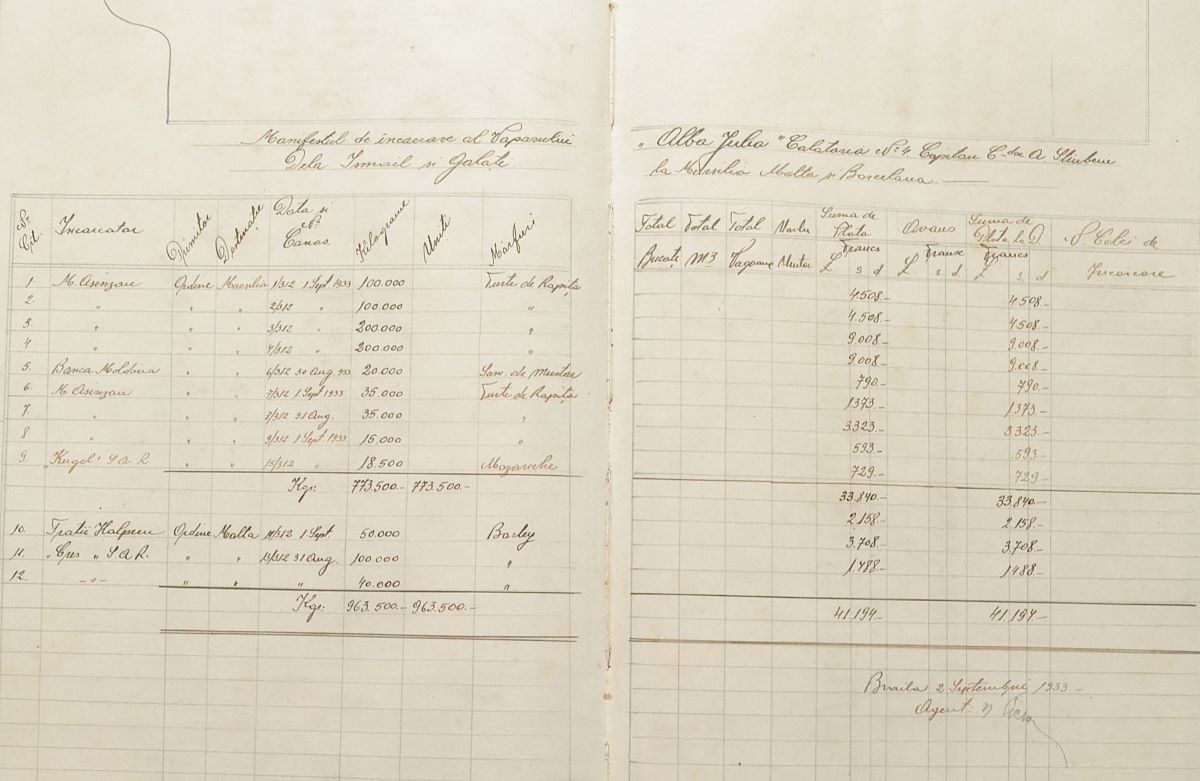
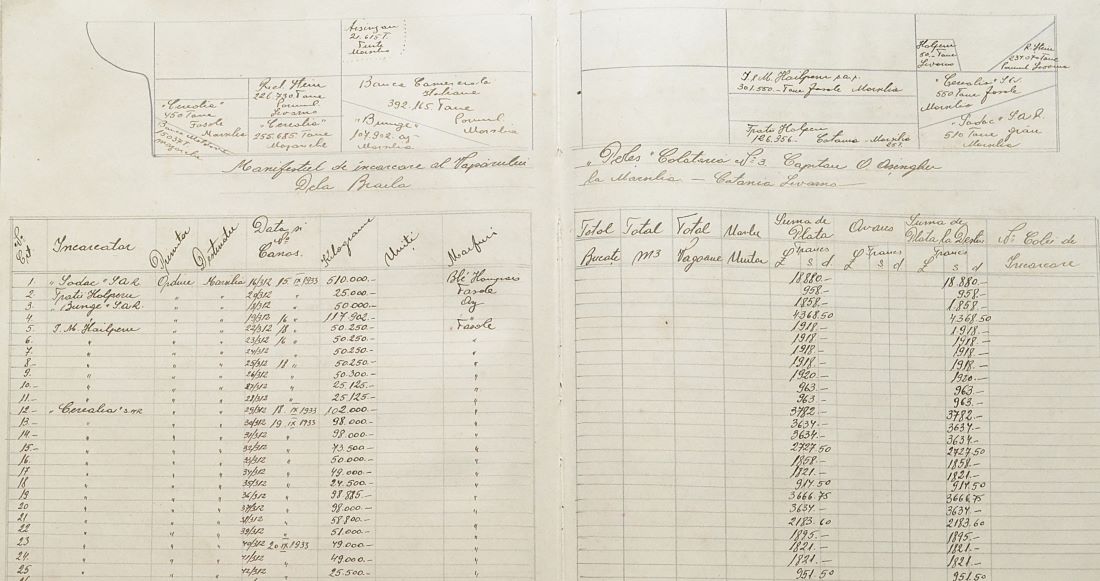
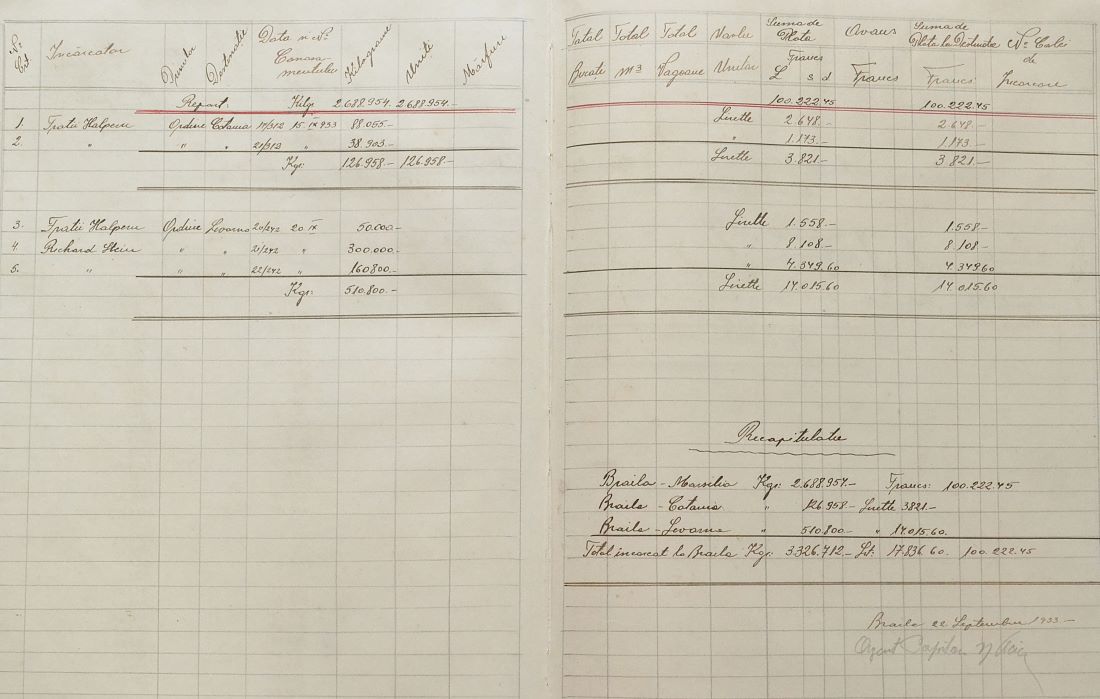
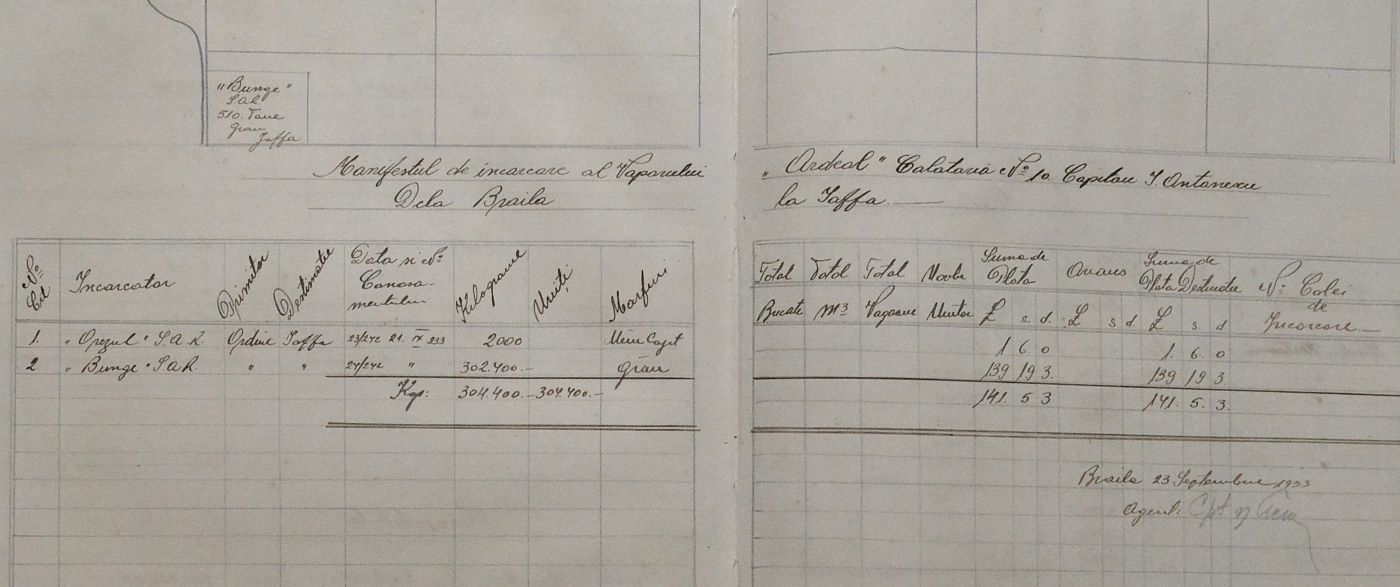
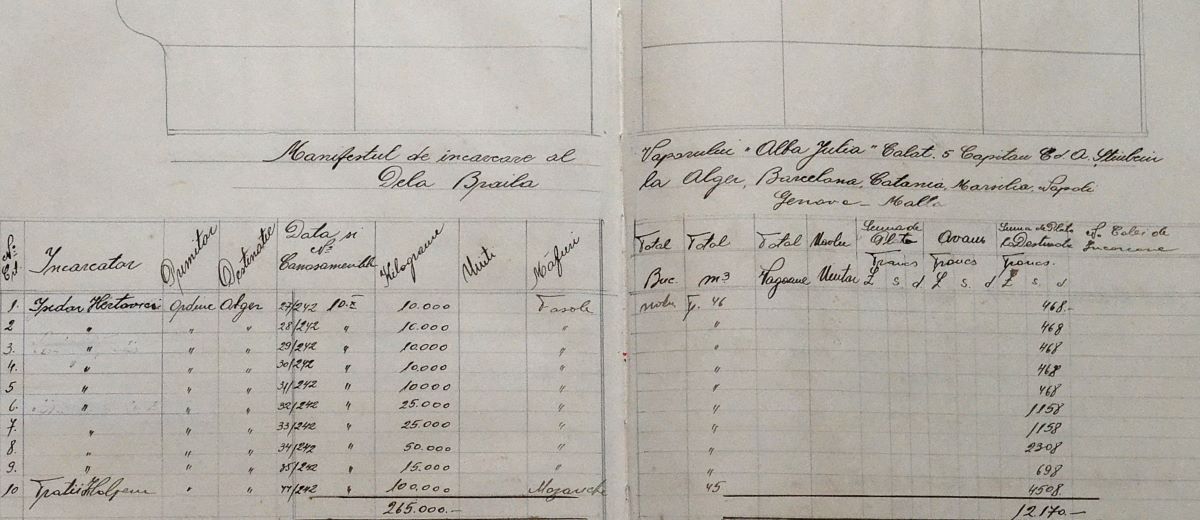
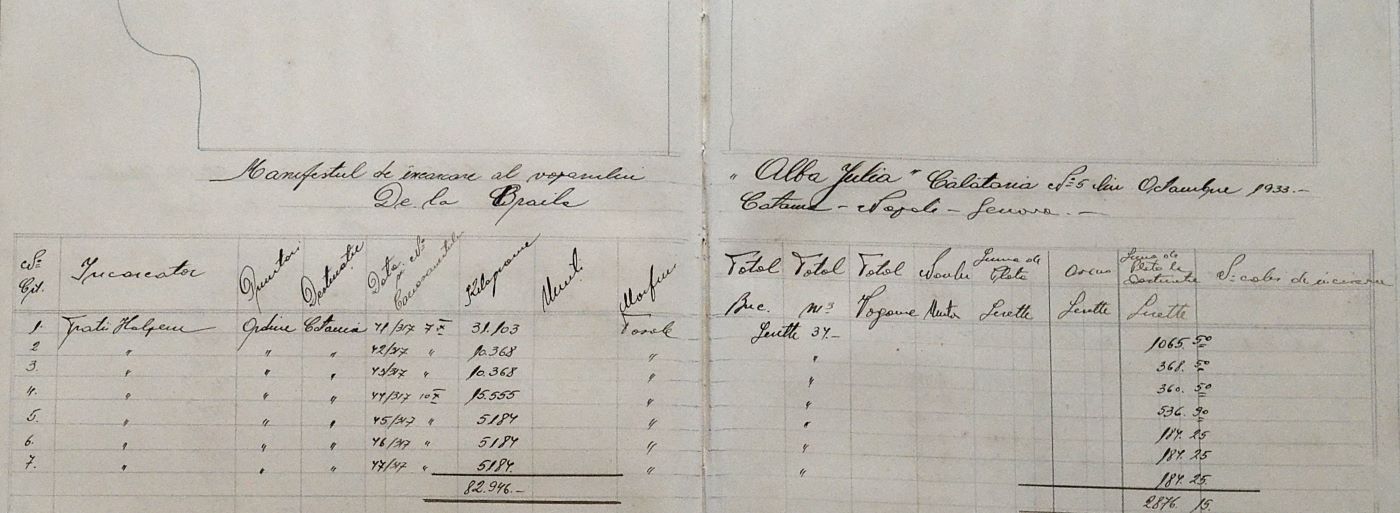
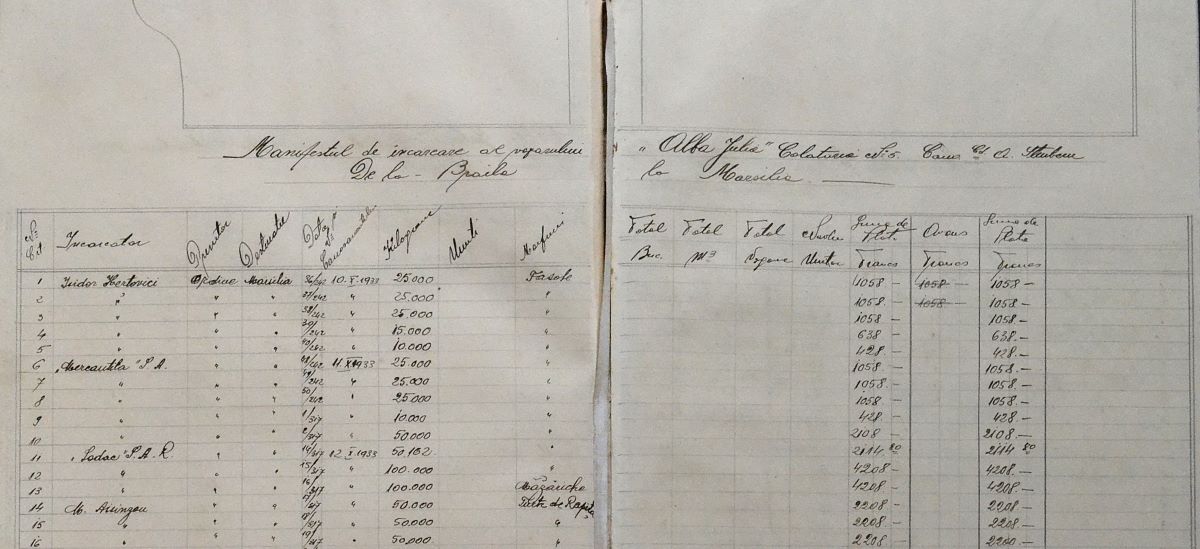
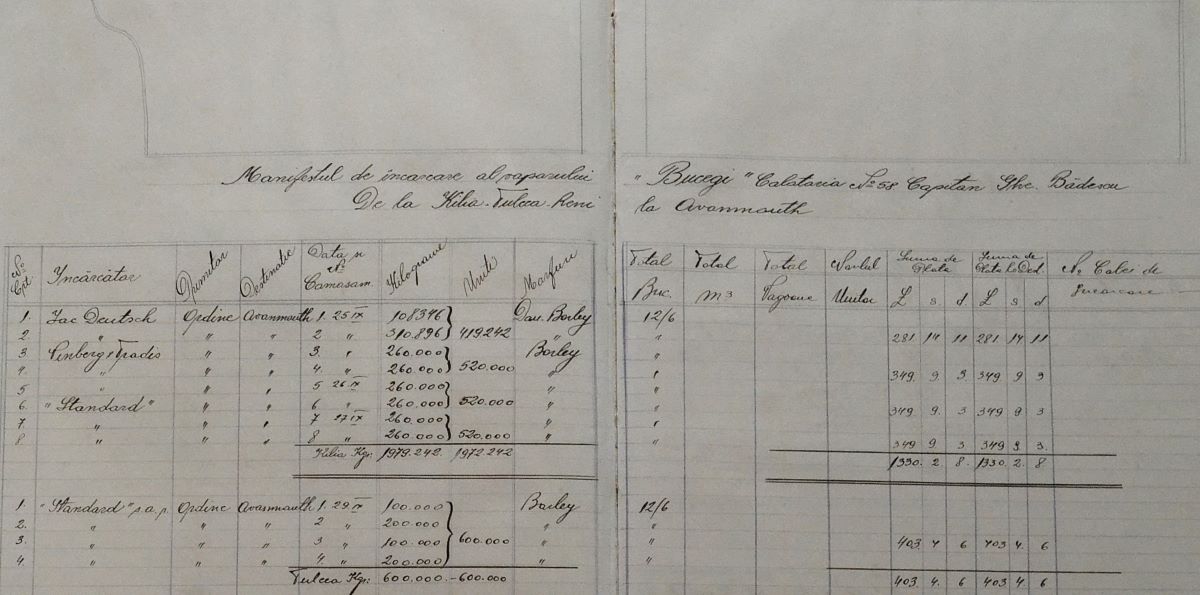
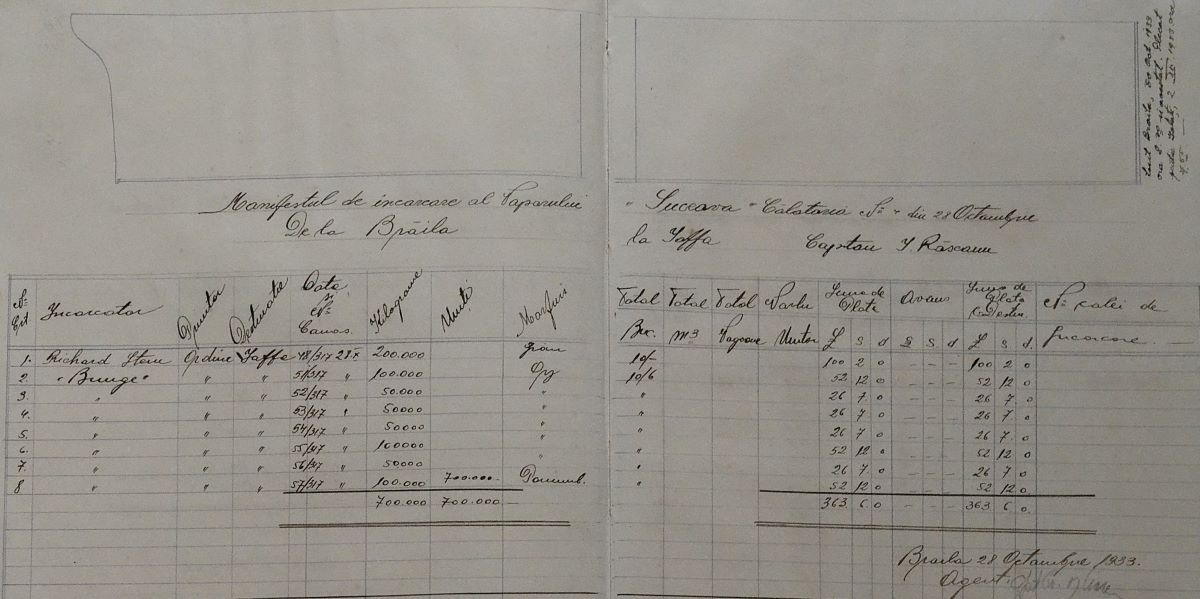
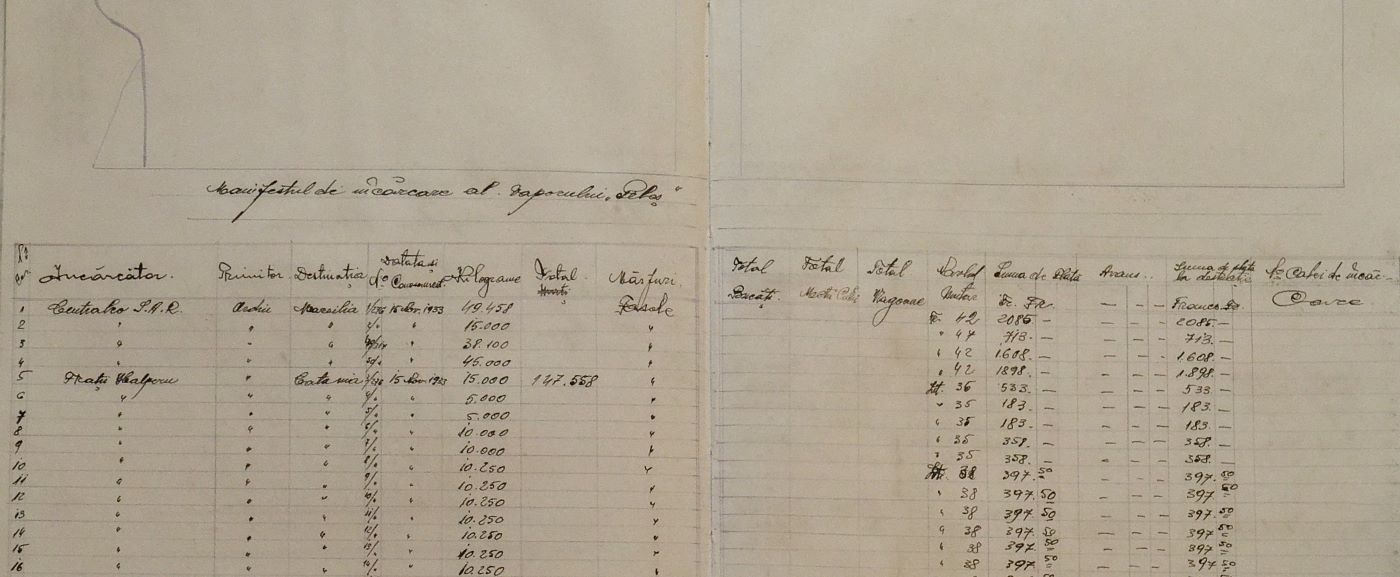
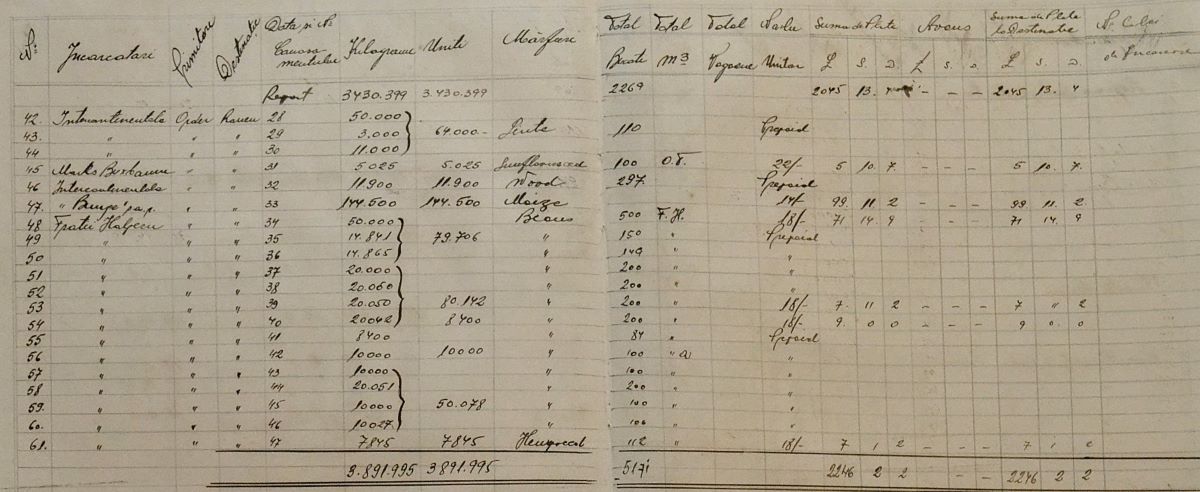
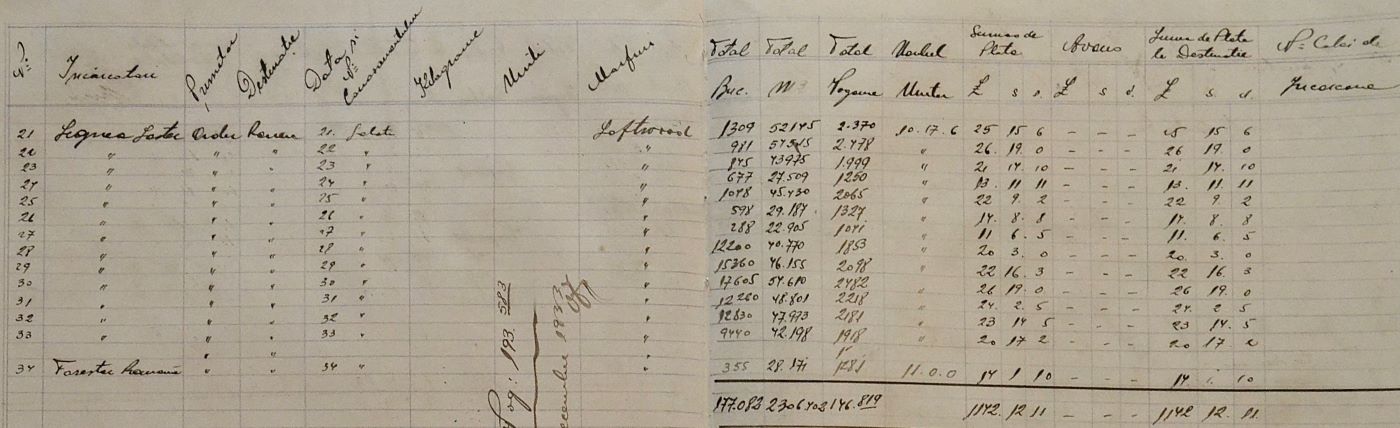
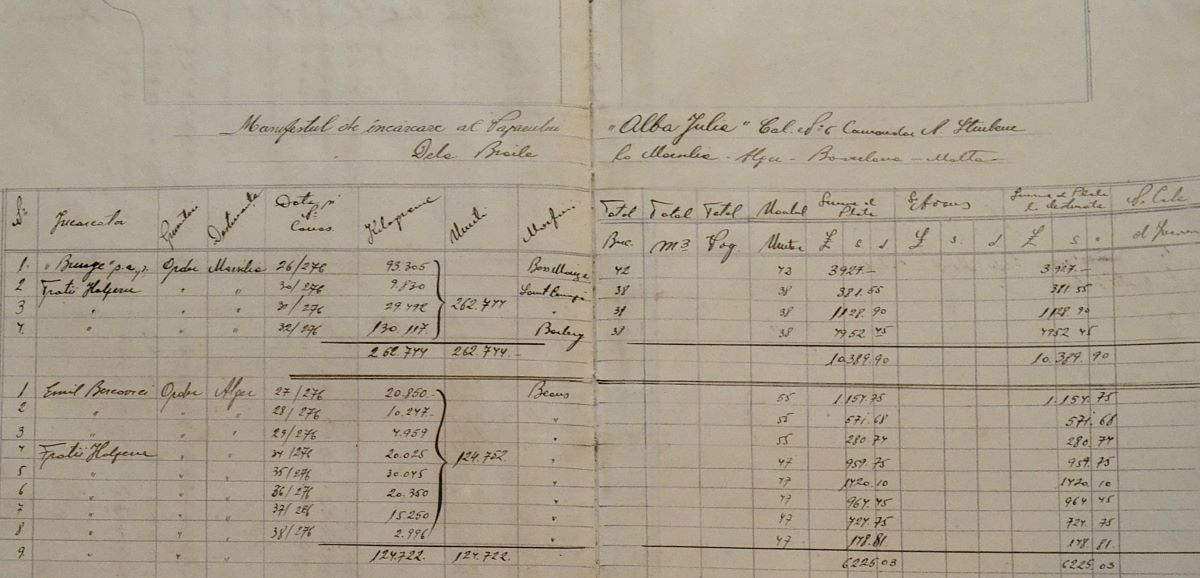
From the photographed pages, we can see a working manuscript ledger tied to the Danube and Black Sea trade, with references to ports such as Brăila, Galați, Sulina, Constanța, Rotterdam, Marseille, and Genoa. In other words, it does not merely name ships—it captures the movement of goods, money, and geography.
That makes it valuable in three ways:
- Maritime history.
- Commercial history.
- Regional Romanian and European history.
Why is this nomenclator unusually rare?
Most collectors encounter printed naval lists, Lloyd ’s-style references, or later administrative registers. This volume is different because it is:
- Handwritten
- Operational, not ceremonial
- Internally detailed
- Regionally specific
- Substantially preserved
That combination is uncommon. In the collectibles world, rarity is not only about age. It is about survival plus uniqueness. A printed directory may have had thousands of copies. A ledger like this was likely a one-off working document. Once used, such books were usually worn out, discarded, or broken apart.
This is why the present nomenclator feels less like a book and more like a surviving fragment of a vanished port office.
The hidden cultural value: why ledgers can be more exciting than paintings
Here is the fun part collectors often miss: old maritime ledgers are full of accidental culture.
A page like this can reveal:
- What goods moved through a port,
- Which trade routes were active?
- How multilingual commerce looked in practice,
- How Eastern Europe connected to Western Mediterranean and Northern European markets.
The Danube was not just a river. For over a century, it was one of Europe’s great commercial arteries. Ports such as Brăila and Galați were major export points for grain and raw materials. A ledger like this turns that abstract history into something tactile: ink, columns, signatures, corrections, and freight sums.
Even the marbled binding matters. Marbled paper was long associated with quality account books, legal records, and mercantile volumes. It signals a world where bookkeeping was both practical and crafted.
What makes this copy stand out from “similar” items
Strictly speaking, there are very few truly similar items.
Yes, the market offers ship logs, cargo manifests, customs ledgers, and port books. But this nomenclator stands apart because it appears to unite:
- vessel identification,
- loading manifests,
- port references,
- freight accounting,
- and a coherent historical context.
That moves it from “collectible ephemera” into the category of documentary artifact.
For a collector, museum, maritime archive, shipping historian, or regional history specialist, this is not just scarce. It is close to singular.
Market overview: eBay and okazii.ro over the last 20 years
The summary below is a careful market read, not an audited sales database.
1) 2004–2010: undervalued and often misdescribed
In the early online marketplace era, unusual archival ledgers were frequently listed as “old notebook,” “ship book,” or “account register.” On both eBay and Romanian local platforms, that usually meant lower prices. Buyers needed specialist knowledge to spot significance.
2) 2011–2018: discovery phase
As sellers improved photography and collectors became more research-driven, manuscript maritime material gained visibility. eBay, in particular, helped niche buyers find niche products. During this period, well-preserved handwritten shipping records generally began outperforming ordinary printed marine directories.
3) 2019–2024: premium for uniqueness
In recent years, the strongest price growth has gone to items with three things:
- clear provenance,
- many complete pages,
- and strong visual appeal.
This nomenclator has all three advantages.
eBay vs. okazii.ro
- eBay usually produces higher prices because it exposes the item to international buyers: maritime collectors, paper historians, shipping museums, and dealers.
- okazii.ro tends to be a thinner market. Prices can be lower, but hidden gems appear there because local historical material is sometimes offered more casually.
Price direction
Over the past 20 years, the broad trend for unique maritime manuscript material has been upward, especially for complete volumes. Ordinary printed ship registers may remain affordable, but one-of-one handwritten port or cargo books have moved from modest collector territory into serious specialist territory.
In practical terms:
- common printed maritime references = usually lower tier,
- handwritten shipping ledgers = higher tier,
- complete, attractive, regionally important examples like this = often the strongest performers.
Bottom line
If you are looking at this nomenclator and wondering whether it is rare, the answer is simple: yes—rare in format, rare in survival, and rare in historical usefulness.
It is not merely a list of ships. It is a record of trade, language, labor, accounting, and movement across the Danube–Black Sea world. That is exactly why collectors pay increasing attention to pieces like this: they do not just decorate a shelf. They preserve an ecosystem.






Reviews
There are no reviews yet.
Only logged in customers who have purchased this product may leave a review.