



Z Z Top – Rio Grande Mud, How I Love Her, She Set My Heart on Fire
Summary: Dive into classic rock with the 1972 release, “Rio Grande Mud,” from the renowned American band, ZZ
Free UK shipping on orders over £50, and free shipping to Europe/North America on orders over £100.











Only 1 left in stock
THIS IS ONLY A COPY/REPLICA.
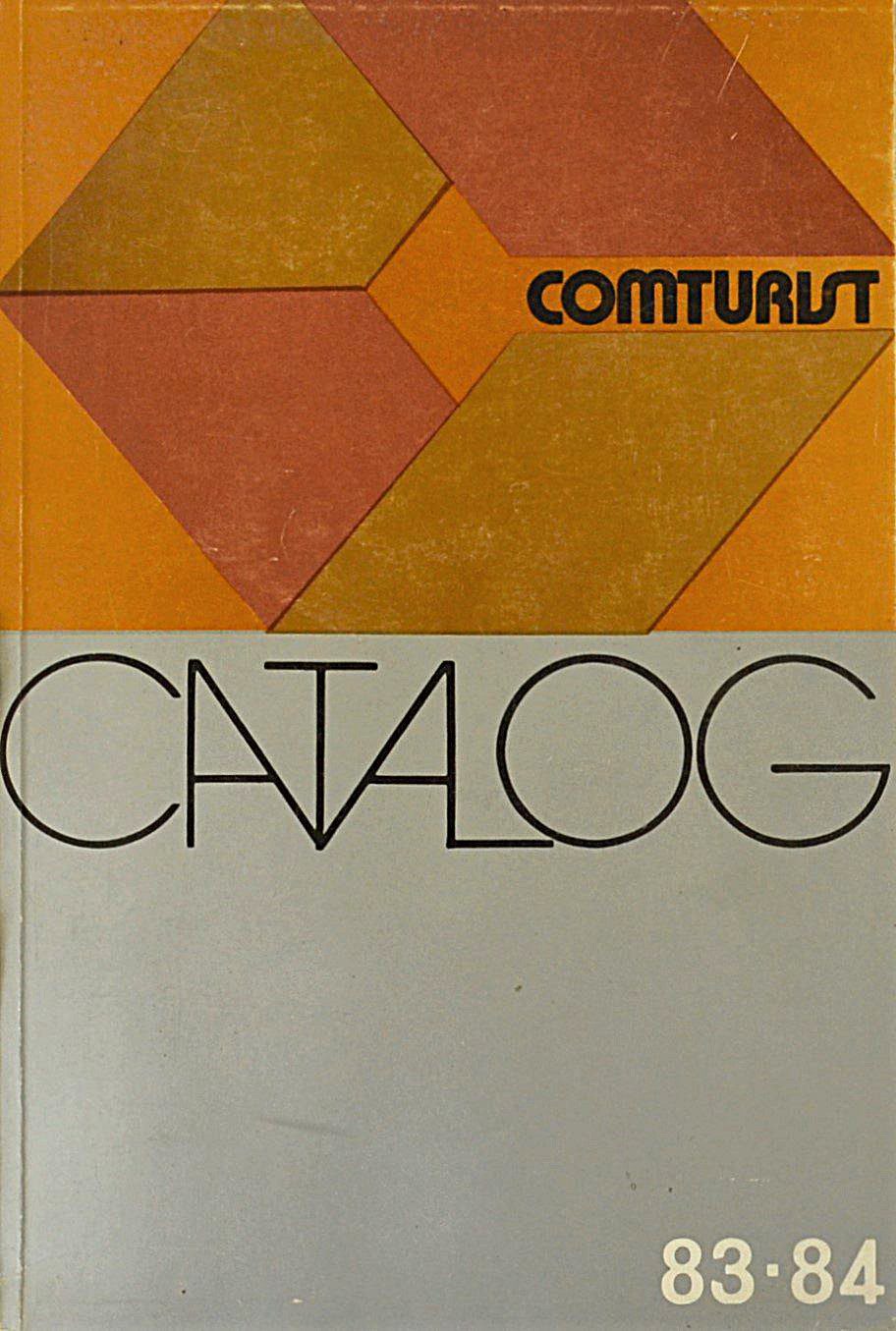
Explore the world through the lens of industry with the Comturist Catalog. A vintage treasure from 1983-1984.
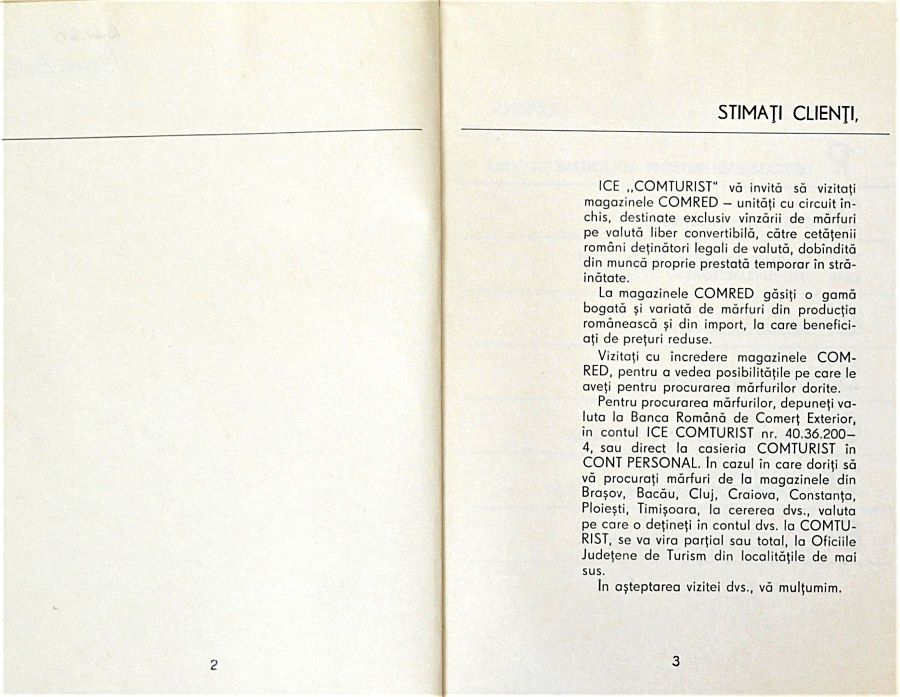
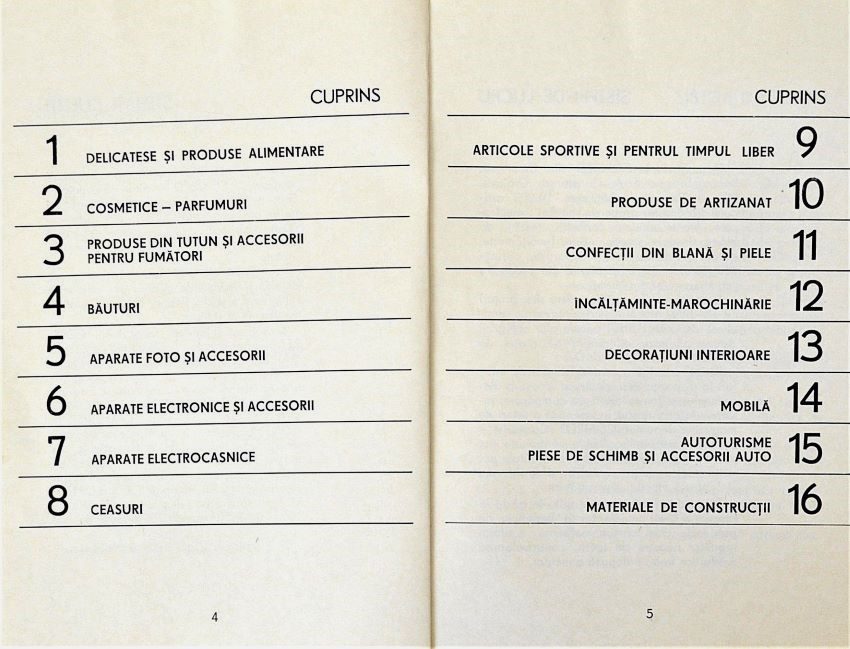
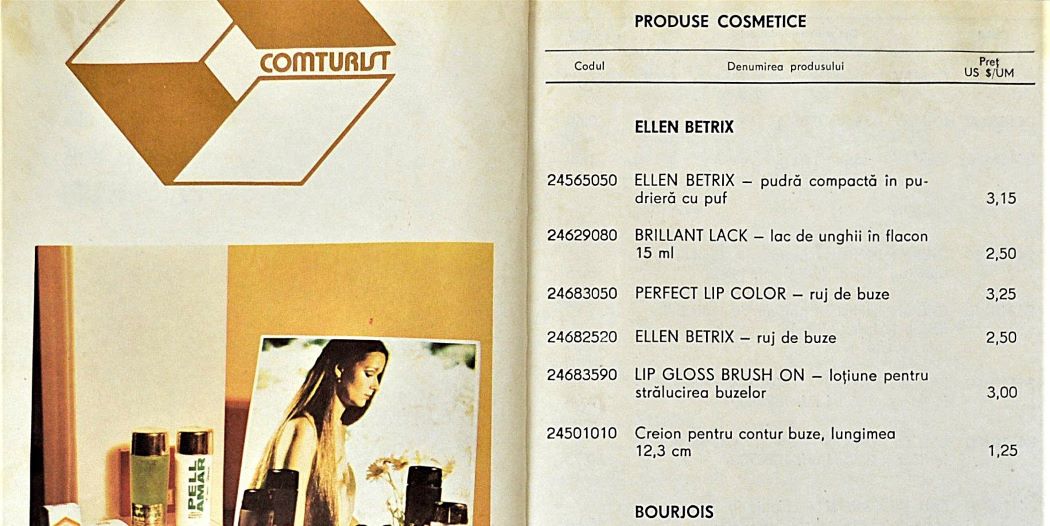
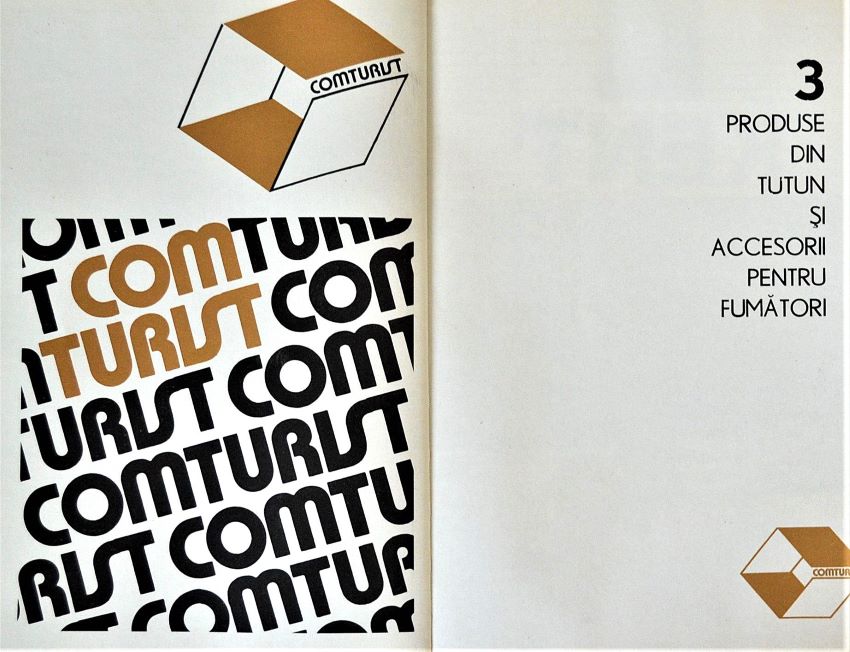
Comturist Catalog 83–84 presents a vintage Romanian shopping guide with a bold geometric cover design and clean typography. Inside, clients are welcomed and directed to COMRED stores, with a structured table of contents covering foods, cosmetics, tobacco, electronics, watches, sports, crafts, furniture, cars, and construction materials, plus ordering instructions for customers.
THIS IS ONLY A COPY/REPLICA.
Exploring Romania’s 1984-1985 Industries: A Brief Journey
(Best places to insert the provided images)
An industrial catalog is a standardized product database on paper: categories, SKUs/codes, specifications, pricing, and ordering rules—built to reduce friction between buyer, seller, warehouse, and accounting.
Think of it as the ancestor of:
Flip through the images, and you’ll notice something quietly modern:
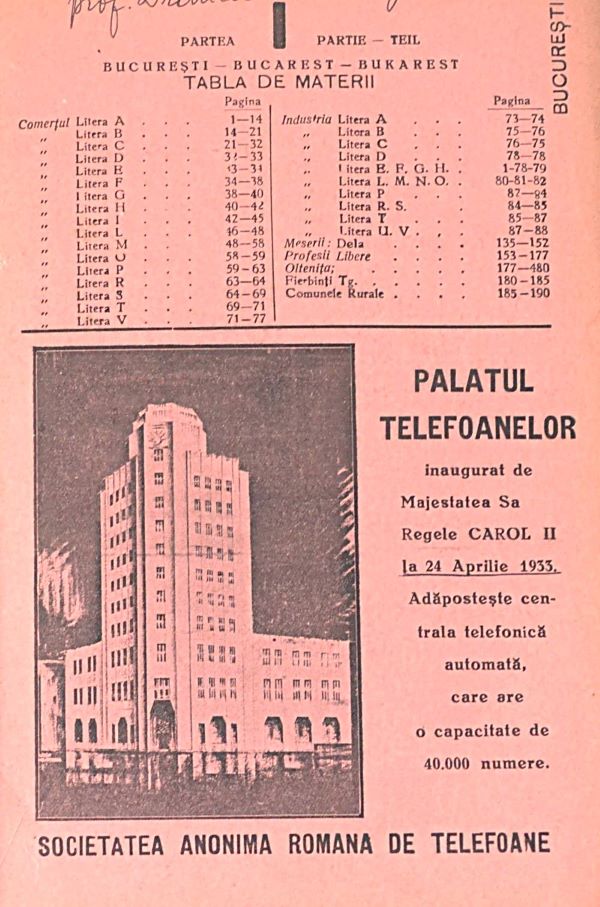
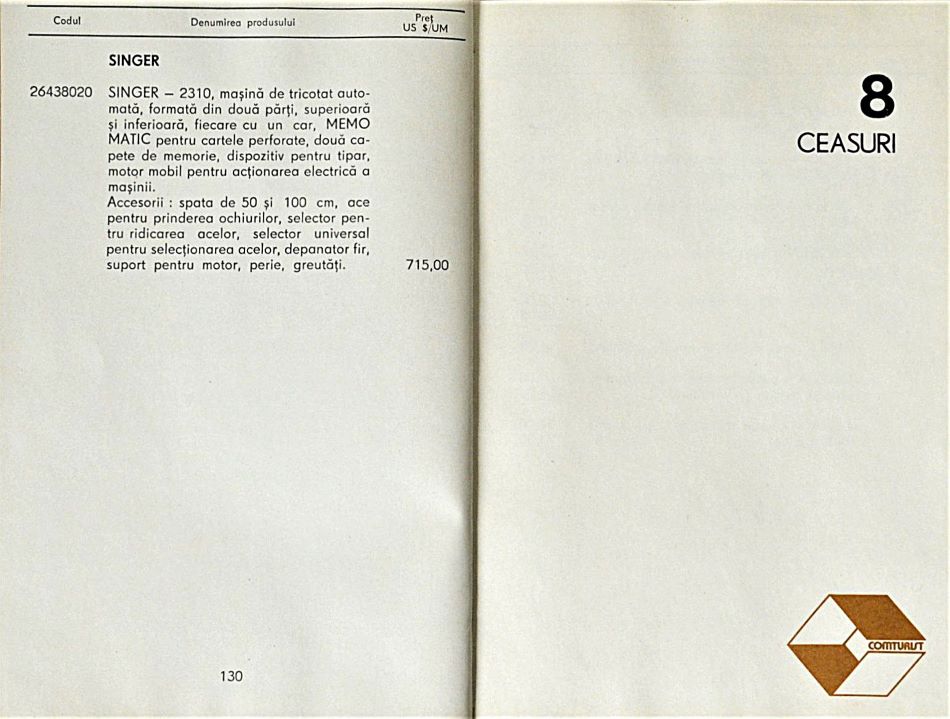
The CUPRINS spread organizes everything into 16 departments—from Delicacies & Food to Electronics, Furniture, Cars, and Construction materials. That’s not “nice design”; it’s operational strategy: fewer questions, fewer returns, faster ordering.
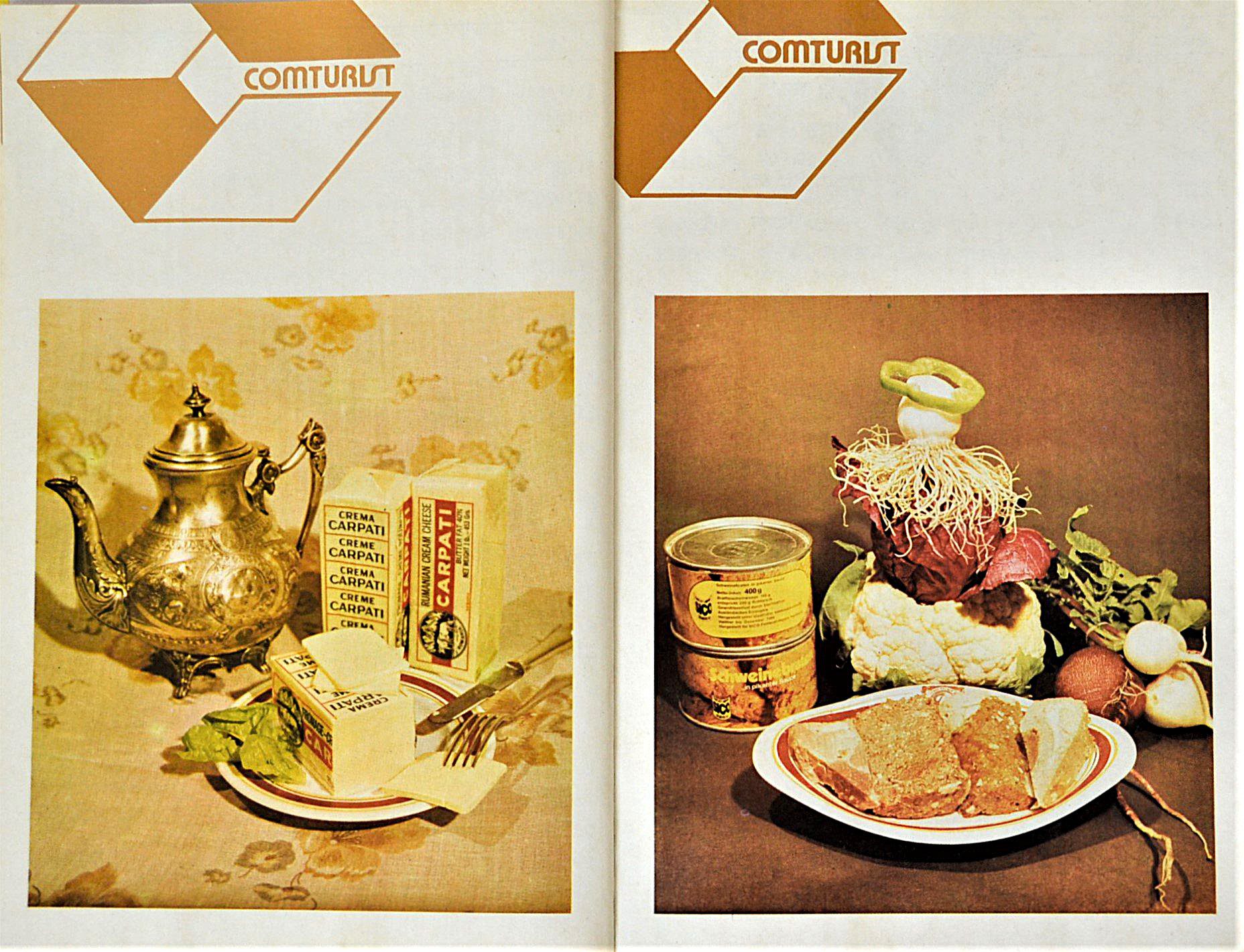
Delicacies and Groceries: Romania’s culinary scene flourished in the 1980s, with an array of local delights and pantry staples that defined the essence of Romanian gastronomy.
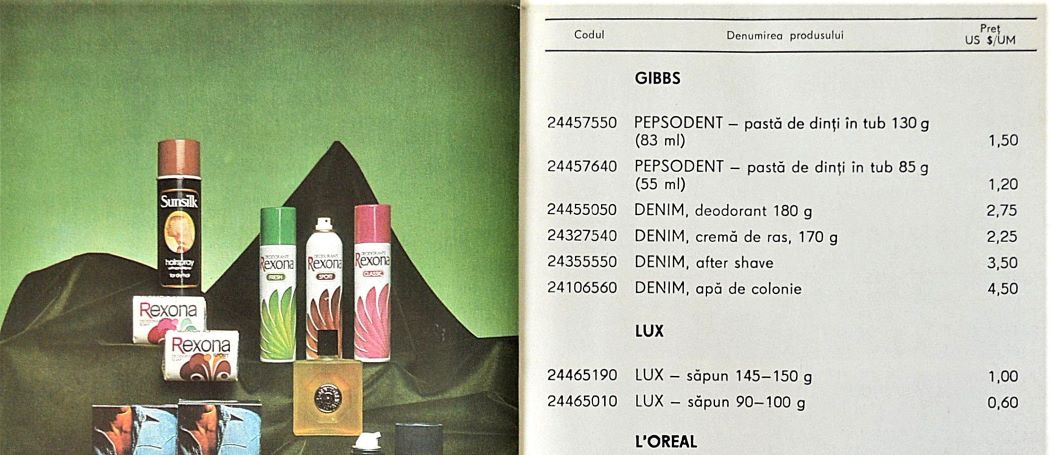
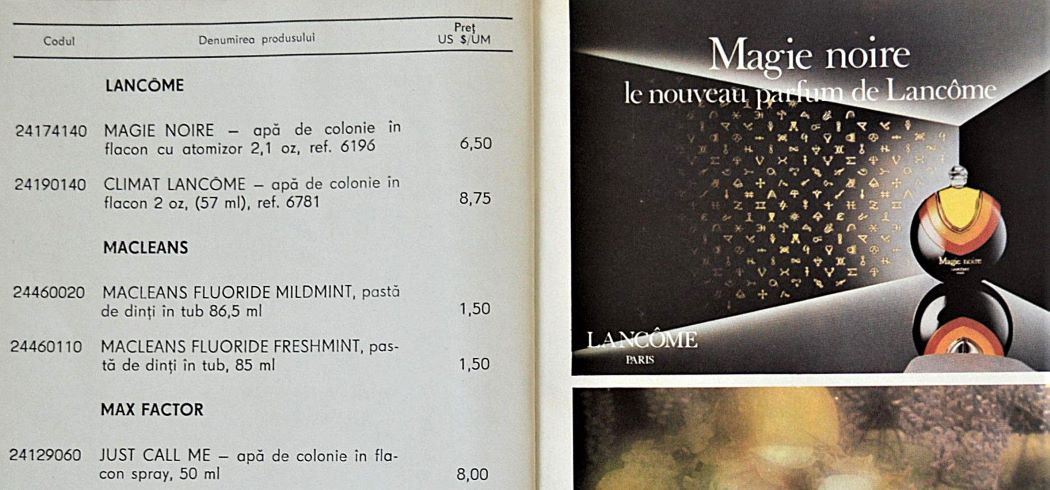
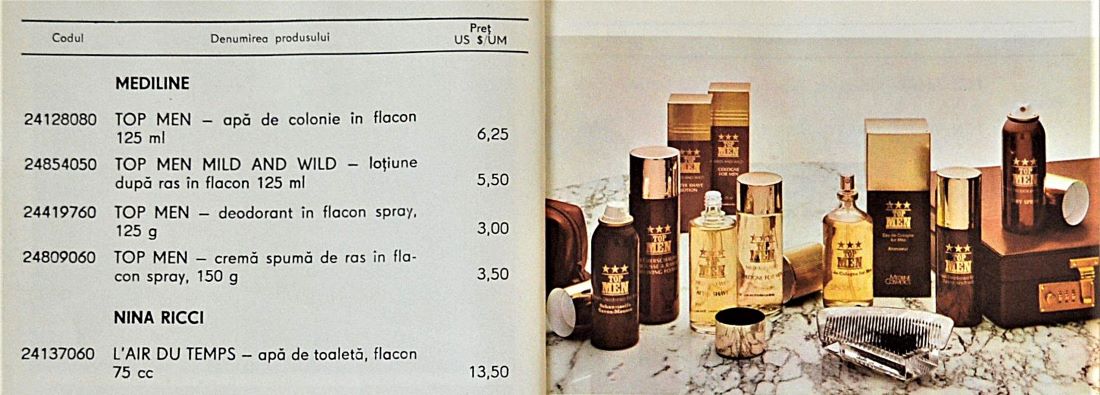
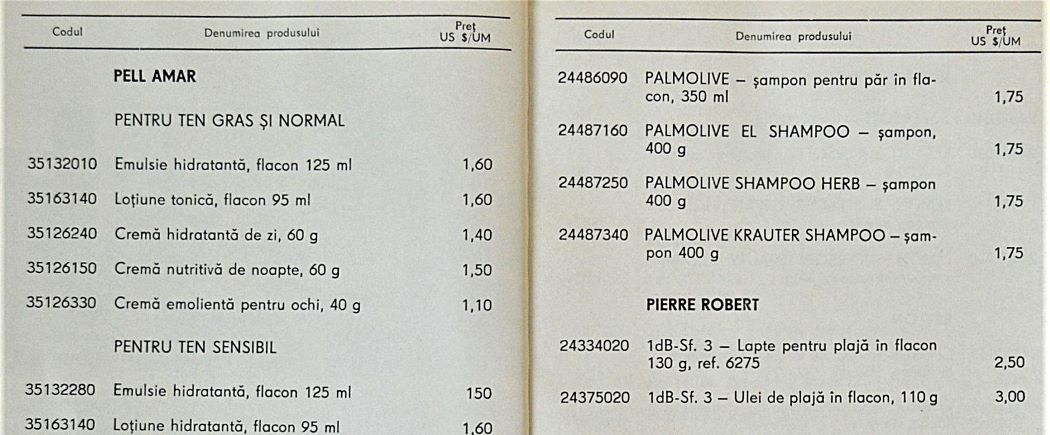
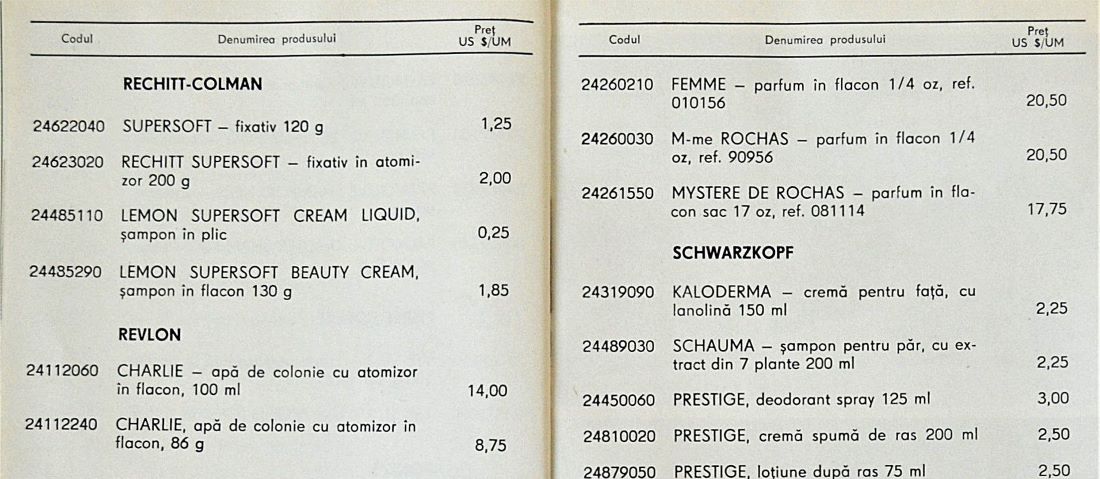
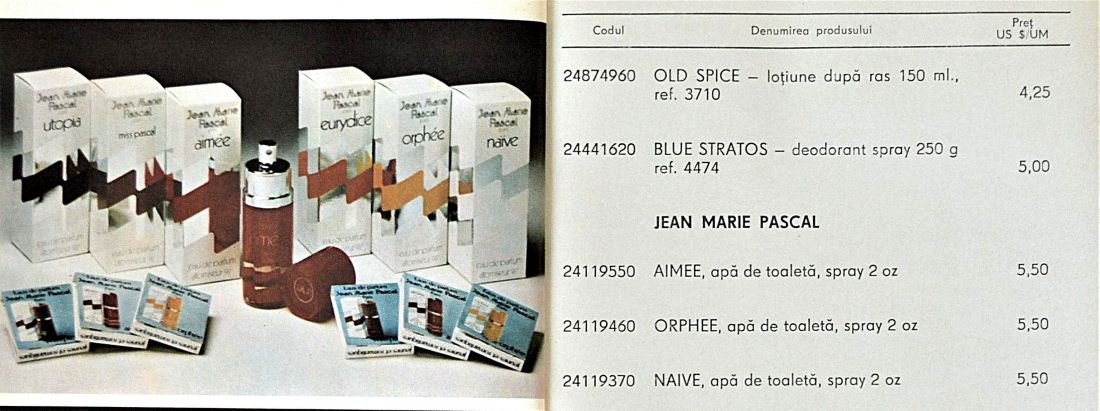
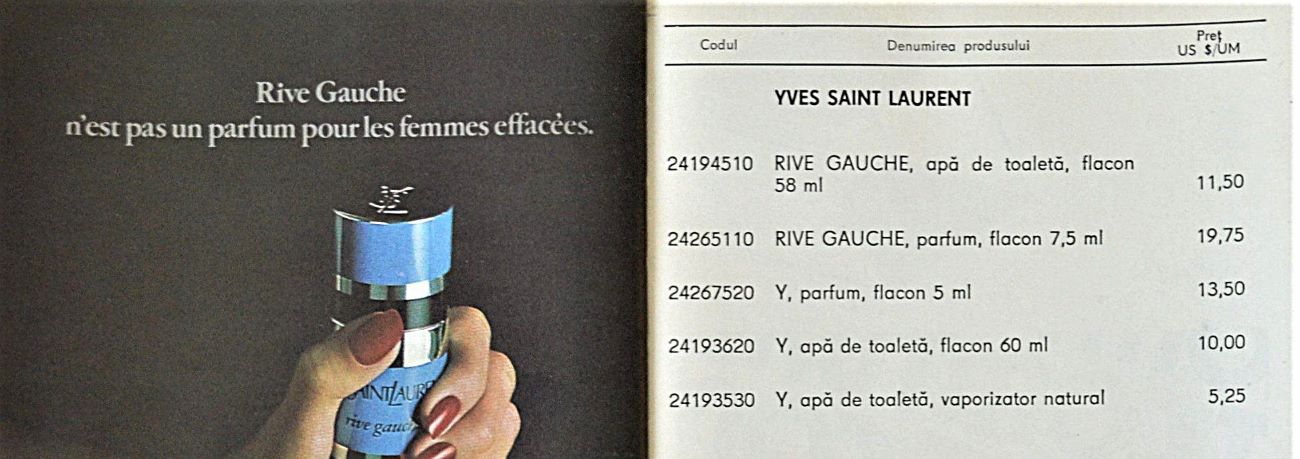
Cosmetics and Perfumes: The beauty industry flourished with a variety of cosmetics and perfumes, offering glamour and elegance for Romanian men and women.
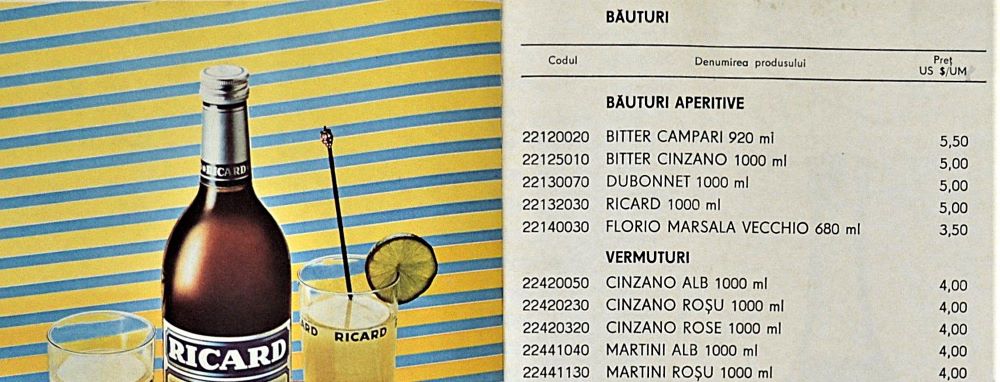
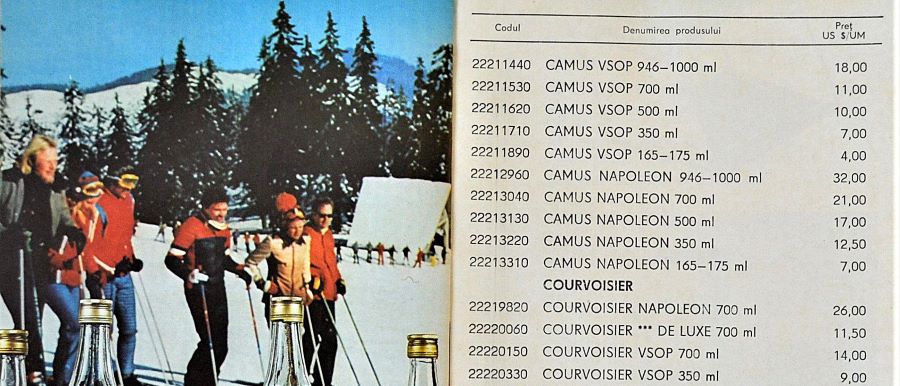
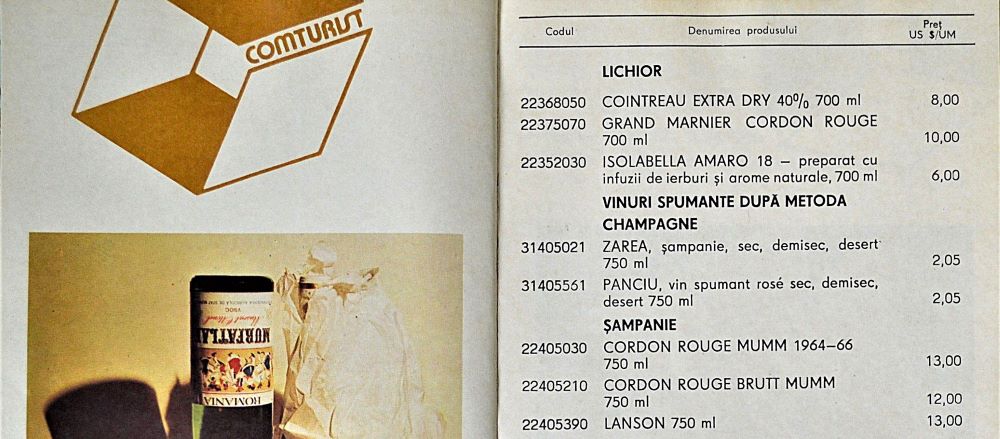
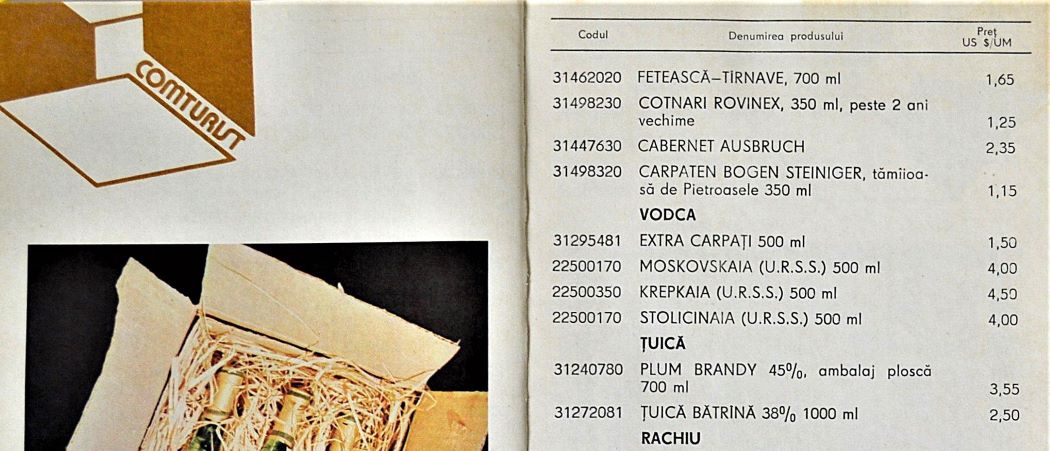
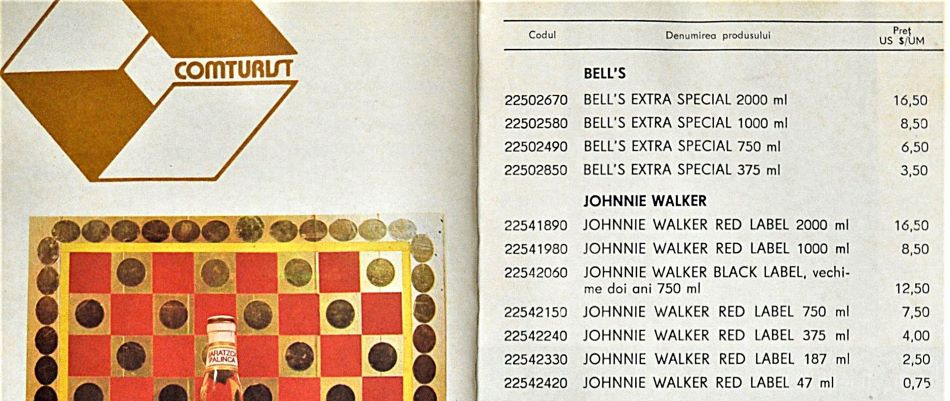
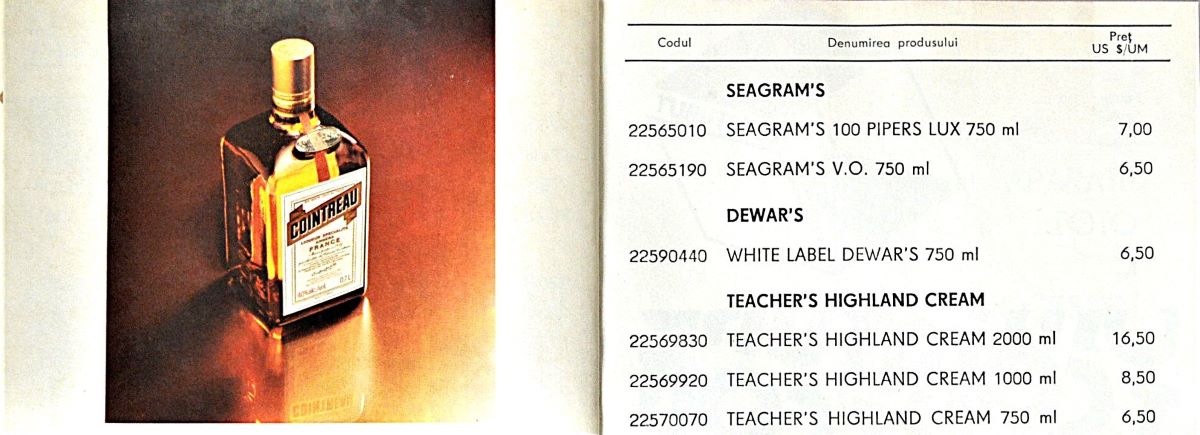
Drinks: The beverage industry offers a diverse selection, ranging from local wines to international spirits, catering to a wide range of preferences.
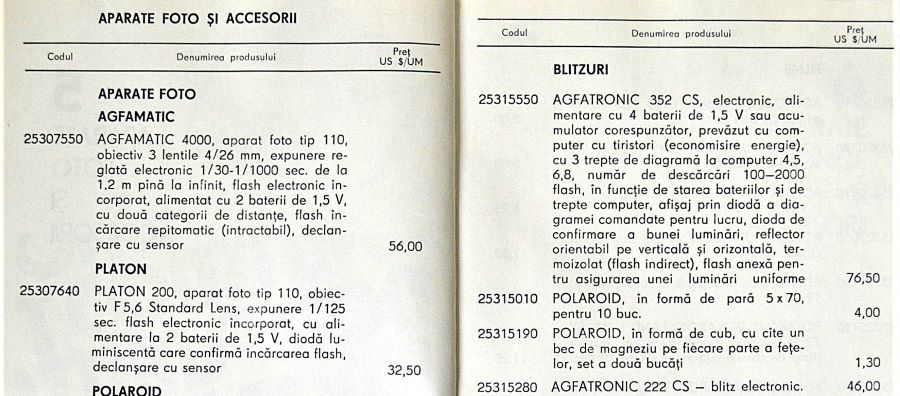
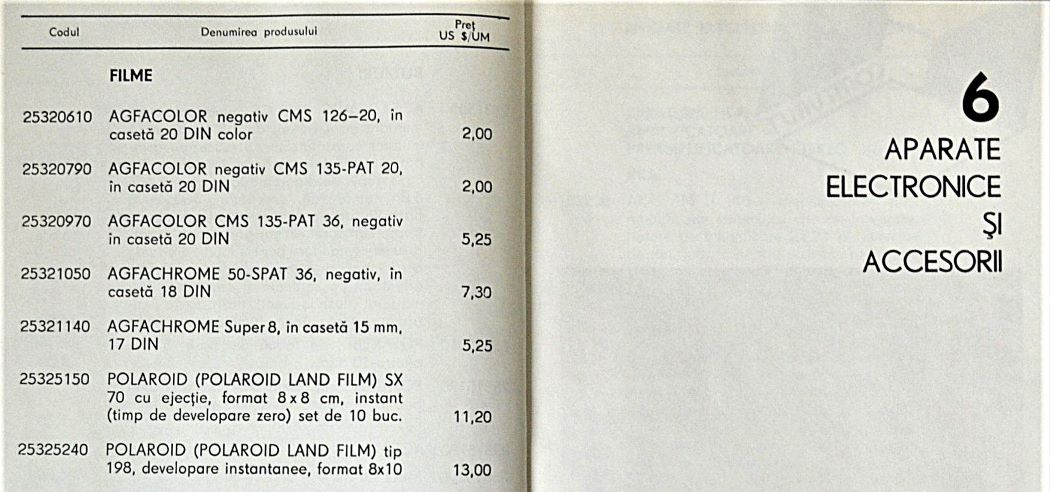
Cameras and Accessories: Photography enthusiasts found a haven with a range of cameras and accessories, enabling the capture of life’s moments.
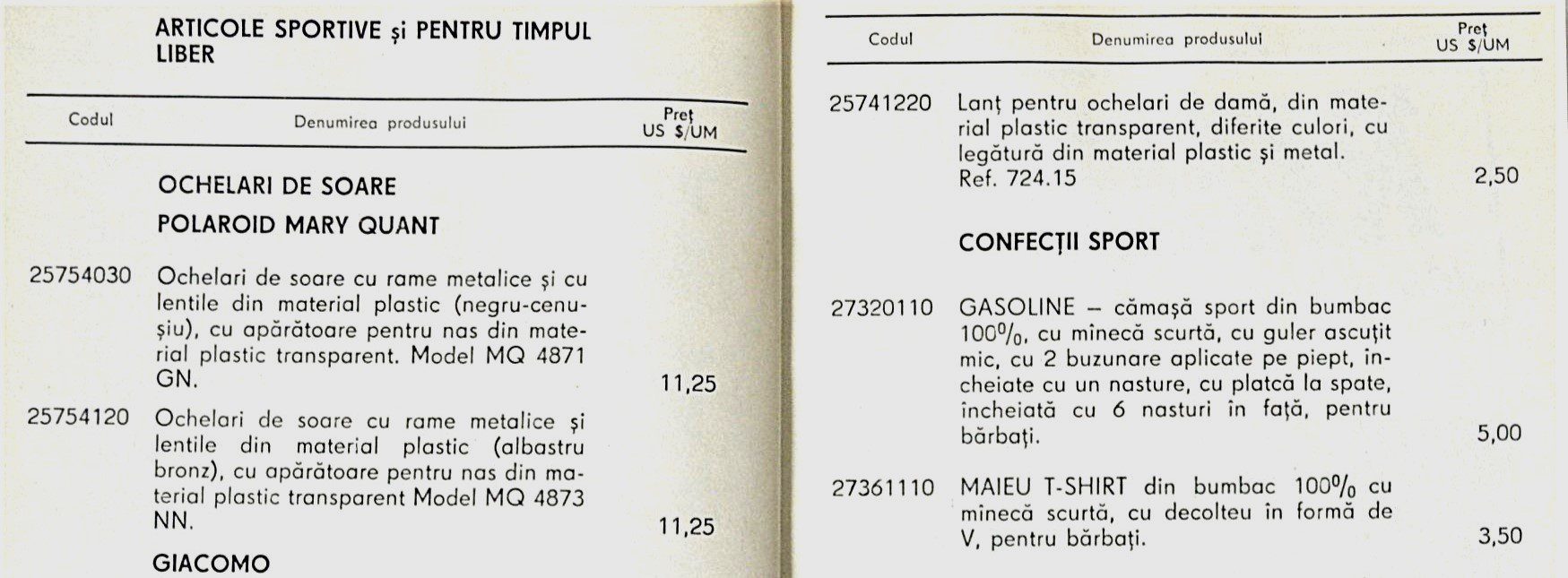
Sporting Goods and Free Time: The market offered sporting goods and recreational items, encouraging an active and vibrant lifestyle.
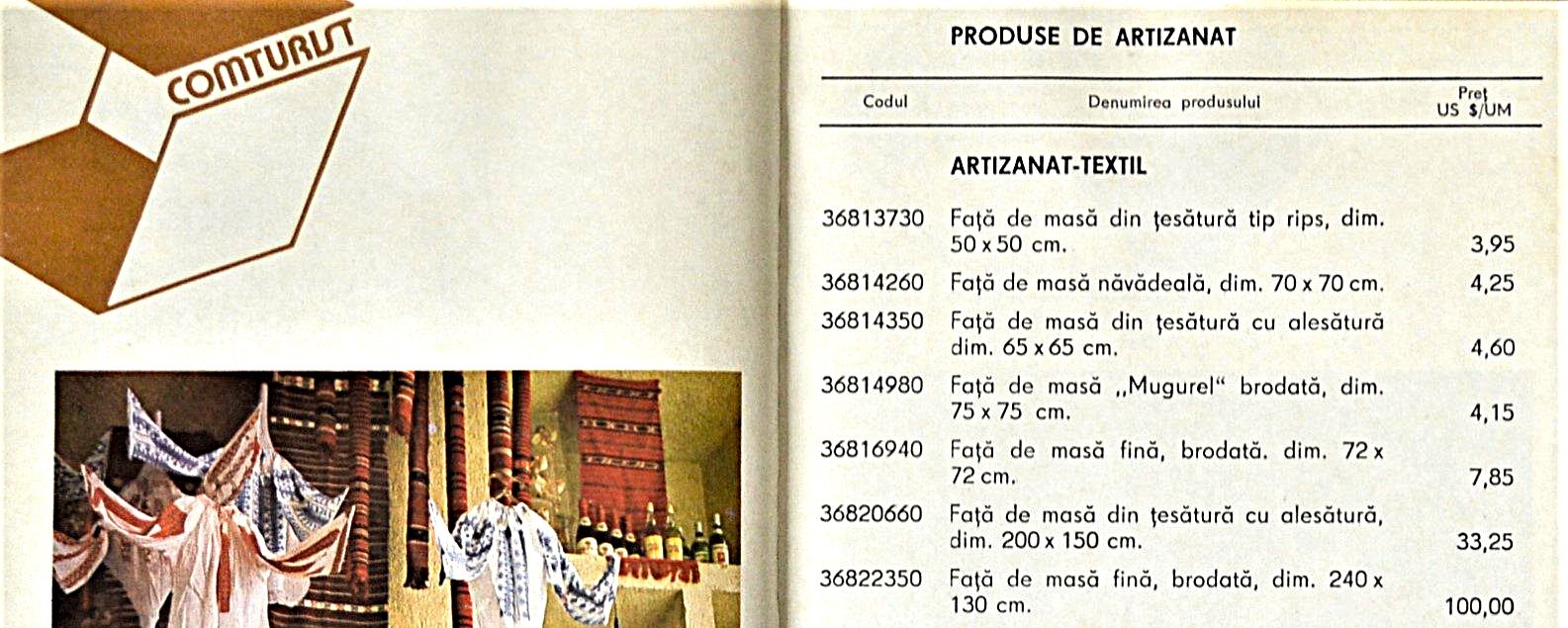
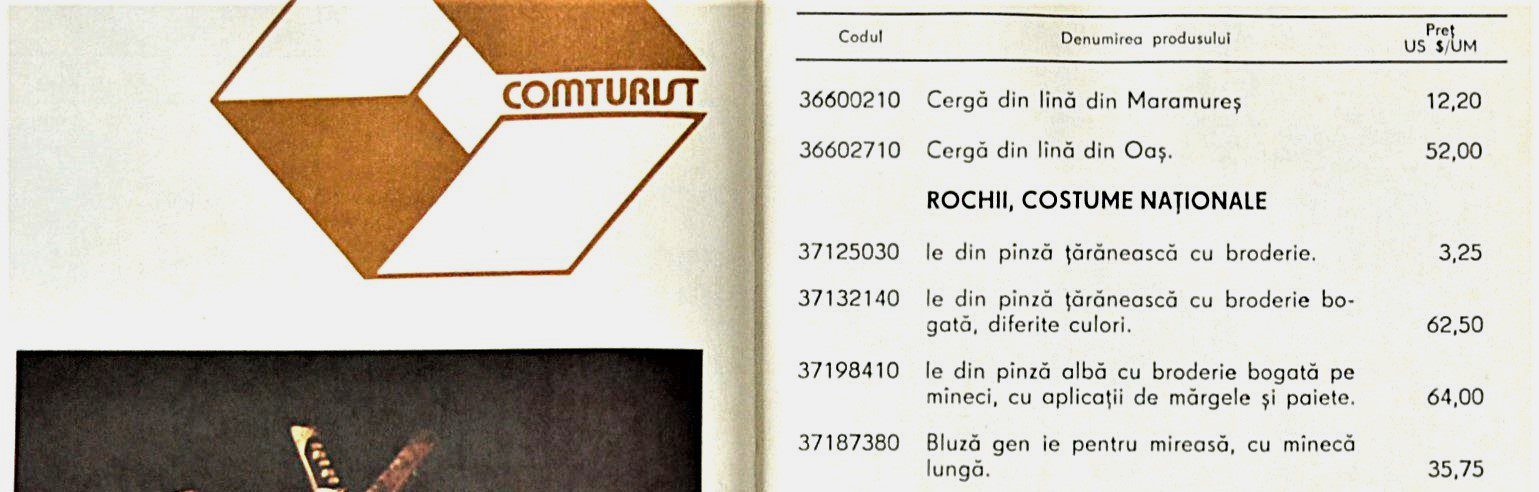
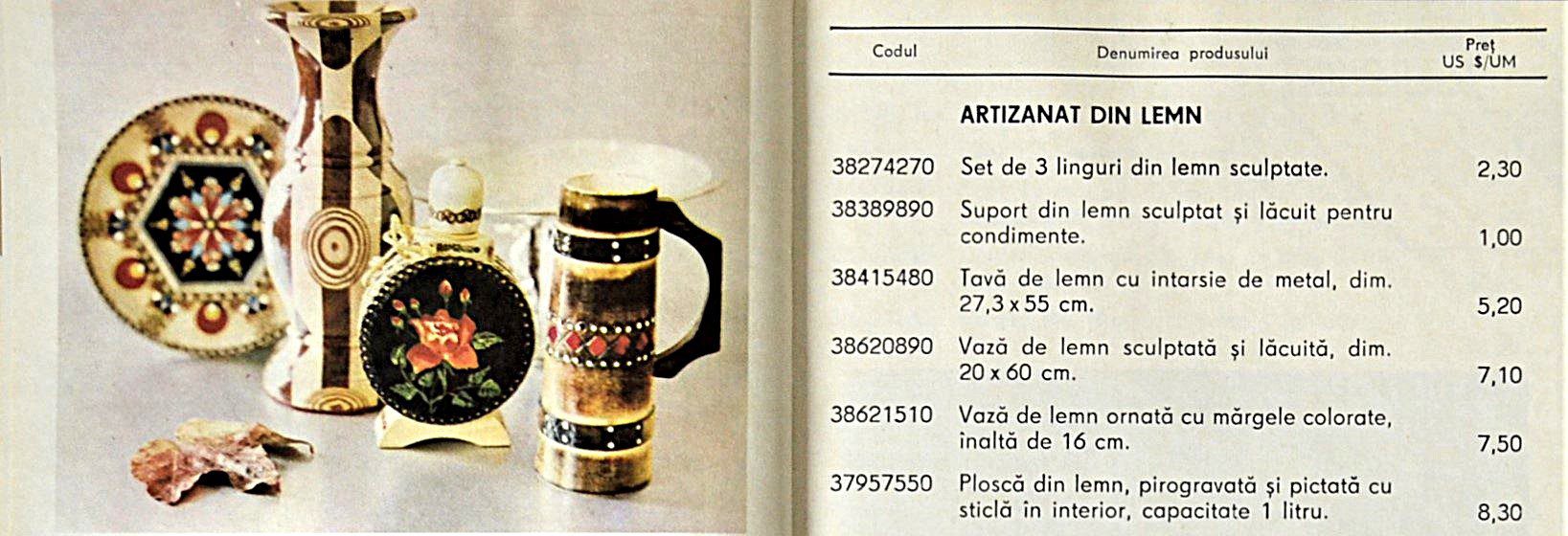
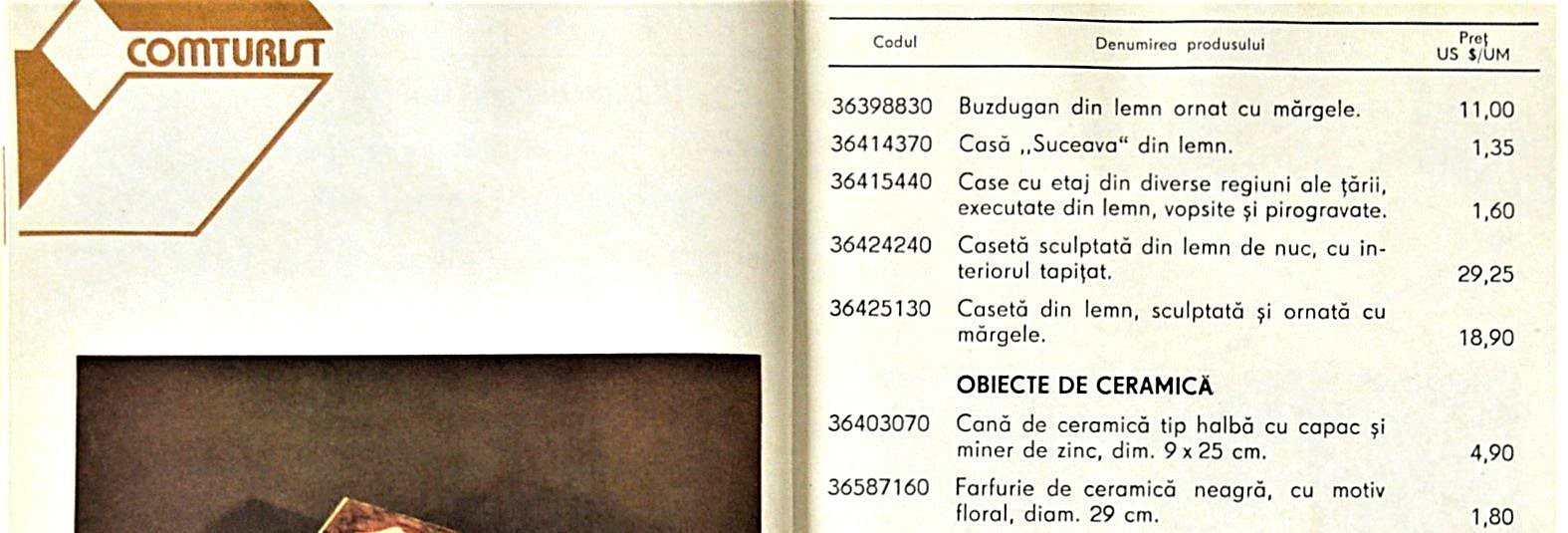
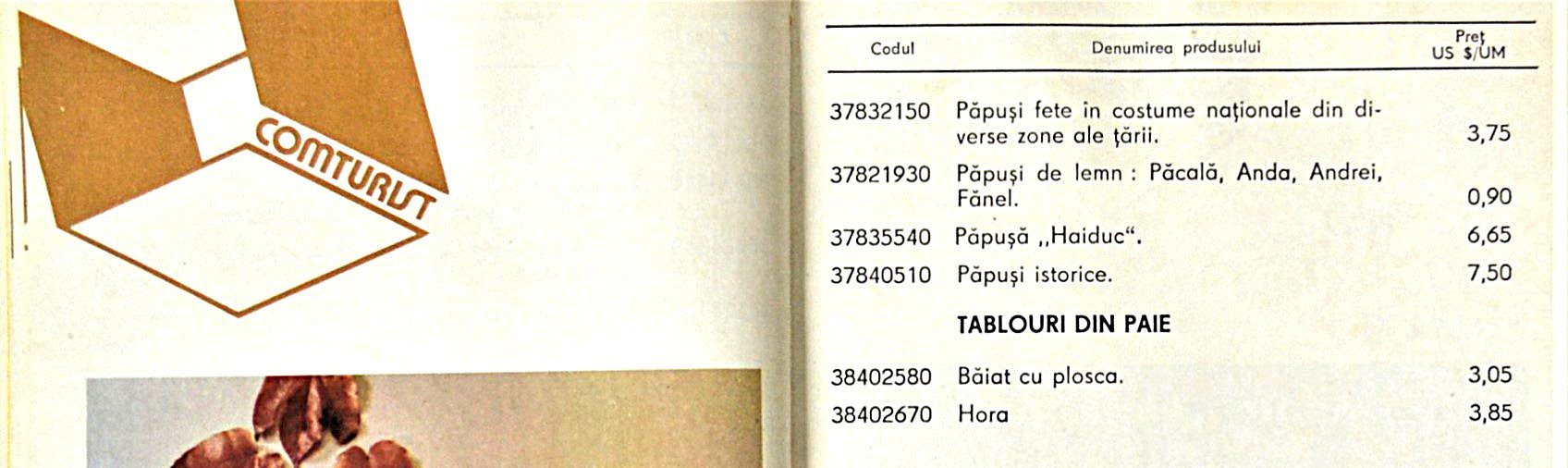
Handicrafts: Skilled artisans crafted intricate pieces, celebrating Romania’s rich cultural heritage in the realm of handicrafts.
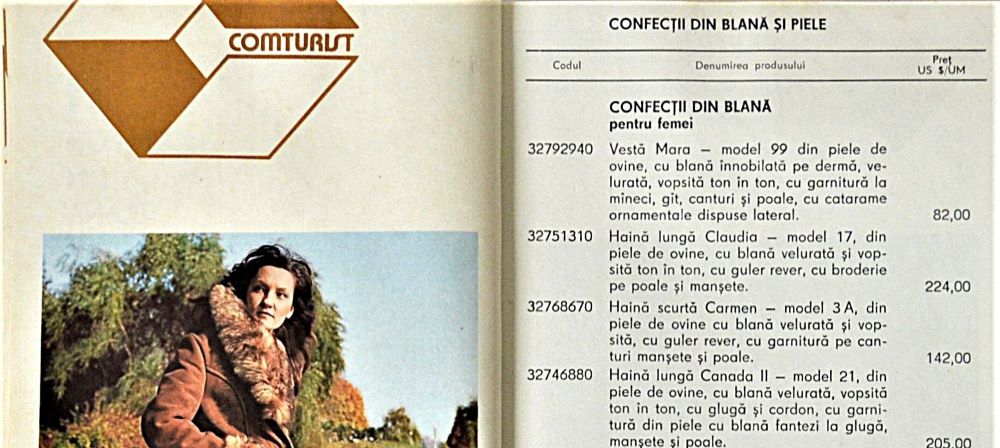
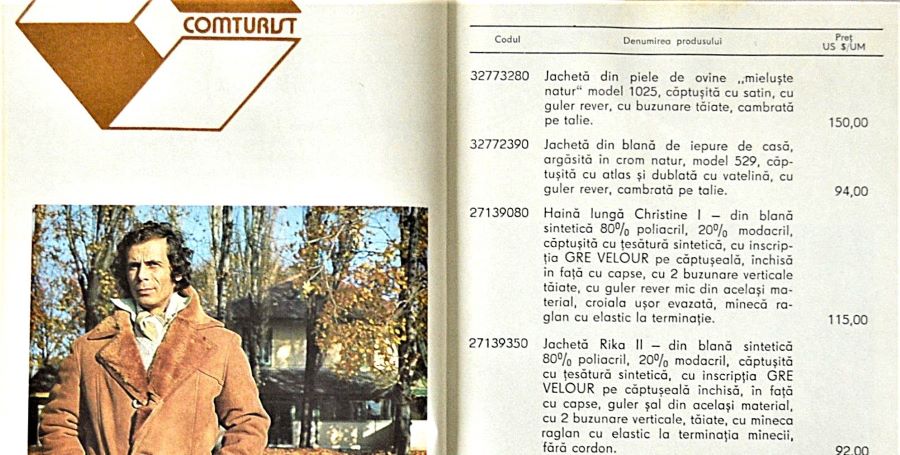
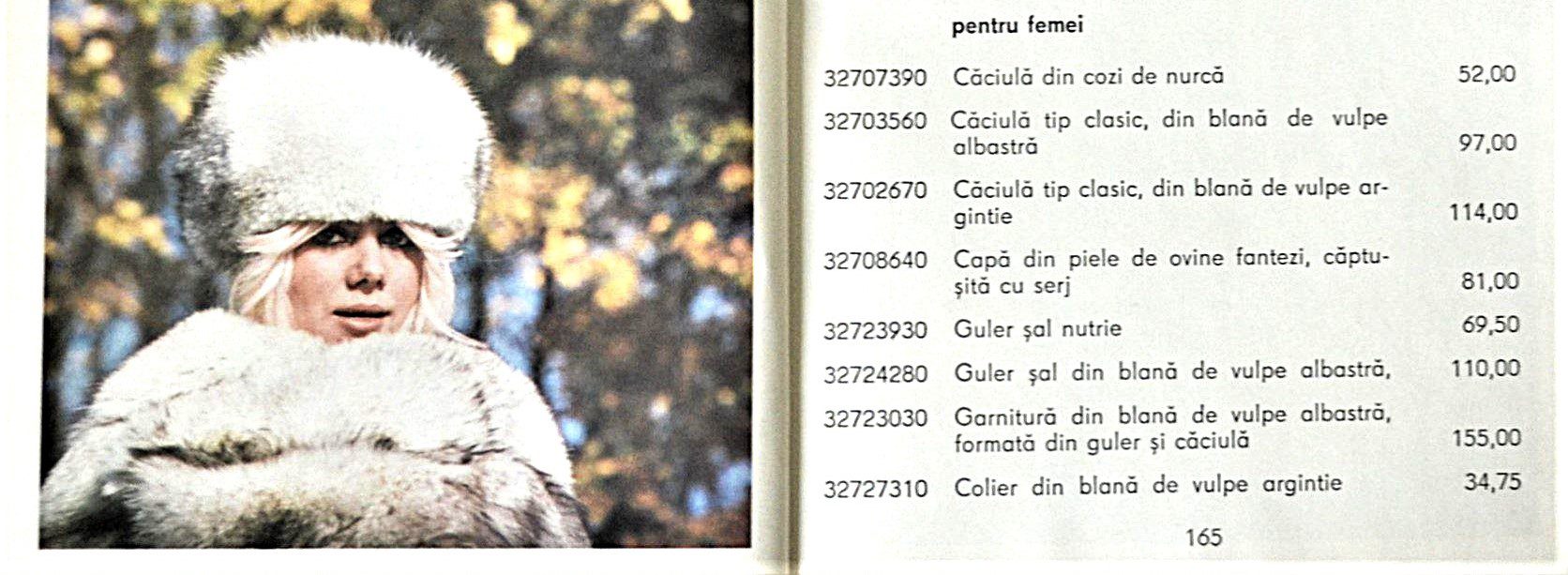
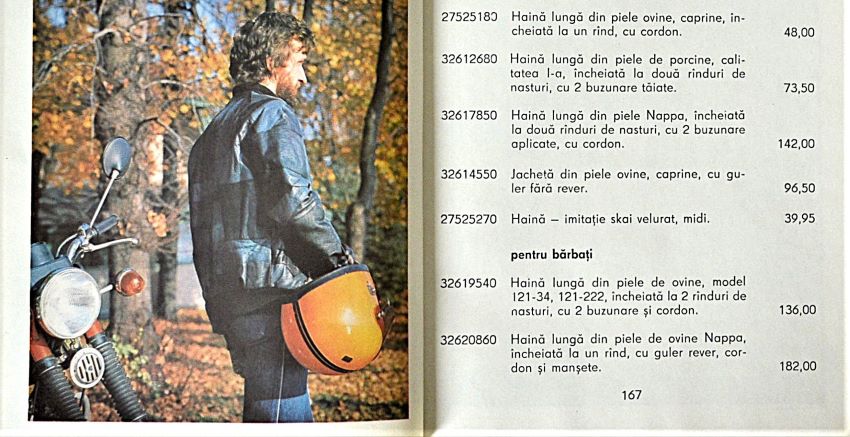
Fur and Leather Clothing: Elegance marked the fashion landscape with fur and leather clothing, blending local and international influences.
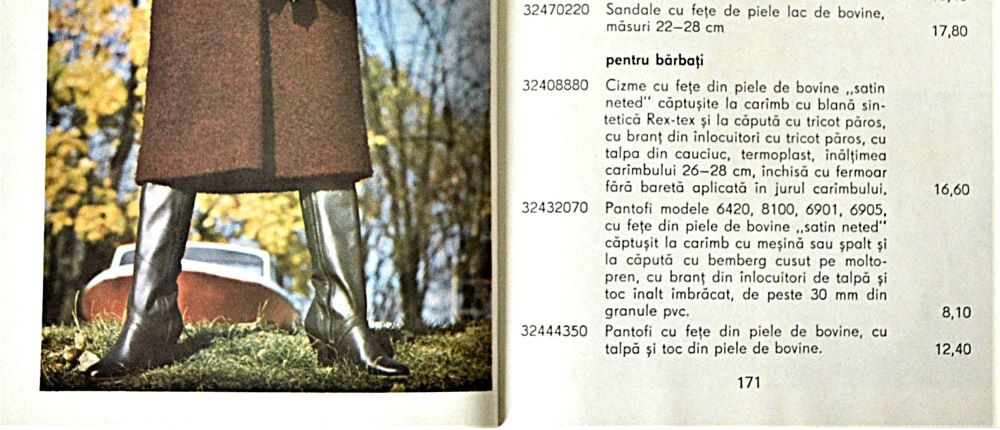
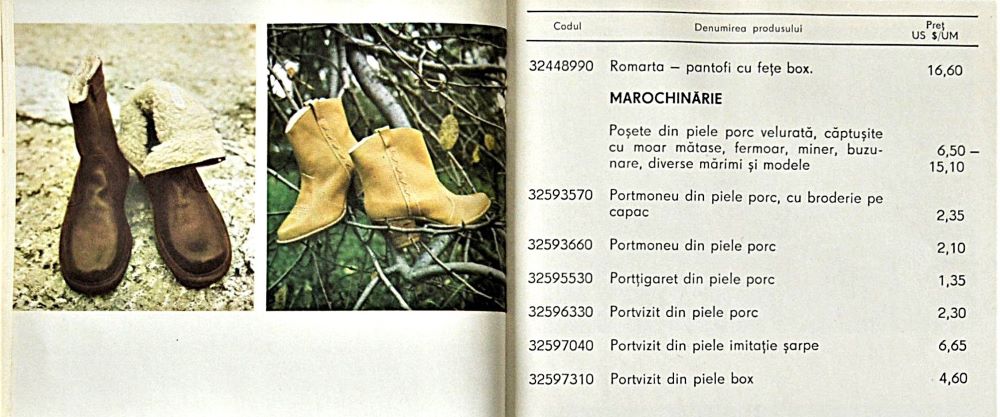
Footwear-Leather Goods: Romanian shoemakers produced a diverse range of shoes and leather accessories, combining comfort with aesthetic appeal.
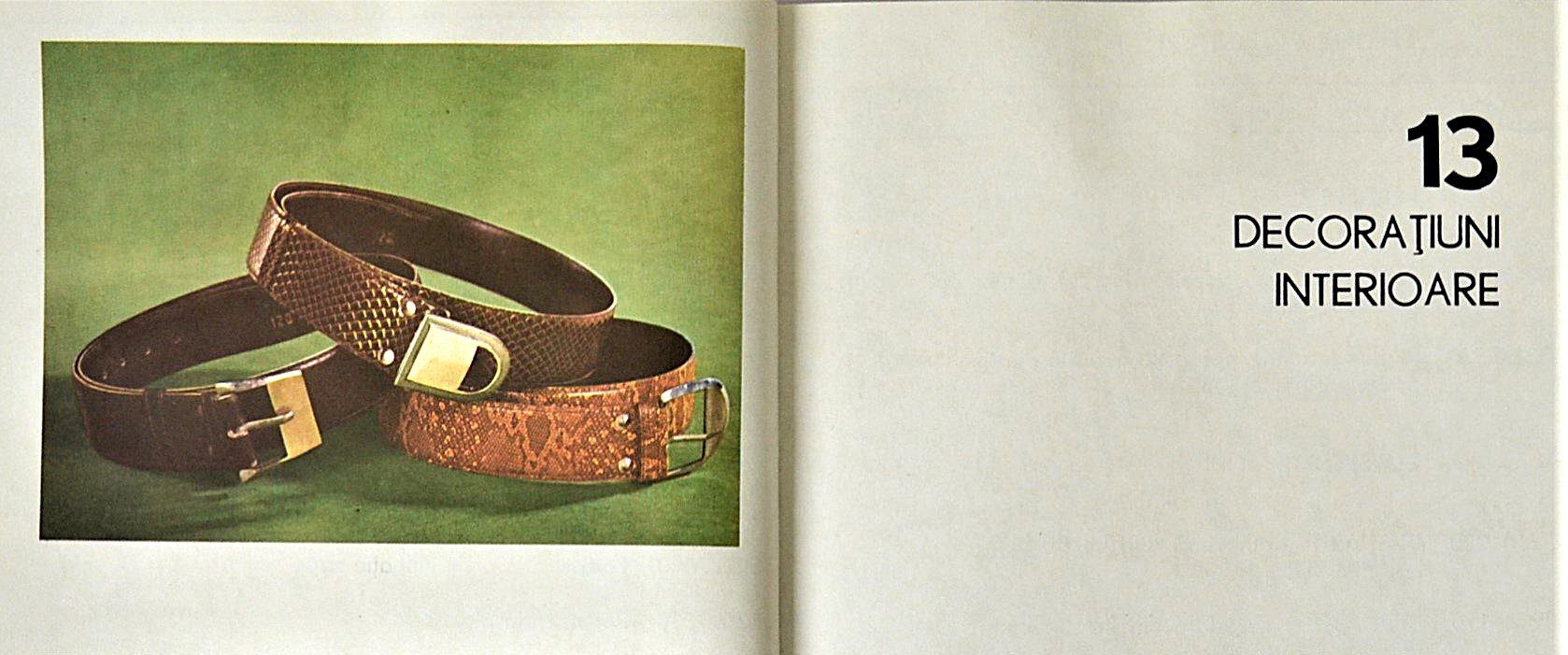
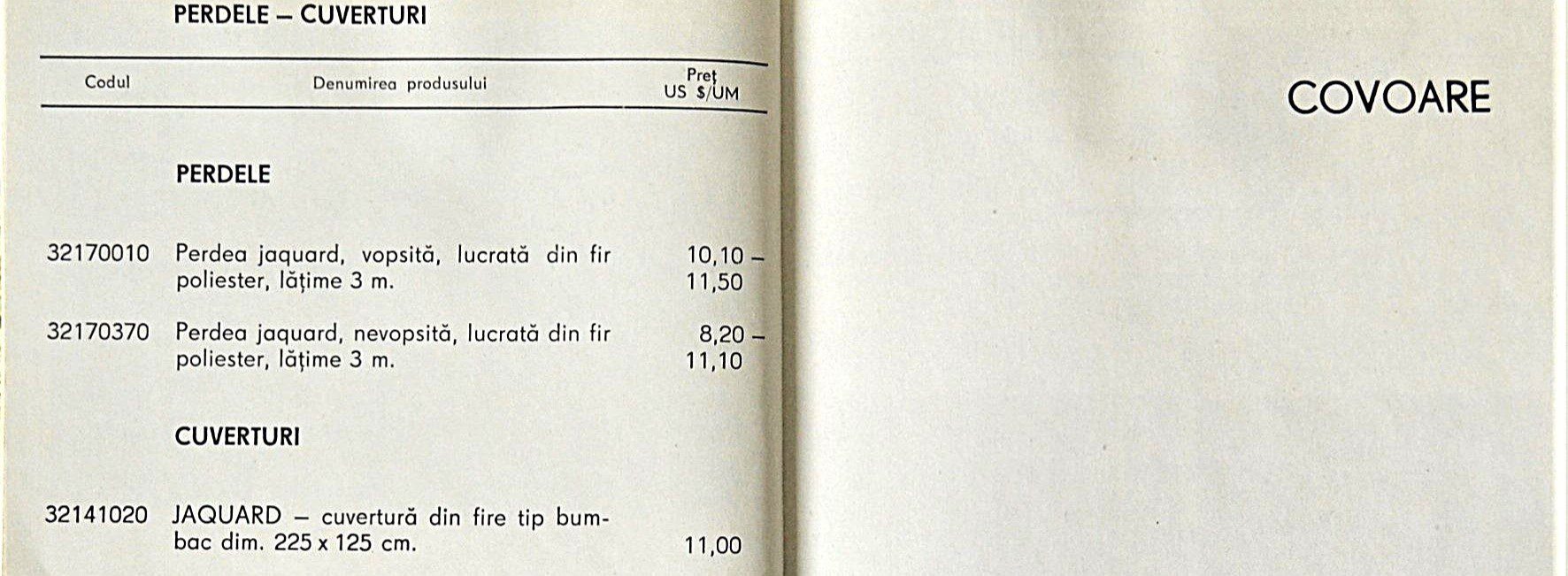
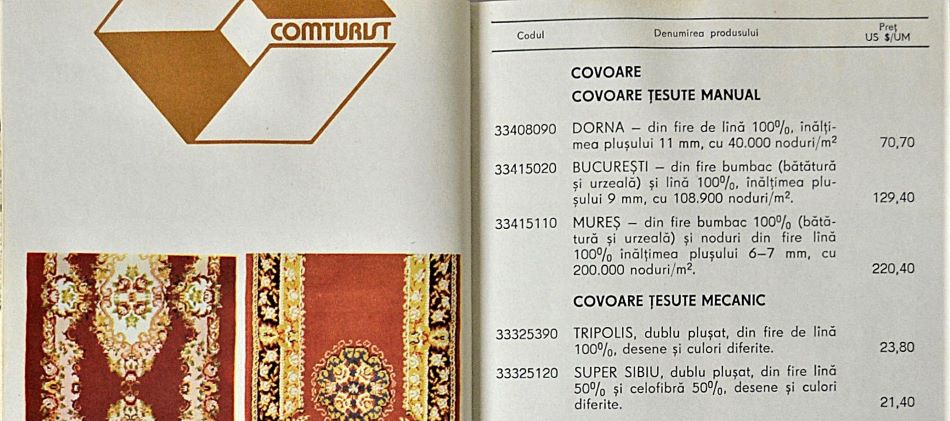
Interior Decorations: Homes were adorned with a variety of interior decorations, reflecting a blend of traditional motifs and modern designs.
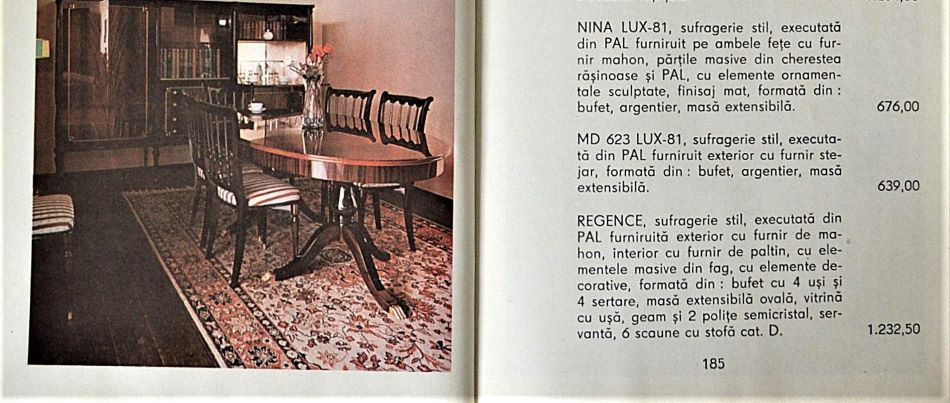
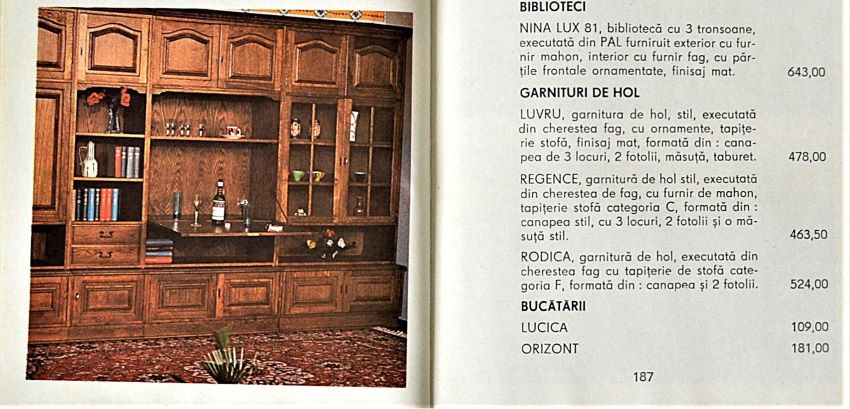
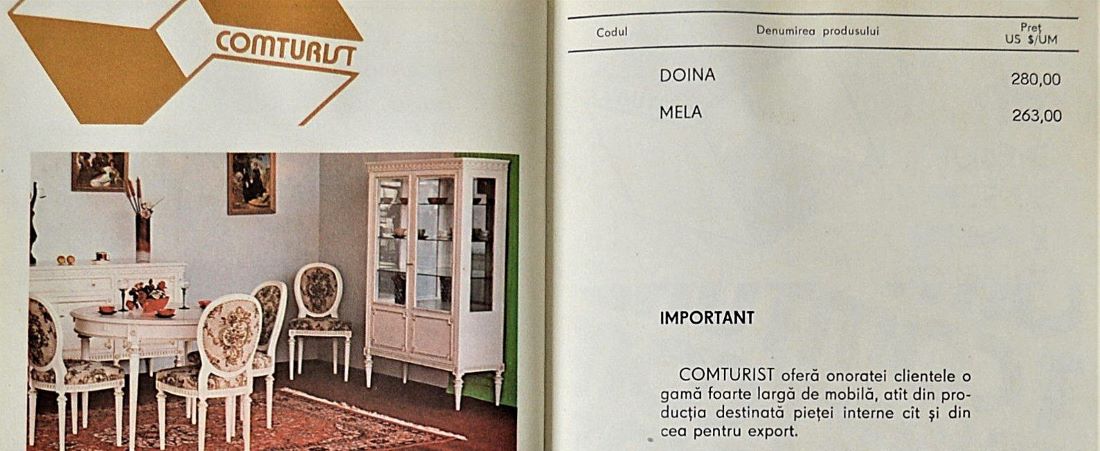
Furniture: The furniture industry thrived with locally crafted pieces, showcasing a harmonious balance between traditional and contemporary styles.
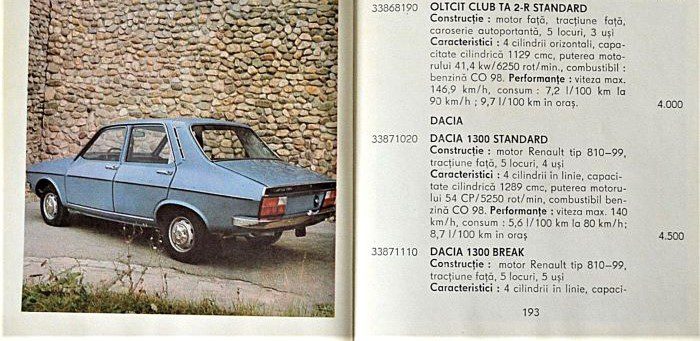
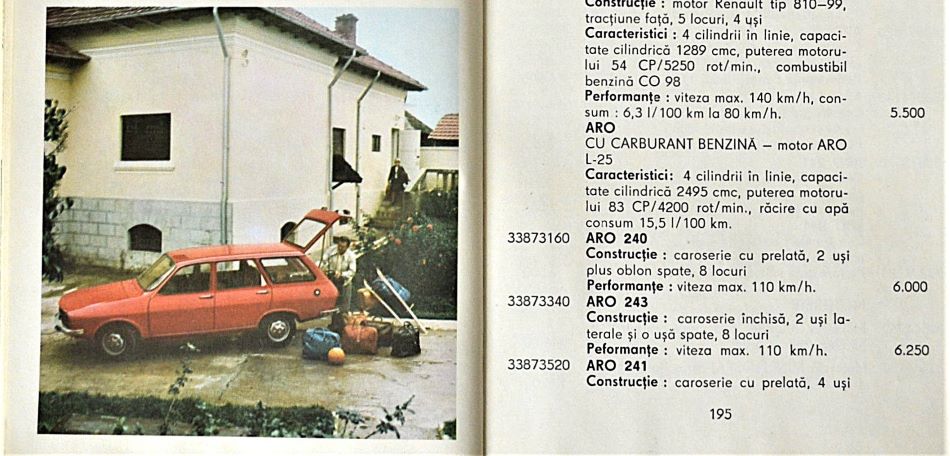
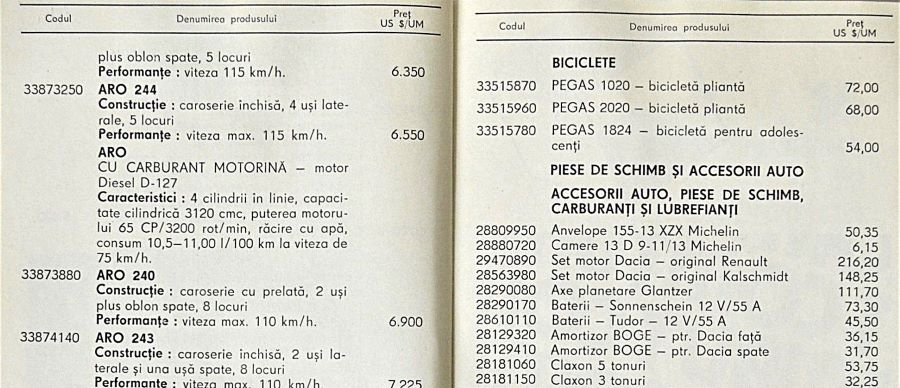
Cars, Spare Parts, and Car Accessories: The automotive industry caters to car enthusiasts with a range of cars, spare parts, and accessories.
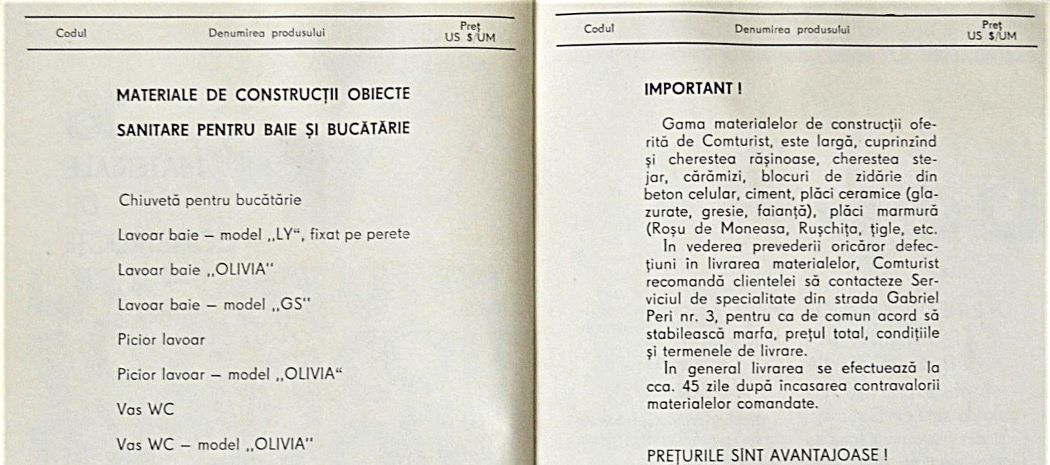
Construction Materials: Supporting development and growth, the construction industry offered a variety of materials for infrastructure projects.
This condensed exploration of Romania’s 1984-1985 industries highlights the nation’s prosperity, innovation, and cultural richness during this dynamic period. Each sector contributes to the vibrant tapestry that defines Romania at this time.
Many pages use a consistent pattern:
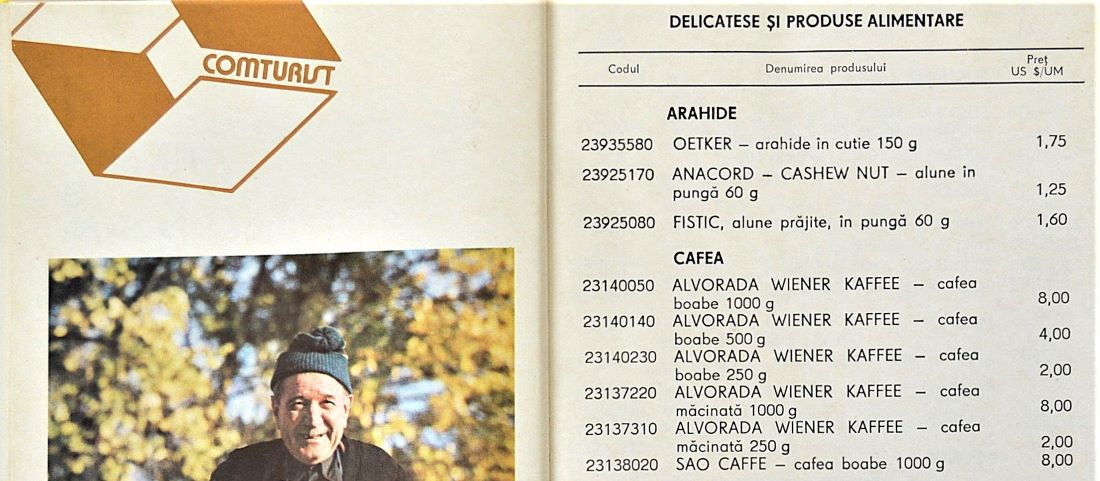
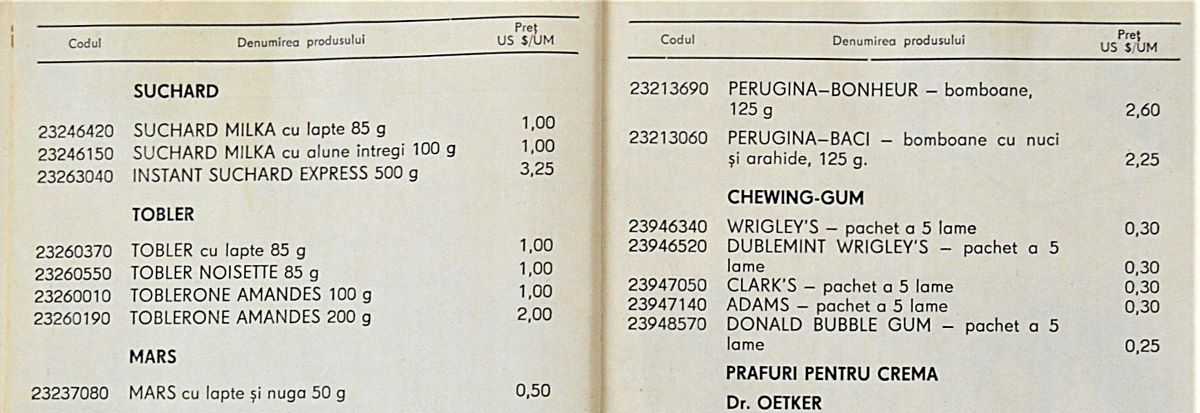
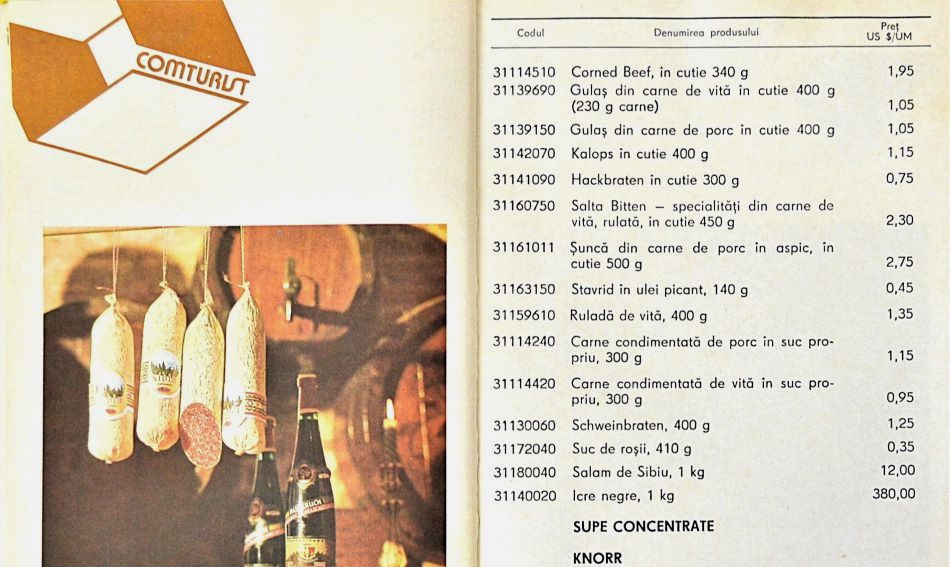
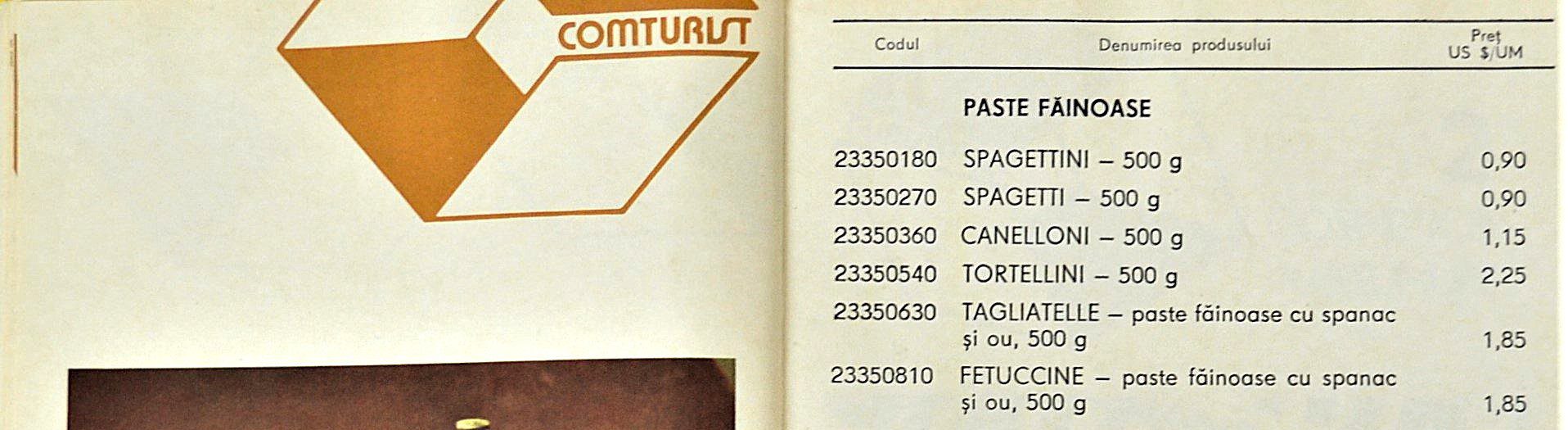
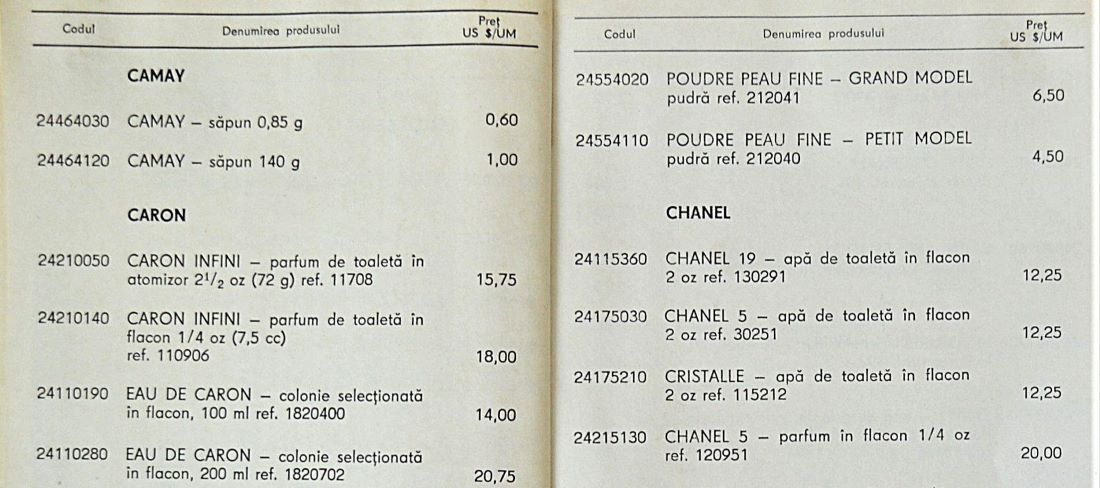
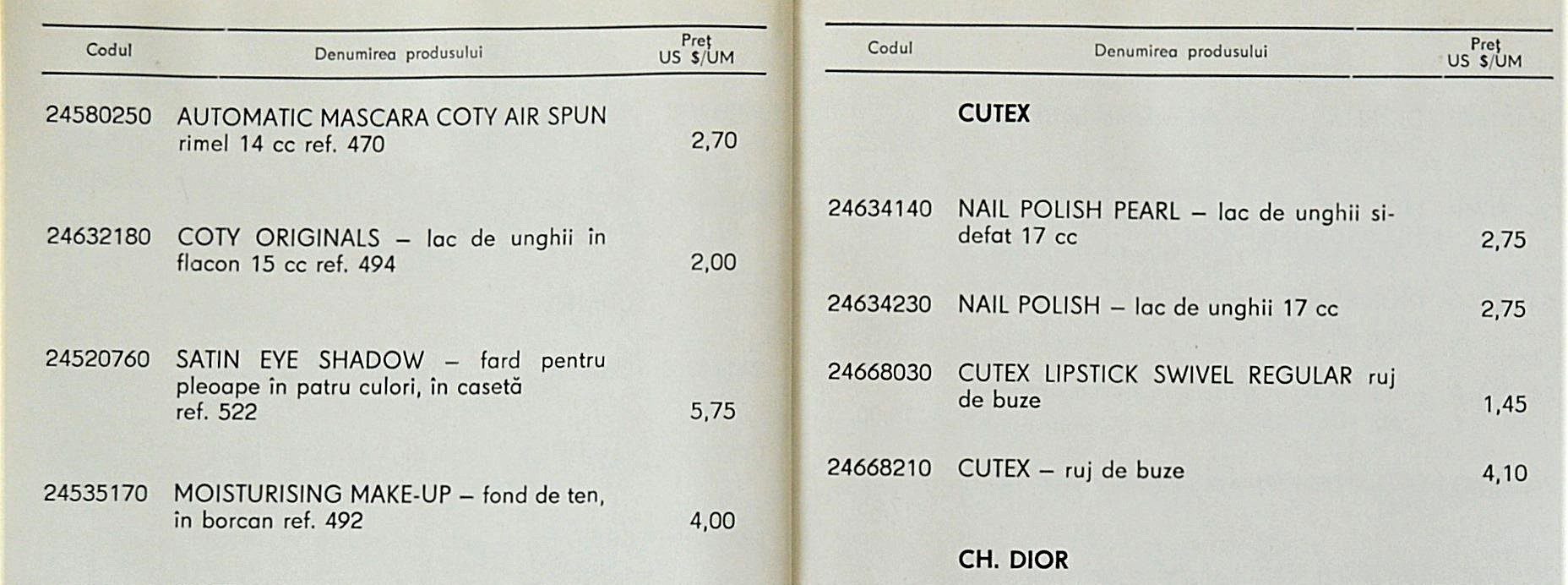
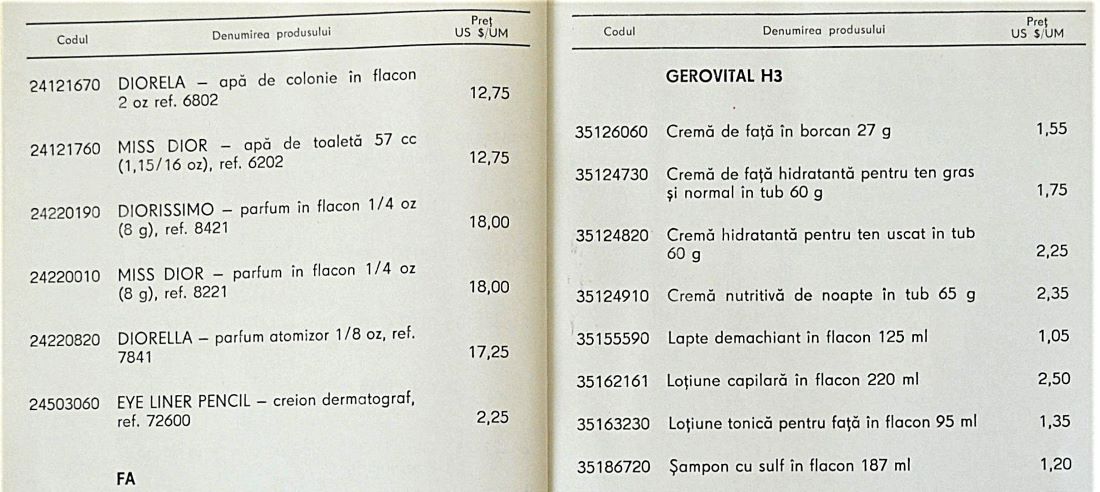
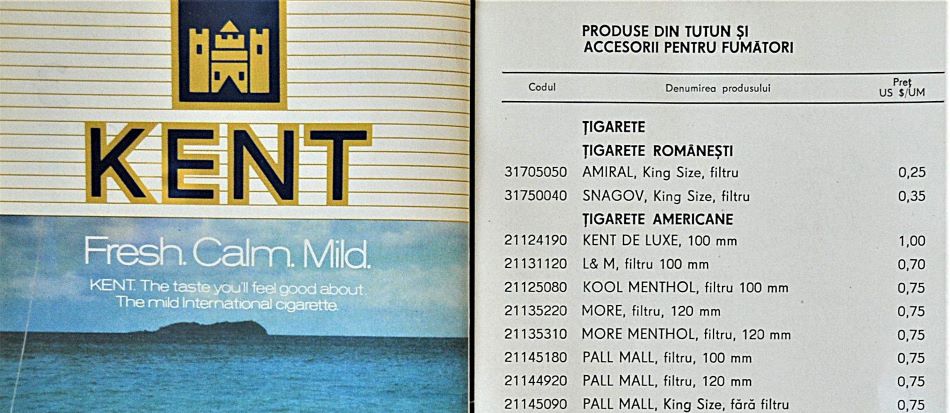
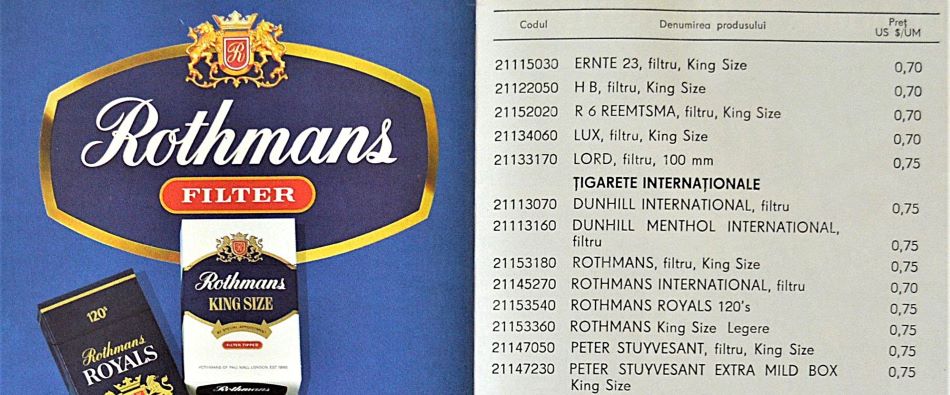
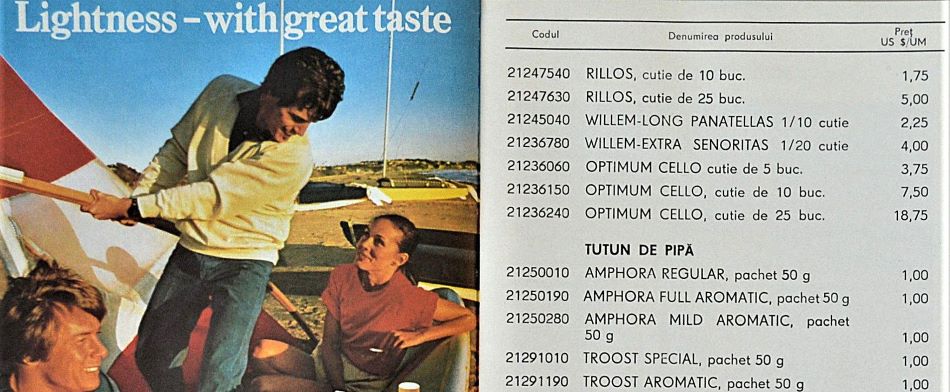
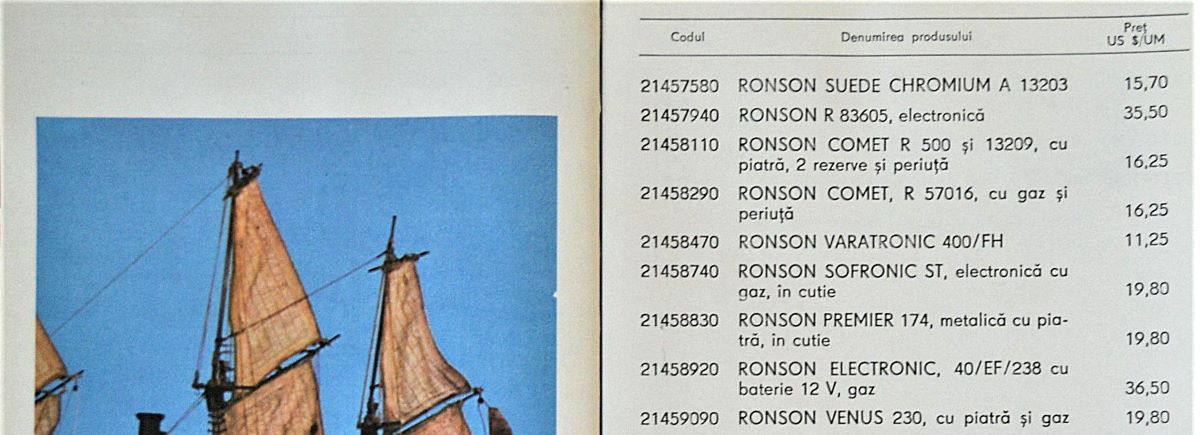
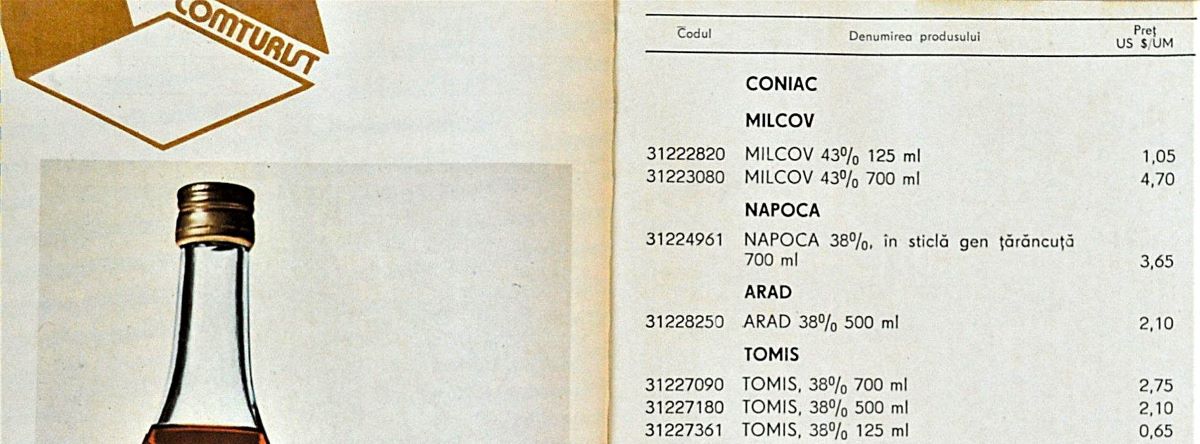
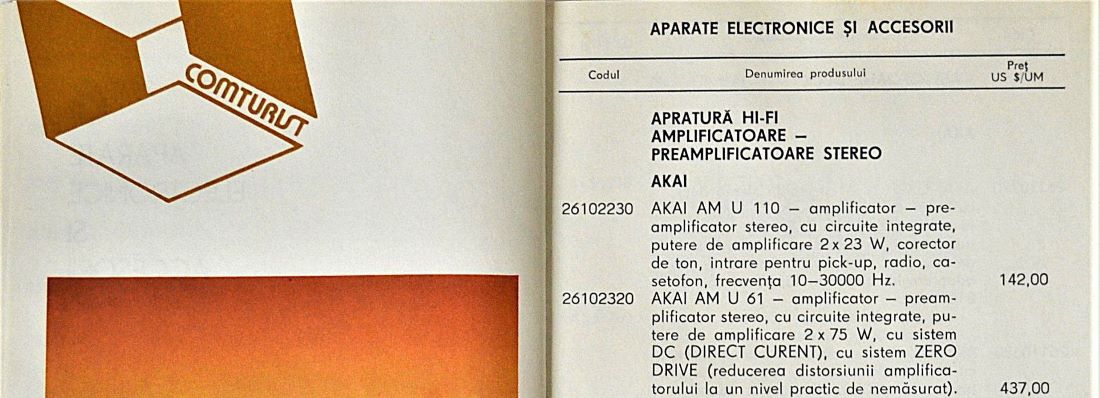
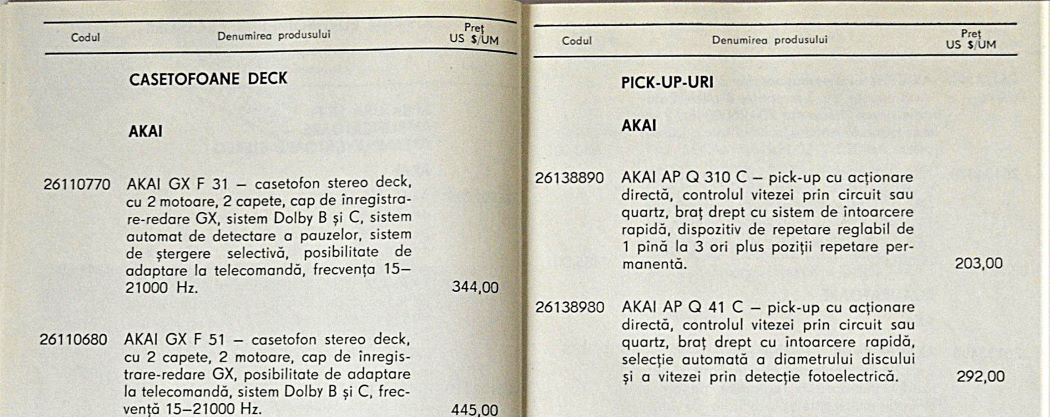
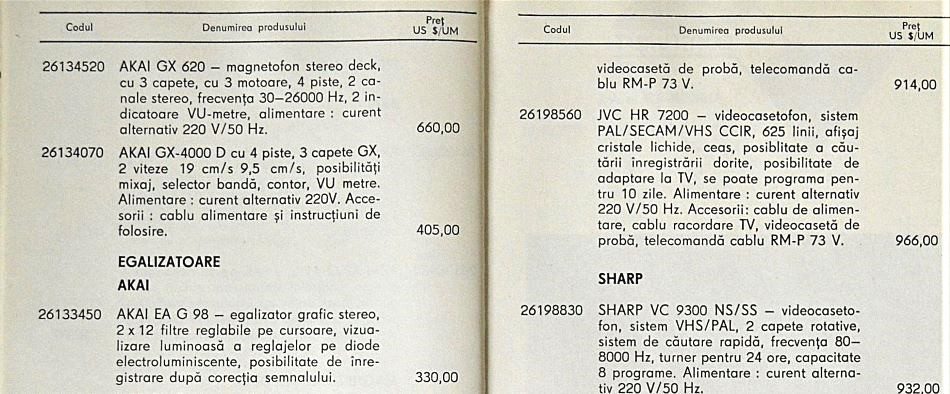
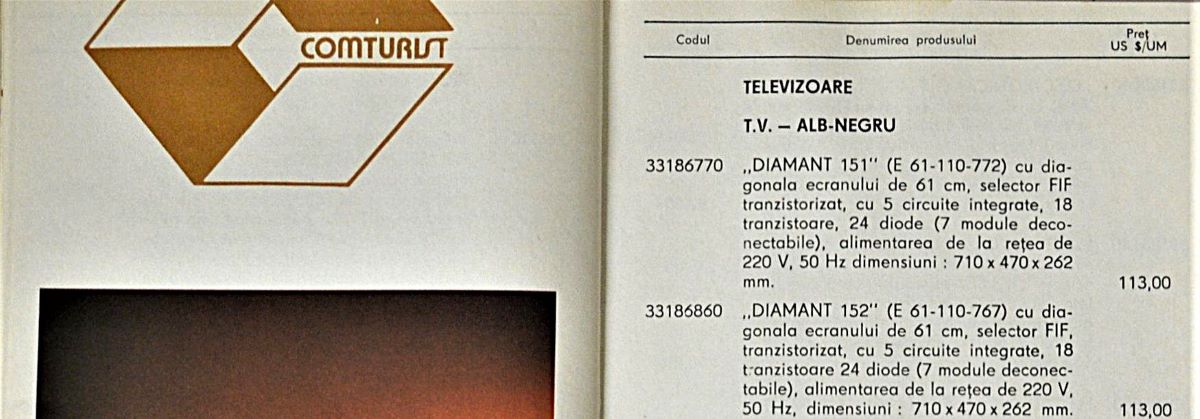
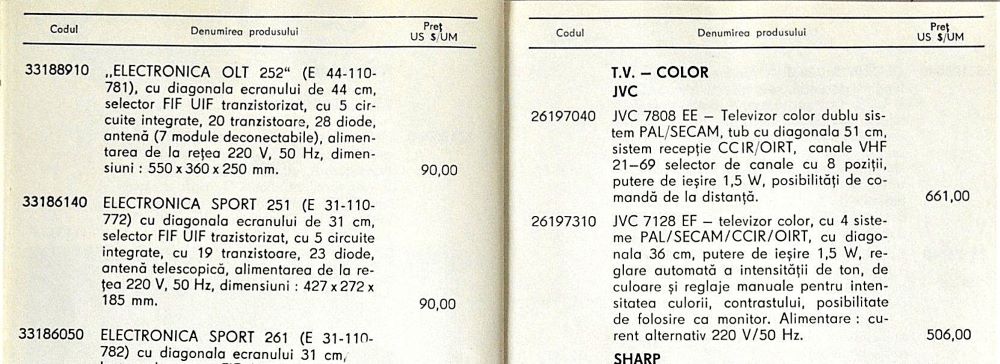
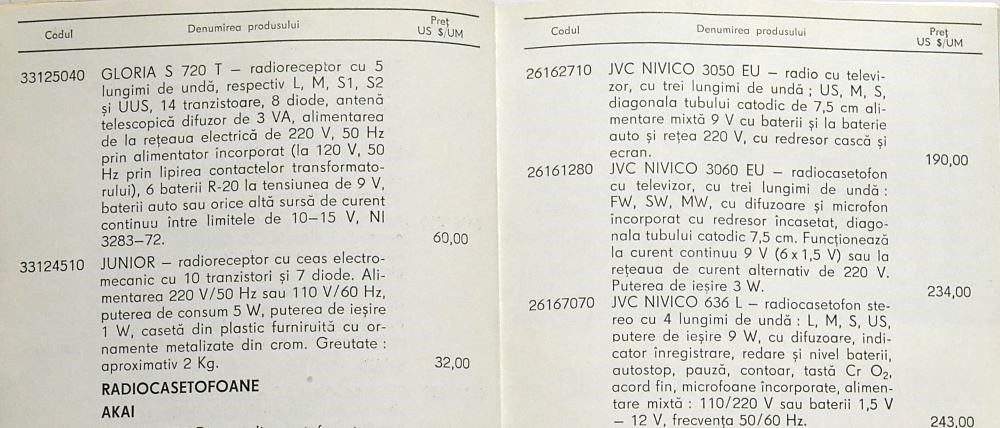
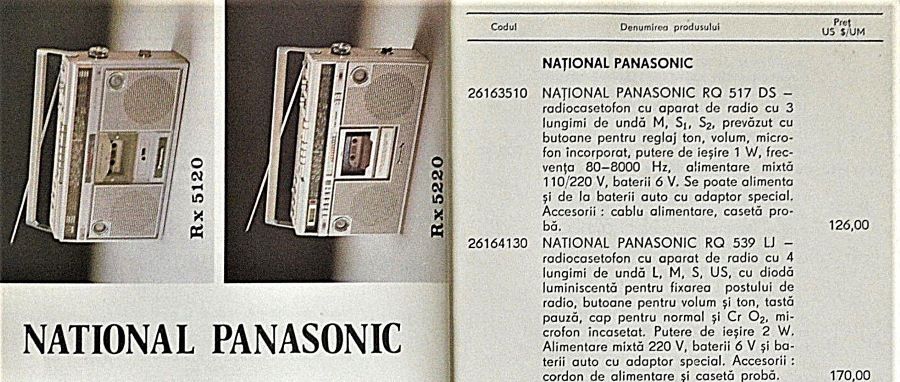
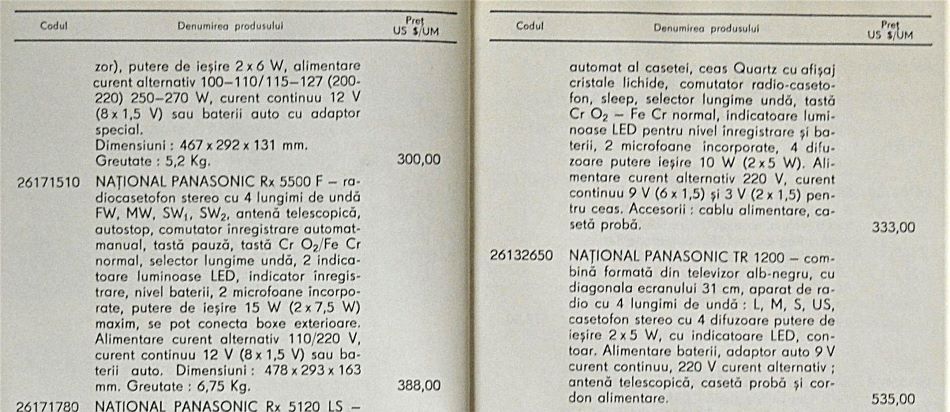
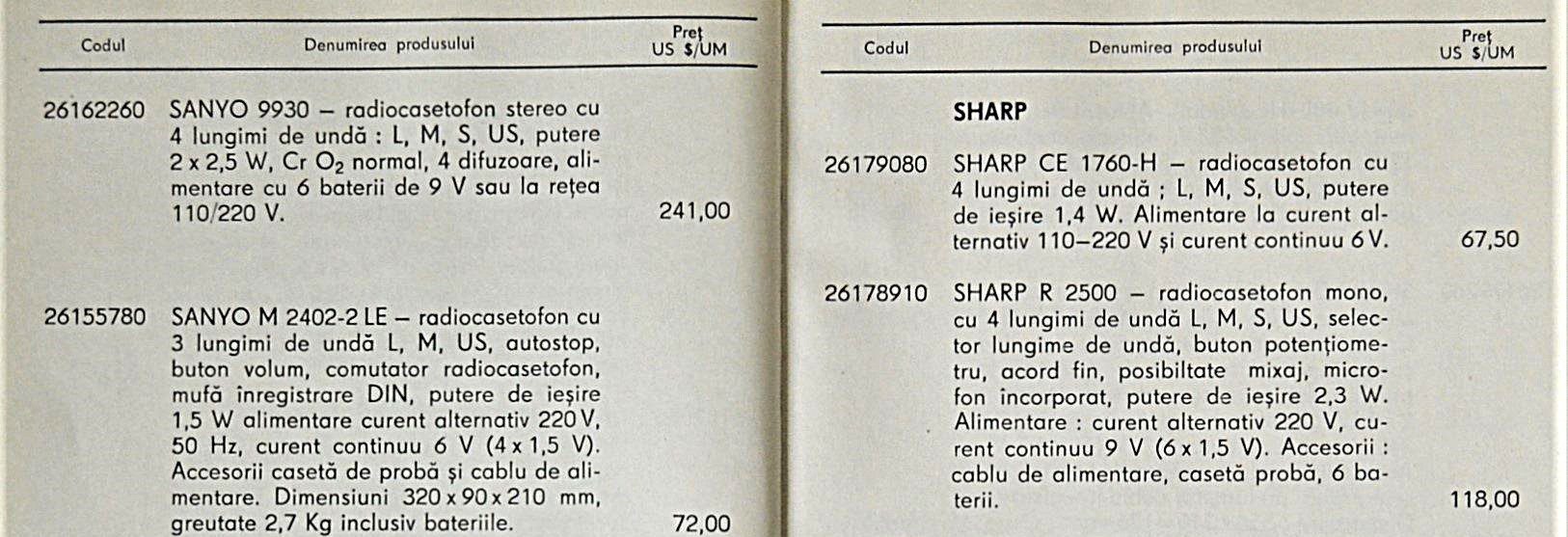
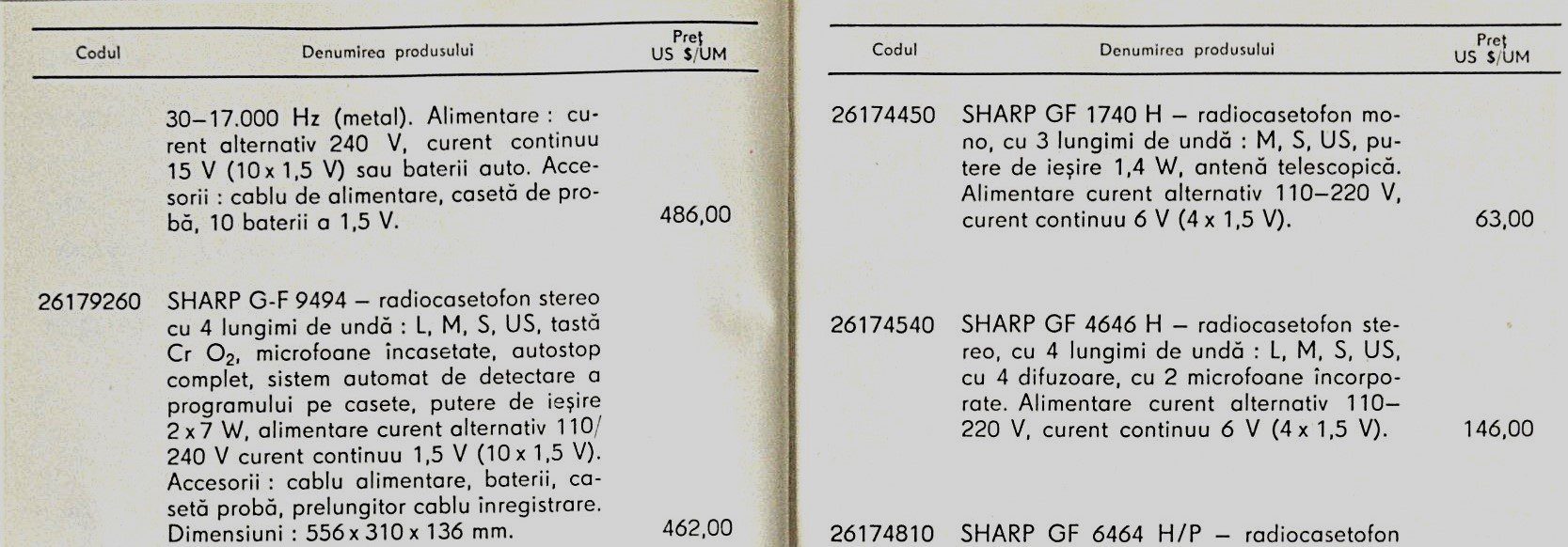
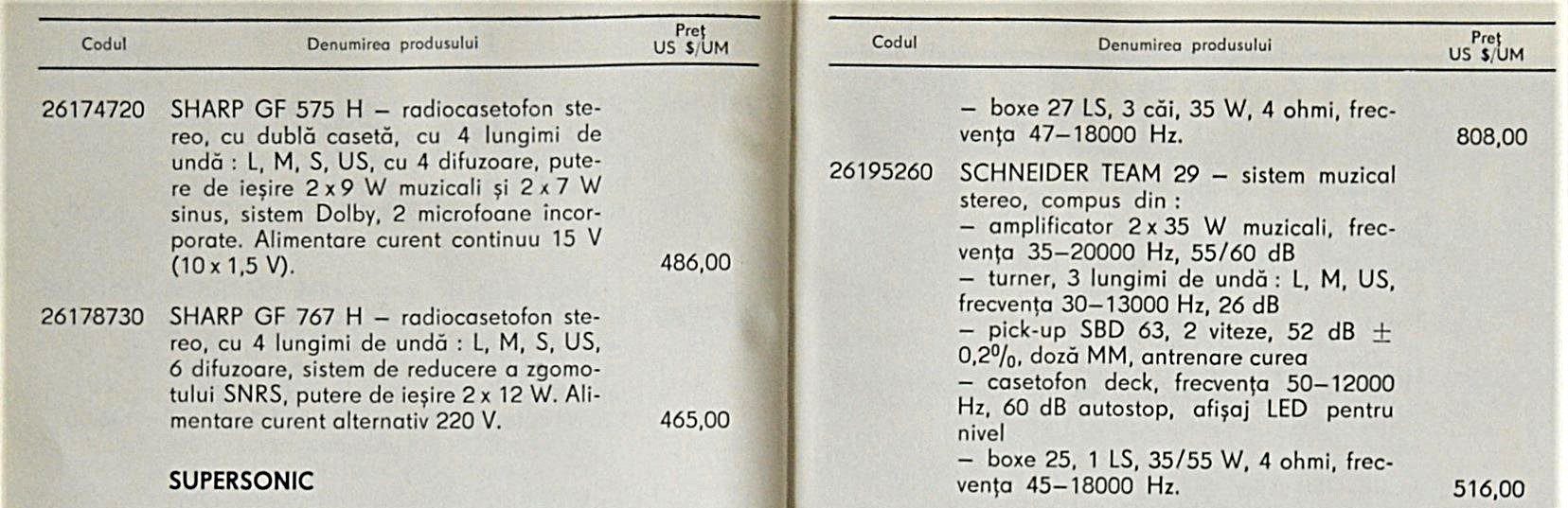
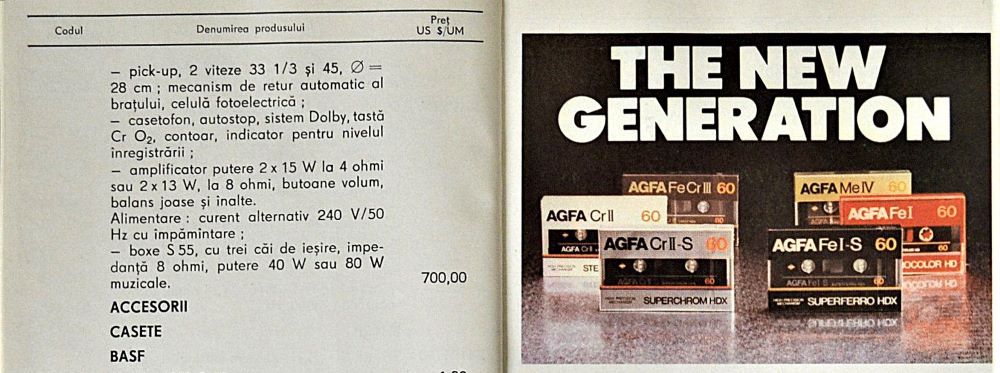
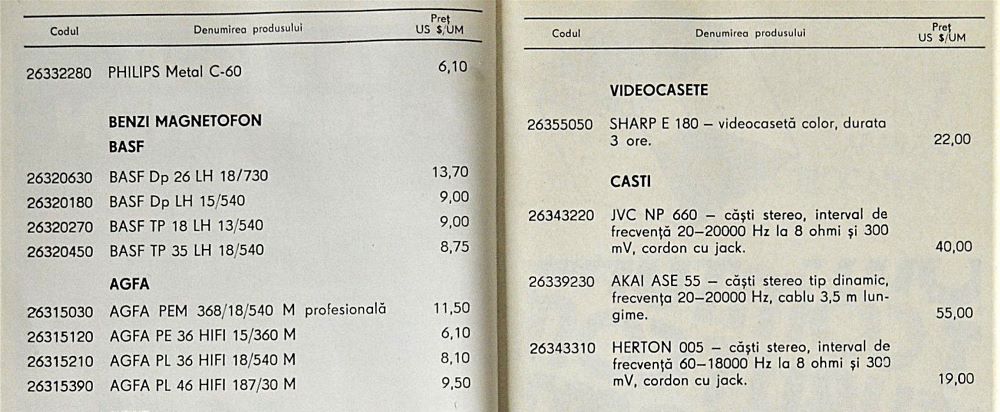
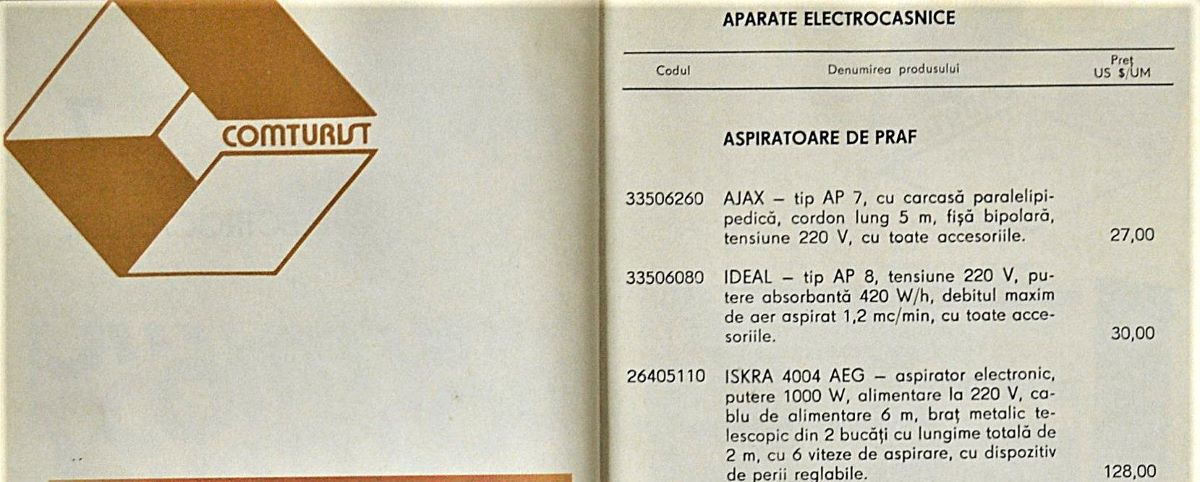
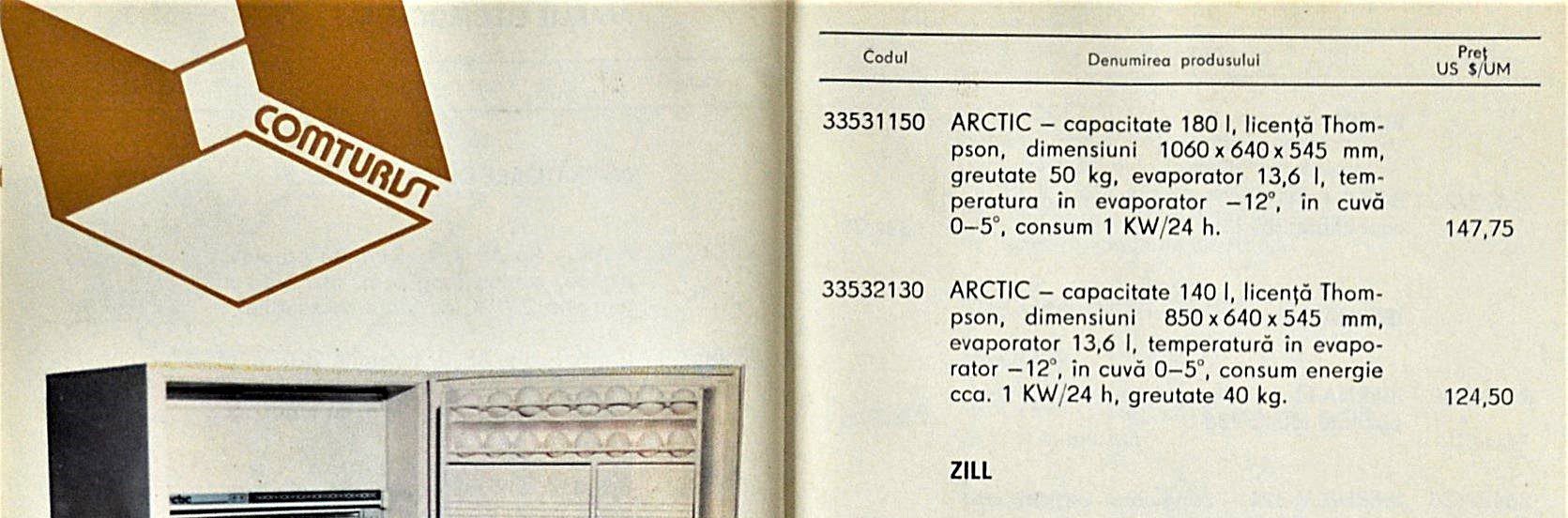
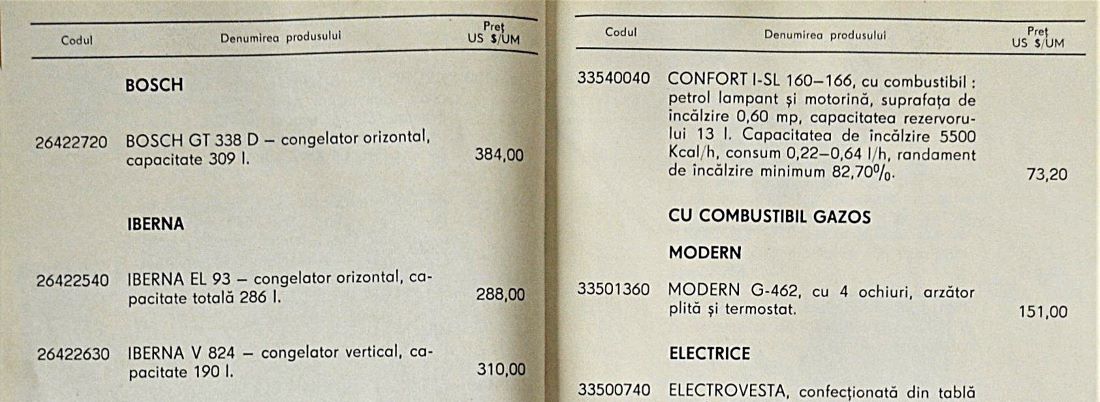
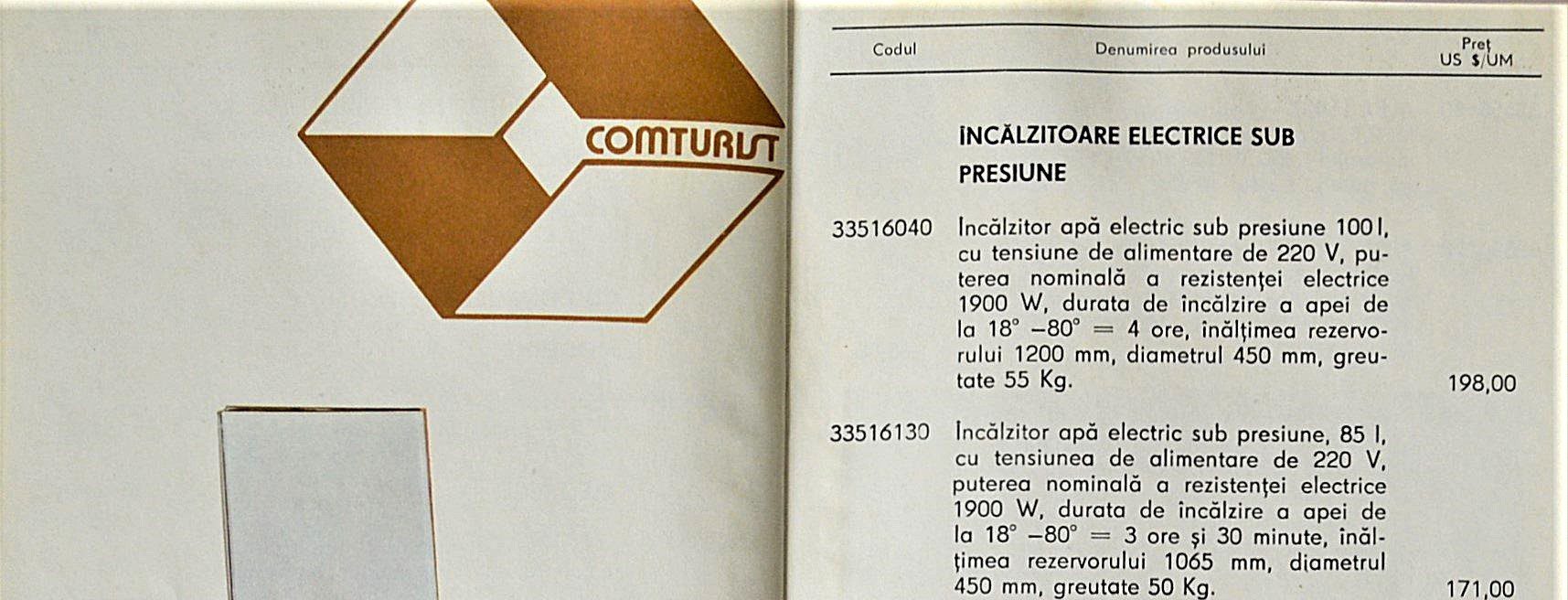
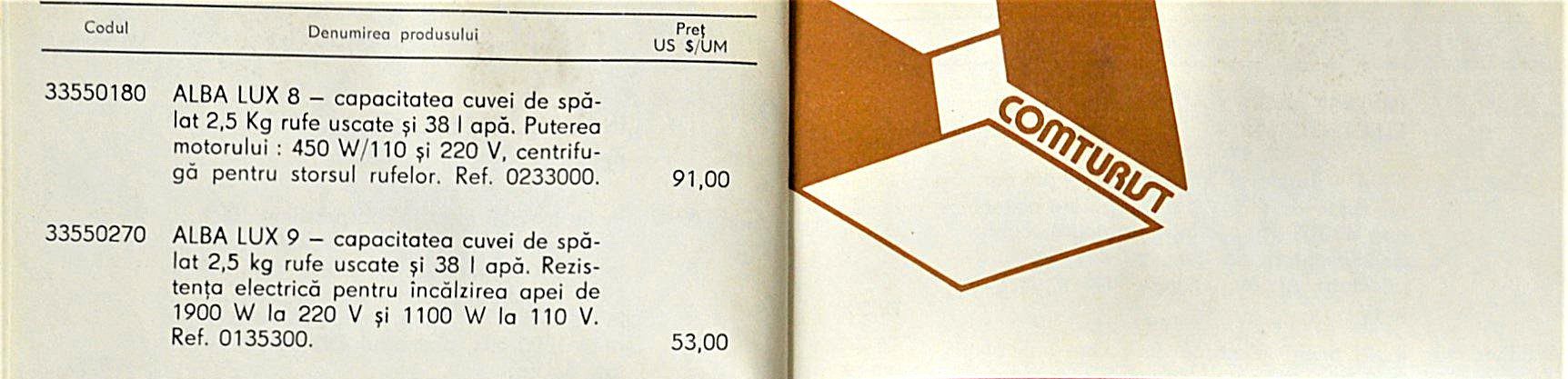
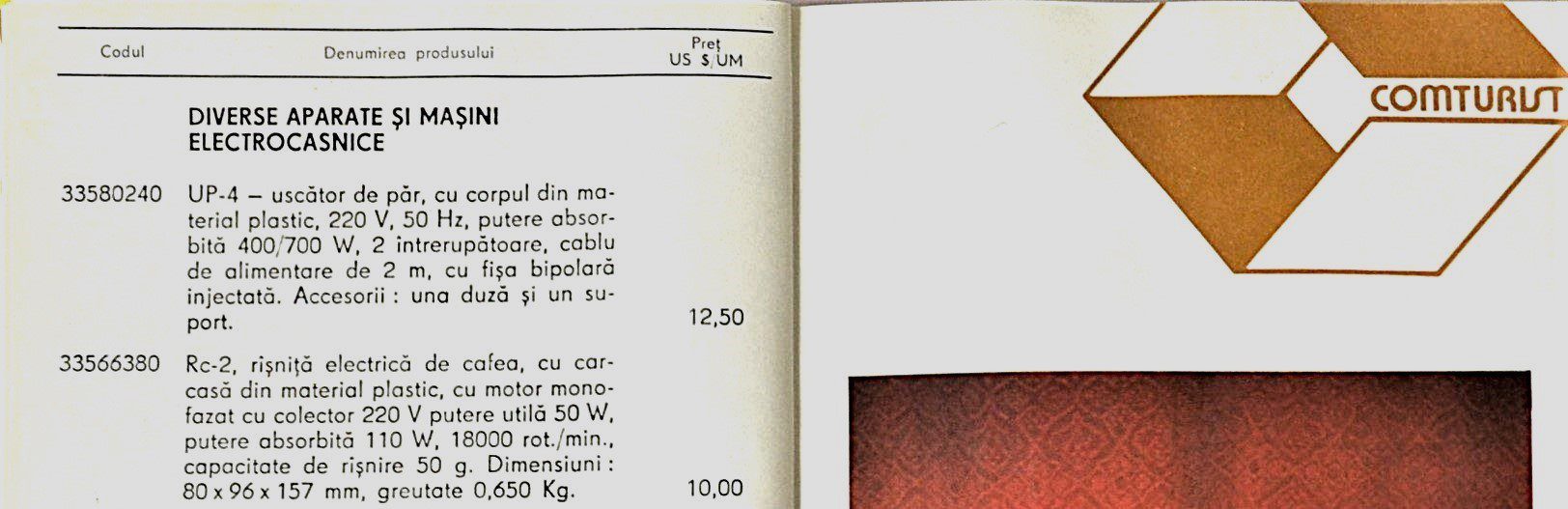
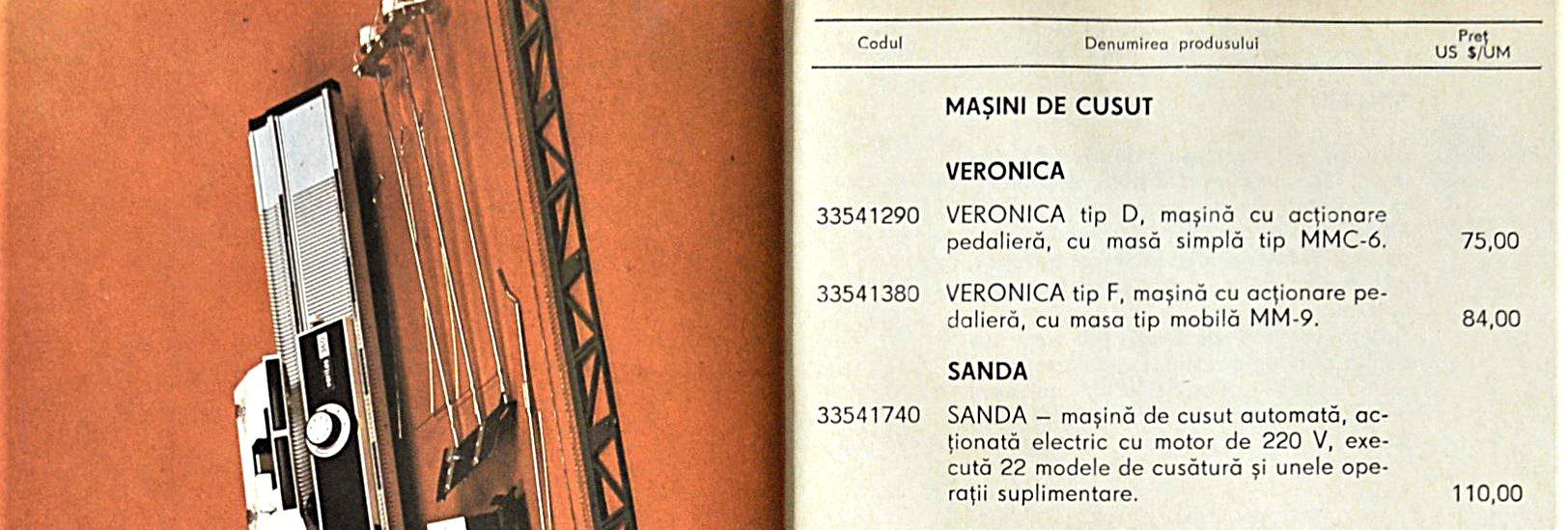
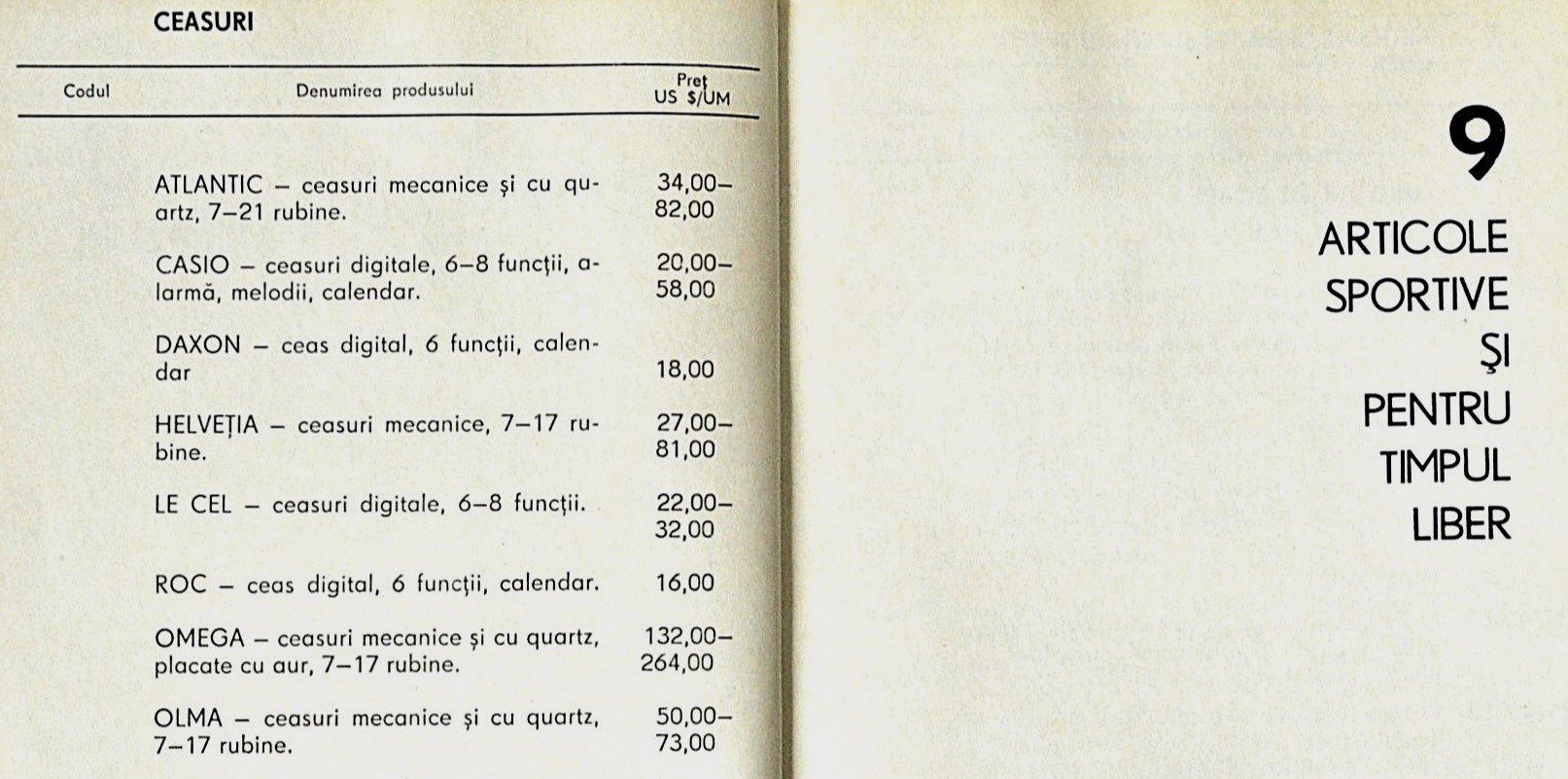
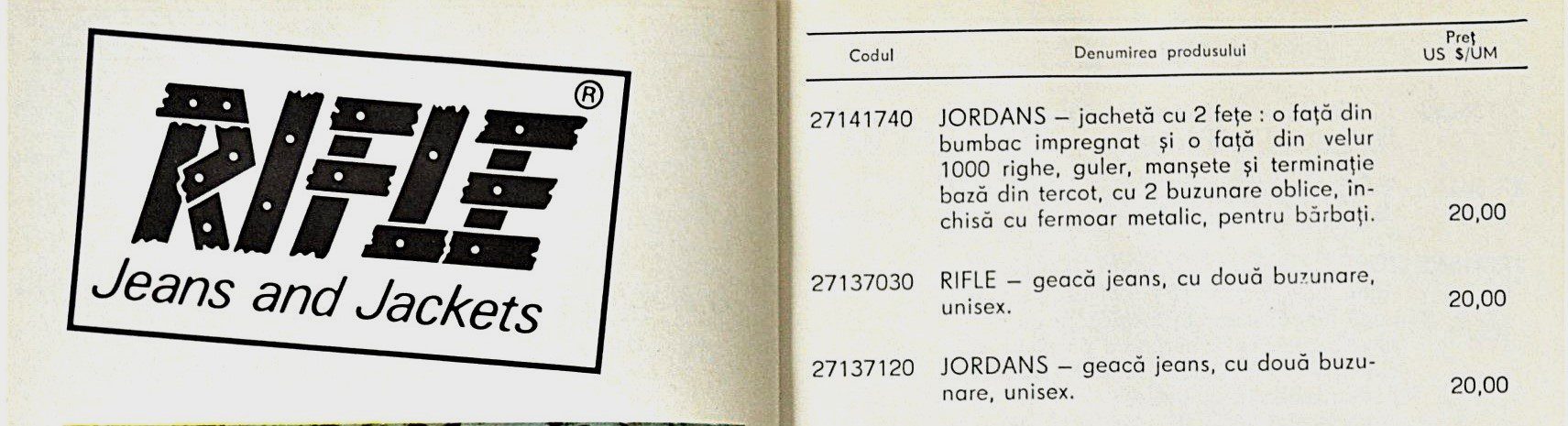
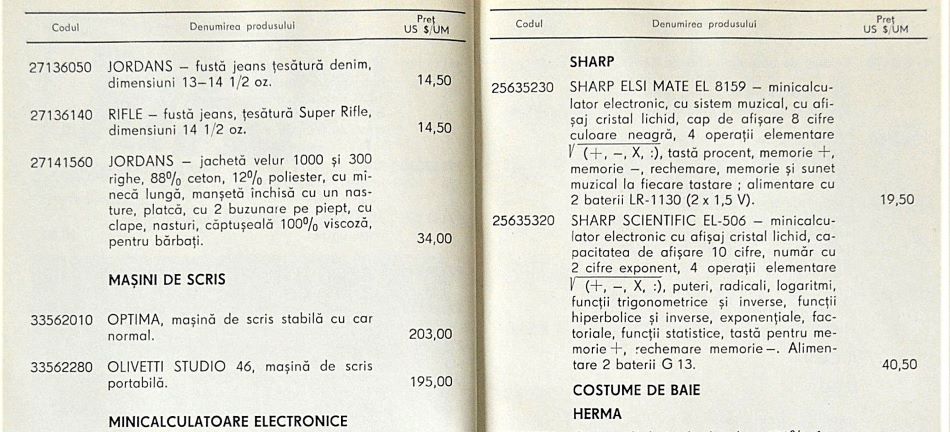
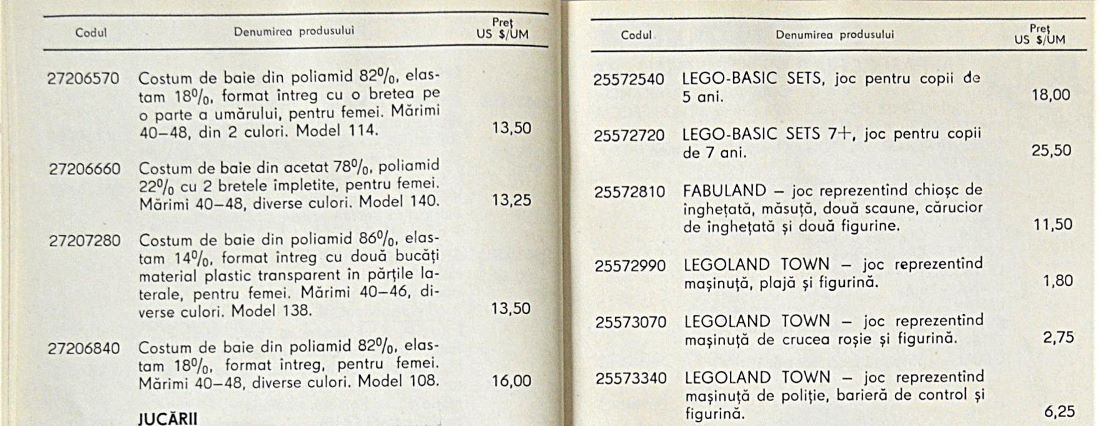
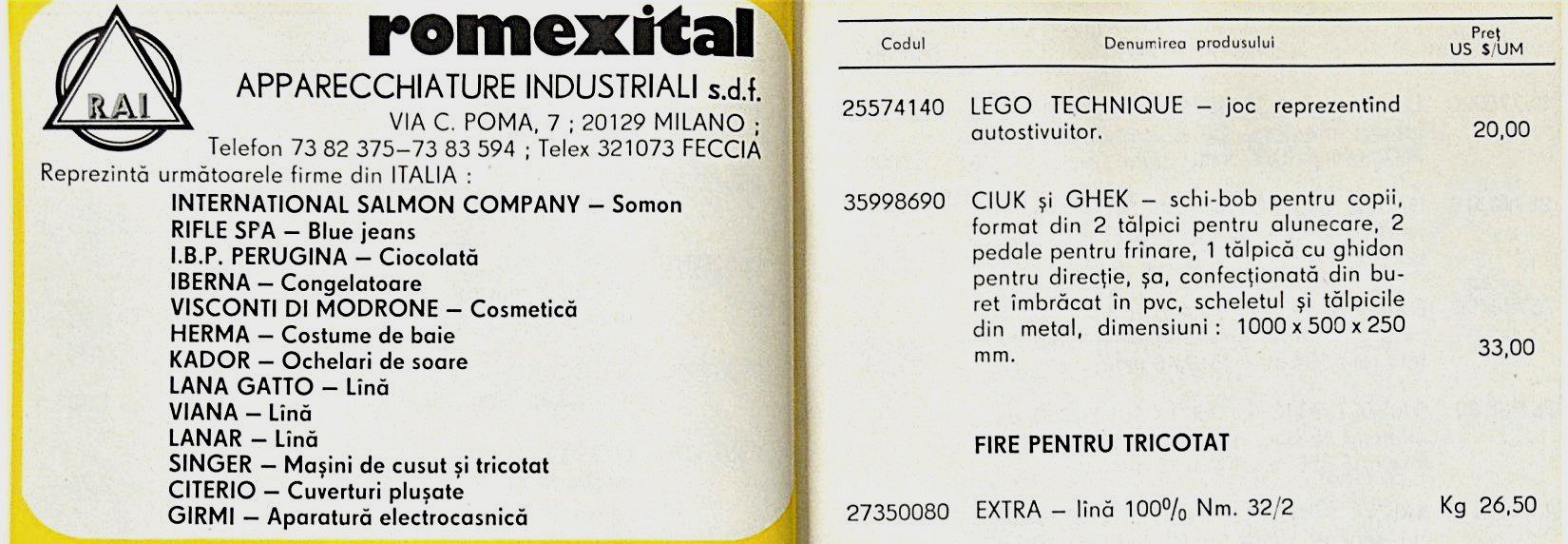
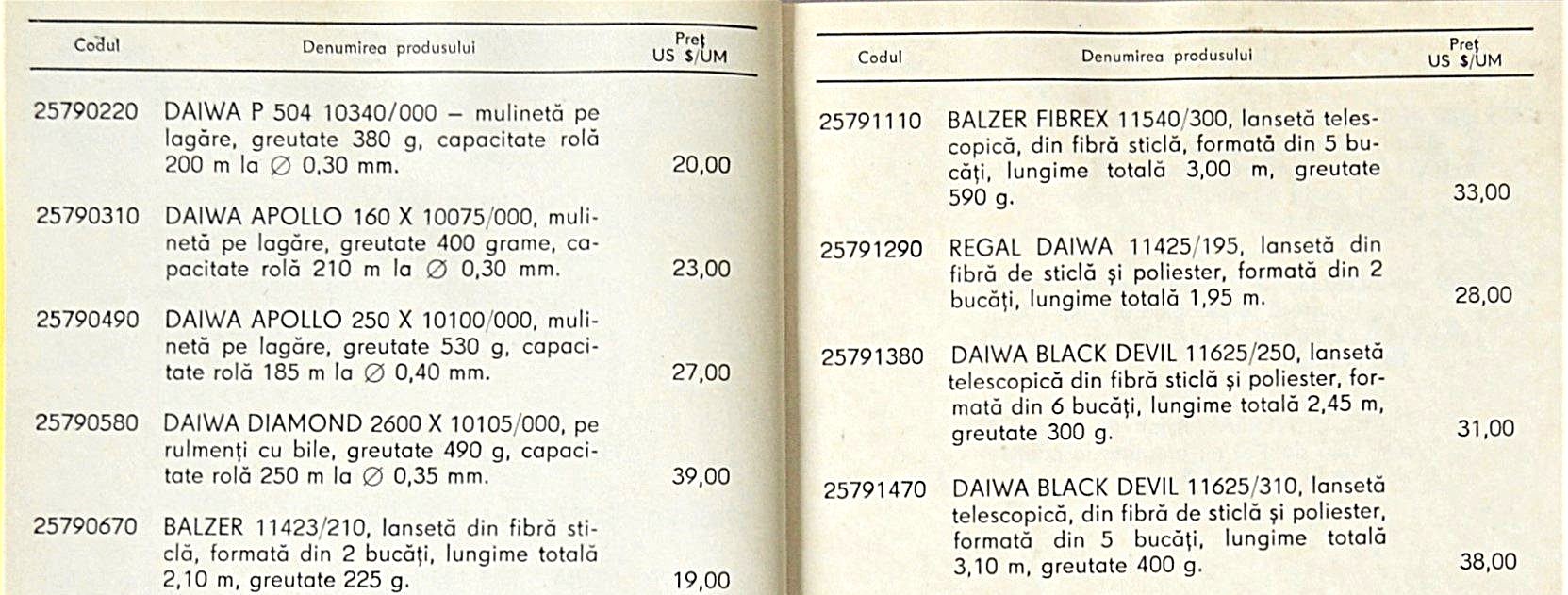
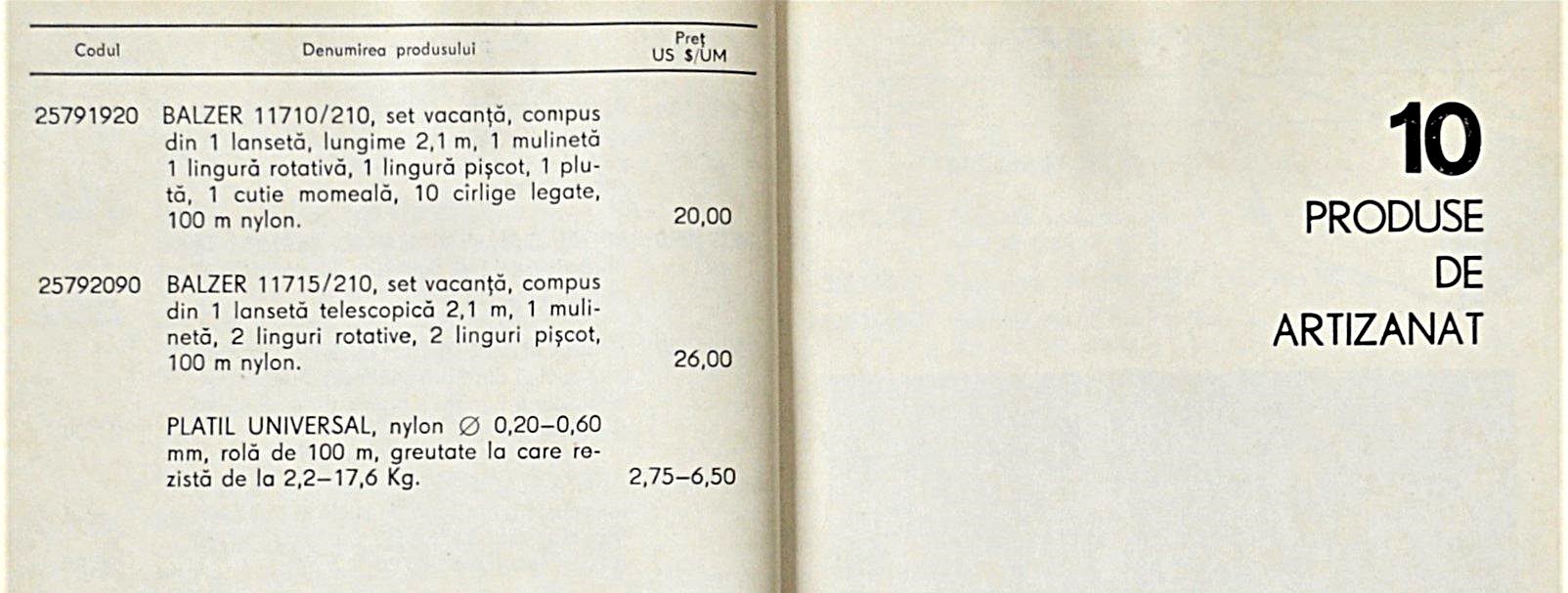
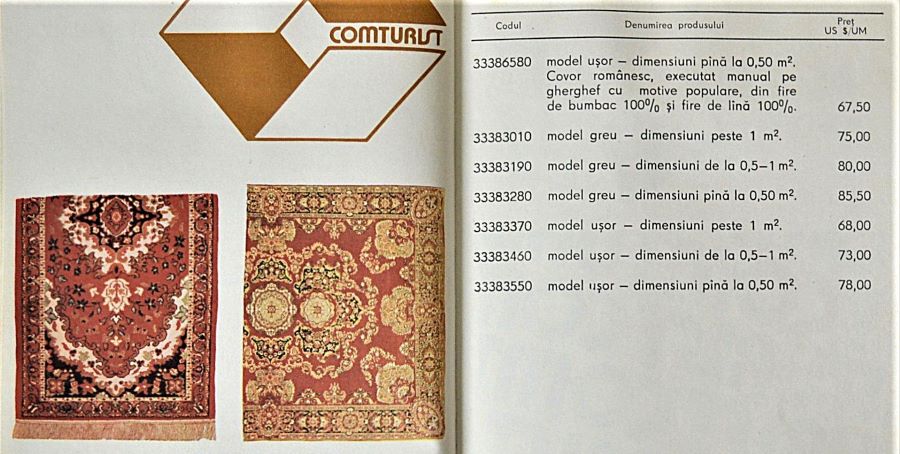
You can literally see the catalog functioning like a printed database: perfumes (e.g., Chanel listings), audio equipment (AKAI components), TVs/VCRs, and spirits (Camus, Hennessy, etc.) all follow the same logic.
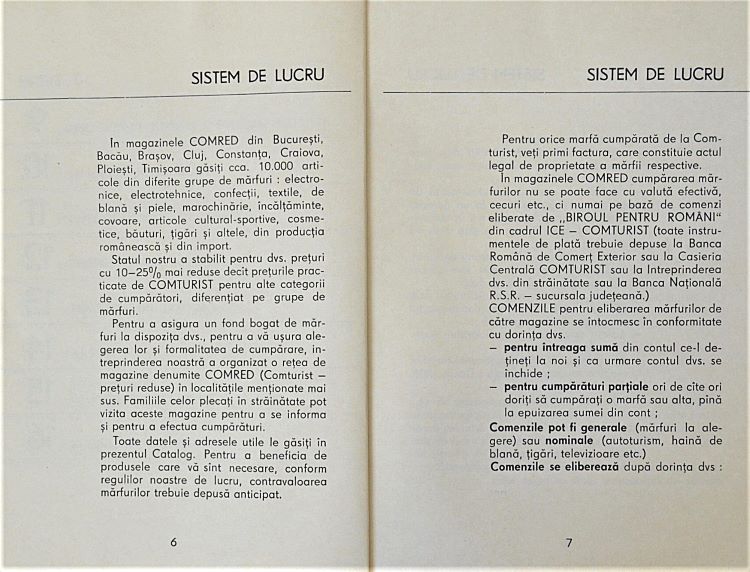
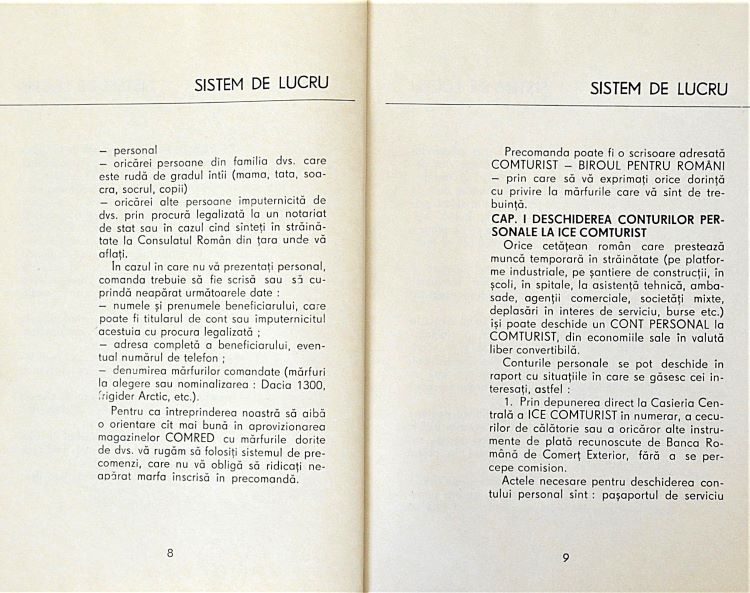
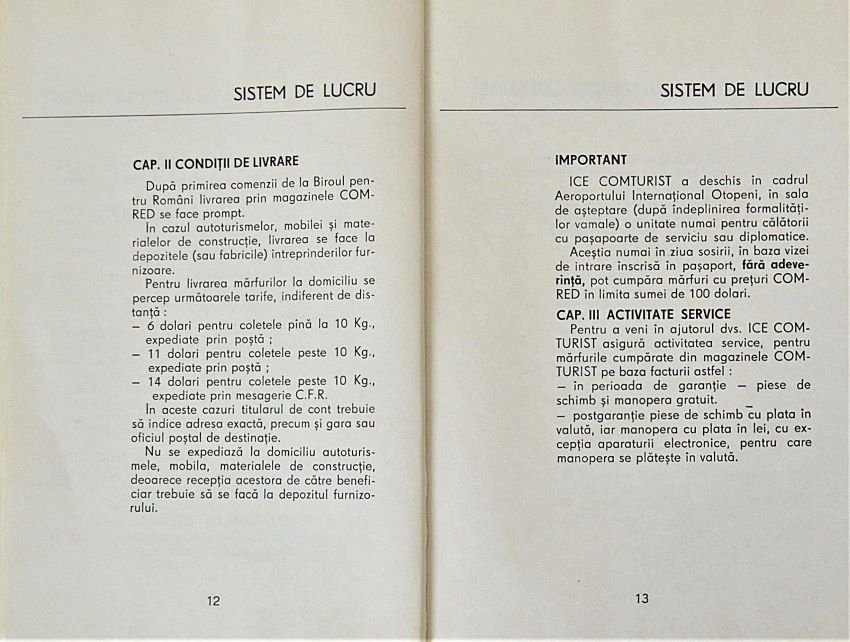
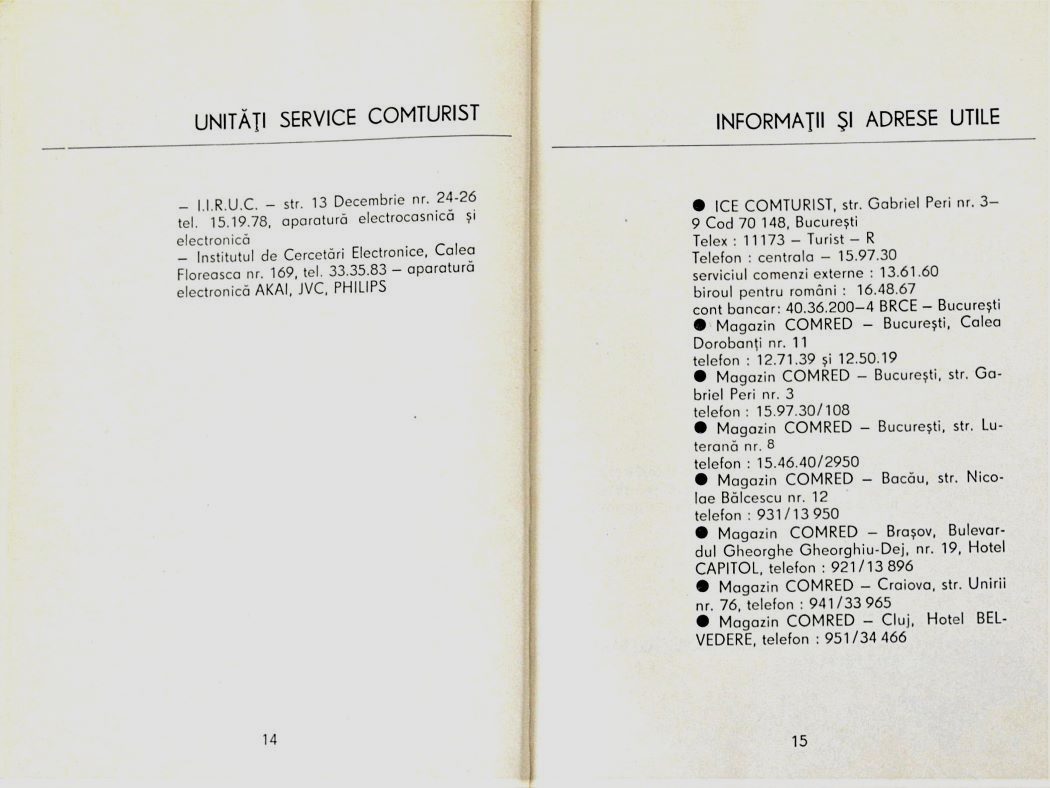
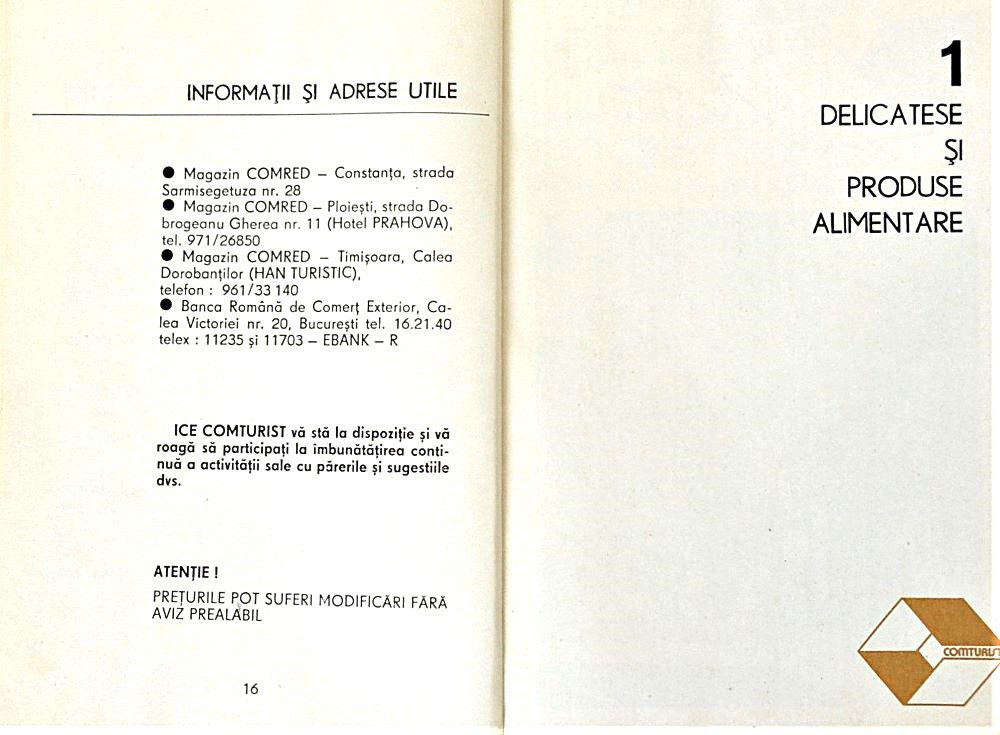
Several spreads titled “SISTEM DE LUCRU” read like a workflow document: who can buy, how orders are placed, how deliveries happen, and where service units are. That’s a reminder: strong catalogs don’t just sell—they instruct.
Here’s the general-knowledge punchline: catalogs shaped mass consumption long before “Add to cart.”
That’s why these pages feel emotional today: they document not only products, but aspirations.
Typical outcome: low starting prices, slow turnover.
Two things changed:
Typical outcome: sellers tested higher asking prices; better-condition copies began to stand out.
By now, complete copies (good cover, intact pages, minimal staining) attract:
Typical outcome: upward price pressure, especially on eBay, where international demand is larger.
(Check current listings + eBay “Sold items” filter for confirmation in your niche.)
| Period | Okazii.ro (RON) | eBay (USD) | What drove it |
|---|---|---|---|
| 2006–2010 | ~10–40 | ~5–15 | low demand, local sales |
| 2011–2016 | ~30–80 | ~10–30 | nostalgia + better listings |
| 2017–2026 | ~60–200+ | ~20–60+ | scarcity, global buyers, design premium |
Important nuance: eBay prices can jump higher when the listing includes strong keywords (“COMTURIST”, “Cold War”, “Romania catalog 1983”, “communist era ephemera”) and when shipping is handled professionally.
Is it “industrial” if it sells consumer goods? Yes—because the format is industrial: codes, processes, standardized ordering.
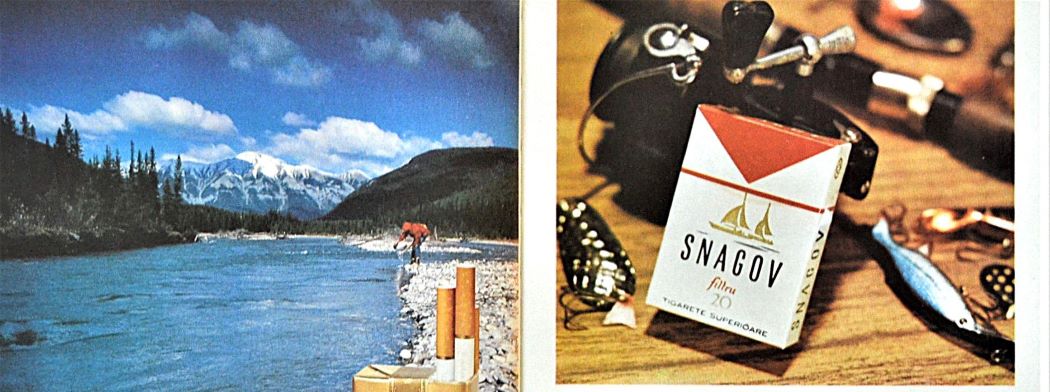
What makes COMTURIST 83–84 special? The combination of workflow pages, USD pricing, and a wide product universe (from Kent cigarettes to TVs and cars).
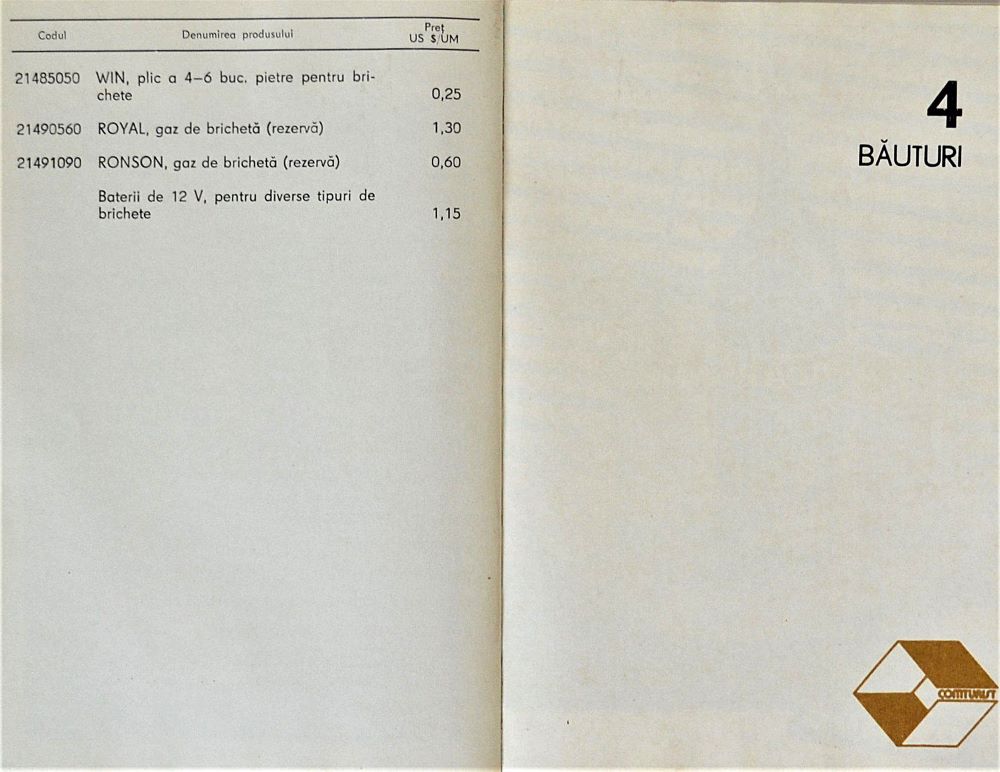
A good industrial catalog is a machine for clarity. The COMTURIST 83–84 catalog—seen in your images as clean grids of codes, categories, and prices—did that job in its own era. Today, it does a second job: it’s a time capsule with rising collectible value, pushed upward over the last 20 years by digitized marketplaces, global nostalgia, and simple scarcity.
Delicacies and Groceries: Romania’s culinary scene flourished in the 1980s, with an array of local delights and pantry staples that defined the essence of Romanian gastronomy.
Cosmetics and Perfumes: The beauty industry flourished with a variety of cosmetics and perfumes, offering glamour and elegance for Romanian men and women.
Drinks: The beverage industry offers a diverse selection, ranging from local wines to international spirits, catering to a wide range of preferences.
Cameras and Accessories: Photography enthusiasts found a haven with a range of cameras and accessories, enabling the capture of life’s moments.
Sporting Goods and Free Time: The market offered sporting goods and recreational items, encouraging an active and vibrant lifestyle.
Handicrafts: Skilled artisans crafted intricate pieces, celebrating Romania’s rich cultural heritage in the realm of handicrafts.
Fur and Leather Clothing: Elegance marked the fashion landscape with fur and leather clothing, blending local and international influences.
Footwear-Leather Goods: Romanian shoemakers produced a diverse range of shoes and leather accessories, combining comfort with aesthetic appeal.
Interior Decorations: Homes were adorned with a variety of interior decorations, reflecting a blend of traditional motifs and modern designs.
Furniture: The furniture industry thrived with locally crafted pieces, showcasing a harmonious balance between traditional and contemporary styles.
Cars, Spare Parts, and Car Accessories: The automotive industry caters to car enthusiasts with a range of cars, spare parts, and accessories.
Construction Materials: Supporting development and growth, the construction industry offered a variety of materials for infrastructure projects.
This condensed exploration of Romania’s 1984-1985 industries highlights the nation’s prosperity, innovation, and cultural richness during this dynamic period. Each sector contributes to the vibrant tapestry that defines Romania at this time.
Find related collectibles that complement your current collection. From pieces of the same era or by the same artist to similar themes or materials, these related products are sure to add value and interest to your collection. Discover new gems and expand your collection with our carefully curated selection.
Take your collecting passion to the next level by diving into the history and cultural significance of your favorite pieces. Our expertly curated articles provide in-depth information on rarity, value, and more. Discover hidden gems and gain a deeper appreciation for the collectibles you love with our latest articles.
Summary: Dive into classic rock with the 1972 release, “Rio Grande Mud,” from the renowned American band, ZZ

Summary Iron Maiden’s Killers is a classic heavy metal album that was released in 1981. It was the

Summary Embark on a sonic journey with “Imagine,” John Lennon‘s iconic vinyl released in 1971 under the catalog
Free shipping in the UK for orders over £50, and in Europe/North America for orders over £100.
At CelebrisClub, we believe that every collectible tells a story. That’s why we provide you with the most detailed and informative information on ultra-rare collectibles. From limited-edition releases to vintage finds, our expertly curated selection offers a wide range of collectibles for every collector. Expect high-quality images, in-depth articles, and a trustworthy and enjoyable shopping experience. Join us on a journey to discover the hidden gems of collecting and unlock the world of ultra-rare collectibles.
© 2023 CELEBRISCLUB – All rights reserved.
Reviews
There are no reviews yet.
Only logged in customers who have purchased this product may leave a review.